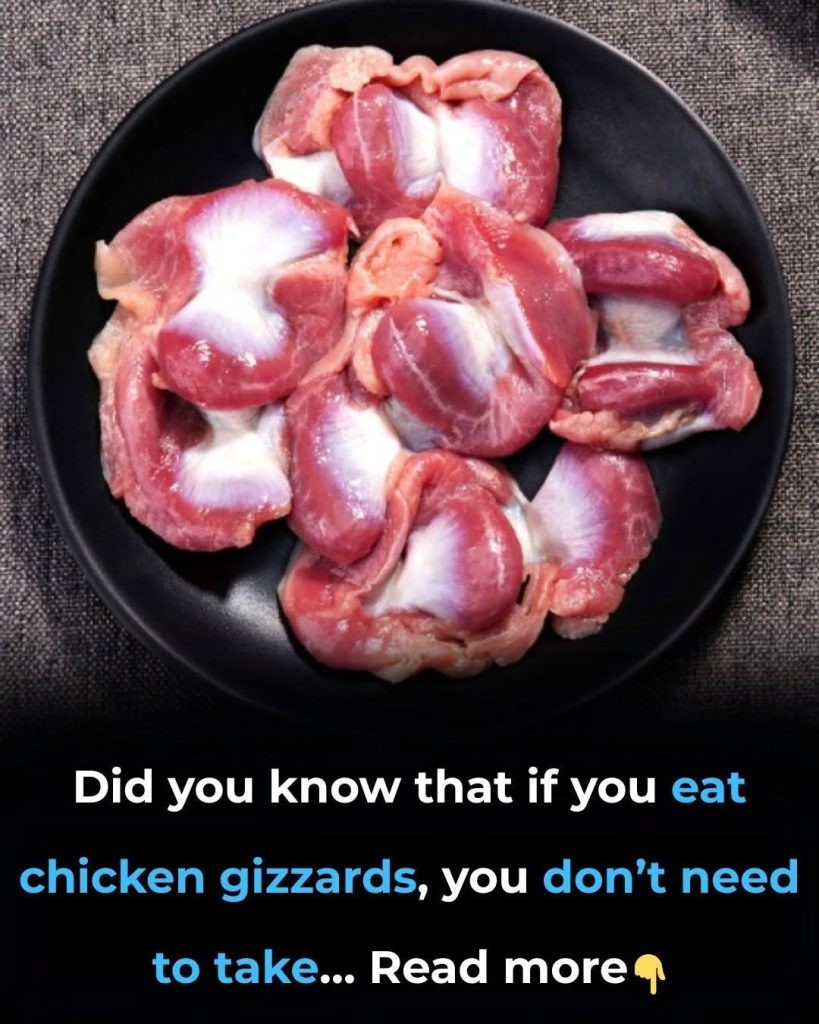
Chicken gizzards are a unique component of poultry that commonly appears in many traditional dishes around the world. While not always a staple in Western diets, they remain popular for their nutritional value and versatility. Often considered an affordable source of high-quality nutrients, gizzards can be found in stews, soups, and grilled dishes across cultures. Incorporating them into your diet brings a variety of health benefits, provided they are prepared and consumed as part of a balanced lifestyle.
What Are Chicken Gizzards?
The gizzard is an essential organ in a chicken’s digestive system. It is a strong, muscular pouch that grinds down food, aided by ingested grit and small stones. This organ is mainly composed of dense muscle tissue, which contributes to its distinctive firm texture. Because it functions as part of the digestive tract, its composition is quite different from other cuts of poultry, such as breast or thigh meat.
Nutritional Profile of Chicken Gizzards
Chicken gizzards are often praised for being both nutrient-dense and affordable. A standard serving of boiled chicken gizzards (about 100 grams) typically provides:
- Protein: Approximately 18-20 grams per serving, supporting muscle health and satiety.
- Fat: Around 2-3 grams, which is relatively low compared to many other meat products.
- Calories: Approximately 90-100 calories, making them energy-efficient for their nutrient value.
- Vitamins: High in B vitamins, especially vitamin B12 and niacin.
- Minerals: Significant amounts of iron, zinc, phosphorus, and selenium.
This nutritional composition makes chicken gizzards an excellent choice for those looking for a lean yet protein-rich addition to their meals, with a concentration of vital micronutrients.
Vitamin B12 and Its Importance
One of the primary benefits of consuming chicken gizzards is their high vitamin B12 content. Vitamin B12, or cobalamin, is essential for the formation of red blood cells, nerve cell function, and the synthesis of DNA. Deficiency in B12 can lead to anemia, fatigue, nerve dysfunction, and cognitive difficulties. Dietary sources of B12 are especially important for individuals on diets with limited animal products, though poultry gizzards offer an efficient route to meet these daily needs.
While gizzards can help contribute to a person’s vitamin B12 intake, it is important to note that individuals with diagnosed deficiencies should seek professional medical guidance regarding supplementation or additional treatment. According to health authorities such as the Centers for Disease Control and Prevention (CDC) and the World Health Organization (WHO), dietary intake alone may be insufficient for those with absorption issues or certain medical conditions.
Iron, Zinc, Selenium, and Other Essential Minerals
Chicken gizzards are a significant source of iron, a key mineral for hemoglobin production and efficient oxygen transportation throughout the body. Sufficient iron intake is fundamental to maintaining energy, preventing anemia, and supporting overall vitality. Gizzards also provide zinc, which plays a critical role in immune defense, wound healing, and protein synthesis. Zinc is a micronutrient that is often under-consumed, especially in plant-based diets.
Additionally, chicken gizzards supply selenium, a trace mineral vital for thyroid hormone metabolism and antioxidant processes. Selenium works synergistically with vitamin E to protect cells against oxidative stress. Phosphorus is also present in meaningful amounts, contributing to bone health and energy metabolism, making chicken gizzards a comprehensive source of several underappreciated nutrients.
Support for Protein Intake and Muscle Maintenance
Protein is an essential macronutrient responsible for building and maintaining muscle tissue, supporting immune function, and acting as an energy source when necessary. Chicken gizzards, with their high muscle content, are rich in complete proteins, containing all the essential amino acids needed by the body. For individuals engaging in regular physical activity or aiming to prevent muscle loss due to aging, incorporating protein-dense foods like gizzards can be advantageous, especially when combined with regular resistance exercise, ample rest, and a varied diet.
That said, neither chicken gizzards nor any single food can fully meet all nutritional requirements; a comprehensive dietary pattern matters more than focusing on individual ingredients.
Comparing Preparation Methods: Health Implications
The health benefits of chicken gizzards can be maximized through careful preparation. Cooking methods such as boiling, stewing, or grilling tend to retain the nutritional integrity of the gizzards while avoiding unnecessary calories and sodium. By contrast, deep-frying or using excessive oils can increase fat content and calorie density, reducing their healthfulness.
Adding gizzards to vegetable-rich soups, salads, or grain bowls offers a balanced meal, enhancing both taste and nutritional profile. When preparing chicken gizzards, thorough cooking is necessary to prevent foodborne illnesses such as salmonella. Experts at the CDC recommend cooking all poultry products to an internal temperature of 165°F (74°C).
Considerations for Special Diets and Medical Conditions
While chicken gizzards offer numerous advantages, they are not suitable for everyone. Individuals with certain health conditions may need tailored dietary recommendations:
- Kidney Disorders: Because organ meats can be high in certain minerals, people with chronic kidney disease should consume them in moderation and consult a healthcare professional for personalized guidance.
- Iron Overload: Some rare conditions, such as hemochromatosis, require dietary iron restriction. Those affected should discuss their protein sources with a clinician.
- Specific Nutrient Deficiencies: Although gizzards are rich in several micronutrients, they cannot replace prescribed supplements or medical treatments for diagnosed deficiencies.
Registered dietitians and physicians recommend adapting dietary choices to individual health needs, lifestyles, and any ongoing therapies.
Chicken Gizzards in World Cuisine
Globally, chicken gizzards are celebrated in a diverse array of culinary traditions. They are featured in classic dishes such as:
- United States: Fried gizzards are a Southern delicacy, often served with hot sauce or gravy.
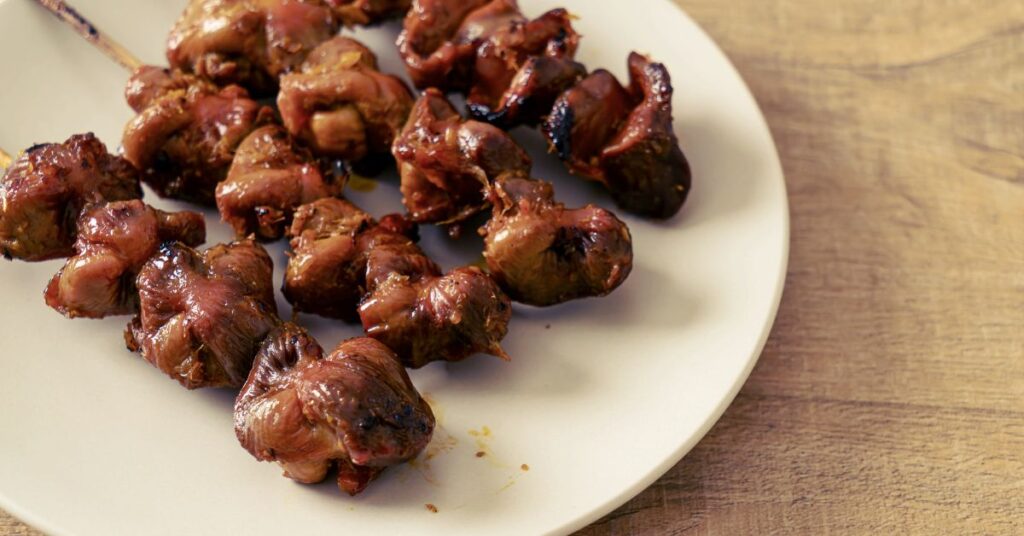
- Philippines: “Adidas” refers to skewered, grilled gizzards in street food stalls.
- France: “Gésiers” are served in salads, often confit in duck fat for additional flavor.
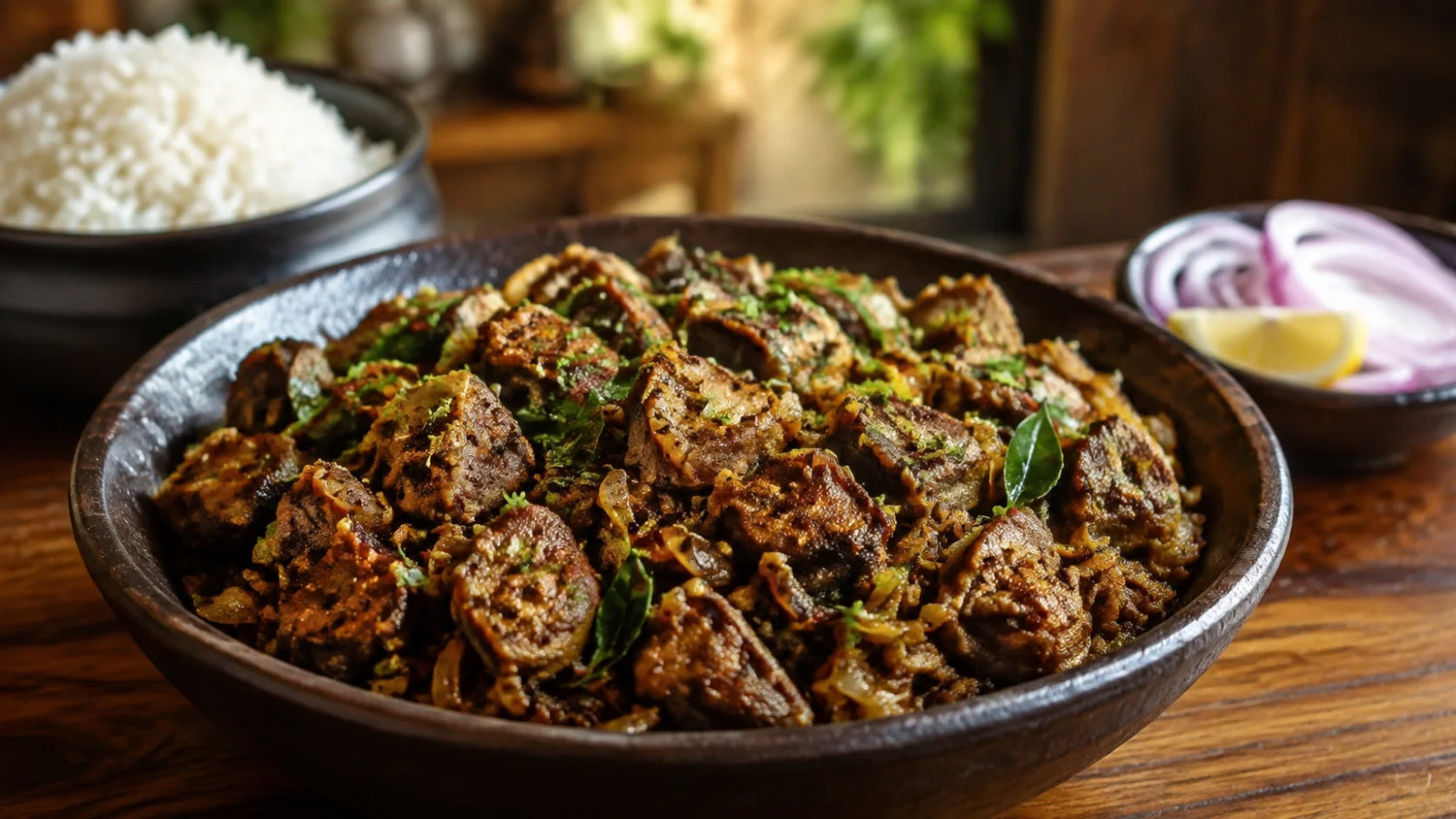
- Nigeria: Gizzards are roasted and spiced, frequently paired with plantains and peppers.
This versatility makes gizzards a valued ingredient in both everyday meals and festive gatherings. Their affordability contributes to food security and reduces waste by utilizing all parts of the chicken.
Expert Opinions and Health Organization Guidelines
Nutrition experts recognize the value of including a variety of protein sources, such as lean poultry meats and organ cuts like gizzards, as part of a nutrient-rich eating pattern. The Centers for Disease Control and Prevention and World Health Organization emphasize diversity in protein sources, adequate vegetable and fruit consumption, and limited intake of saturated fats and sodium.
Registered dietitians encourage:
- Choosing preparation methods that minimize added fat and sodium.
- Including a mix of plant and animal proteins.
- Consulting professionals before making significant dietary changes, especially when managing medical conditions or taking supplements.
Societal and Environmental Context
In recent years, there has been growing interest in “nose-to-tail” eating—consuming all edible parts of an animal to reduce waste and make food systems more sustainable. Incorporating chicken gizzards supports these environmental goals by utilizing resources efficiently. Additionally, their low cost contributes to food accessibility and helps address nutritional deficiencies in low-income communities.
Summary: The Role of Chicken Gizzards in a Balanced Diet
Chicken gizzards are a nutritious, affordable, and versatile protein source suitable for incorporation into a balanced diet. They provide high-quality protein, iron, zinc, vitamin B12, and other vital micronutrients. When prepared healthfully, they contribute to muscle maintenance, energy levels, and immune function. However, individual needs may vary according to health status, and no single food can meet all nutritional requirements.
Integrating chicken gizzards with a diverse intake of vegetables, whole grains, fruits, and alternative protein sources ensures comprehensive nutrition. For those managing medical conditions or nutrient deficiencies, professional advice remains essential before changing dietary habits or discontinuing supplements.
Sources
- World Health Organization – Healthy Diet
- Centers for Disease Control and Prevention – Nutrition
- Mayo Clinic – Nutrition and healthy eating
- BBC Good Food – Health Benefits of Chicken
- Reuters – Chicken Gizzard Nutrition Facts
Disclaimer: This content is intended for entertainment purposes only and is not based on real events.