4 Changes in Your Face That May Reveal Clues About Your Health
Your face can sometimes offer clues about your overall health. Changes in skin color, unusual bumps, irritation around the mouth, or persistent swelling may be worth paying attention to, particularly when they appear unexpectedly or do not go away.
However, facial changes are not reliable diagnostic tools on their own. Many have harmless explanations, and the same visible sign can occur for several different reasons. The important thing is to recognize persistent or unusual changes and understand when professional medical advice may be helpful.
Here are four facial changes that may provide clues about underlying health conditions, along with what they can mean and when to seek medical attention.
1. Small Yellow Bumps Around the Eyelids
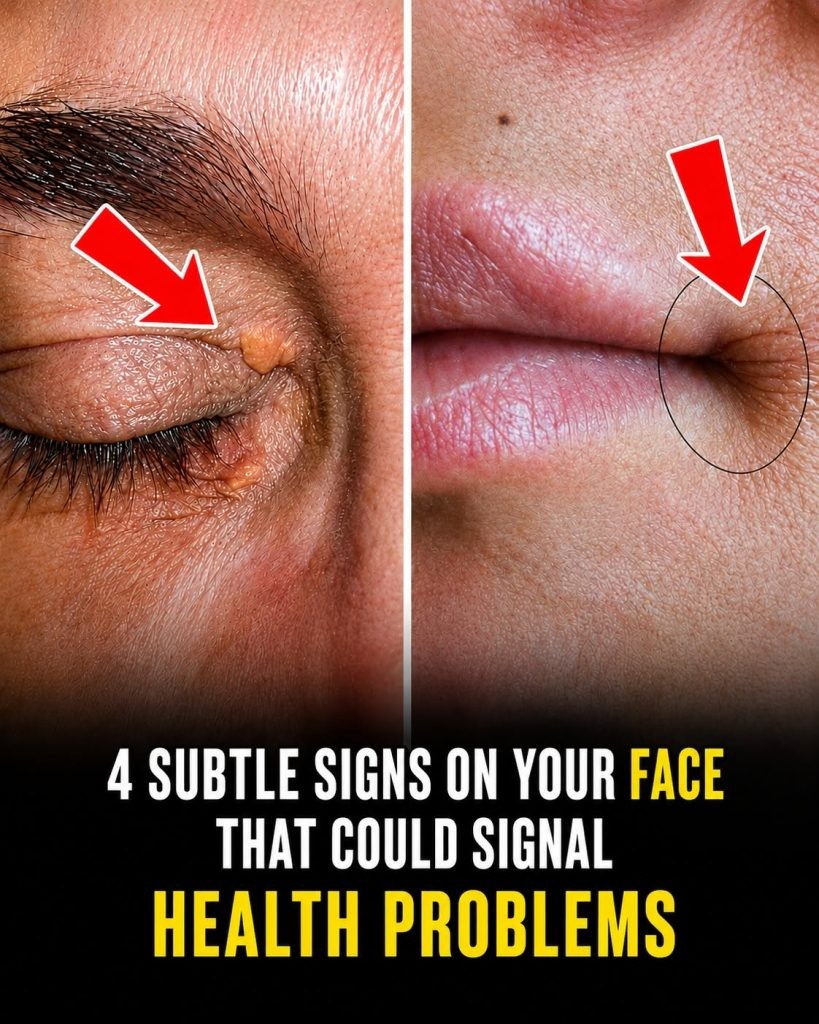
Have you noticed soft, yellowish patches or bumps appearing near the inner corners of your eyelids? One possible explanation is a condition called xanthelasma.
Xanthelasma consists of yellowish deposits containing lipids that develop beneath the skin, usually around the eyelids. These growths are generally painless and may appear flat or slightly raised. Although they are usually harmless in themselves, they can sometimes be associated with elevated cholesterol or other metabolic conditions.
What causes xanthelasma?
Xanthelasma can occur in people with high blood cholesterol, but not everyone who develops these deposits has abnormal cholesterol levels. Other factors, including inherited conditions affecting blood lipids, diabetes, and thyroid disorders, may also be relevant.
High cholesterol is particularly important to identify because it often causes no noticeable symptoms. A person may feel perfectly healthy while having elevated levels of LDL cholesterol, which can contribute to plaque buildup in the arteries over time.
Yellow deposits around the eyelids therefore should not be used to determine cholesterol levels by appearance alone. A healthcare professional may recommend a blood lipid test and, depending on the individual’s history, other investigations.
What should you do?
If you notice persistent yellow patches around your eyelids, consider arranging a medical appointment, particularly if you have a family history of high cholesterol or cardiovascular disease.
Do not attempt to squeeze, scrape, or remove the deposits at home. Because the skin around the eyes is delicate, treatment should be discussed with a qualified healthcare professional.
Identifying and managing an underlying cholesterol problem can be important even when the deposits themselves do not cause discomfort.
2. Cracks or Sores at the Corners of Your Mouth
Dry lips are common, especially during cold weather or when the skin is exposed to wind and dry air. However, cracks that repeatedly develop at the corners of the mouth may indicate a condition known as angular cheilitis.
This condition can cause redness, soreness, irritation, and small fissures where the upper and lower lips meet. The affected skin may sting when eating, speaking, or opening the mouth widely.
Why does angular cheilitis happen?
There is no single cause of angular cheilitis. Saliva can collect at the corners of the mouth, irritating the skin and making it more vulnerable to inflammation. Fungal or bacterial infections may also contribute.
Other possible factors include:
-
Dry or irritated skin and certain forms of dermatitis.
-
Poorly fitting dentures or changes in the way the mouth closes.
-
Nutritional deficiencies, including iron or certain B vitamins, in some cases.
-
Repeated lip licking or other habits that keep the corners of the mouth moist.
-
Conditions that increase susceptibility to infection.
Because these causes overlap, recurring cracks do not automatically mean someone has a vitamin deficiency. Taking supplements without identifying the cause may not solve the problem.
How can you care for the affected area?
Keeping the corners of the mouth clean and protected with a simple, fragrance-free barrier ointment may help reduce irritation. Avoid repeatedly licking the area, and consider whether a new lip product or toothpaste could be contributing to the problem.
If the cracks persist, keep returning, become increasingly painful, or show signs of infection, seek medical advice. A clinician can assess whether the problem is related to irritation, infection, nutritional deficiencies, or another condition.
Persistent mouth sores should not be ignored simply because they seem minor. Appropriate treatment depends on identifying the underlying cause.
3. Unusual Facial Paleness
Everyone has a natural skin tone, and facial color can change temporarily because of lighting, temperature, or normal variations in circulation. However, a noticeable and unexplained loss of color may sometimes be a sign that deserves further evaluation.
One possible cause is anemia, a condition in which the blood does not carry enough oxygen to meet the body’s needs. Anemia can occur when the body lacks sufficient healthy red blood cells or hemoglobin, the protein that helps transport oxygen.
What can cause anemia?
Iron deficiency is a common cause, but anemia can develop for several reasons. These include blood loss, inadequate absorption or intake of certain nutrients, chronic illnesses, and inherited blood disorders.
Facial paleness alone cannot establish whether someone has anemia. Depending on skin tone, changes may be easier to notice in areas such as the inner lower eyelids, gums, palms, or nail beds, although these observations are not definitive.
Other possible symptoms include:
-
Persistent tiredness or weakness.
-
Dizziness or lightheadedness.
-
Shortness of breath, particularly during activity.
-
Headaches or difficulty concentrating.
-
A sensation of a racing heartbeat.
-
Cold hands and feet in some cases.
Not everyone with anemia experiences all these symptoms, and mild anemia may cause few noticeable changes.
When should you seek medical advice?
If your skin becomes unusually pale without an obvious explanation, especially when accompanied by fatigue, dizziness, or shortness of breath, arrange a medical assessment.
A healthcare professional may recommend a complete blood count and other tests to determine whether anemia is present and identify its cause. Treatment depends on the underlying problem; iron supplements, for example, are appropriate for iron deficiency but are not a universal treatment for every form of anemia.
Sudden, widespread paleness accompanied by fainting, severe weakness, breathing difficulty, or other serious symptoms requires urgent medical attention.
4. Persistent Facial Puffiness or Swelling
Waking up with a slightly puffy face is not unusual. Changes in sleep, temporary fluid retention, allergies, or other everyday factors can affect how the face looks.
The more important distinction is whether the swelling is persistent, recurrent without a clear explanation, or accompanied by other symptoms.
Facial puffiness can have several causes, ranging from minor irritation to medical conditions that require evaluation.
What can cause facial swelling?
Possible explanations include:
Allergies: Reactions to foods, medications, insect stings, or environmental triggers can cause swelling, sometimes accompanied by itching or hives.
Fluid retention: Temporary changes in fluid balance can contribute to puffiness, particularly around the eyes.
Thyroid conditions: Certain thyroid disorders may cause changes in facial appearance or swelling.
Kidney problems: Some kidney conditions affect how the body manages fluid and may cause swelling around the eyes or elsewhere.
Medication side effects: Some medicines can contribute to swelling or fluid retention. Do not stop prescribed medication without discussing the issue with your healthcare professional.
Local inflammation or infection: Problems affecting the skin, teeth, sinuses, or other nearby structures may cause swelling in particular areas of the face.
The location, timing, duration, and associated symptoms can help a clinician determine which causes are most likely.
When is facial swelling a concern?
If facial puffiness persists, repeatedly returns, worsens, or occurs alongside other unexplained symptoms, arrange a medical evaluation. A healthcare professional may review your medications, examine the affected area, and recommend tests if necessary.
Sudden swelling of the lips, tongue, mouth, or throat, particularly with difficulty breathing or swallowing, is a medical emergency. Seek emergency help immediately rather than waiting for the swelling to resolve.
Why Doctors Pay Attention to Changes in the Face
During a physical examination, healthcare professionals may observe skin color, texture, swelling, and unusual growths. These findings can provide useful clues when considered alongside a person’s medical history, symptoms, medications, and other examination results.
For example, yellowish deposits around the eyelids may prompt a discussion about cholesterol testing. Unexplained paleness may lead to blood tests for anemia. Persistent swelling may require an assessment of allergies, medications, or other potential causes.
However, appearance is only one part of a medical evaluation. Lighting, natural skin variation, age, and many unrelated conditions can influence what someone sees in the mirror.
A facial sign should therefore be treated as a reason to pay attention, not as proof of a particular illness. Medical tests and professional assessment are often needed to distinguish between possible explanations.
How to Monitor Changes in Your Face
You do not need to examine your face constantly or worry about every minor variation. A more useful approach is to notice changes that are new, persistent, worsening, or different from your usual appearance.
A few practical habits can help:
-
Pay attention to yellowish eyelid deposits, recurring mouth cracks, unexplained paleness, or swelling that does not resolve.
-
Consider whether a change began after using a new skincare product or medication, but do not assume this is necessarily the cause.
-
Note any accompanying symptoms, such as fatigue, dizziness, itching, pain, or breathing difficulties.
-
Seek professional advice when changes persist or when you are unsure what is causing them.
-
Avoid self-diagnosing or taking high-dose supplements based solely on an appearance-related symptom.
A healthcare professional can help determine whether a change requires treatment, further testing, or simple observation.
The Bottom Line
Changes in your face can sometimes provide clues about your health, but they rarely tell the whole story.
Yellowish deposits around the eyelids may be associated with abnormal blood lipid levels. Cracks at the corners of the mouth can result from irritation, infection, or certain nutritional deficiencies. Unexplained paleness may occur with anemia, while persistent facial swelling can have several possible causes.
None of these signs confirms a diagnosis on its own, and many have explanations that are not serious. What matters most is paying attention to changes that persist, worsen, or appear alongside other symptoms.
If something about your appearance concerns you, a medical assessment is more reliable than guessing from photographs or online descriptions. Early evaluation can help identify the cause and guide appropriate care.
Your face may offer clues, but professional medical assessment is what helps turn those clues into answers.
Medical disclaimer: This article is for general educational purposes only and is not a substitute for professional medical advice, diagnosis, or treatment. Seek emergency care for sudden facial or throat swelling with breathing or swallowing difficulties.
Sources and Further Reading
-
Cleveland Clinic: Xanthelasma — Causes, Symptoms, and Treatment
-
MedlinePlus: Anemia
-
MedlinePlus: Paleness
-
NHS: Angioedema
-
nidirect: Sore or Dry Lips