Healthy Foods for Arteries: How Diet Supports Cardiovascular Health
Understanding Arterial Health and Cardiovascular Disease
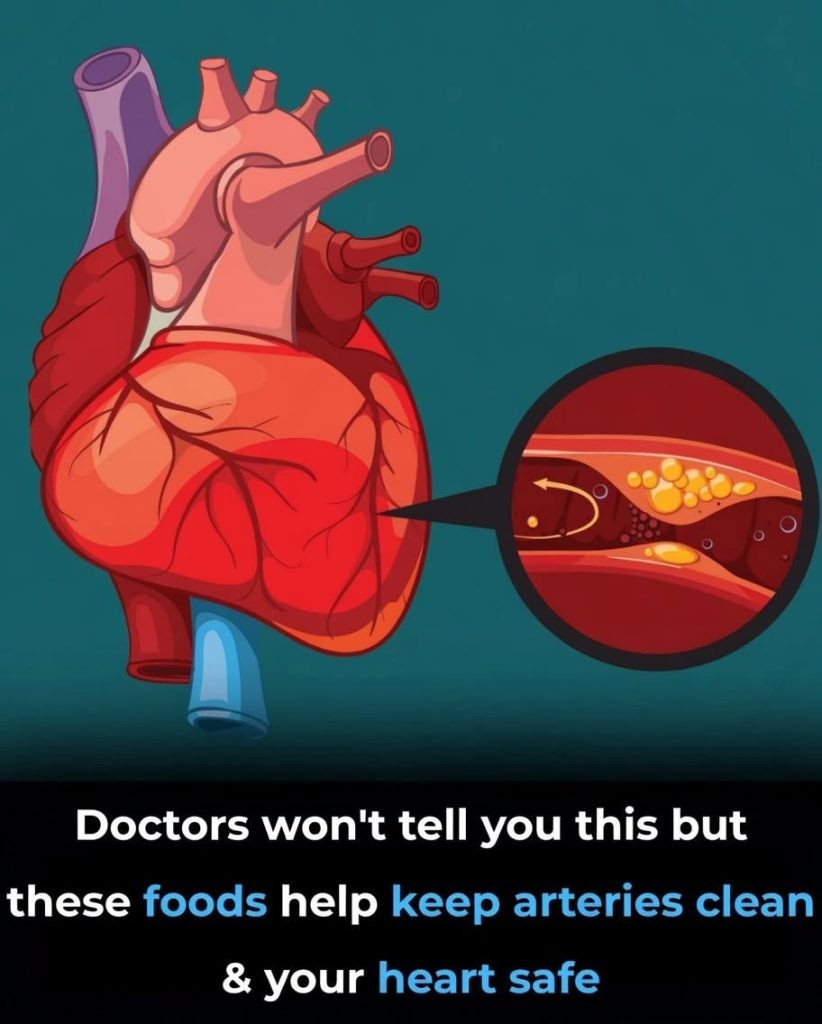
Maintaining healthy arteries is fundamental to overall cardiovascular health. Arteries are blood vessels responsible for transporting oxygen-rich blood from the heart to tissues throughout the body. When arteries are healthy and unobstructed, they support efficient blood flow, enabling organs and muscles to receive sufficient nutrients and oxygen for optimal function. However, the gradual accumulation of fatty deposits, known as plaque, within artery walls can significantly impair this process, leading to widespread health challenges.
The build-up of plaque within arteries is called atherosclerosis. This condition does not occur overnight but progresses over years and is influenced by several risk factors. High cholesterol, smoking, diabetes, chronic inflammation, high blood pressure, and sedentary lifestyle all contribute to the development of atherosclerosis. Over time, atherosclerosis can result in narrowed arteries, impeding blood flow and elevating the risk of heart attack, stroke, peripheral vascular disease, and other related health issues.
Atherosclerosis: Causes, Symptoms, and Risks
Atherosclerosis develops silently and may go unnoticed until it is advanced enough to cause symptoms, such as chest pain (angina), shortness of breath, fatigue, or leg pain during walking. Risk factors include:
- High LDL cholesterol (“bad cholesterol”) and low HDL cholesterol (“good cholesterol”)
- Smoking, which damages blood vessel walls and accelerates plaque formation
- Diabetes and poor blood sugar control, which promotes inflammation and arterial injury
- Chronic high blood pressure (hypertension), which damages artery walls
- Obesity and lack of physical activity
- Unhealthy dietary patterns, particularly those high in saturated fat, trans fat, processed foods, and added sugars
If left unmanaged, atherosclerosis can produce life-threatening conditions like heart attacks, strokes, or blockages in limbs. Prevention and management rely heavily on dietary and lifestyle modifications alongside appropriate medical care.
Can Foods Remove Plaque from Arteries?
Despite widespread myths, no single food or nutrient can instantly clear blocked arteries or dissolve established plaque. The process of atherosclerosis is complex, and while dietary choices play a significant role in prevention and slowing disease progression, reversing severe arterial blockage requires comprehensive medical intervention. However, research consistently shows that certain foods, when incorporated into a balanced diet, can protect cardiovascular health by supporting cholesterol balance, reducing inflammation, and improving blood vessel function.
Top Foods for Cardiovascular and Arterial Health
Fatty Fish: Rich Source of Omega-3 Fatty Acids
Fish such as salmon, sardines, and mackerel are high in omega-3 fatty acids. According to the American Heart Association, omega-3s may help lower triglycerides, reduce blood pressure, and slow the formation of arterial plaque. Including fatty fish in your diet at least twice per week is linked to lower risk of heart disease and can be an important part of a heart-protective diet.
Leafy Green Vegetables: Nutrient-Dense and Cardioprotective
Vegetables like spinach, kale, and arugula are packed with fiber, vitamins, potassium, antioxidants, and natural nitrates. These nutrients can improve blood vessel function and help maintain healthy blood pressure. The fiber in greens also assists in managing cholesterol and blood sugar, making them integral for vascular health.
Whole Grains: Oats, Barley, and More
Oats and other whole grains provide soluble fiber, which binds to cholesterol in the digestive tract and helps remove it from the body. Regular whole grain consumption is associated with reduced risk of cardiovascular disease, improved digestive health, and better blood sugar regulation.
Nuts and Seeds: Healthy Fats and Plant Compounds
Walnuts, almonds, chia seeds, and flaxseeds offer a powerful combination of healthy fats (including omega-3s in flax and chia), fiber, magnesium, and beneficial phytochemicals. Scientific analyses, such as those reviewed by the Harvard T.H. Chan School of Public Health, indicate that including nuts and seeds in the diet can help lower LDL cholesterol and reduce overall cardiovascular risk. Portion control is important, as nuts are calorie-dense.
Berries: Antioxidant Powerhouses
Blueberries, strawberries, and raspberries contain anthocyanins and other antioxidants that combat oxidative stress—a contributor to arterial damage and atherosclerosis. A diet rich in fruits and berries supports vessel health and overall cardiovascular protection.
Avocados: Sources of Monounsaturated Fats
Avocados are loaded with heart-healthy monounsaturated fats, as well as potassium and fiber. Studies suggest that replacing foods high in saturated fats with avocados can improve cholesterol profiles and support arterial function.
Garlic: Potential for Blood Pressure and Circulatory Support
Garlic contains compounds such as allicin that have been investigated for their positive effects on blood pressure and circulation. While results are promising, garlic should never substitute prescribed treatments or medications. Instead, it can be used as part of an overall healthy eating pattern.
Extra Virgin Olive Oil: Core to the Mediterranean Diet
Extra virgin olive oil is rich in monounsaturated fats and polyphenols. Its regular use has been linked to lower rates of cardiovascular disease in populations following the traditional Mediterranean diet. The oil’s anti-inflammatory properties and role in maintaining healthy cholesterol levels make it a valuable addition to cardiovascular nutrition.
Beans and Legumes: Fiber and Plant-based Protein
Lentils, black beans, and chickpeas provide substantial fiber, plant-based protein, and a low-glycemic profile. These foods help manage cholesterol, support blood sugar control, and assist in healthy weight management—key elements in preventing arterial plaque buildup.
Tomatoes: Lycopene for Heart Health
Tomatoes contain lycopene, an antioxidant studied for its association with reduced risk of heart disease. Lycopene may help decrease inflammation and improve cholesterol levels, contributing to better arterial health.
Comprehensive Lifestyle Approaches to Arterial Health
While including these nutrient-rich foods is beneficial, diet alone cannot reverse severe artery blockage. Protecting arterial health requires a multi-dimensional approach:
- Limit highly processed foods, especially those high in trans fats, sodium, and added sugars.
- Reduce intake of saturated fats by choosing lean proteins and plant-based oils.
- Maintain a healthy body weight to reduce additional strain on the cardiovascular system.
- Avoid smoking, one of the principal contributors to arterial damage.
- Manage chronic conditions: Follow medical advice for high blood pressure, high cholesterol, and diabetes control. Regular checkups and adherence to prescribed medications are essential for managing risk factors effectively.
The Role of Exercise and Physical Activity
Regular physical activity is a cornerstone of cardiovascular health. Exercise enhances blood circulation, assists in blood pressure control, and improves heart muscle function. Activities such as walking, running, cycling, swimming, and strength training all contribute positively to circulatory system health. For adults, guidelines typically recommend at least 150 minutes of moderate-intensity aerobic activity per week, along with muscle-strengthening activities on two or more days a week.
Sleep and Stress Management: Supporting Healthy Arteries
Adequate sleep (generally 7-9 hours for most adults) and effective stress management both play important roles in maintaining cardiovascular health. Chronic sleep deficiency and ongoing stress can contribute to inflammation and negatively affect heart and arterial function. Techniques such as mindfulness, yoga, and relaxation exercises can be useful in managing stress.
The Importance of Regular Health Screenings
Routine monitoring of cholesterol levels, blood sugar, and blood pressure provides crucial feedback for managing cardiovascular risk. Early intervention, guided by healthcare professionals, can prevent progression to more serious arterial disease. Keeping an open dialog with your healthcare team is important for personalized nutrition, lifestyle, and medication recommendations.
Expert Insights and Global Perspectives
Global health authorities, including the World Health Organization, emphasize the importance of diet, exercise, and healthy living in the fight against cardiovascular disease—one of the leading causes of death worldwide. Studies cited by organizations like the Centers for Disease Control and Prevention (CDC) and NHS reinforce the value of early prevention and lifelong habits for reducing individual and societal burdens of heart disease and stroke. Public health initiatives worldwide continue to educate on the importance of balanced nutrition, avoidance of harmful substances, and health screenings to decrease the impact of atherosclerosis and associated complications.
Conclusion: Building Lifelong Habits for Arterial Wellness
Supporting healthy arteries is a lifelong commitment rather than a short-term achievement. While numerous foods contribute to cardiovascular wellness, their positive effects are maximized when combined as part of a balanced, varied, and nutrient-rich eating pattern—supplemented with regular exercise, routine healthcare, and lifestyle modifications. Avoid chasing miracle solutions and instead focus on long-term healthy choices for a robust, efficient cardiovascular system.
Sources
Disclaimer: This content is intended for entertainment purposes only and is not based on real events.