Scabies: The Overlooked Red Spot Epidemic Affecting Millions Worldwide
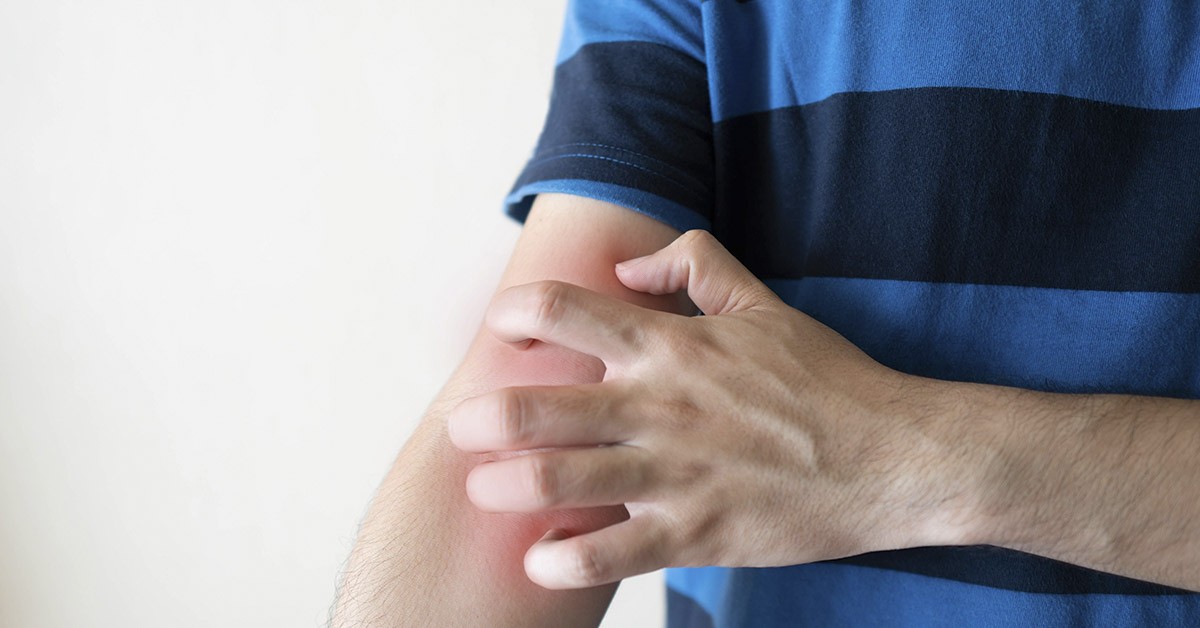
Across the globe, a microscopic parasite is quietly impacting the daily lives of millions, manifesting as red spots on skin and causing persistent discomfort. Though it rarely poses life-threatening risks, its stubborn nature, high contagion factor, and frequent misdiagnosis have contributed to global underestimation of the condition’s true burden. Sarcoptes scabiei, commonly referred to as scabies, is recognized by the World Health Organization (WHO) as a neglected tropical disease, estimated to affect 200 million people annually. Despite the availability of effective treatments, delayed diagnoses lead to intensified symptoms, disrupted sleep, secondary infections, and diminished quality of life. Understanding the scientific and medical facts about scabies is vital for effective prevention, early identification, and treatment.
Spot the Warning Signs
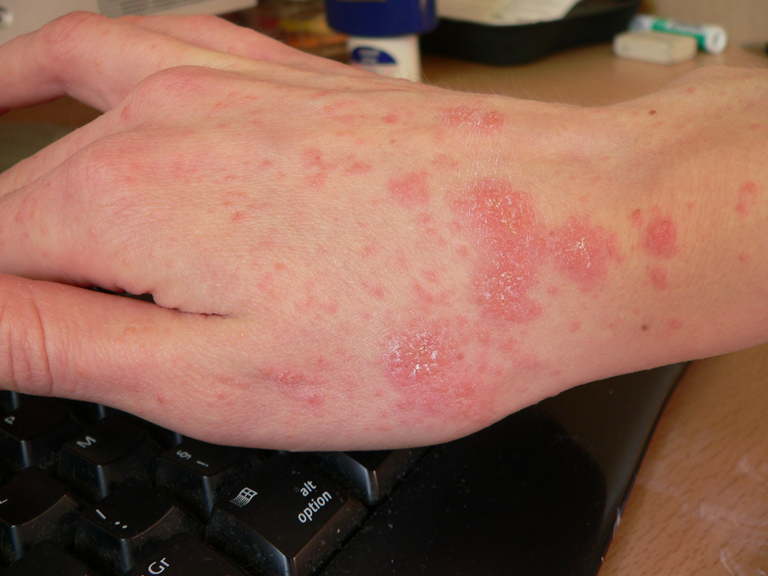
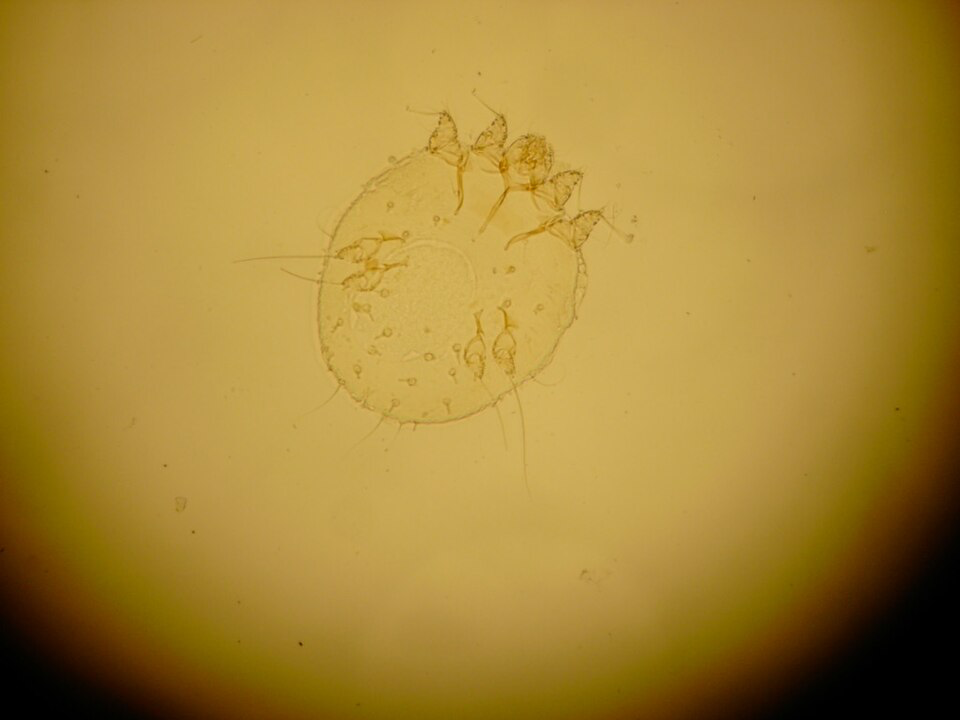
Scabies is caused by Sarcoptes scabiei, a mite invisible to the naked eye but capable of profound effects on the skin. These mites are most active at night, burrowing into the epidermis and laying eggs. Initial signs include small red spots and thin, serpentine lines often grouped in clusters resembling pimples, bug bites, or tiny blisters. Typical areas for symptom development include the spaces between fingers, wrists, elbows, armpits, waist, and genital regions. In pediatric cases, scabies rash can also appear on the face, scalp, palms, and soles. The clinical presentation can differ both by age and immune status. Scratching—which is a common response to the intense itching the mites provoke—often results in sores that are prone to bacterial infection. Notably, symptoms may not emerge for four to six weeks after initial exposure, especially in individuals with no prior history of scabies.
Understand What Makes This Unique
The clinical appearance of scabies can easily be confused with eczema, hives, contact dermatitis, or other dermatological conditions. Practitioners and patients alike often miss the diagnosis during the initial presentation because symptoms closely mimic these common rashes. However, without targeted anti-parasitic therapy, scabies symptoms persist and may worsen over time. The hallmark of scabies is the intense pruritus triggered by the immune system’s allergic reaction to the mites, their eggs, and their waste products. Scratching exacerbates itching and increases the risk of secondary infections such as impetigo, particularly in vulnerable populations.
For individuals experiencing scabies for the first time, the interval between infestation and symptom onset is longer—usually two to six weeks—while those previously exposed can develop symptoms within one to four days. There is also a severe variant known as crusted or Norwegian scabies, which results in thick, crusty lesions teeming with thousands of mites. This form is particularly challenging to treat, highly contagious, and can affect individuals with weakened immune systems or neurological impairments.
Discover How It Spreads
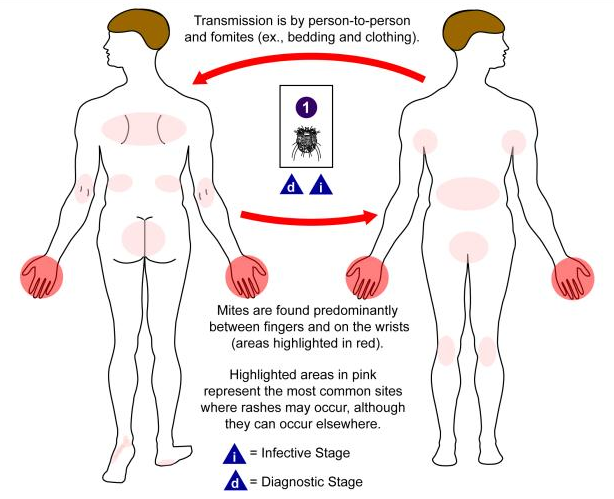
Scabies spreads efficiently in environments dominated by close human contact, such as nursing homes, prisons, schools, daycares, and households. The primary transmission route is prolonged skin-to-skin contact, although the mites can survive for up to three days on bedding, clothing, or upholstered furniture in cooler, humid conditions. Because the symptoms develop gradually, many individuals inadvertently transmit the mites before they even realize they are infected. Outbreaks frequently occur in care facilities, correctional institutions, and similar facilities due to the dense populations and frequent contact.
Importantly, scabies does not spread through mere proximity or poor hygiene: it is not a disease of uncleanliness but of prolonged physical contact. The mites are incapable of jumping or flying and move on skin at approximately one inch per minute. While a very limited subset of Sarcoptes mites can affect animals, human scabies is almost exclusively caused by the human-specific species and cross-species infestations are rare and typically self-limiting.
Get the Right Diagnosis Fast

Prompt medical evaluation is imperative when persistent itching disrupts sleep or multiple household contacts become symptomatic. The gold standard for diagnosis is direct visualization of the mite, its eggs, or fecal pellets (scybala) via skin scraping followed by microscopy. The WHO recommends that in endemic areas, a clinical diagnosis based on characteristic rash distribution and history of itching can expedite treatment while further confirmation is obtained. Diagnostic tools, such as dermatoscopy, can aid in identifying typical burrows and mite presence. Accurate diagnosis is critical because many rashes can appear similar, leading to under-treatment or even overtreatment if not carefully distinguished.
Apply the Right Medications for Scabies Symptoms
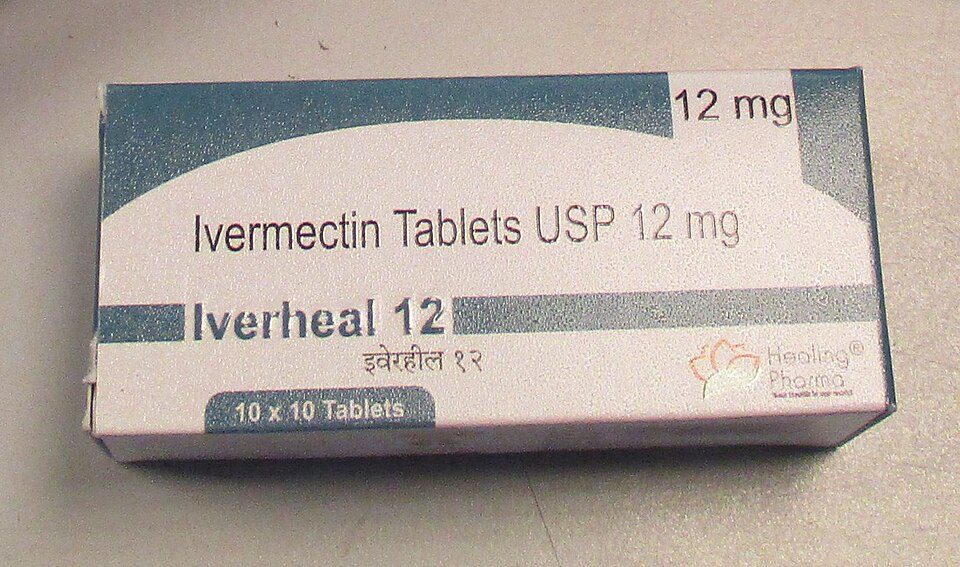
The cornerstone of scabies treatment is topical permethrin 5% cream, which should be applied uniformly to the entire body from the neck down and left overnight for 8 to 12 hours. Every member of the household must be treated simultaneously, regardless of whether they display symptoms, as asymptomatic carriers can perpetuate transmission. A second application 7 to 10 days after the initial treatment is essential to eliminate newly hatched mites. Oral ivermectin is reserved for refractory cases or severe crusted scabies and is particularly useful in institutional outbreaks.
Special populations—such as infants, pregnant women, and elderly adults—require adjusted protocols to ensure both efficacy and safety. After successful eradication, itching can linger for one to two weeks due to residual skin inflammation. Supportive therapy, including calamine lotion or antihistamines, can ease discomfort during recovery. Expert consensus and peer-reviewed guidelines endorse permethrin as the initial therapy, with careful adherence to application instructions on dry skin to maximize efficacy.
Win the Home Front Battle Against Red Spots on Skin

Environmental decontamination plays a crucial role in preventing reinfestation after treatment. Wash all bedding, clothing, and towels in hot water at 50°C (122°F) and dry on high heat for at least 20 minutes. Non-washable items should be sealed in plastic bags for seven days to ensure mite death. Vacuuming carpets and upholstered furniture is strongly advised, and the vacuum bag should be discarded immediately. The bedroom is a primary focus, as mites frequently congregate there on bedding and pillows. Once the first round of treatment is completed, individuals can return to work or school—scabies is not typically considered a reason for extended isolation. Insecticide sprays or “bug bombs” are not recommended, since mites die quickly without a human host.
Prevent Treatment Failures
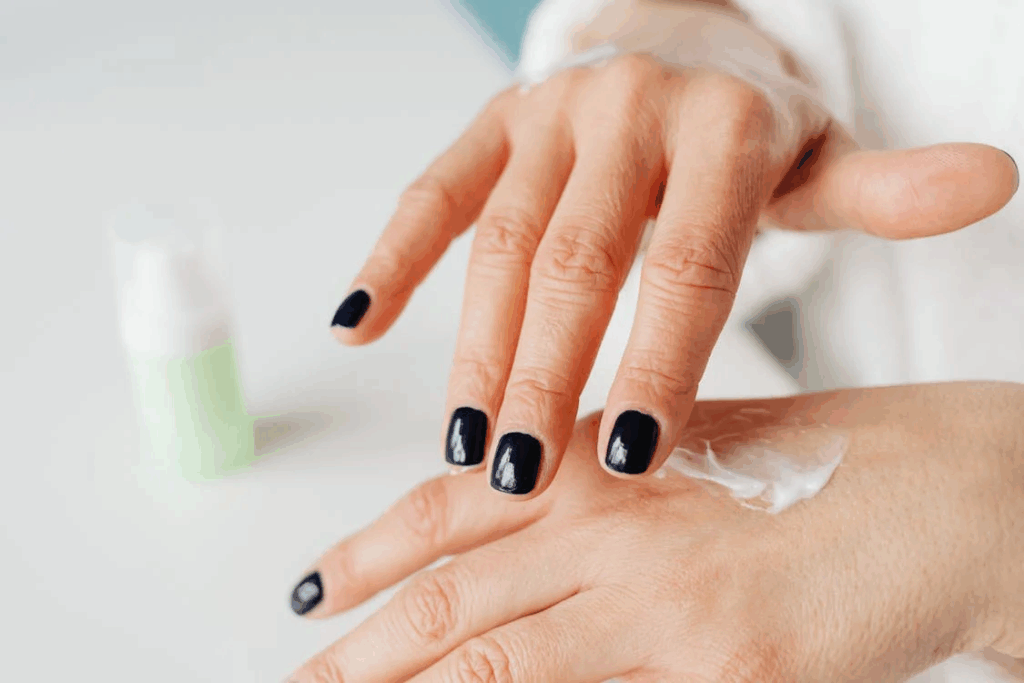
Adherence to treatment protocol, including completion of both applications and simultaneous treatment of all close contacts, is essential. Residual itching may persist despite successful parasite elimination, as dead mite material can provoke ongoing immune reactions. Treatment failures often stem from incomplete coverage during topical application or missed doses, so every area of skin—including beneath fingernails, soles of feet, and behind ears—should be treated thoroughly. If symptoms persist beyond four weeks or recur, reevaluation by a healthcare provider is necessary for possible reinfection or resistant scabies. Additionally, avoiding contact with untreated individuals is crucial to limiting further spread.
Recognize When to Get Additional Help for Scabies Symptoms

Medical intervention should be sought immediately if fever, pain, or persistent red spots occur, especially if these are accompanied by signs of secondary infection (such as pus, swelling, or warmth). Populations with weakened immune systems—including HIV/AIDS patients, transplant recipients, or the elderly—may require tailored treatment plans and added vigilance for complications. Crusted scabies, in particular, is highly infectious and often necessitates combination therapy with both topical and systemic agents. Bacterial superinfections require swift antibiotic therapy to prevent dangerous consequences such as cellulitis or sepsis.
Psychological impacts, including stress and sleep disturbances, are common among individuals affected by scabies. Support groups, counseling, and access to credible medical information can ease anxiety as recovery progresses. If unusual reactions to medicines occur, immediate consultation with a healthcare provider is imperative. Research indicates that effective management and adequate support restore skin health and general well-being for most patients.
Follow Your Road to Complete Recovery
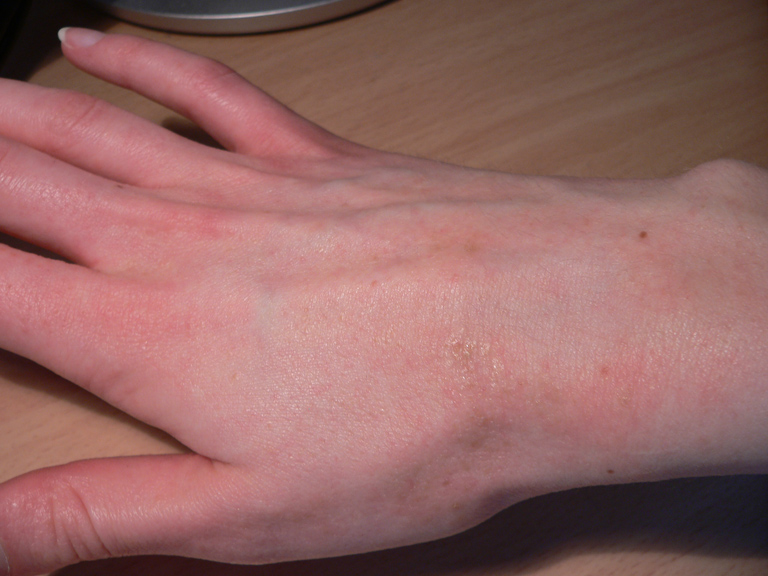
Timely treatment initiation after diagnosis is the key to successful scabies resolution. Alerting close contacts and encouraging them to seek medical evaluation are vital steps in controlling outbreaks. Recovery requires patience; with strict adherence to therapeutic guidelines and environmental controls, nearly all cases resolve within several weeks. Early detection and intervention prevents severe complications and breaks the cycle of transmission. Routine medical follow-up, particularly in institutional settings, ensures sustained control and reduces risk of recurrent outbreaks.
Read More: 10 Reasons You Have an Itchy Bum – and When to See a Doctor
Sources
Disclaimer: This content is intended for entertainment purposes only and is not based on real events.