
A Healthier Choice Gone Wrong: How Vaping Led to Severe Lung Damage
Vaping has long been promoted as a less harmful alternative to traditional cigarette smoking. Many individuals, aiming to quit smoking, turn to e-cigarettes and related products in hopes of reducing their exposure to toxic substances. Yet, mounting evidence and patient stories challenge the narrative that vaping is a safe solution. The case of Loyda Cordero Faliero, a 39-year-old mother from Franklinville, New York, serves as a stark example of the serious and sometimes life-threatening health risks associated with vaping.
Faliero’s Transition from Smoking to Vaping

For over two decades, Faliero was a cigarette smoker. Concerned about her health and eager to set a better example for her family, she decided to quit. Like millions of former smokers, she turned to vaping, accepting popular claims that it offered a healthier alternative. In her own words, “I was proud of myself for quitting cigarettes. I thought vaping would be the healthier option.” However, her journey to improved health took a troubling turn. Faliero began vaping frequently—sometimes almost constantly throughout the day—believing it was harmless compared to traditional tobacco use.
Within eighteen months of making the switch, Faliero started to notice unfamiliar and escalating health problems. She experienced breathlessness, dizziness, nausea, and persistent chest pain. These symptoms, initially brushed off as stress or minor ailments, worsened over time. The situation became critical in March 2025, when she choked on a sip of water and was rushed to the emergency room. Extensive medical examination revealed that her lungs had developed dangerous air pockets, medically known as pulmonary bullae, deeply affecting her quality of life.
Severe and Sudden Lung Complications

Doctors diagnosed Faliero with bullous emphysema, a severe manifestation of chronic obstructive pulmonary disease (COPD). This condition involves the formation of large, air-filled sacs—bullae—in the lung tissue. These can burst or compress healthy sections of the lung, leading to collapse and sudden respiratory crises. Importantly, while such damage is often associated with longstanding cigarette use, Faliero’s doctors pointed to vaping as the main culprit in her case.
Explaining her diagnosis, Faliero recounted that her lung collapse resulted from the accumulation of fluid vapors and inflammation provoked by her vaping habit. “My lung collapsed because it was building up with the liquid from my vape,” she shared. “One of the bullae ruptured, and it could have killed me instantly.” Her experience highlights a lesser-known but severe side effect of vaping—lung tissue damage leading to life-threatening emergencies.
Understanding Bullous Emphysema: Causes and Medical Insights
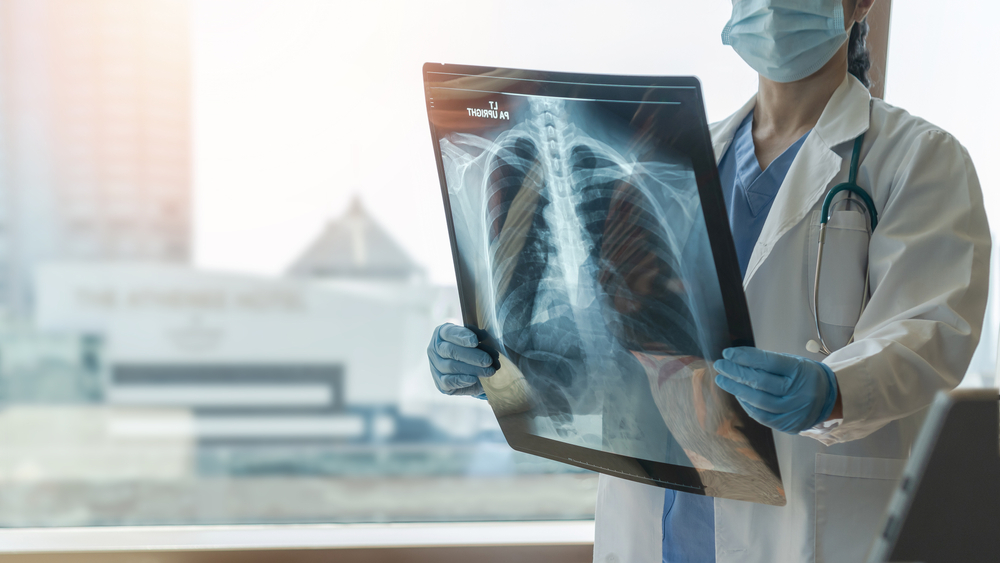
Bullous emphysema remains an uncommon but grave health condition. Traditionally, it is predominantly linked to active or historical heavy cigarette smoking, which introduces toxic substances into the lungs, weakening and destroying the air sacs over time. New research indicates that inhaling aerosols and chemicals found in e-cigarette vapor can also contribute to lung cell damage, inflammation, and subsequent structural changes in the lungs. According to the Cleveland Clinic, the spectrum of lung disease now observed by pulmonologists increasingly includes cases related to vaping products.
The growing body of evidence suggests that the inhalation of propylene glycol, glycerin, nicotine, and various flavorings may disrupt normal cell function in lung tissue. Repeated exposure may initiate or accelerate the processes leading to emphysema even in younger, relatively healthy individuals with no prior history of lung disease.
Complications and Long-Term Consequences

The seriousness of Faliero’s lung condition necessitated immediate and drastic medical intervention. Her doctors recommended surgical removal of the largest and most unstable bullae. Until then, she was instructed to avoid sleeping or lying flat, as this position could increase the risk of suffocation or choking on her saliva. “If I lay down when sleeping instead of sitting up, I can choke to death on my own spit or suffocate and die,” Faliero explained, underscoring the ongoing physical danger she faced each night.
The risk of spontaneous lung collapse and sudden suffocation dramatically altered Faliero’s daily routine and quality of life, presenting new challenges for herself and her family.
The Profound Impact on Daily Life

Beyond the acute medical emergencies, the lasting effects of bullous emphysema have significantly hindered Faliero’s everyday life. Medical advice has restricted her from even modest physical activity. Tasks as routine as carrying a gallon of milk, cooking, or washing dishes now provoke severe pain and breathlessness.
“They say even lifting a gallon of milk is overdoing it for my body because of the way my lung has collapsed. I can’t even cook dinner or stand up to do dishes because by the time I’m done, I’m literally crying in pain and gasping for air.” These profound limitations have forced drastic readjustment to her lifestyle and forced other family members to shoulder additional responsibilities.
For Faliero, the irony is stark: her effort to make a positive change for her health resulted in unforeseen and devastating consequences. “I quit something thinking that it was going to be healthier, but unfortunately, it destroyed me more than it benefited me,” she reflected.
A Cautionary Tale: Raising Awareness About Vaping
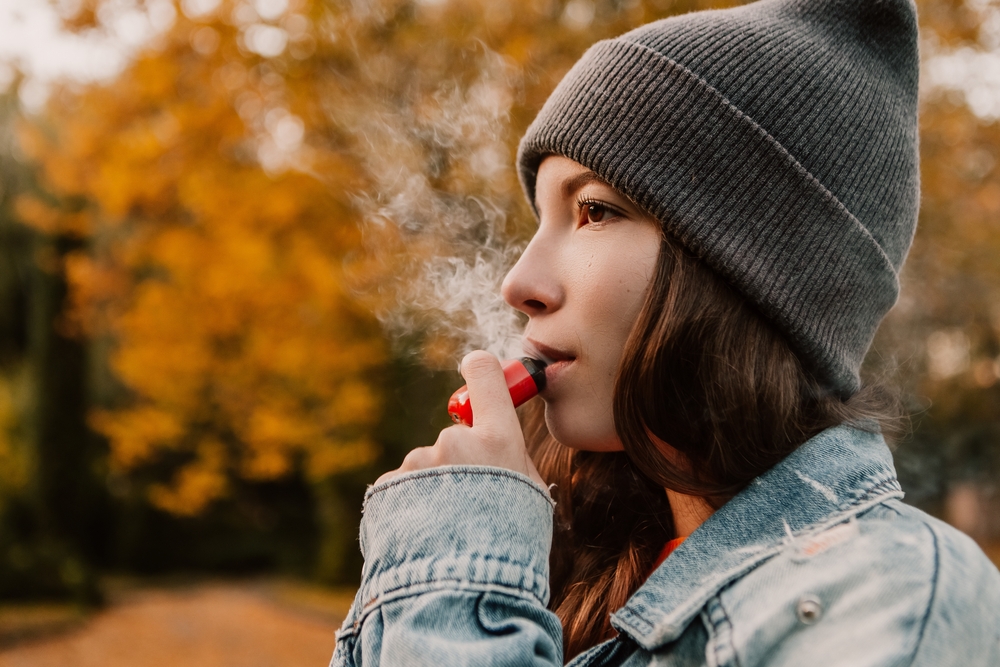
Faliero has chosen to share her story in an effort to warn others. She acknowledges her mistaken belief in the relative safety of e-cigarettes and wants others to be better informed. “I want people to understand that vaping isn’t harmless. It’s not just water vapor,” she warned. Her medical team’s prognosis suggested that, had she continued vaping, she could have soon required life support or faced fatal complications within a few years.
Her experience underscores the urgency of educating the public—particularly former smokers and young people—about the potential dangers of vaping. Seemingly small health decisions can have far-reaching and irreversible effects. “Basically, I’m on my deathbed and it’s a ticking time bomb waiting to go off,” Faliero described, emphasizing that every user should be aware of the full spectrum of risks.
Expert and Regulatory Perspectives on Vaping Risks
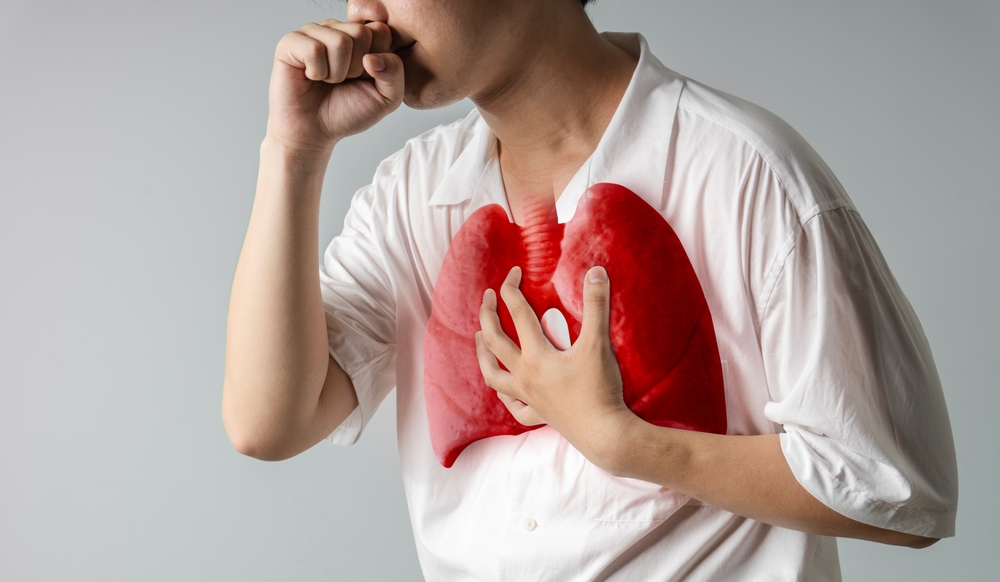
Vaping devices heat and aerosolize substances containing nicotine, chemical flavorings, and carrier liquids before they are inhaled deep into the lungs. Unlike traditional cigarettes, these products do not produce tar, but they do expose the respiratory tract to other potentially toxic chemicals. Scientific studies have documented that vaping can provoke inflammation of the lung tissue, disrupt the immune response, and increase susceptibility to acute respiratory distress and chronic disease.
Severe and acute health conditions, like vaping-associated lung injury (VALI), have appeared in multiple countries, prompting international health agencies to investigate. The U.S. Centers for Disease Control and Prevention (CDC) and the World Health Organization (WHO) recognize vaping as a potential contributor to respiratory illnesses, some of which have led to fatalities.
Additional concern surrounds regulatory differences across countries. In the United States, vaping liquids often contain higher concentrations of nicotine and less stringent controls on additives compared to the United Kingdom and European Union. This regulatory variability can impact public health outcomes, especially among young or novice users who may underestimate the additive risks posed by different formulations. Ongoing research seeks to clarify the precise mechanisms by which vaping harms the lungs and to develop better guidelines for safer products or alternatives.
Vaping: Weighing Perceived Benefits Against Documented Risks
Initial studies suggested vaping could reduce exposure to certain known carcinogens found in traditional cigarettes. For some long-term smokers, switching to vaping has facilitated harm reduction or provided a path to eventual nicotine cessation. However, stories like Faliero’s, along with emerging scientific research, reveal that e-cigarettes are not free of risk—and in some cases, may result in severe, permanent health problems.
Health experts now urge individuals to consider all available information before using vaping products. Alternative proven methods such as nicotine replacement therapies, counseling, and behavioral interventions remain the safest evidence-based approaches for quitting smoking. The public is encouraged to remain cautious of marketing claims and to consult healthcare professionals regarding the risks associated with all forms of nicotine consumption.
Conclusion
Loyda Cordero Faliero’s experience serves as a powerful reminder that switching from cigarettes to vaping does not guarantee safety. While her intent was to safeguard her health and wellbeing, the unforeseen consequences of chronic vaping led to severe lung damage, dramatic lifestyle changes, and a daily struggle for survival. Her story, supported by growing research, underscores the need for public awareness, regulatory vigilance, and further scientific inquiry into vaping’s long-term health effects.
As Faliero poignantly states, “I quit something thinking that it was going to be healthier, but unfortunately, it destroyed me more than it benefited me.” Her hope is that telling her story will inform others, prompting careful consideration and genuinely informed choices before it’s too late.
Sources
- Centers for Disease Control and Prevention (CDC)
- World Health Organization (WHO)
- Cleveland Clinic
- Reuters
- BBC News
- The Guardian
- Mayo Clinic
Disclaimer: This content is intended for entertainment purposes only and is not based on real events.