Good Sleep Habits: The Foundation of a Restful Night
Establishing and maintaining good sleep habits is the cornerstone of achieving consistent, restorative sleep. A growing body of scientific research demonstrates that both your bedroom environment and your daily routines play essential roles in shaping the quality of your sleep. From crafting a tranquil bedtime atmosphere to fostering healthy routines through the day, sleep hygiene involves a series of practices designed to optimize your chances of sleeping soundly at night.
Yet, even with disciplined sleep habits, many find themselves disturbed by unexpected awakenings during the night. These disruptions are not only frustrating, but they can also contribute to a cycle of anxiety and fatigue if not addressed properly. Sleep experts have identified a particularly common yet often overlooked mistake people make when attempting to return to sleep: checking the time after waking up. In this article, we’ll delve deep into the science of sleep interruptions, how certain behaviors can disrupt your rest, and the actionable strategies suggested by experts to improve your sleep hygiene.
The Silent Sleep Saboteur

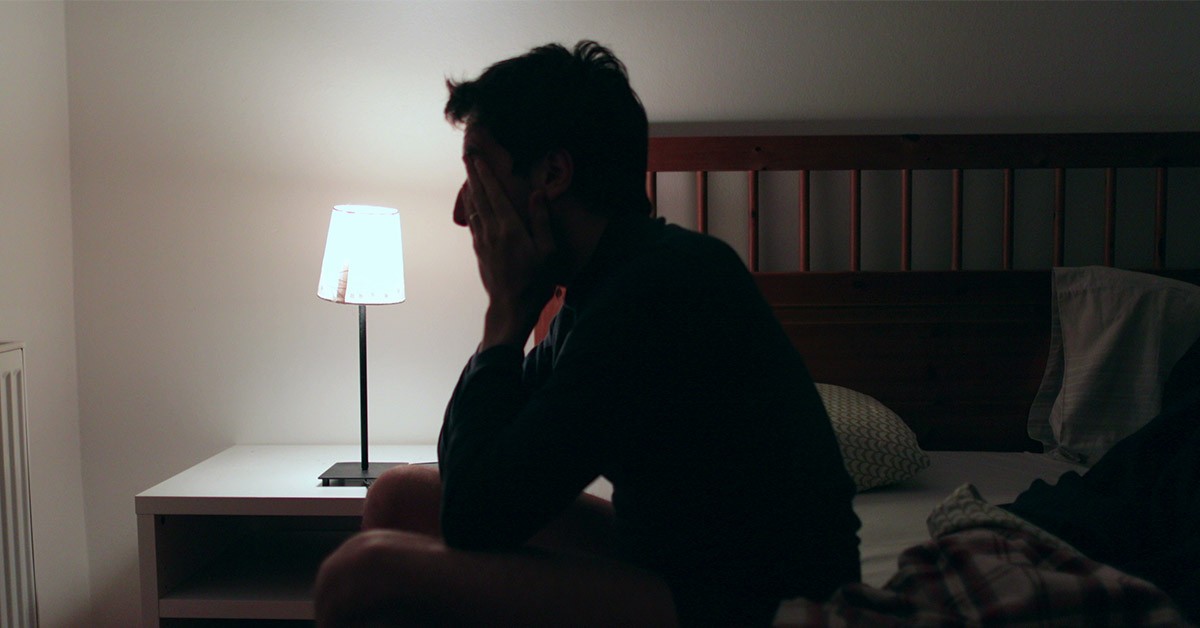
It’s a scenario many are familiar with: you wake up in the middle of the night, perhaps after a dream or a noise in the room, and instinctively reach for your phone or glance at your clock to check the time. This action, while seemingly harmless, is flagged by sleep specialists as a significant disruptor to successful sleep.
According to leading sleep experts, checking the time when you awaken at night can actually sabotage your ability to return to sleep. “Turn your alarm clock to face the wall and resist the temptation to check the time on your smartphone,” recommends Dr. Rachel Salas, a sleep neurologist. “Counting the minutes of missed sleep increases stress and anxiety, which could delay your return to slumber.”
By looking at the clock, you begin to calculate the sleep you have lost and the time remaining until you need to wake up. This tendency to track minutes contributes to cognitive arousal—and, commonly, anxiety about potential fatigue the next day. Furthermore, using electronic devices to check the time exposes your eyes to blue and green light. Research published in peer-reviewed journals has repeatedly shown that this kind of light suppresses melatonin production and signals the brain to become more alert, making it even harder to drift back to sleep.
As sleep researcher Dr. Charles Czeisler notes: “Exposure to blue and green light from your clock, phone, tablet, or computer can make you feel more alert.” Even small doses of such light at night can shift your natural sleep cycle and delay sleep onset, especially if you struggle with insomnia. In short, one of the best things you can do in the middle of the night is resist the temptation to check the time.
What Happens When You Wake Up at Night?

Nighttime awakenings are a natural part of human sleep architecture, and understanding why they occur can help you respond appropriately. Scientific findings show that adults typically wake up between 10 and 12 times per night. The vast majority of these awakenings are so brief—usually less than three minutes—that you rarely remember them when you rise in the morning.
According to renowned sleep scientists from institutions like the National Sleep Foundation, these micro-arousals are tied to evolutionary survival mechanisms and shifts in sleep phases. However, the waking experience is different depending on when in the night it occurs. During the second half of the night, as you cycle through lighter stages of sleep more frequently, your brain is more susceptible to stress reactions.
Importantly, your brain’s frontal lobe—the area responsible for logic and emotional self-regulation—isn’t fully activated during these awakenings. Instead, the limbic system, which orchestrates emotional responses like fear and anxiety, becomes more dominant. That’s why waking up at 3 a.m. can make small worries seem overwhelming, and why it’s challenging to regain your composure enough to fall back to sleep. Understanding these changes can help you approach sleep disruptions more compassionately and avoid self-blame.
What You Should Do Instead

Sleep doctors advocate for a strategic approach if you find yourself unable to drift back to sleep after what feels like 20 minutes. “If you don’t fall back asleep after what feels like 20 minutes have gone by, get up,” advises Dr. Charlene Gamaldo, medical director at the Johns Hopkins Center for Sleep. “Sit in a comfortable chair in another room. Read a book, with just enough lights on so that you can see the print comfortably.”
The point is to engage in a calming, non-stimulating activity that soothes you without reintroducing the blue light and digital stimulation that screens provide. Other relaxation strategies include listening to soft music, stretching gently, or writing in a journal. These activities foster relaxation and give your body a chance to become naturally drowsy.
It is advisable to avoid screens entirely, as the blue light emitted from devices like phones and tablets suppresses the endogenous production of melatonin, a hormone vital to regulating your sleep-wake cycles. Only return to bed when you truly feel sleepy. This prevents your brain from associating your bed with wakefulness or frustration, which could reinforce insomnia over time.
“It’s important not to stay in bed, even if you’re reading. Doing this will lead your brain and body to associate your bed with wakefulness instead of with sleep,” say experts from the Sleep Foundation. Creating a strong connection between your bed and sleep is a cornerstone of cognitive behavioral therapy for insomnia—a highly effective, evidence-based approach to breaking sleep difficulties.
Read More: The cancer symptom that strikes at night – and 13 other signs you need to know
Keeping Sleep Disruptions in Perspective

Many people catastrophize after a poor night’s sleep, worrying that daytime functioning will be dramatically compromised. However, experts highlight the importance of maintaining perspective. According to Dr. Michael Grandner, director of the Sleep and Health Research Program at the University of Arizona, “The reality is that you will likely get back to sleep and you will be okay tomorrow. People don’t realize that you can typically function after a night of poor sleep.”
While you may feel sleepier, notice reduced patience, or experience a more tiring workout, occasional sleep disturbances are rarely catastrophic. The sleep system is remarkably self-correcting. Research demonstrates that after a night of suboptimal sleep, most people tend to experience deeper rest the following night thanks to what is called “sleep pressure.” Trying to nap excessively, sleep in late, or go to bed unusually early can inadvertently disrupt your circadian rhythm and set the stage for subsequent nights of poor sleep.
Instead, experts recommend sticking as closely as possible to your normal routines during the day, trusting your body’s biological sleep regulatory mechanisms to recalibrate naturally.
Building Better Sleep Hygiene

- Set a consistent sleep schedule: Go to bed and wake up at the same times each day, even on weekends. Research by the Sleep Foundation highlights that a stable wake-up time is among the most powerful regulators of your sleep-wake cycle.
- Create a calming bedtime routine: Set aside at least 30 minutes before bed for wind-down activities. Gentle stretching, reading, or meditating cultivate relaxation and make it easier to fall asleep.
- Optimize your bedroom: Design your environment to support sleep by making it cool, dark, and quiet. Use blackout curtains, consider a white-noise machine if needed, and ensure your mattress and pillow provide suitable support. According to sleep science, even subtle improvements in your bedroom can make a measurable difference in sleep quality.
- Limit stimulants: Avoid caffeine for at least six hours before bedtime, as studies show it can remain in your system for a prolonged period. While alcohol might initially induce drowsiness, it often leads to fragmented sleep later in the night.
- Manage stress and exercise regularly: Regular physical activity contributes to improved sleep but try to schedule workouts earlier in the day. Practicing relaxation techniques like deep breathing, progressive muscle relaxation, or mindfulness can further ease your transition to sleep.
When to Seek Help for Sleep Problems

Nighttime awakenings are often benign, but persistent or severe sleep issues may point to an underlying medical, psychiatric, or sleep-specific disorder. Consult a licensed healthcare provider if you regularly have difficulty falling asleep, wake up frequently and have trouble returning to sleep, or if you feel excessively fatigued during the day despite adequate time in bed.
Loud, chronic snoring, gasping for air, or symptoms of restless legs may also necessitate evaluation by a sleep specialist. “Sleep hygiene alone will not cure sleep problems,” emphasizes the Sleep Foundation. “If you have long-lasting or severe sleeping problems, it’s best to talk with a doctor.” In many cases, effective treatments are available, ranging from cognitive behavioral therapy to medications and interventions for conditions like obstructive sleep apnea.
Read More: Why Showering at Night Is Better Than in the Morning
Conclusion
The science of sleep underlines the value of consistent routines, a supportive bedroom environment, and gentle nighttime strategies for achieving restful slumber. By avoiding actions that inadvertently increase alertness—such as checking the time during night awakenings—and implementing expert-recommended practices, you can build a more resilient and restorative sleep pattern over time. Treat occasional disruptions as normal, and seek professional guidance if sleep difficulties persist. With evidence-based changes, most individuals can develop the habits necessary to support lifelong sleep wellness.
Sources
- Sleep Foundation
- Johns Hopkins Medicine
- Healthline
- Centers for Disease Control and Prevention (CDC)
- Mayo Clinic
- BBC
Disclaimer: This content is intended for entertainment purposes only and is not based on real events.