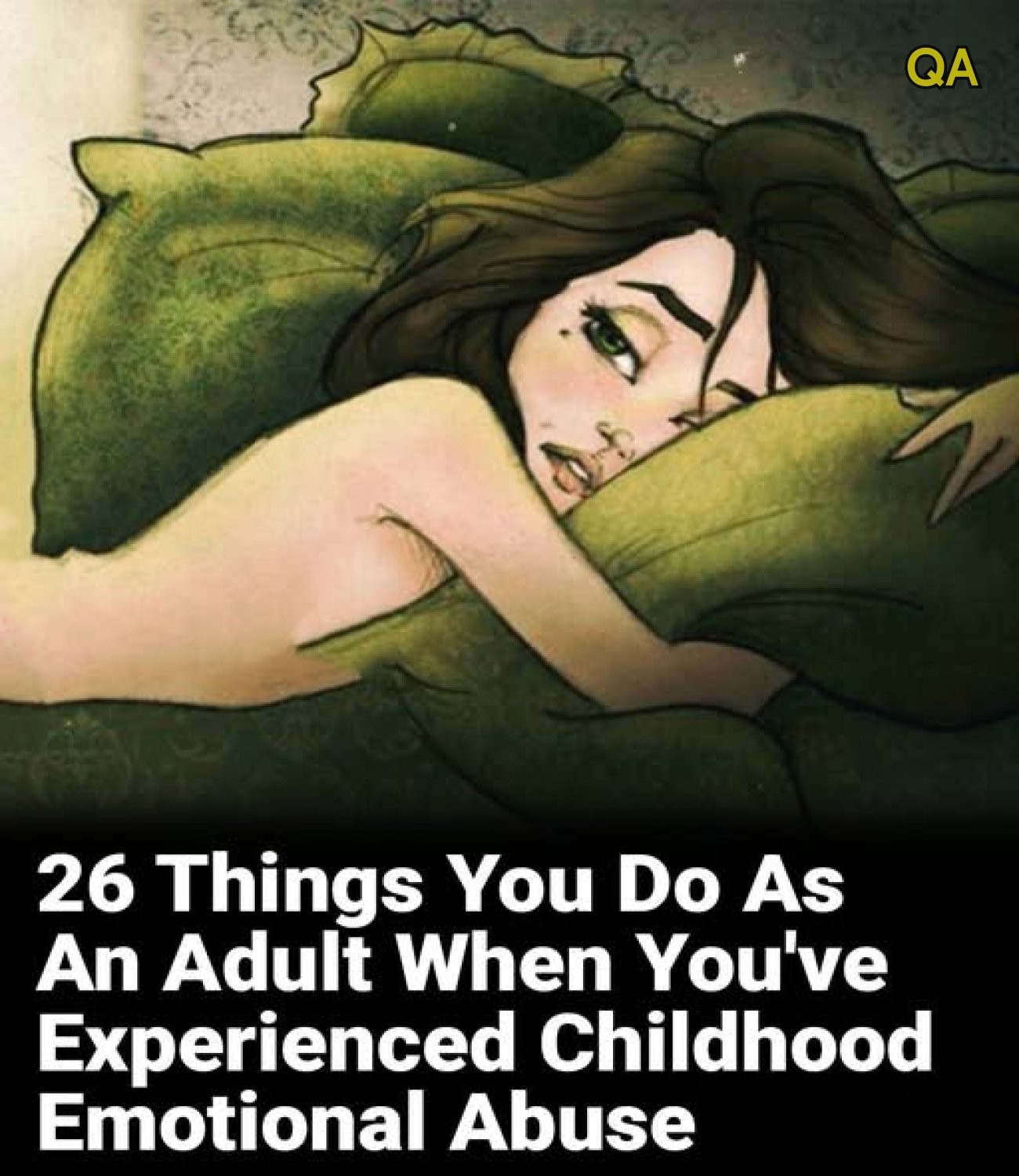
How We Were Raised Shapes Our Adult Coping Skills: 26 Lasting Behaviors From Emotional Injustice
The experiences that shape our childhood form the foundation for how we perceive, react, and cope with the world as adults. Research in developmental psychology has long established that children who experience emotional injustice—such as neglect, manipulation, or verbal maltreatment—often carry forward specific coping mechanisms into adulthood. Understanding these behaviors is a crucial step toward healing, improved relationships, and personal growth.
Childhood Emotional Injustice: Definitions and Context
Emotional injustice in childhood refers to an environment where a child’s emotional needs are neglected or abused—a situation that includes belittling, chronic criticism, rejection, isolation, or manipulation. According to the NSPCC and reports from the American Psychological Association, such adverse experiences can have profound effects on emotional development, self-esteem, and interpersonal relationships.
For many, recognizing these learned behaviors is the first step toward understanding their roots and seeking support. Below, we explore 26 common behaviors observed in adults who grew up experiencing emotional injustice, supported by scientific research and expert commentary.
1. Asking Questions Despite Knowing the Answer
Uncertainty and self-doubt are common outcomes of emotional belittling. Individuals who were frequently criticized may find themselves questioning even what they know. This tendency to seek constant reassurance is a coping mechanism to avoid further criticism and negative consequences.
2. Overusing Apologies
Apologizing excessively often signals a deep-rooted belief that one is inherently wrong or responsible for conflicts. This self-blaming behavior is frequently observed in those who were made to feel inadequate as children, regardless of actual fault.
3. Chronic Second Guessing
Growing up in a chaotic or unpredictable emotional environment can disrupt one’s ability to trust their judgments. Adult survivors of childhood emotional injustice may frequently question their decisions, anticipating negative outcomes even without evidence of imminent danger.
4. Tough Yet Highly Sensitive
Lasting hardship fosters resilience, but it also heightens sensitivity to emotional stimuli. Many adults learn to cope with adversity but remain deeply attuned to their own emotions and the moods of others, sometimes to a fault.
5. Indecisiveness
Consistently being told that one’s choices are wrong can result in chronic indecisiveness. Adults with such backgrounds may struggle to make decisions for fear of criticism, making daily life more stressful.
6. Self-Discipline and Perfectionism
Some compensate for childhood scrutiny by overachieving and striving for perfection. High levels of organization, timeliness, and cleanliness can be expressions of a desire to please others and avoid negative attention.
7. Sensitivity to Loud Noises
A history of being yelled at or subjected to loud arguments can create long-term sensitivities. Loud noises may trigger anxiety or fear, as they are unconsciously associated with memories of distress.
8. Introverted Tendencies
Many adults retreat inward, choosing solitude over social interaction. This self-imposed isolation can serve as both protection and a sign of learned distrust, cultivated by exposure to emotional harm.
9. Defensive Reactions
Constant exposure to negative evaluations can lead adults to react with defensiveness, assuming criticism even in neutral interactions. This ‘armor’ serves to pre-empt further emotional hurt.
10. Attachment Issues
Fear of abandonment often surfaces in relationships. Individuals may become clingy, have trouble trusting others, or otherwise struggle with emotional intimacy due to concerns that those they care about will eventually leave them.
11. Discomfort With Eye Contact
Making and maintaining eye contact can provoke anxiety for those who grew up feeling exposed and vulnerable. Avoidance may function as a protective tactic against perceived scrutiny or judgment.
12. Avoidance of Conflict
Having associated conflict with anxiety, many choose to evade confrontation altogether. Withdrawal becomes preferable to facing the discomfort and potential emotional fallout of disagreements.
13. Self-Criticism and Internal Blame
Adults who experienced manipulation may internalize blame, turning criticism inward and engaging in negative self-talk even when unwarranted. This erodes self-confidence and reinforces harmful beliefs.
14. Difficulty Developing Close Relationships
Establishing trust and emotional closeness becomes challenging when early role models were sources of pain rather than protection. Survivors of emotional injustice may shy away from intimacy or vulnerability with others.
15. Quietness and Lack of Assertion
A muted voice often reflects the impact of being repeatedly silenced or ignored. Adults may avoid speaking up, feeling their perspectives have little value.
16. Inability to Accept Compliments
Compliments can feel uncomfortable or unwarranted when one has been conditioned to doubt their worth. It is common to question the sincerity or accuracy of positive feedback.
17. Low Self-Esteem
Pervasive feelings of inadequacy often stem from emotional neglect or criticism in youth, manifesting as poor self-image and lack of self-assurance in adulthood.
18. Feeling Invalidated
Chronically doubting one’s abilities or right to occupy space in the world reflects deep-seated patterns of invalidation. Validation from others may be overlooked or dismissed.
19. Anxiety and Nervousness
Heightened vigilance and anxiety are adaptive responses to unpredictable or traumatic environments. Even mild stressors may elicit outsized nervousness in adulthood.
20. Repressed or Unmanaged Anger
Suppressed anger is common in those who witnessed or experienced rage without safe outlets for expression. This can lead to unexpected outbursts, or conversely, difficulty feeling or articulating anger at all.
21. Self-Harming Behaviors
In some cases, unresolved emotional pain leads to self-harming behaviors as an attempt to cope or exert control. If you or someone you know is struggling with self-harm, seek professional help immediately.
22. Unpredictable Mood Swings
Living in stressful environments can desensitize emotional regulation, resulting in rapid or unpredictable mood changes. Coping with ongoing emotional turbulence takes a physiological toll.
23. Dissociation and “Auto-Pilot”
Dissociation—temporarily disconnecting from the present—allows individuals to cope with overwhelming experiences. Adults may find themselves “zoning out” or unable to recall parts of their day, a defense developed in early life.
24. Commitment Issues
Difficulty trusting others leads to challenges in forming lasting commitments. The fear of being hurt or abandoned may outweigh the desire for connection, causing avoidance or withdrawal in relationships.
25. Risk of Addictive Behaviors
Studies indicate that addiction can develop as a means of coping with emotional or psychological pain. This may involve substances or behaviors such as drinking, eating, gambling, or excessive work.
26. Humility and Resilience
Despite the wide range of challenges, many adult survivors of emotional injustice demonstrate humility. Gratitude for positive experiences and a deep sense of empathy can result from overcoming substantial adversity.
Expert Insights and Guidance for Healing
Leading experts emphasize the importance of recognizing and understanding these coping mechanisms. Books like “The Body Keeps the Score: Brain, Mind, and Body in the Healing of Trauma” by Bessel van der Kolk and “Adult Children of Emotionally Immature Parents” by Lindsay C. Gibson offer valuable insights into the ways trauma impacts emotional regulation, and provide science-based strategies for recovery.
Therapy with trained mental health professionals, participation in support groups, and engaging in self-help programs are often recommended paths toward healing. Learning to set boundaries, build self-esteem, and cultivate healthy relationships can foster lasting positive change. For more resources and information on recognizing, preventing, and recovering from emotional abuse, visit the NSPCC and similar organizations.
Societal and International Perspectives
Globally, awareness of childhood emotional injustice and its long-term effects is increasing. Modern psychology is integrating trauma-informed care models into education, health services, and child welfare systems. Countries and organizations such as the World Health Organization, CDC, and UNICEF advocate for early intervention, parental education, and mental health support to reduce rates of emotional abuse and to assist those affected in recovery.
Understanding these emotional legacies is not about attributing blame, but empowering adults to recognize and reshape patterns toward healthier, more resilient lives. With awareness, compassion, and access to support, healing is not only possible but probable.
Sources
- NSPCC – Emotional Abuse: Signs, Symptoms, Effects
- CDC – Emotional Abuse Facts
- American Psychological Association – Child Emotional Maltreatment
- World Health Organization – Child Maltreatment
- BBC – How Childhood Trauma Can Affect Health Across a Lifetime
- Paracelsus Recovery – Underlying Issues of Addiction: Emotional Abuse
- The Guardian – Child Protection
Disclaimer: This content is intended for entertainment purposes only and is not based on real events.