Shingles: An In-Depth Guide to the Varicella-Zoster Virus, Symptoms, Risks, and Prevention
Shingles is not a sudden or random ailment, but instead a condition deeply rooted in the history of the varicella-zoster virus (VZV), the same pathogen responsible for chickenpox. After recovery from chickenpox, VZV does not leave the body. Instead, it retreats into nerve tissues, remaining dormant for years, sometimes decades. The immune system generally keeps this virus in check, but over time—and due to several factors—this control can weaken. Age, chronic illness, and immunosuppressive medications may lower immune surveillance. When these defenses falter, VZV can reactivate, travel along sensory nerves, and manifest as shingles. This article explores shingles from its origins to its symptoms, risks, complications, preventive strategies, and the broader societal impact of this widespread disease.
Origins of Shingles: The Dormant Varicella-Zoster Virus
Many individuals believe that chickenpox is a one-time childhood illness with no lasting implications. However, evidence shows the virus remains in the body, specifically within the dorsal root ganglia—clusters of nerve cell bodies adjacent to the spinal cord. According to the Centers for Disease Control and Prevention (CDC), “After a person has varicella, the virus remains dormant in the dorsal root ganglia.” Dormancy does not equate to disappearance; it means the virus persists but with minimal activity. The body’s immune cells patrol these sites to suppress viral replication quietly over the years. This concealed viral presence explains why shingles can develop without fresh exposure; the reactivation process originates from within.
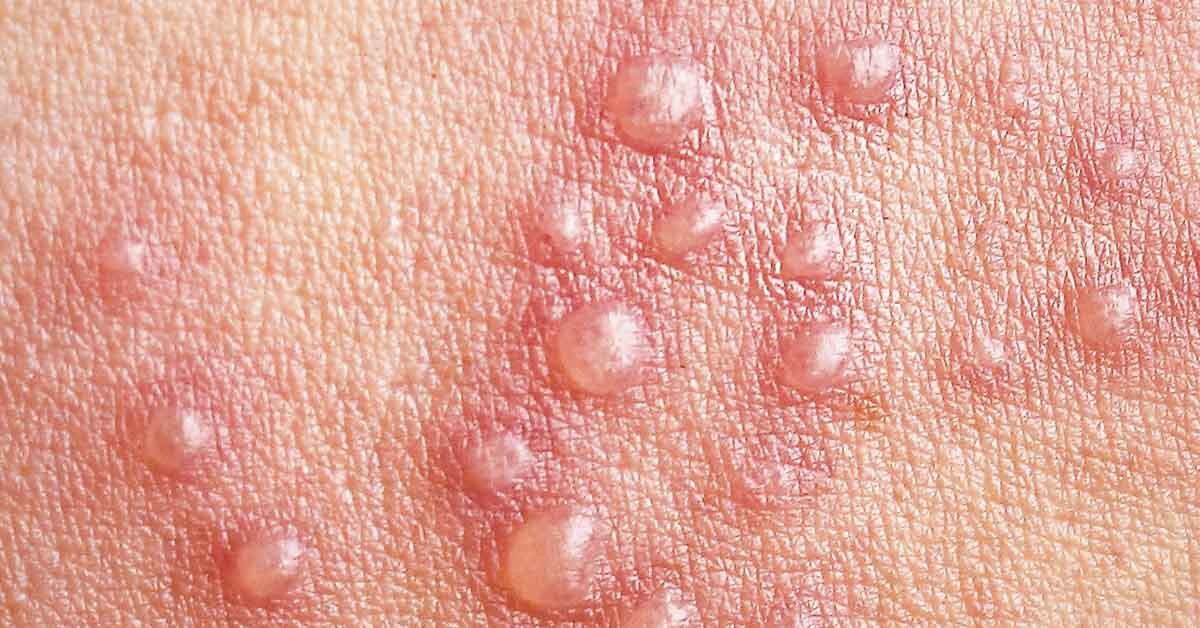
Reactivation starts in the neural ganglion and moves outward, following a specific nerve path. The clinical presentation of herpes zoster, as described by the CDC, is “a painful maculopapular and then a vesicular rash.” This progression mirrors how the virus spreads in the skin and nearby tissues. Even before visible skin changes, people may experience deep-seated nerve pain or burning sensations. Such early symptoms are often misattributed to muscle strain or other causes, leading to delayed medical attention. Early awareness is crucial, as antiviral medications are most effective when administered soon after symptoms appear.
Why the Immune System Loses Control
Aging is by far the most significant risk factor for shingles. The CDC notes, “A person’s risk for herpes zoster and related complications, including hospitalizations, sharply increases after 50 years of age.” As people grow older, their immune signaling—particularly T-cell responses—gradually becomes less robust. This slow decline often goes unnoticed daily but eventually passes a threshold where VZV control lapses, making reactivation more likely.
Chronic illnesses and immune-suppressing treatments further elevate risk. Specifically, cancer therapies, transplant-related immunosuppressants, and HIV infection can all dampen cell-mediated immunity, which relies on T cells to recognize and control infected cells. In these contexts, shingles can be more severe, extend across multiple nerve regions (disseminated shingles), and lead to increased complications. Additionally, stressful periods or acute infections may tip the balance and allow reactivation.
Early Warning Signs and Skin Changes
Shingles frequently begins with pain—often burning or stabbing—in a concentrated area of skin before any visible rash. The affected region may become sensitive to light touch, with clothing causing discomfort despite normal-appearing skin. Such symptoms can be confusing and misdiagnosed, but a telltale feature is the border: the pain follows a “dermatome,” or a segment of skin supplied by one sensory nerve. Clinicians recognize herpes zoster by its strict, one-sided pattern.
Within days, this pain gives way to a rash, which typically appears on either the left or right side of the body. The CDC describes the progression: “People with shingles most commonly have a rash around the left or right side of the body.” Red spots develop into fluid-filled blisters that eventually crust over. The torso is most commonly affected, but the face can be involved—especially near the eye, requiring urgent medical attention due to the risk of vision loss. Importantly, shingles can recur, so previous infection does not grant permanent immunity.
Impact of Reactivation on Nerves and Skin
Shingles is more than a skin condition; it is fundamentally a nerve disorder. VZV travels along sensory nerves to the skin’s surface, inciting inflammation and robust pain signals. This pain may feel deep and sharp, not merely itchy. The virus can damage nerve fibers and alter normal signaling, making everyday touch painful (allodynia). Nighttime pain disrupts sleep, which can, in turn, amplify overall sensitivity to pain.
Effective care addresses both viral replication and symptom management. CDC defines shingles as “a localized, usually painful, cutaneous eruption resulting from reactivation of latent varicella-zoster virus.” The pain’s location and sequence remain key diagnostic clues. While new exposure is unnecessary for reactivation, blister fluid can harbor infectious virus, emphasizing the importance of covering lesions during the contagious phase.
Postherpetic Neuralgia: The Persisting Complication
Postherpetic neuralgia (PHN) is the most common persistent complication of shingles. Unlike lingering soreness, PHN is chronic nerve pain that disrupts daily routines. Light touch can trigger burning pain, and ordinary activities like dressing or bathing become challenging. Sleep often fragments, and some individuals experience uncontrollable nerve-related itching. The unpredictability and duration of pain can affect mental health and overall quality of life.
Recovery is possible but frequently requires ongoing medical attention, including analgesics, nerve-targeted therapies, and sleep support. The CDC defines PHN as pain that persists for more than 90 days after rash onset and estimates it affects about 10% to 18% of people with herpes zoster. Age and severe early pain sharply increase risk. Prevention through vaccination and early antiviral therapy lowers the likelihood and severity of PHN, underscoring the importance of quick recognition and intervention.
When Shingles Threatens Vision or Spreads
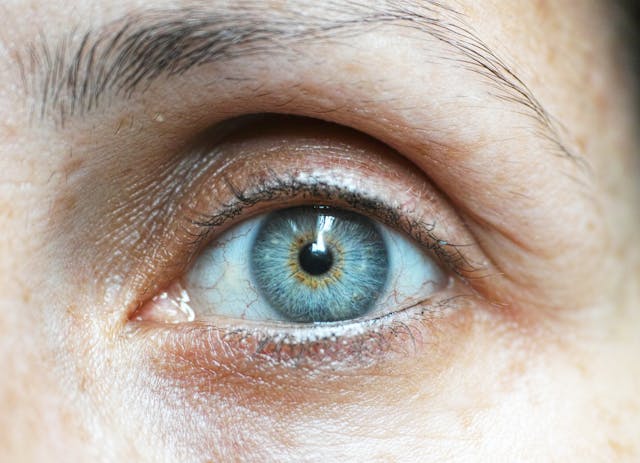
Shingles involving the area around the eye is a medical emergency. The CDC explains, “Herpes zoster that affects the ophthalmic division of the trigeminal nerve is called herpes zoster ophthalmicus,” and warns that it “can result in acute or chronic ocular sequelae, including vision loss.” Individuals may experience eye pain before visible rash, accompanied by redness, sensitivity to light, or blurred vision. Rapid initiation of antiviral therapy can limit viral replication and reduce damage. Eye specialists often provide additional targeted treatments and close monitoring.
In some cases, shingles spreads beyond a single dermatome, known as disseminated zoster. This is more frequent in those with weakened immune systems. Disseminated shingles can involve central areas such as the brain (encephalitis) or other organs. Neurological complications, though rare, require immediate medical evaluation. Hospital care may be necessary, including intravenous antivirals, fluid management, and intensive monitoring.
Shingles and Increased Stroke Risk
Recent research indicates that VZV can affect blood vessels, not just nerves. Several large studies, including a Danish nationwide cohort, have documented a short-term spike in stroke risk following shingles. Sreenivasan et al. found “a 127% increased risk in the first two weeks” after antiviral treatment, suggesting that inflammation and vasculopathy (disease of the blood vessels) may play a role in this association. Although only a small fraction of cases result in stroke, the elevated risk merits attention, especially for older individuals or those with existing vascular risks.
Healthcare providers are encouraged to monitor vascular health following shingles and address any sudden neurological symptoms promptly, including weakness or speech difficulties. The increased stroke risk persists for some time but decreases substantially after the first year.
Diagnosing Shingles and Treatment Timing
Diagnosis of shingles is usually clinical, relying on the characteristic rash distribution and accompanying pain. In early or atypical cases, laboratory testing (polymerase chain reaction or viral culture) may be used, but prompt treatment is critical regardless. MedlinePlus emphasizes, “Medicines are most effective when started within 72 hours of when you first feel pain or burning.” This window often predates rash development and underscores the importance of immediate contact with healthcare professionals.
Antivirals (commonly valacyclovir or acyclovir) are prescribed to curb viral replication, reduce pain, and prevent complications. Dosages may be adjusted based on age or kidney function. Pain management includes nerve-specific medications and sometimes sleep aids. Skin hygiene is essential to prevent secondary bacterial infections. Covering lesions in the blister phase helps contain VZV and protect household contacts. Antibiotics are used only for concurrent bacterial infections, not for treating the virus itself.
Vaccination and Preventive Measures at Home
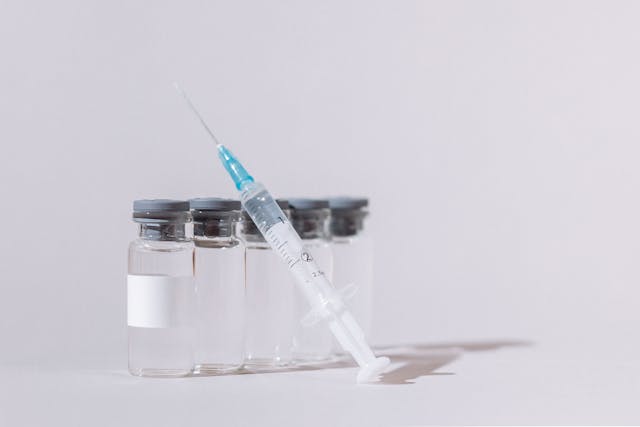
Vaccination is the cornerstone of shingles and PHN prevention. As the CDC recommends, “2 doses of Shingrix separated by 2–6 months for immunocompetent adults aged 50 years and older.” Additionally, adults 19 years or older who are immunosuppressed or immunodeficient should also receive two doses. Large-scale randomized clinical trials have demonstrated vaccine efficacy of up to 97.2% (Lal et al., ZOE-50), indicating strong protection against herpes zoster. Related research on older populations affirms these results.
During an active outbreak, practical infection control is necessary. The Australian Centre for Disease Control affirms, “Shingles itself doesn’t spread between people,” but cautions that blister fluid can transmit VZV to non-immune individuals, causing chickenpox (not shingles). Covering lesions, practicing strict hand hygiene, and avoiding close contact with newborns or immunocompromised contacts are essential until blisters crust. Personal items like towels and bedding should be handled with care and not shared. Even after recovery, persistent pain warrants continued medical assessment, as PHN can often be managed or improved with tailored treatment.
Conclusion
Shingles represents the reawakening of a virus the body has harbored since childhood, triggered when immune defenses decline. Burning or stabbing pain signals the beginning, with the rash appearing shortly thereafter and tracing a distinct nerve pattern on one side of the body. Although skin heals, nerve injury frequently lingers, affecting sleep, quality of life, and routine activities. Serious complications—such as vision loss, neurological issues, and chronic pain—are well-documented.
Prompt recognition and early treatment are vital. The CDC’s data show that 10% to 18% of shingles cases may develop postherpetic neuralgia lasting over 90 days. MedlinePlus advises starting antiviral therapy within 72 hours of symptom onset. Adults aged 50 and above should receive two doses of Shingrix, as should immunocompromised adults; vaccination provides robust and long-lasting protection. Infection control covers both individual risk and community health. When symptoms arise, especially in high-risk individuals, timely medical advice changes outcomes—both in preventing spread and minimizing long-term complications.
Sources
- CDC: Shingles Overview
- CDC: Clinical Features of Herpes Zoster
- NIH: Shingles Clinical Review
- MedlinePlus: Shingles
- PLoS ONE: Shingles and Stroke Risk Study
- Reuters
- BBC News
- WHO: Herpes Zoster Fact Sheet
- Mayo Clinic: Shingles
- CDC: Shingrix Vaccination
Disclaimer: This content is intended for entertainment purposes only and is not based on real events.