
The 70-Year-Old Facelift Transformation That Went Viral: An Analytical Deep Dive into Cosmetic Surgery for Seniors
The internet is regularly inundated with stories of personal change, but few capture widespread attention as powerfully as the recent viral transformation of a 70-year-old woman following cosmetic surgery. Instead of just appearing younger, her rejuvenation was described by many viewers as a masterful restoration—sparking global conversations not only about aesthetic medicine but also about cultural perceptions of aging.
The Viral Cosmetic Surgery: A Social Media Phenomenon
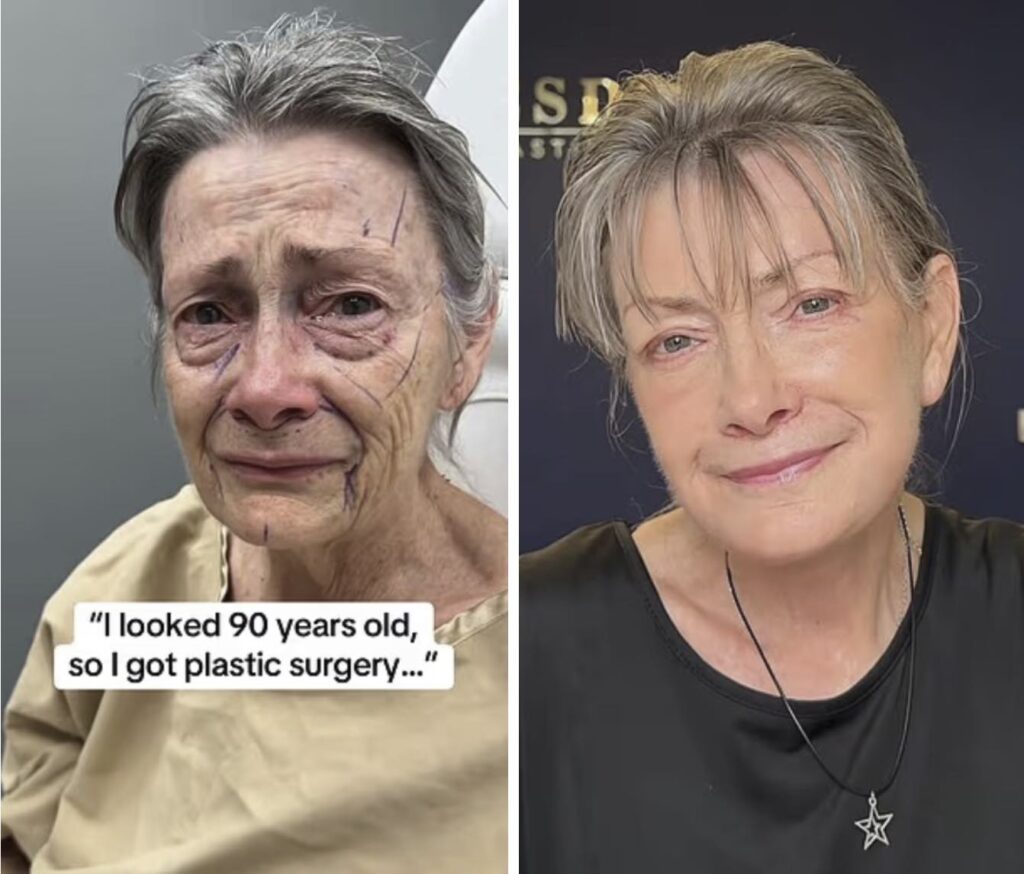
The compelling journey was made public by Beverly Hills facial plastic surgeon Dr. Carl Truesdale on his TikTok account. In the viral video, viewers followed the patient’s transition, observing a shift from the visible effects of aging—sagging, fatigue, and deep facial lines—to a face radiating vibrancy and renewal. While many online commented labeling Truesdale a “miracle worker,” the surgeon regularly reframes his work: rather than creating youth, he reveals underlying beauty, helping patients manifest the best version of themselves relative to their age.
This moment catalyzed renewed debate about the meaning and purpose of cosmetic surgery after age 60. In today’s evolving cultural climate, the discourse is less focused on resisting age and more centered on achieving “successful aging”—where looking as vital as one feels is seen not as self-denial, but as self-celebration.
The New Frontier: Senior Cosmetic Procedures
Historically, the ages of 40 and 50 were considered the “prime” for cosmetic interventions. However, recent advances in medical technology, combined with shifts in societal outlook, have dramatically increased the popularity of cosmetic surgery among seniors. According to data from the American Society of Plastic Surgeons, patients aged 65 and above now represent one of the fastest-growing demographics seeking such procedures.
The reasons for this shift are multifaceted. Seniors today are often active, socially engaged, and professionally involved. When their outward appearance no longer matches their inner youthfulness, many seek surgery to harmonize their physical image with their self-perception.
Most Common Procedures for the Over-60 Demographic

Image credit: Shutterstock
Cosmetic needs shift as people age. While younger adults generally pursue small enhancements, senior patients typically opt for restorative procedures that address deeper structural changes of aging. The most popular interventions in this demographic include:
The Deep Plane Facelift
Traditional facelifts focus on tightening skin, which can produce an unnatural “windblown” effect. The deep plane facelift represents a surgical innovation, moving and repositioning the underlying muscles and fat for a more authentic restoration. This technique is widely credited for the dramatic results seen in Dr. Truesdale’s viral patient, restoring youthful volume without altering the patient’s basic facial identity.
Blepharoplasty (Eyelid Surgery)
The eyelids are prone to drooping with age, not only changing appearance but often impacting vision. Blepharoplasty removes excess skin and fat, improving both looks and functionality. This procedure can reduce the tired appearance of the eyes and restore clarity to vision obstructed by sagging lids.
Neck Lifts
The neck frequently reveals age sooner than other areas. A neck lift eliminates undesired “turkey wattle” and vertical bands, refining the jawline and providing a flattering, youthful contour.
Fat Grafting
Losing facial fat is a common feature of aging. Fat grafting techniques harvest fat from elsewhere in the patient’s own body and strategically re-inject it into areas like the cheeks and temples, restoring softness and natural fullness.
Navigating the Risks of Cosmetic Surgery in Old Age
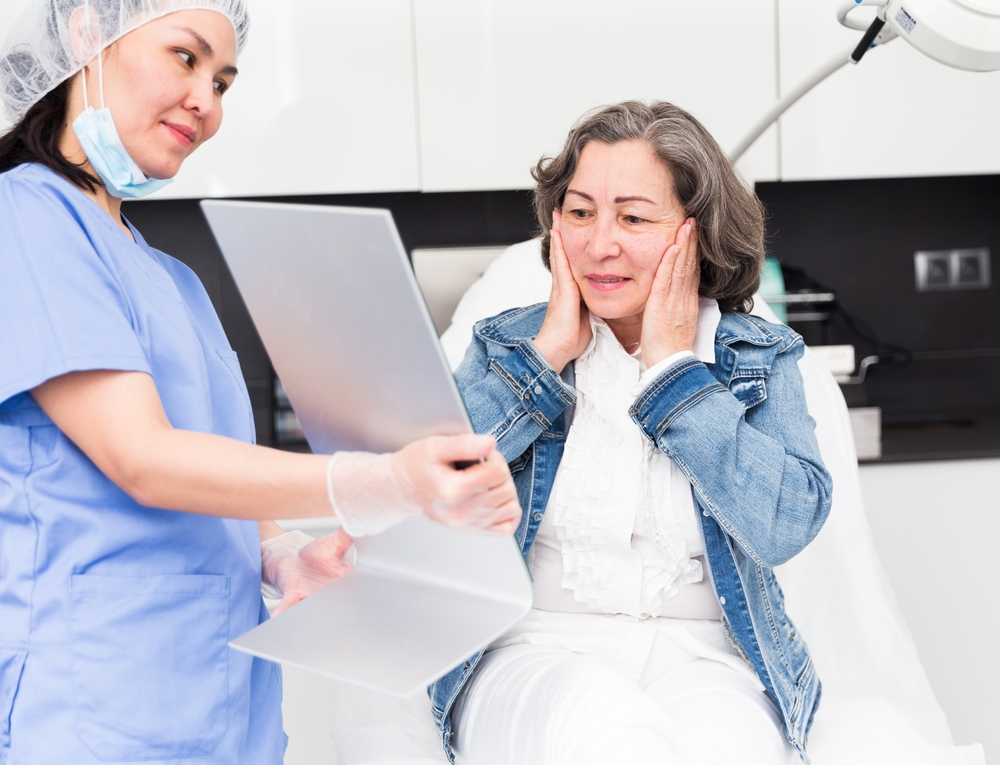
Image credit: Shutterstock
While senior cosmetic surgery can yield dramatic results, it requires careful consideration. The risks increase with age, and a thorough, individualized medical evaluation is essential.
Anesthesia and Cardiovascular Health
Older patients often have underlying health conditions such as hypertension or cardiac issues. Preoperative screening for cardiovascular health is mandatory, and many surgeons are opting for “twilight anesthesia”—a form of conscious sedation that reduces medical risks compared to full general anesthesia, but close monitoring by a board-certified anesthesiologist remains critical.
Slower Healing Times
Aging reduces the body’s healing capacity, increasing risks like delayed wound closure and excessive scarring. To optimize recovery, surgeons may prescribe nutritional regimens high in protein, vitamin C, and other supplements proven to support tissue regeneration.
Hematoma and Infection
Many seniors use blood thinners or supplements such as aspirin or fish oil for cardiovascular health, which can elevate risks for hematoma (blood pooling beneath the skin) and infections. These medications must be managed carefully before surgery for safety.
Ultimately, chronological age alone does not contraindicate surgery—a healthy, active 74-year-old may be a better candidate than a chronically ill 50-year-old. The key is thoughtful evaluation and medical clearance.
The Philosophy: Beauty Is Not a Number
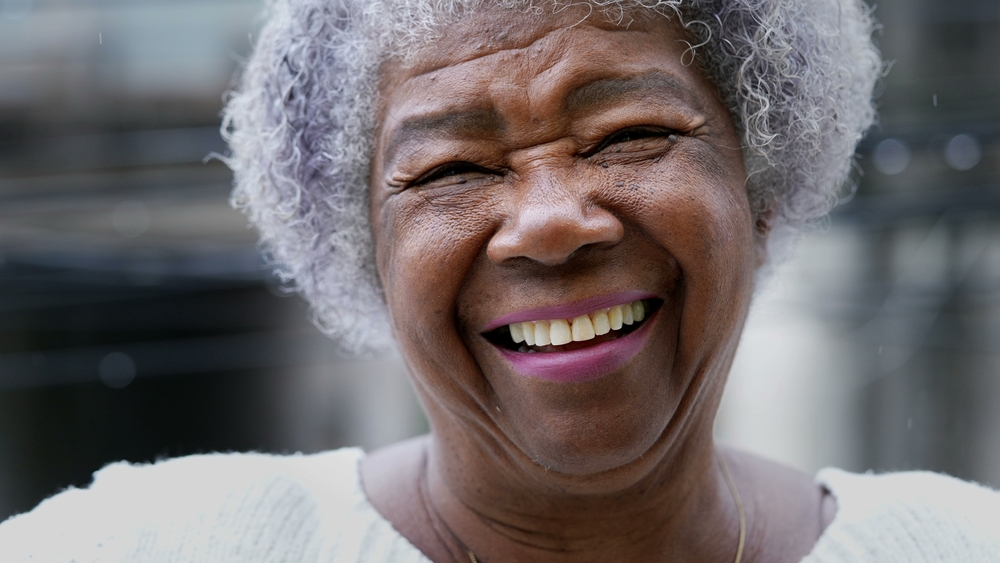
The fascination with “miracle facelifts” should not overshadow the broader philosophy of aging. Wrinkles and subtle skin changes are proof of a life well lived—evidence of laughter and experience, not just age. The cultural movement is shifting from “anti-aging” narratives toward “graceful aging,” emphasizing self-appreciation and empowerment. Electing to undergo surgery should never stem from insecurity but rather from self-assurance and the desire for personal enhancement.
Feeling beautiful is not determined by transformation. For some, embracing natural aging is empowering. For others, rejuvenation of appearance aligns their exterior with their vibrant inner life. The aim isn’t to erase decades but to showcase one’s best self at any stage.
Non-Surgical Paths to Rejuvenation
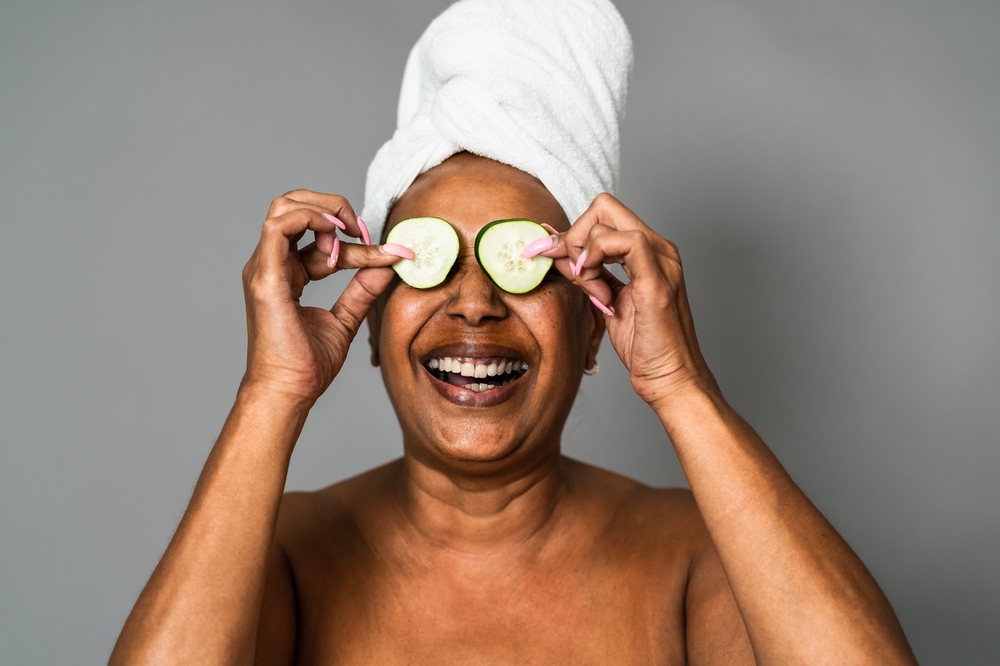
Image credit: Shutterstock
Not all seniors wish to pursue surgery. Fortunately, a growing array of non-invasive options offer subtle improvements without significant downtime or surgical risk.
Laser Resurfacing
This process “sands” the surface of the skin, revealing fresher, youthful layers and reducing visible sun damage, dark spots, and wrinkles. CO2 lasers are highly effective, though they require a brief recovery period.
Dermal Fillers and Biostimulators
Products such as Sculptra act as biostimulators, prompting the body to produce collagen and gradually improve skin texture. They allow for natural, progressive rejuvenation without invasive procedures.
Ultherapy and Radiofrequency
These advanced treatments use sound waves or heat to prompt skin tightening from within, ideal for mild sagging in the jawline and neck.
Medical-Grade Skincare
A consistent regimen featuring retinoids and vitamin C serums can significantly improve skin tone, texture, and radiance—sometimes providing the psychological boost needed to feel confident.
What to Look for in a Surgeon
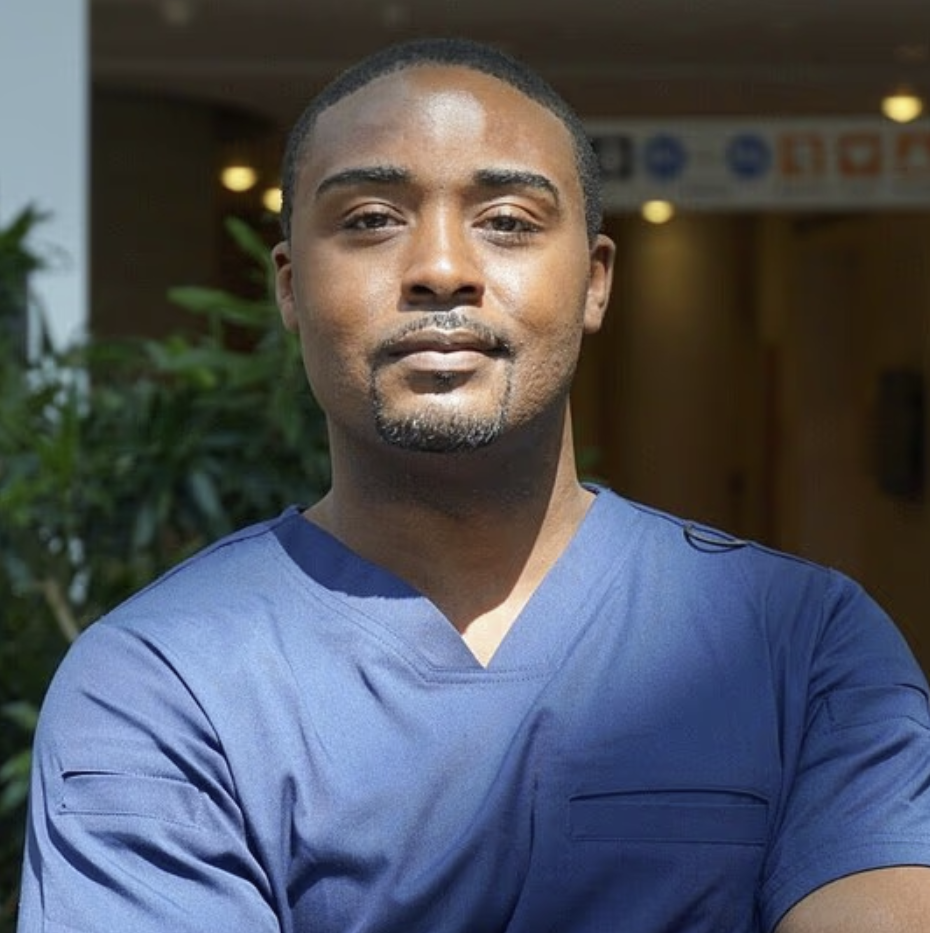
If you’re inspired by viral stories and considering cosmetic surgery, choosing the right surgeon is essential. Technical skill, experience, and aesthetic judgment are all factors. Prior to an in-person consultation, prospective patients should:
- Board Certification: Verify the surgeon’s credentials with respected boards such as the American Board of Plastic Surgery or American Board of Facial Plastic and Reconstructive Surgery.
- Specialization: Choose a surgeon who has extensive experience with facial procedures in older adults, as senior anatomy is complex.
- Portfolio Review: Examine before-and-after galleries to ensure patients retain their unique identities post-surgery.
Questions to Ask During Your Consultation
- What is your experience with patients over 65?
- How do you ensure medical readiness for seniors?
- Do you utilize twilight sedation or general anesthesia for senior patients?
- What are the specific risks and how are they managed?
- Can I review before-and-after photos of patients in my age group?
- What is the expected healing timeline for seniors?
- Is there a dedicated team for postoperative care?
- How are complications handled?
- Are there non-surgical options appropriate for me?
A responsible surgeon places patient safety and expectations above selling procedures and should answer these questions thoroughly.
The Bottom Line: Beauty, Confidence, and Self-Appreciation at Any Age
The viral 70-year-old facelift story represents more than an impressive medical achievement—it illustrates the evolving understanding of beauty, confidence, and choice among seniors. Whether individuals opt for surgery, minimally invasive “tweakments,” or embrace aging fully, the core message is empowerment and self-value. The miracle is not just in technique, but in the ability to recognize one’s worth at every stage of life. Beauty adapts; it never expires.
Disclaimer: This article provides general information about cosmetic procedures and is not a substitute for medical advice. Always consult your physician regarding any medical decisions or treatments.
Read More: These Are The Most Common Plastic Surgery Procedures Worldwide
Sources
- National Center for Biotechnology Information (NCBI) – Deep Plane Facelift Techniques
- Mayo Clinic – Blepharoplasty Overview
- American Society of Plastic Surgeons – Neck Lift Procedure
- Stanford Medicine – Facial Fat Grafting
- American Academy of Dermatology – Cosmetic Surgery: Is it Safe for Senior Adults?
- Daily Mail – Viral Facelift Transformation Coverage
- The Hearty Soul – Common Plastic Surgery Procedures Worldwide
Disclaimer: This content is intended for entertainment purposes only and is not based on real events.