
9 Compelling Health Benefits of Dates
For centuries, dates have been regarded as “nature’s candy” — and their appeal is not merely a matter of flavor. Appreciated across many cultures and continents, dates are a staple fruit in North Africa, the Middle East, and increasingly popular worldwide for their versatility and remarkable nutrition profile. Beyond their sweetness, dates offer a host of scientifically supported health benefits that make them an excellent addition to most diets. This comprehensive guide dives into nine compelling reasons, backed by expert views and research, to consider dates for your daily nutrition.
1. Helps Relieve Constipation

Constipation is a common digestive issue, affecting millions globally, with lifestyle and dietary changes often recommended for relief. One such change is increasing dietary fiber, and dates are an outstanding source of this nutrient. With approximately 7 grams of fiber per 100 grams, dates support regular bowel movements by adding bulk, stimulating intestinal activity, and helping reduce discomfort associated with constipation. Research in digestive health literature consistently links higher fiber intake with improved stool frequency and consistency, making dates a practical and palatable solution. As functional foods, dates can be easily integrated into breakfast cereals, smoothies, or enjoyed plain, encouraging better digestive health in the long term.
Read More: Eating This Fruit Has Been Associated With Lower Risk Of Cardiovascular And Coronary Heart Disease
2. Rich in Antioxidants
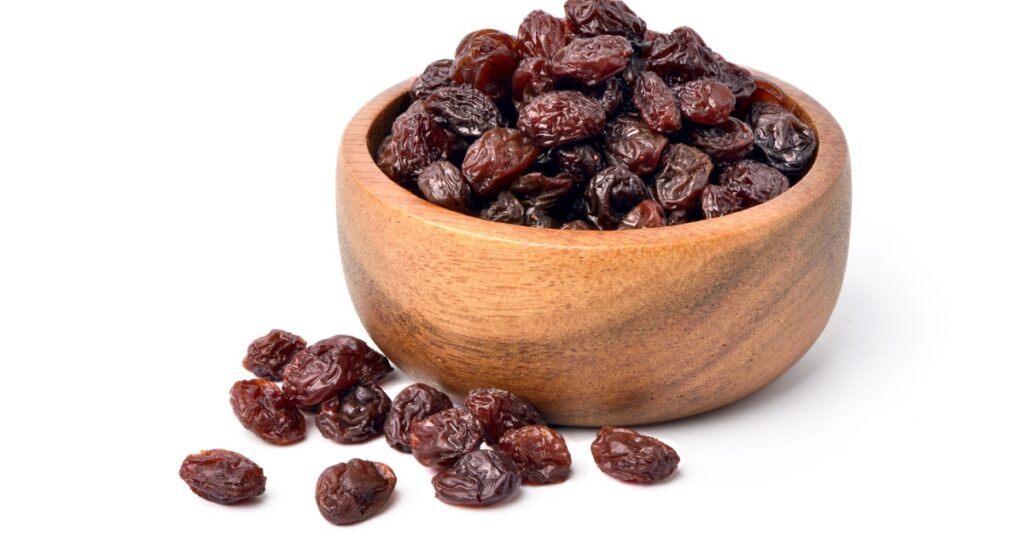
Antioxidants are vital compounds that help neutralize free radicals — unstable molecules linked to aging, oxidative stress, and various chronic diseases. Dates are considered a powerhouse among dried fruits, boasting some of the highest concentrations of polyphenols, a group of antioxidants recognized for their potential protective effects on cells and tissues. The presence of carotenoids, flavonoids, and phenolic acids in dates has been validated in food science research. These antioxidants contribute to reducing inflammation and protecting against chronic conditions such as cancer, diabetes, and cardiovascular disease. Globally, diets rich in antioxidant-containing foods are associated with lower rates of these conditions, highlighting dates as a valuable addition to preventative health strategies.
3. Boosts Vitality with Vitamins and Minerals

Dates are much more than a sweet treat — they are a concentrated source of several essential micronutrients. Key vitamins and minerals in dates include vitamin B6 (important for brain and metabolism function), iron (essential for oxygen transport and energy production), potassium (for heart and muscle function), magnesium (for nerve health), and copper. This dense nutritional profile supports immunity, energy, and metabolism. Nutrition authorities such as the USDA recognize dates as providing trace amounts of folate, Vitamin K, and Vitamin A, further supporting their role in a balanced diet. Regularly consuming dates supplies a natural boost of these nutrients, which are vital for maintaining wellness, especially as part of plant-based or vegetarian diets where certain minerals can be harder to obtain.
4. Strengthens Bones

Bone health depends on adequate intake of minerals such as calcium, magnesium, phosphorus, and potassium — all of which are present in dates. These minerals interact synergistically to build, maintain, and protect bone density and structure. Vitamin K in dates further facilitates calcium absorption, lowering the risk of osteoporosis and supporting proper blood clotting. In clinical nutrition, mineral deficiency is a known cause of bone fragility and dental health problems; integrating mineral-rich foods like dates into the diet can help counteract these risks. This is particularly relevant for populations with increased bone health concerns, such as older adults or those with dietary restrictions.
5. Supports Brain Health

The brain is highly susceptible to oxidative stress and inflammation, factors closely linked to neurodegenerative diseases including Alzheimer’s and Parkinson’s. Dates naturally contain compounds that can help mitigate these risks. Studies, including animal models and emerging clinical trials, suggest that antioxidant polyphenols and vitamin B6 found in dates may support cognitive function by reducing plaque formation, controlling inflammation, and protecting neural connections. Experts highlight these effects as promising, although more research is warranted. Nevertheless, adding antioxidant-rich foods like dates to one’s diet aligns with broader public health strategies aimed at fostering lifelong brain vitality.
Read More: 10 Fruit and Vegetable Peels You Should Never Throw Away
6. Enhances Hair Health

Among the less-discussed benefits of dates is their impact on hair health. The iron content of dates plays a critical role in supporting blood circulation to the scalp, which in turn fosters hair follicle oxygenation and growth. Adequate iron consumption is linked by dermatological studies to reduced hair loss, stronger follicles, and improved scalp health. Other vitamins and minerals present in dates, such as zinc and magnesium, are known to play supporting roles in maintaining the cellular health of hair strands. This makes dates a natural booster for those seeking to optimize hair density and vitality, particularly in scenarios where nutritional deficiencies may contribute to hair thinning.
7. May Reduce Risk of Certain Cancers

Cancer prevention remains an area of intense research, particularly concerning dietary choices. In relation to colorectal cancer, dates stand out due to their high fiber and polyphenol content. Fiber enhances bowel health via regular movement and toxin elimination, while polyphenols protect cells from oxidative damage and inflammation. A randomized controlled clinical trial found that date consumption positively affects the gut microbiome, which plays a key role in colorectal health and cancer risk reduction. Many international nutritional guidelines now advocate for higher fiber and antioxidant intake as part of cancer prevention strategies, positioning dates as a delicious and pragmatic solution.
8. Aids in Blood Sugar Control

Despite their natural sweetness, dates have a surprisingly low glycemic index (GI) — around 42, according to published studies, which falls below the threshold for low-GI foods (<55). This means dates are digested and absorbed slowly, leading to gradual rises in blood glucose levels. Their substantial fiber content further slows carbohydrate absorption and enhances satiety. Research from peer-reviewed diabetes journals suggests that dates can be part of a balanced diet for people with diabetes and those seeking to manage blood sugar fluctuations. The international consensus on glycemic index values supports including moderate amounts of low-GI fruits like dates in diet plans meant for blood sugar regulation, especially when paired with other nutrient-rich foods.
9. Promotes Heart Health

Cardiovascular disease remains a leading cause of morbidity and mortality worldwide, with diet a crucial modifiable risk factor. Dates are linked to heart health through multiple mechanisms: their fiber reduces cholesterol absorption, polyphenols act against oxidative stress, and potassium regulates blood pressure. Studies indicate that regular date consumption can lower total cholesterol and LDL (“bad”) cholesterol while improving blood lipid profiles. Dates also contain compounds that help relax blood vessels, improving circulation. Notably, heart-healthy diets recommended by authorities such as the American Heart Association often feature fruits with fiber and antioxidants, underscoring dates as a smart option for cardiovascular protection.
From digestive relief to heart protection, dates offer a suite of health benefits grounded in modern nutritional science. They are versatile — suitable for snacks, additions to salads, desserts, or paired with nuts and seeds. Incorporating dates into your daily diet not only provides a sweet natural flavor but also ensures intake of key micronutrients and plant compounds that collectively enhance well-being. As research continues to unveil new benefits, dates stand out as a fruit worth embracing in diets across cultures and lifestyles.
Read More: The Tree of 40 Fruit is indeed a coat of many colors
Sources
- Health Digest – When You Eat Dates Every Day, This Is What Happens To Your Body
- Today – Eating just 2 dates a day can have these sweet benefits for your heart
- British Journal of Nutrition – Impact of palm date consumption on microbiota growth and large intestinal health
- Diabetes Care – International Tables of Glycemic Index
- USDA
- CDC
- Mayo Clinic
- WHO
Disclaimer: This content is intended for entertainment purposes only and is not based on real events.