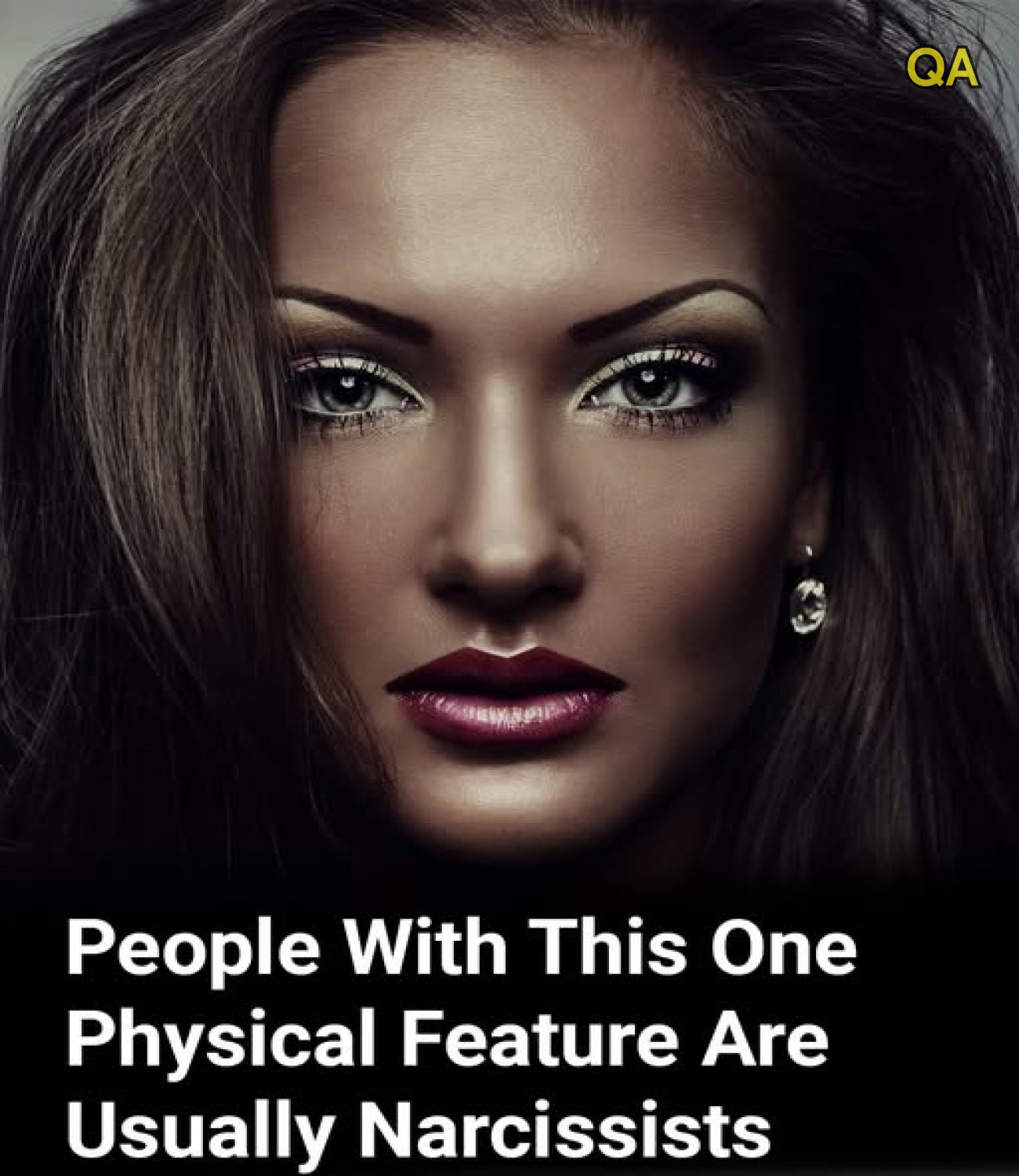
The Surprising Link Between Eyebrows and Narcissism: What Science Really Says
In recent years, scientific interest in the relationship between physical appearance and personality traits has grown significantly. An especially intriguing area of research has emerged: the connection between eyebrow characteristics and narcissism. Headlines on the topic may provoke skepticism or curiosity—can a feature as seemingly minor as eyebrows truly reflect deeper aspects of our personalities? According to new evidence from psychology, the answer is more nuanced than most would expect.
Understanding Narcissism: Beyond Basic Stereotypes
Narcissistic Personality Disorder (NPD) is a well-defined clinical condition catalogued in the Diagnostic and Statistical Manual of Mental Disorders (DSM-5). It is marked by:
- A grandiose sense of self-importance
- Lack of empathy for others
- An intense need for admiration
- A tendency to exploit others for personal gain
Importantly, narcissism exists on a spectrum. While NPD is rare and clinically significant, a much wider portion of the population displays individual narcissistic traits, particularly in today’s social media-driven environment where self-promotion and validation-seeking are incentivized.
The Research Behind Eyebrows and Narcissism
One of the most cited studies examining the connection between narcissism and physical traits was conducted by a team at the University of Toronto and published in the Journal of Personality. The researchers set out to determine if certain facial features could predict scores on established measures of narcissism.
Participants in the study were presented with photographs of various faces—sometimes with the full face visible and sometimes with eyebrows digitally removed. The surprising outcome? Participants could predict narcissistic tendencies with above-chance accuracy based solely on the presence and characteristics of eyebrows.
Thick, dark, highly groomed, or prominent eyebrows consistently correlated with higher measures of self-reported narcissism. These visible attributes seemed to act as cues, leading others to perceive the individual as more self-confident, attention-seeking, and even dominant—all common features associated with narcissistic behavior patterns.
“Eyebrows facilitate facial recognition, which is crucial for social functioning. Narcissists may cultivate their eyebrows to enhance recognition, increase memorability, and reinforce their confidence.” — Journal of Personality
The Psychology of Facial Recognition and Eyebrow Focus
Why eyebrows? Psychologists and cognitive scientists have long recognized that eyebrows are essential for facial recognition, non-verbal communication, and conveying emotion. Eyebrows act as visual punctuation marks—usually the first part of the face that conveys surprise, skepticism, anger, or confidence. Prominent or styled eyebrows serve several social and psychological functions:
- Memorability: Distinct eyebrows make faces easier to remember.
- Communication: Arched, sharp brows can project confidence, authority, or even arrogance.
- Intentionality: Highly groomed or shaped brows may indicate a desire for aesthetic control and social impact.
These facial cues may subconsciously trigger perceptions of higher self-worth, attention-seeking, or self-obsession—characteristics that overlap with common narcissistic traits. The trend of eyebrow-centric grooming only furthers this effect, making the face more visually commanding and distinctive.
The Influence of Social Media and Beauty Trends
Context matters. In the digital age, platforms like Instagram, TikTok, and YouTube place enormous emphasis on appearance, particularly facial features. Beauty trends prioritize bold, well-defined brows, creating a feedback loop where more visually prominent features are associated with social success, influence, and personal branding.
Research, as well as cultural observation, suggests that these choices are rarely accidental. Many who seek influence or validation online invest substantial effort into their appearance, particularly high-impact facial features. The popularity of eyebrow pencils, gels, and microblading treatments speaks to a broader societal fixation on groomed brows as a marker of style, confidence, and social standing.
- Frequent selfies with emphasized eyebrows
- Curated personal brands built around visual identity
- Constant pursuit of online validation (likes, comments, shares)
This performative aspect can overlap with narcissistic patterns, blurring the boundaries between normal self-presentation and personality-centric behavior. However, it is essential to emphasize that not everyone participating in beauty trends or digital self-branding is narcissistic; grooming is only a small part of a much larger psychological picture.
Is Everyone with Standout Brows a Narcissist?
Caution is warranted before jumping to conclusions. While the statistical link between eyebrow prominence and narcissistic traits is significant in the cited research, it is only a correlation. Many people cultivate strong brows for personal, stylistic, or cultural reasons. Narcissism, as a mental health condition, requires a persistent pattern of behavior that includes lack of empathy, excessive need for admiration, and manipulative tendencies, not just an affinity for certain grooming choices.
Psychologists warn against “folk psychology” interpretations that reduce complex personality traits to a single visual indicator. Instead, eyebrow styling may be just one of several subtle cues that, when seen in concert with other behavioral patterns, can raise the possibility of narcissistic traits.
Beyond Looks: The Role of Behavior
Ultimately, narcissism is defined by behavior far more than appearance. While eyebrows might act as a visual signal or even a tool to enhance perceived confidence or memorability, the true indicators of narcissism are found in consistent interpersonal actions, such as:
- Controlling or dominating conversations
- Lack of concern for others’ feelings
- Extreme sensitivity to criticism
- Persistent need for praise and attention
- Frequent manipulation or disregard for boundaries
If someone’s appearance, including bold brows, is part of a broader pattern characterized by these behaviors, the likelihood of narcissism is higher. Clinicians stress thorough, nuanced assessment before drawing conclusions.
Cultural Insights and International Reactions
Cultural attitudes toward grooming, facial features, and personality differ worldwide. In some societies, thick or highly groomed eyebrows have been prized for centuries, symbolizing strength, beauty, or nobility. In others, understated or natural brows are preferred. The modern global emphasis on eyebrow aesthetics may reflect deeper societal shifts in the value placed on individuality, self-expression, and visual branding.
Internationally, beauty standards evolve in tandem with technology, media, and celebrity influence. Social scientists note rising convergence of certain trends—such as “bold brow” looks—across cultures, but also recognize unique interpretations and underlying motivations. Research into personality and appearance is ongoing, and cross-cultural studies are crucial for understanding the broader dynamics at play.
Expert Opinions: Is This a Game-Changer?
Psychologists and mental health professionals generally welcome larger studies on the intersection of appearance and personality, provided the nuance is kept intact. Dr. Miranda Giacomin, one of the authors of the discussed study, remarks that while eyebrows may signal certain traits, it is the intention and consistency behind behaviors that form the diagnostic core of narcissistic personality disorder.
Experts recommend using these findings as starting points for further discussion on self-presentation, social cues, and mental health awareness—not as diagnostic shortcuts. They also highlight potential benefits: greater awareness of subconscious bias, improved understanding of non-verbal communication, and richer hypotheses for future research.
Protecting Emotional Well-Being in a Self-Focused Era
As our culture becomes more visually oriented and as online platforms provide new opportunities for attention, understanding the difference between self-confidence, self-care, and narcissism is crucial for personal relationships. If you encounter individuals who consistently display the behavioral hallmarks of narcissism, experts advise setting clear boundaries, seeking support, and educating yourself about emotional resilience.
Resources from credible organizations and mental health professionals can provide practical guidance for managing relationships with individuals who may exhibit narcissistic tendencies and maintaining your own emotional wellness.
What the Research Really Means: A Nuanced Picture
The link between eyebrow prominence and narcissism does not mean that everyone with strong brows is narcissistic. Rather, it suggests that visible grooming choices may form part of our social “presentation of self”—and that observers may draw conclusions, rightly or wrongly, from such cues. This research also invites reflection on how digital culture shapes not just external appearance, but also internal self-concept and personality development.
Ultimately, our external appearance is only one piece of a larger puzzle. While eyebrow grooming and attention may reflect a desire to be remembered or admired, true narcissism is found in the pattern and motivation behind actions—not just how we look in photographs.
If you encounter someone with camera-ready brows, don’t rush to judgment. Instead, focus on the qualities that matter most in relationships: empathy, honesty, humility, and respect.
Frequently Asked Questions
Can changing your brows change your personality? No. Grooming choices may influence perception, but personality is formed by complex, multifaceted psychological factors.
Are there other facial traits linked to personality? Some studies suggest correlations between personality traits and facial symmetry, jawline, or eye size, but these results remain preliminary and controversial in the broader scientific community.
Should clinicians use appearance in diagnosis? Appearance alone is never sufficient for mental health diagnosis. Comprehensive assessment must include behavioral patterns, interpersonal relationships, and overall functioning.
For those interested in exploring the intersection of appearance and personality further, credible mental health guides and support resources are available through official channels (see below).
Visual Example
Below is a representative example of content linked to this discussion:

Conclusion: Looking Beyond the Surface
The relationship between eyebrows and narcissism offers a window into the broader dynamics of personality, self-presentation, and social perception. The latest science calls for a balanced, open-minded approach: use visual cues as starting points for understanding, never as the final word on a person’s character. As society continues to evolve in its relationship with digital media and appearance, new research will deepen our appreciation for the complex interplay between how we look, how we behave, and who we are.
Sources
Disclaimer: This content is intended for entertainment purposes only and is not based on real events.