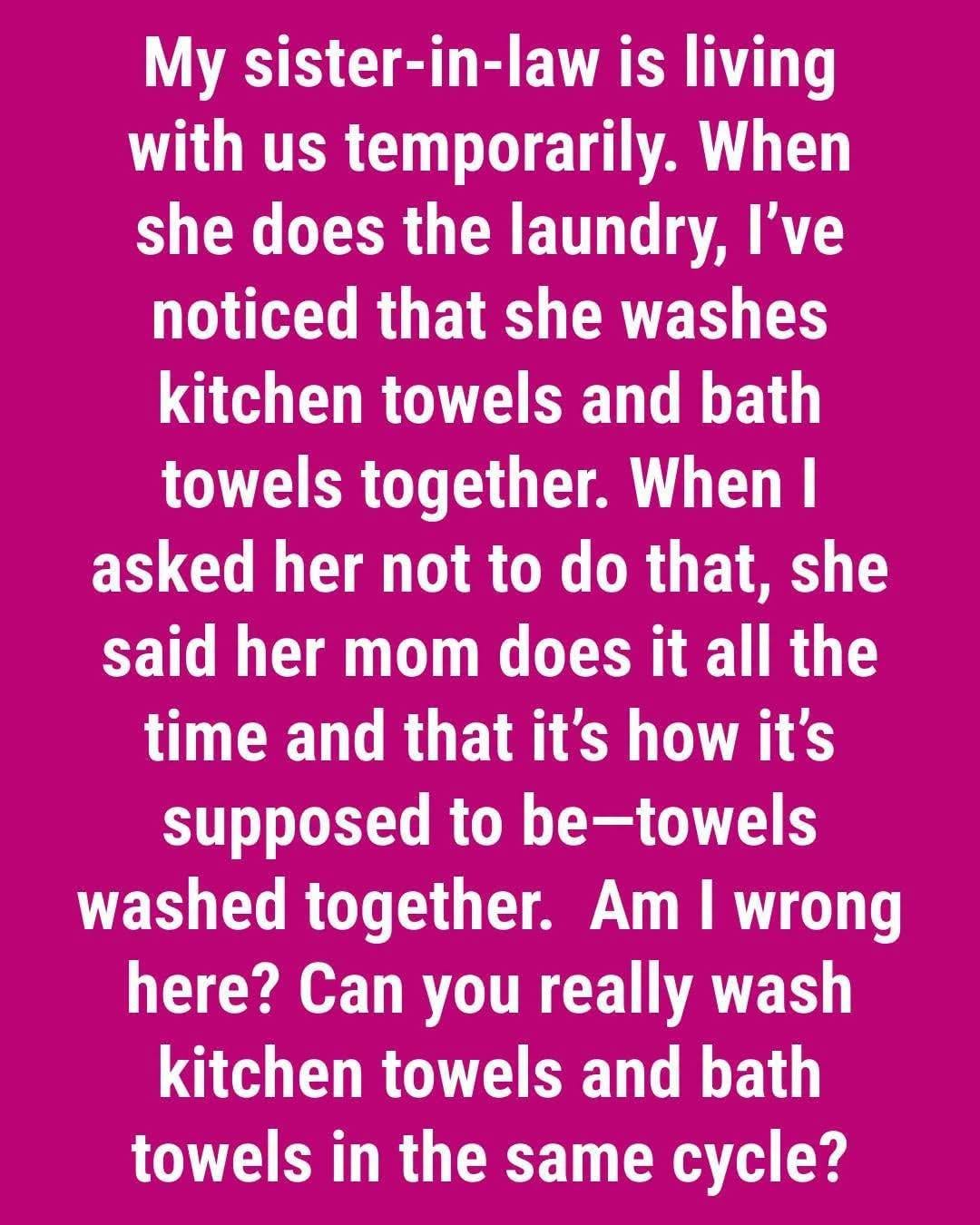
Your Clean Towels Could Be Hiding a Dirty Surprise
Introduction: The Surprising Truth About Clean Towels
For most households, towels symbolize cleanliness and comfort. Whether drying off after a warm shower or wiping away spills in the kitchen, these everyday essentials play a central role in our routines. However, many people may not realize that the way towels are laundered could have hidden health implications. Is it truly safe to wash bath and kitchen towels together? This article delves into the science of towel hygiene, uncovers potential risks, and offers evidence-based guidance to maintain a fresh and healthy home environment.
The Role of Towels in Daily Life
Towels are indispensable in both the kitchen and the bathroom. Bath towels help remove moisture from the body, while kitchen towels handle spills, touch food, and clean surfaces. This difference in function may seem minor, but it has major implications for hygiene and cleaning practices.
Different Types of Towels: More Than Meets the Eye
Bath Towels: Typically made of absorbent materials like cotton or microfiber, bath towels are used primarily for drying the body after bathing. They often contact clean skin but may also become contaminated with sweat, dead skin cells, and microorganisms naturally found on our bodies.
Kitchen Towels: These towels are frequently used for drying hands, cleaning food-preparation surfaces, wiping up food residues, and sometimes handling raw meat or eggs. As such, they are exposed to a broader array of potential contaminants, including harmful bacteria that can cause foodborne illnesses.
Health Risks: What Lurks on Your Towels?
Research shows that towels can become reservoirs for bacteria, viruses, and fungi. A study published by the American Society for Microbiology found that both kitchen and bath towels can harbor various pathogenic microorganisms, including Escherichia coli (E. coli), Staphylococcus aureus, and Salmonella. The risk is notably higher with kitchen towels due to contact with food and raw ingredients.
These germs thrive in moist, warm environments—the kind provided by damp towels left in laundry baskets or on bathroom hooks. They can multiply rapidly within hours, especially if towels are not allowed to dry properly between uses.
Mixing Kitchen and Bath Towels: Is It Safe?
The convenience of combining all towels into one laundry load is appealing, but is it safe? Mixing kitchen and bath towels can lead to cross-contamination. Kitchen towels often contain more dangerous bacteria because of their exposure to raw food and kitchen surfaces. When washed with bath towels, these microorganisms can transfer—especially if the wash cycle uses lukewarm water or an insufficient amount of detergent.
Expert Opinions
According to microbiologists at the Mayo Clinic and cleaning experts at the CDC, it is best practice to wash kitchen towels separately from bath towels. Washing them together increases the risk that kitchen bacteria will transfer to towels used on your face and body, potentially causing skin infections or introducing harmful bacteria into the home.
The Science of Laundry: Does Washing Really Eliminate Germs?
Laundry detergents are formulated to remove dirt, oils, and many types of bacteria. However, their effectiveness depends on several key factors:
- Water Temperature: According to the CDC, a wash temperature of at least 60°C (140°F) is recommended to effectively kill most bacteria and viruses on towels, especially those used in the kitchen.
- Detergent Type: Bleach or oxygen-based detergents have better disinfecting power than standard formulations. However, not all laundry can tolerate these strong chemicals.
- Load Size: Overstuffed machines may not allow enough friction or detergent circulation to thoroughly clean every towel.
- Drying: High-heat drying further reduces microorganism survival, while air-drying can leave some bacteria alive, especially in humid environments.
If towels are washed together in cool water or without a disinfectant additive, the risk of cross-contamination is not fully eliminated. For optimal hygiene, high temperatures and adequate drying are crucial.
Best Practices: How to Wash Towels Safely
Separate Loads for Kitchen and Bath Towels
To minimize health risks, experts recommend keeping kitchen and bath towels separate starting from the laundry basket. This prevents bacteria from spreading between different towel types even before washing begins.
Wash at High Temperatures
Set your washing machine to a hot water cycle (above 60°C/140°F) when laundering towels, especially those exposed to raw food or bodily fluids. Refer to garment labels to ensure fabric can tolerate high heat.
Use a Disinfecting Detergent or Additive
Consider a detergent with antimicrobial properties or add a disinfectant, like oxygen bleach, to the wash cycle. This step is particularly important for households with young children, elderly individuals, or immunocompromised family members.
Dry Thoroughly
After washing, tumble-dry towels on high heat whenever possible. If air drying, hang towels in a well-ventilated area and ensure they dry completely before reuse or storage.
Regularly Replace Towels
Even with optimal washing practices, towels can become worn and less effective at absorbing moisture and resisting germs over time. Replace kitchen and bath towels every one to three years, depending on wear, staining, and texture changes.
Common Mistakes in Towel Hygiene
- Letting Towels Sit Wet: Leaving towels damp in laundry hampers or bathroom corners encourages rapid bacterial growth.
- Using Fabric Softener Regularly: While fabric softeners make towels fluffy, they can also leave residues that trap bacteria and reduce absorbency.
- Overloading the Washer: Cramming too many towels together can keep some from getting fully cleaned.
- Ignoring Smells: Persistent musty or sour odors signal bacterial or fungal growth that washing may not have removed.
Global Perspectives on Towel Hygiene
Laundry habits and towel hygiene practices vary around the world. In some countries, such as Japan and parts of Scandinavia, it is customary to air towels outside in direct sunlight, harnessing ultraviolet rays’ natural disinfecting properties. In other regions, hot water washing and tumble drying are considered essential for hygiene. Public health campaigns emphasize separating laundry, proper handwashing, and regular towel replacement to control disease transmission in communal living spaces and healthcare environments.
What Experts Say About Towel Care
“Kitchen towels can harbor bacteria from raw meat, unwashed produce, and even from wiping dirty hands. Washing them with bath towels creates a risk of transferring those pathogens to the items you later rub on your skin or face. It is always best to err on the side of caution and launder kitchen towels separately.”
—Dr. Charles Gerba, University of Arizona microbiologist
Health agencies like the Centers for Disease Control and Prevention (CDC) and Mayo Clinic echo this guidance for households seeking to limit infection risk, especially during flu season or foodborne illness outbreaks.
Frequently Asked Questions
How often should towels be washed?
Kitchen towels should be washed after every day of use or whenever they contact raw food, while bath towels can be washed after three or four uses, according to the Good Housekeeping Institute.
Can cold water wash towels effectively?
Cold water may remove visible dirt but is less effective at destroying bacteria and viruses. For optimal disinfection, use hot water and approved detergents or additives.
Is it okay to use the same towel for multiple tasks in the kitchen?
No. Designate separate towels for drying hands, cleaning up spills, and handling food to reduce cross-contamination.
Conclusion: Small Habits, Big Impact on Health
While it may be tempting to toss all towels into a single wash for convenience, scientific evidence and expert recommendations highlight the importance of separating kitchen and bath towels. By adopting simple, effective habits—washing towels at higher temperatures, using appropriate detergents, and allowing adequate drying—households can greatly reduce the risk of spreading harmful bacteria and keep all members safer and healthier. Ultimately, these best practices not only prolong the lifespan of your towels but also protect the wellbeing of your entire household.
Sources
- Centers for Disease Control and Prevention (CDC)
- Mayo Clinic
- BBC News – Health Risks in Household Items
- The Guardian – Towel Hygiene Guidelines
- Good Housekeeping Institute – Towel Cleaning Frequency
Disclaimer: This content is intended for entertainment purposes only and is not based on real events.