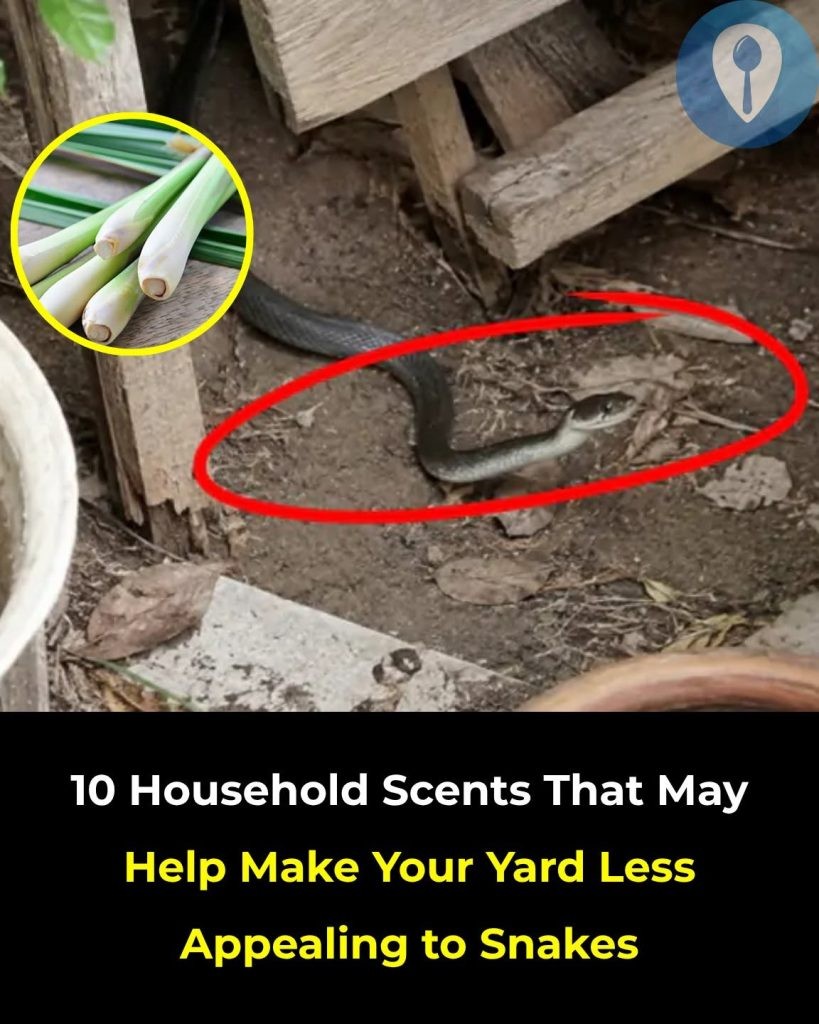
Do Strong Household Smells Really Keep Snakes Out of Your Yard? An Evidence-Based Guide
Introduction: The Concern About Snakes in Residential Areas
Discovering a snake in your yard can be a distressing experience, particularly for families with young children or pets. Concerns about safety and the potential risks posed by snakes often lead homeowners to seek effective methods for deterring these reptiles. A common belief is that certain strong household scents—such as peppermint, cinnamon, garlic, vinegar, and citrus—can keep snakes away. But how effective are these methods in real-life situations? This comprehensive guide examines the scientific evidence behind these claims and provides practical, expert-backed strategies for minimizing the likelihood of encountering snakes on your property.
Understanding What Attracts Snakes to Your Yard
Before discussing possible repellents, it’s vital to understand the factors that draw snakes to residential properties. Snakes are not inherently interested in humans or homes; rather, they are attracted by environmental conditions that provide easy access to food, water, and shelter. Common attractants include:
- Rodents and small animals: Mice, rats, frogs, birds, and insects serve as a food source for many snake species.
- Dense vegetation: Overgrown lawns, thick shrubbery, and leaf litter create ideal hiding spots.
- Piles of debris: Woodpiles, compost heaps, unused equipment, and clutter offer shelter and hunting grounds.
- Water sources: Ponds, birdbaths, leaking hoses, and pet water dishes can attract snakes seeking hydration or prey.
- Buildings with accessible entry points: Gaps in foundations, open doors, and cracks allow snakes to enter garages, sheds, or homes.
Effectively managing these environmental factors is often more critical than relying on repellents in deterring snakes.
Popular Household Scents: What Does the Science Say?
Many online sources and anecdotal reports suggest that strong smells from household products can drive snakes away. Below, we review some of the most commonly recommended scents and analyze the available scientific evidence for each.
Peppermint Oil
Peppermint oil is widely touted for its ability to repel pests, primarily insects like ants, spiders, and mosquitoes. Its strong aroma is thought by many to be unpleasant to snakes, but current scientific studies do not support the claim that peppermint oil has a significant or reliable effect on repelling snakes. Additionally, when concentrated essential oils are used improperly, they can be toxic to household pets and cause skin or respiratory irritation.
Cinnamon and Clove Oils
Cinnamon and clove oils, rich in aromatic compounds, are sometimes used in homemade remedies. While these oils can have some impact on certain insects and occasionally appear as ingredients in commercial snake repellents, studies have not conclusively demonstrated that they deter snakes in outdoor, real-world conditions. Application of these oils poses similar risks as peppermint oil—including possible toxicity to pets and young children.
Garlic and Onions
Garlic and onions emit powerful sulfur compounds that are believed to discourage various pests. However, evidence for their effectiveness against snakes is minimal and largely anecdotal. Simply scattering garlic cloves or onion pieces around your yard is unlikely to create a reliable deterrent, as outdoor elements—rain, wind, and sun—quickly dissipate their odors.
Vinegar and Citrus Peels
Vinegar, lemon peels, and orange peels are often recommended for repelling snakes. Yet, snakes rely mostly on their sense of smell for tracking prey, and research does not support these scents as functional repellents in outdoor settings. In addition, direct application of vinegar can damage grass and garden plants, making it a poor choice for use in landscaping.
Lemongrass and Eucalyptus
Lemongrass and eucalyptus are promoted for their strong fragrances and potential as natural deterrents. While these plants are attractive in gardens and may have some effect on insect populations, there is insufficient scientific evidence to affirm that they prevent snakes from entering a property. Concentrated eucalyptus oil can also be harmful if ingested by pets or handled by children.
Ammonia
Ammonia’s pungent fumes are claimed by some to create an environment snakes will avoid. However, there is no scientific proof supporting its use as a snake repellent. Moreover, ammonia fumes can irritate the eyes and respiratory systems of humans and animals, and it is dangerous—potentially fatal—if mixed with bleach due to the formation of toxic gases. Most wildlife experts advise against using ammonia for any form of residential pest control.
The Limits and Risks of Using Scents as Snake Repellents
The popularity of strong-smelling oils and household items for deterring snakes is often buoyed by anecdotal successes and non-scientific recommendations. However, reputable studies and wildlife authorities have not verified these strategies as reliable or safe. Furthermore, indiscriminate use of concentrated oils or chemicals may inadvertently endanger pets, children, and beneficial wildlife, or cause environmental harm.
Homeowners seeking to minimize snake encounters should avoid over-reliance on unproven remedies. Prioritizing the elimination of attractants and modification of habitat is more effective, sustainable, and safe for humans, pets, and the environment.
Best Practices: Practical Steps to Prevent Snakes in Your Yard
Rather than focusing on repellents, leading experts and wildlife control authorities recommend reducing the features that make a yard inviting to snakes:
- Keep grass trimmed short and regularly mow the lawn to eliminate hiding places.
- Prune shrubs and remove excess ground cover, especially near foundations.
- Organize and neatly stack firewood or debris piles, preferably well away from buildings.
- Check and seal gaps, cracks, and holes in building foundations, doors, and windows.
- Store garbage in secure, lidded bins and avoid leaving pet food outside, as these attract rodents.
- Promptly clean up spilled birdseed and excess mulch or compost, which can harbor prey animals.
- Repair leaky hoses or keep water features free of stagnant water where possible.
Incorporating these changes can substantially lower the risk of snakes choosing your yard as their next hunting ground or hiding spot.
Safe Encounters: What to Do If You Find a Snake
If you come across a snake on your property, it is crucial to remain calm and maintain a safe distance. The vast majority of snakes are not aggressive and will only bite if threatened. Never attempt to handle, capture, or kill a snake, as this increases the risk of bites or injury to both you and the animal. Instead, ensure children and pets are kept clear and observe the following steps:
- Keep a watchful eye on the snake from a safe distance, noting its coloration and behavior if possible.
- Do not disturb, chase, or try to trap the snake.
- If the snake is indoors or poses a risk by proximity to people or pets, contact your local animal control agency or a licensed wildlife professional who can safely remove and relocate it.
- Once the snake has left the area, inspect for gaps or cracks where it may have entered and address them promptly.
It is also important to educate all family members, especially children, about snake safety and how to distinguish between local venomous and non-venomous species if applicable. Community wildlife organizations may offer resources on snake identification and safety in your region.
If You Are Bitten: Immediate First Aid and Medical Care
While most snake species are non-venomous and bites are rare, any snakebite should be treated as a potential medical emergency. Promptly seek professional medical assistance and follow first aid protocols recommended by health authorities:
- Keep the person calm and as still as possible to slow the spread of venom if present.
- Position the bite below the level of the heart if possible.
- Do not attempt to suck out the venom, cut the bite site, or use tourniquets.
- Remove tight clothing or jewelry near the bite and cover the wound with a clean, dry dressing.
- Call emergency medical services immediately for further instructions and rapid transport to a hospital.
Quick response and professional care are critical to preventing complications or fatalities.
Expert Perspectives and International Practices
Wildlife and pest management experts unanimously agree that habitat and food source control are the cornerstones of safe and effective snake management in residential areas. In regions worldwide—including the United States, Australia, and parts of Asia—government agencies and conservation organizations urge the public to avoid chemical repellents of unproven efficacy.
International bodies such as the World Health Organization (WHO) and the Centers for Disease Control and Prevention (CDC) also stress public education on snake awareness, first aid, and risk reduction through environmental modification rather than reliance on products or plants with unsubstantiated claims.
Conclusion: Focus on Prevention and Education
The belief that strong household smells can reliably repel snakes is not supported by scientific research. While these scents may seem like an easy solution, they offer little more than temporary and anecdotal relief, if any. The safest, most effective approach to keeping your yard snake-free is through vigilance, habitat maintenance, and ongoing education. Enlist the help of professionals for snake removal and consult trusted resources to ensure your home and family remain safe—without resorting to potentially harmful or ineffective remedies.
Sources
- Centers for Disease Control and Prevention (CDC): Snake Bite Prevention and First Aid
- World Health Organization (WHO): Snakebite Envenoming Factsheet
- Reuters: Science and Environment
- BBC: Science & Environment
- Humane Society: What to Do About Snakes in Your Yard
- Mayo Clinic: First Aid for Snake Bites
- USDA National Wildlife Research Center
Disclaimer: This content is intended for entertainment purposes only and is not based on real events.