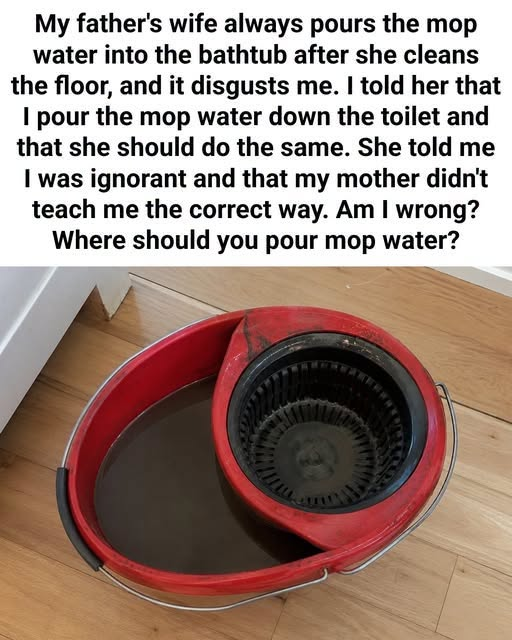
Where to Dispose of Dirty Mop Water: Toilet or Bathtub?
Introduction
Cleaning floors is a routine task in every household and commercial environment. While spotless floors indicate successful cleaning, there is often uncertainty when it comes to disposing of dirty mop water. Many people resort to pouring mop water either into the toilet or the bathtub, but this decision carries implications for hygiene, home safety, and wastewater systems. This comprehensive guide examines the most appropriate and environmentally sound method for disposing of mop water, highlights potential risks, and advocates best practices according to public health and plumbing experts.
Why Mop Water Disposal Matters
Mop water contains a collection of dirt, debris, cleaning chemicals, and occasionally bacteria and other contaminants picked up from surfaces. Uninformed disposal can negatively impact household plumbing, indoor air quality, and even municipal water systems. Choosing where to empty mop water is about balancing convenience and responsibility, with consideration for both immediate and long-term effects on your home and environment.
Common Mop Water Disposal Methods
Toilet Disposal
Many people opt to pour used mop water into the toilet. Toilets are designed to handle wastewater and solid matter, carrying it away through sewage lines. Flushing mop water ensures contents are directed into municipal wastewater treatment rather than accumulating within household plumbing. However, if mop water contains excessive debris, leftover food particles, or objects that do not break down easily, it may lead to blockages or strain the plumbing system.
Bathtub Disposal
Another common practice is emptying mop water into a bathtub or shower drain. Bathtubs are also connected to wastewater outlets and can handle liquid waste, but they are not equipped to manage large amounts of solid debris. Pouring dirty water into the tub can cause residue buildup on tub surfaces, requiring additional cleaning and risking accidental slip hazards. Additionally, if the drain is slow or prone to clogging, this method can worsen plumbing issues.
Sink Disposal
A kitchen or utility sink is another disposal option, especially if the water is not heavily contaminated. Modern sinks usually have strainers to catch solid debris, making them slightly safer—provided proper precautions are taken. However, pouring mop water directly into the sink may still pose risks if soap, harsh cleaners, or grease were used, as these can impact pipes and septic systems.
Potential Risks and Problems
Plumbing Issues
Dumping mop water containing solid matter, hair, or grease into drains may lead to blockages. Toilets, bathtubs, and sinks alike can become clogged if debris accumulates, necessitating costly repairs. According to plumbing professionals, regular introduction of foreign materials can gradually impair water flow and cause leaks or backups.
Residue and Hygiene Concerns
Residue left in bathtubs, showers, or sinks not only creates unsightly marks but may also harbor bacteria and odors. This is unsatisfactory in spaces intended for personal hygiene. Additionally, pouring cleaning chemicals or dirty water in these areas can mix with residues of soap or hair, amplifying cleaning efforts and sanitation concerns.
Environmental Impact
Wastewater treatment plants are designed to handle typical sewage contents, but excessive chemicals, oils, or solid debris can strain the system and reduce treatment efficiency. If your household uses a septic system, improper disposal may cause reservoir overloads or affect soil quality. Environmental groups and municipal services urge homeowners to avoid dumping hazardous cleaning chemicals down the drain to prevent water pollution.
Expert Recommendations: The Safest Way to Dispose Mop Water
Utility or Laundry Sinks
Experts recommend using a utility or laundry sink to dispose of mop water. These sinks are typically designed to handle dirty water, offer robust drainage systems, and are located away from areas used for food preparation or personal hygiene. They often withstand chemicals better and can be cleaned easily after disposal. If the water contains solid matter, strain it before pouring to avoid clogging.
Toilets with Precautions
If a utility sink is unavailable, toilets remain a suitable disposal location. Before pouring, ensure that the mop water does not contain large solids or foreign objects. Flush immediately after disposal to help move liquid out of the bowl and pipes.
Avoid Bathtub and Kitchen Sink Disposal
While convenient, using the bathtub or kitchen sink is not ideal. Bathtubs are best reserved for personal hygiene, and kitchen sinks for food handling. Using these for mop water disposal increases the risk of residue, slips, contamination, and drain clogs. If you must use these locations, thoroughly clean the area after disposing of mop water and inspect drains for potential blockages.
Public Health Guidelines
Organizations such as the U.S. Centers for Disease Control and Prevention (CDC) and the Environmental Protection Agency (EPA) highlight the importance of safe cleaning practices. They recommend minimizing the introduction of harsh chemicals, oils, or large debris into household drains. Proper disposal preserves plumbing integrity and reduces risks to human health.
How to Make Mop Water Disposal Easier and Safer
- Pre-strain mop water: Use a mesh or strainer to remove solid matter from mop water before disposal.
- Use eco-friendly cleaning solutions: Choose cleaning products that are safe for drains and minimize environmental impact.
- Rinse disposal areas: After pouring mop water, rinse the drain or bowl to remove residue and prevent buildup.
- Inspect drains: Regularly check drainage systems for clogs or slow flow to prevent major plumbing issues.
- Avoid combining mop water with hazardous chemicals: If you need to dispose of mop water that contains strong cleaning agents or solvents, follow your local hazardous waste disposal guidelines.
International and Societal Reactions
Globally, municipalities and environmental organizations are increasingly focused on reducing pollution and protecting water supplies. Some cities offer guidelines on responsible cleaning methods and disposal practices. For instance, in European Union countries, regulations emphasize the importance of avoiding hazardous chemicals in domestic wastewater. Public awareness campaigns in Australia and Canada encourage citizens to use eco-friendly cleaning products and recommend utility sinks for maintenance tasks.
In commercial contexts such as hotels, schools, and hospitals, cleaning staff are trained to dispose of dirty water in specialized utility drains or basins, reducing the likelihood of compromise to sanitation systems and minimizing environmental impacts.
Conclusion
Disposing of dirty mop water may seem simple, but choosing the right method is vital for the health and safety of your household and the environment. While toilets are generally the safest alternative after utility sinks, care must be taken to avoid introducing solids or hazardous chemicals into household plumbing. Bathtubs and kitchen sinks should be avoided unless no other options exist, and immediate cleaning is essential if they are used. By following expert recommendations and public health guidelines, everyone can keep floors clean and homes safe without risking plumbing or environmental harm.
Sources
- Centers for Disease Control and Prevention (CDC)
- Environmental Protection Agency (EPA)
- BBC
- Reuters
- The Guardian
Disclaimer: This content is intended for entertainment purposes only and is not based on real events.