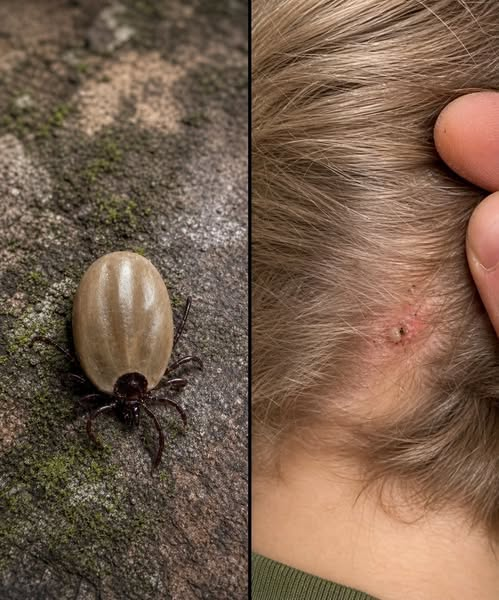
Ticks are small but potentially dangerous parasites that can latch onto humans and animals. For parents, discovering a tick on their child can quickly spark concern—what illnesses can be transmitted? How urgent is removal, and what symptoms demand immediate medical attention? This article sheds light on practical steps, medical guidance, and broader context about ticks, offering an informative and science-backed approach to help parents respond calmly and effectively.
What Are Ticks and Why Should Parents Be Concerned?
Ticks are arachnids, closely related to spiders, mites, and scorpions, and are commonly found in wooded areas, tall grasses, and gardens. They latch onto skin to feed on blood and in the process, can transmit a variety of diseases. Children, naturally curious and often playing outdoors, are at higher risk of tick encounters.
The principal health threat posed by ticks stems from their ability to carry and transmit pathogens, notably Lyme disease, Rocky Mountain spotted fever, ehrlichiosis, and babesiosis. While not every tick carries these pathogens, prompt action is crucial to minimize the risk of infection.
Steps to Take When You Find a Tick on Your Child
Step 1: Remain Calm
It is normal to feel alarmed, but panic can lead to rushed decisions. According to the Centers for Disease Control and Prevention (CDC), most tick bites do not lead to serious illness. Taking methodical steps helps ensure safety and peace of mind.
Step 2: Remove the Tick Safely
Proper removal is vital. Here’s how to do it:
- Use clean, fine-tipped tweezers.
- Grasp the tick as close to the skin’s surface as possible.
- Pull upward with steady, even pressure. Avoid twisting or jerking, which could cause the tick’s mouthparts to break off and remain in the skin.
- If mouthparts remain, remove them if possible with tweezers. If not, leave them alone—the body will usually expel them naturally.
- Once removed, clean the bite area and your hands with rubbing alcohol, soap and water, or an antiseptic.
- Dispose of the tick by placing it in alcohol, sealing it in a bag or container, wrapping it tightly in tape, or flushing it down the toilet. Do not crush a tick with your fingers.
Many medical authorities recommend saving the tick in a sealed container, as identification can be helpful if symptoms later develop.
Step 3: Monitor for Symptoms
After removal, parents should keep an eye on the child for at least 30 days. Not all tick-borne diseases present symptoms immediately. Key things to watch for include:
- Rash: Especially a bullseye-shaped rash, which is a classic sign of Lyme disease.
- Fever: Elevated body temperature could signal an infection.
- Fatigue: Unusual tiredness or lethargy not explained by other causes.
- Headaches, muscle and joint pain: These can accompany many tick-borne illnesses.
- Swelling or redness at the bite site: May indicate a reaction or infection.
- Neurological symptoms: Numbness, tingling, or facial paralysis may occur in rare cases.
If any of these symptoms appear, especially within days to weeks following the bite, consult a healthcare provider promptly.
Medical Perspective: When to Seek Help
According to the CDC, prompt tick removal dramatically reduces the risk of transmission. Most tick-borne pathogens, including Lyme disease bacteria, require at least 36–48 hours of feeding to be transmitted. If the tick was discovered early, the chances of infection are lower.
Professional medical evaluation is recommended if:
- You are unsure about the complete removal of the tick.
- The bite site is showing signs of infection (oozing, excessive swelling, persistent pain).
- Your child develops a rash, fever, or any unexplained symptoms in the weeks following the bite.
- The tick is from a region known for high transmission rates (such as the Northeastern United States for Lyme disease).
Medical practitioners may prescribe prophylactic antibiotics in certain situations, especially if the tick is identified as a Lyme disease vector and it was attached for over 36 hours.
Understanding Tick-Borne Diseases
Ticks have become increasingly relevant in public health discussions. Climate change and urban expansion have broadened their reach, leading to rising cases worldwide. Below are the key diseases parents should know about:
Lyme Disease
Caused by the bacterium Borrelia burgdorferi, Lyme disease is transmitted by the black-legged tick (Ixodes scapularis). Symptoms include fever, chills, headache, fatigue, muscle and joint aches, and swollen lymph nodes. The hallmark symptom is the bullseye rash (erythema migrans).
Rocky Mountain Spotted Fever
Transmitted by the American dog tick, brown dog tick, and Lone Star tick, this disease can cause severe symptoms such as high fever, headache, rash, and can be fatal without early treatment.
Ehrlichiosis and Babesiosis
Both conditions are becoming more common. Ehrlichiosis is characterized by fever, headache, muscle aches, and sometimes a rash. Babesiosis is caused by microscopic parasites and can produce malaria-like symptoms.
Expert Views: How to Minimize Tick Risks
Experts recommend several preventive steps, especially during tick season (spring through fall):
- Wear light-colored clothing and tuck pants into socks when outdoors.
- Use EPA-registered insect repellents containing DEET, picaridin, or permethrin.
- Check children and pets thoroughly after outings.
- Shower promptly after returning home from tick-prone areas.
- Keep yards maintained by mowing grass, removing leaf litter, and clearing brush.
Education and vigilance are key. Dr. Paul Mead, a CDC tick-borne disease expert, emphasizes that “most tick exposures can be prevented by simple steps.”
International and Societal Responses to Tick-Borne Threats
Globally, public health agencies are responding to the growth of tick-borne diseases. The World Health Organization (WHO) highlights the importance of surveillance and public education, while the CDC and European agencies focus on improved diagnostic tools and awareness campaigns. In many parts of the United States, Canada, and Europe, rising tick populations have prompted local governments to deploy targeted removals, share risk maps, and encourage community engagement.
Schools and parent organizations are now integrating tick awareness into outdoor activity planning, ensuring children’s safety through education and preventive policies.
Empowering Parents: Moving Beyond Fear
Finding a tick can be alarming, but knowledge and preparedness empower families to respond confidently. Most tick bites will not result in disease, especially when the tick is removed quickly and thoroughly. Vigilance, timely action, and symptom monitoring are the cornerstones of safe outcomes. Parents who keep informed, follow prevention guidelines, and know when to seek medical advice will be well-equipped to handle tick encounters.
Conclusion
Ticks remain an important concern for parents, particularly during outdoor activities in high-risk areas. Understanding the correct steps—from removal to symptom monitoring, and prevention—enables families to protect their children without undue alarm. Public health efforts, expert advice, and community initiatives continue to expand awareness, making tick-borne diseases a manageable threat for informed households.
Sources
- Centers for Disease Control and Prevention (CDC)
- World Health Organization (WHO)
- Mayo Clinic
- BBC News
- The Guardian
- Reuters
- Al Jazeera
Disclaimer: This content is intended for entertainment purposes only and is not based on real events.