When Trust Is Broken: The Hidden Camera in Our Airbnb
The Allure of Home Rentals and the Risks Beneath the Surface
In today’s world, digital platforms have revolutionized the ways we travel, work, and live. Services like Airbnb, Vrbo, and other short-term rental companies promise the comfort of home and the allure of local experience, all packaged through technology, reviews, and branding. Millions of users rely on these platforms for both convenience and perceived safety, which often comes down to the trust in their names, online ratings, and photos.
Yet, beneath this veneer of familiarity and trust, there are growing risks. Technology that makes sharing and renting easier also unleashes privacy concerns and potential dangers. The story of discovering a hidden camera in an Airbnb rental is not isolated — it’s a cautionary tale emblematic of modern travel risks.
Discovering the Unthinkable: A Personal Account
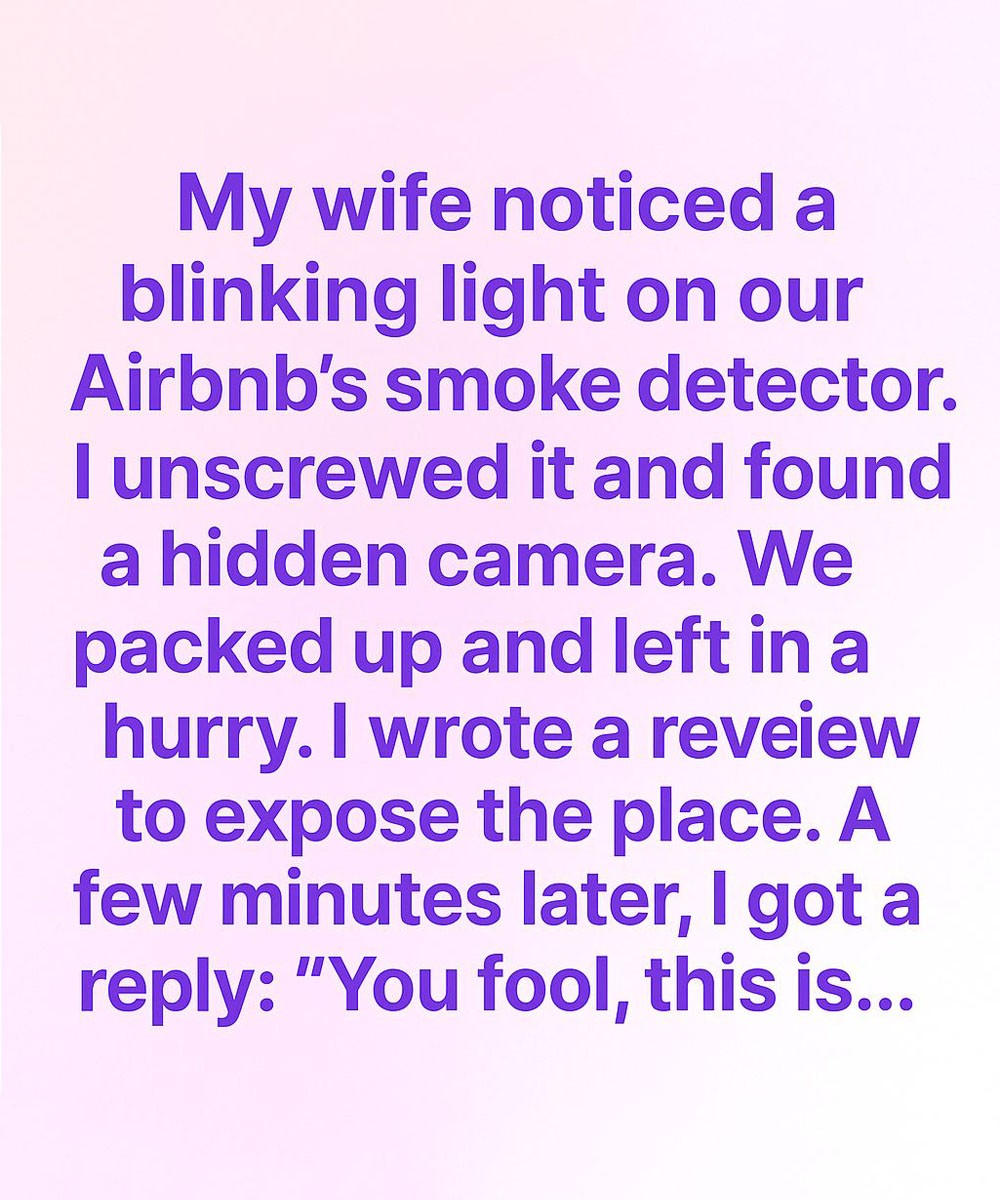
The shock began with a detail small enough to dismiss: a blinking light on a smoke detector. Suspicion turned to horror when the device revealed not a traditional sensor, but a tiny lens embedded within.
Confronted with the violation of privacy, the instinctive response was immediate. Bags were packed and the property was left behind in haste and fear. Even then, the sense of safety was irreparable. From the safety of a distant location, a warning was issued to alert future guests of the potential danger lurking in an ordinary rental.
This experience underscores the complex reality of digital trust. It isn’t just a story about a secret device or a negative rental; it’s a stark reminder that even in spaces marketed as welcoming and secure, appearances can be deeply deceiving.

How Common Are Hidden Cameras in Short-Term Rentals?
Reports of concealed cameras in rental homes are infrequent but far from unheard of. According to investigations from credible outlets such as Reuters and BBC, incidents have surfaced worldwide. Hidden devices may be located in decorative objects, alarm clocks, or — as in this story — modified smoke detectors.
A survey conducted by the American Hotel and Lodging Association noted that privacy concerns topped the list of complaints among travelers. The proliferation of inexpensive, miniature surveillance technology has made it easier for malicious actors to record unauthorized footage without detection.
The Legal and Policy Landscape Surrounding Surveillance
Privacy laws vary across countries and states. In the United States, most states have explicit statutes making it illegal to record guests in private areas such as bedrooms or bathrooms without consent. Airbnb’s own policies require hosts to disclose any recording devices on the property and prohibit hidden surveillance in private spaces. Failure to comply can result in removal from the platform and legal repercussions.
The European Union’s General Data Protection Regulation (GDPR) also enforces strict privacy standards. Unauthorized surveillance can attract severe penalties, including fines and criminal charges. In Australia and Canada, privacy legislation is similarly robust, although enforcement often depends on victim reports.
Despite these legal frameworks, enforcement presents challenges. Investigations are often reactive, initiated only once a violation is discovered. Platform responses can be prompt or slow, depending on the evidence presented and the jurisdiction in question.
Expert Views on Surveillance and Traveler Safety
Security experts recommend vigilance as a critical measure for travelers. “Travelers should be aware of their environment and never assume that a clean, well-reviewed listing is invulnerable to privacy breaches,” says Michael Thiel, a cybersecurity consultant. He recommends inspecting suspicious devices, using phone flashlights to reveal reflective lenses, and searching for unusual electronics in bedrooms and bathrooms.
While platforms like Airbnb have introduced improved screening, background checks, and safety resources, experts agree that no system is fully failproof. Hosts may circumvent disclosure rules, and gaps in renter protections remain.
Victims of hidden surveillance are advised to document evidence, report to both the platform and local authorities, and avoid any direct confrontation with hosts. Legal remedies include civil claims for invasion of privacy and criminal charges where applicable.
Responding to the Violation: Individual and Platform Actions
Immediate action is crucial. Upon discovering a hidden camera, experts recommend:
- Documenting the location, device, and any serial numbers or distinctive details.
- Taking photographs and videos as evidence.
- Exiting the property as soon as possible.
- Reporting the incident to local law enforcement and the rental platform.
- Leaving a factual review to warn other guests.
- Seeking emotional support, as privacy violations can have lasting mental health effects.
Major platforms have established reporting channels and support teams to assist victims. Airbnb, for example, provides a 24-hour emergency hotline and rapid response teams. However, critics claim that enforcement remains inconsistent, especially when cases cross international borders.
Societal and International Reaction to Rental Privacy Concerns
As incidents of intrusion gain media traction, societies have become increasingly vocal about demanding stronger regulation. Governments in Europe and North America have started reviewing platform accountability, pushing for improved industry standards and regular audits.
Public sentiment tends to be empathetic toward victims and critical of companies that fail to safeguard user privacy. In South Korea, Australia, and the UK, local authorities have launched investigations after viral reports on social media. Some cities are considering regulatory measures requiring hosts to undergo licensing, property inspections, and mandatory disclosure of monitoring devices.
Privacy advocacy groups call for education campaigns to inform travelers about their rights and available protections. Many emphasize the importance of technological literacy, urging renters to perform routine security checks and use smartphone apps designed to detect wireless cameras.
The Psychological Effects of Surveillance Violations
Discovering a hidden camera can produce intense distress, including anxiety, fear, and a lasting feeling of vulnerability. Mental health organizations say that privacy breaches can cause trauma comparable to other forms of violation. Victims are encouraged to seek counseling, talk with support groups, and, if necessary, consult legal professionals.
Long-term effects may include suspicion in future rentals and reduced willingness to travel. Awareness of these potential impacts has prompted platforms to expand resources for emotional support and compensation, reinforcing the importance of a comprehensive response.
Technological Solutions and Future Directions
Technology both causes and cures the surveillance dilemma. Portable camera detectors, Wi-Fi scanning applications, and physical inspections are increasingly recommended by experts. Platforms continue to invest in artificial intelligence to screen listings for suspicious devices or deceptive hosts.
Legislation is also evolving. In the US, several states have increased fines and expanded criminal liability for privacy breaches. The EU is moving toward unified standards for rental home surveillance, requiring host transparency and regular property audits.
Ultimately, the balance between convenience and security in short-term rentals depends on vigilant users, responsive platforms, and robust legal protections. Transparency, education, and technological innovation play critical roles in helping travelers stay safe.
Practical Tips for Ensuring Privacy While Traveling
- Before booking, verify host credentials and closely read reviews for mentions of privacy issues.
- Upon arrival, inspect common devices such as smoke detectors, alarm clocks, and wall plugs.
- Use phone flashlights to reveal hidden lenses and consider basic camera-detecting apps.
- Report any suspicious findings to the platform and authorities.
- Familiarize yourself with relevant local laws about privacy and surveillance.
- Discuss your concerns with travel companions and agree on escape plans if necessary.
Awareness and proactive action are the best safeguards in a world where trust must often be earned, not assumed.
Conclusion: The Enduring Importance of Vigilance
The discovery of a hidden camera in a trusted rental is a stark reminder that digital convenience can mask real risks. As technology continues to permeate every aspect of daily life, travelers must adapt by remaining vigilant, seeking knowledge, and demanding accountability from service providers. While platforms and lawmakers work to strengthen protections, true security depends on informed, empowered individuals.
The story serves as an urgent call for transparency and education, as well as empathy for those affected. In an age of constant change, vigilance is not only wise but necessary, ensuring that the comfort of home remains just that — a place of privacy, safety, and peace.
Sources
Disclaimer: This content is intended for entertainment purposes only and is not based on real events.