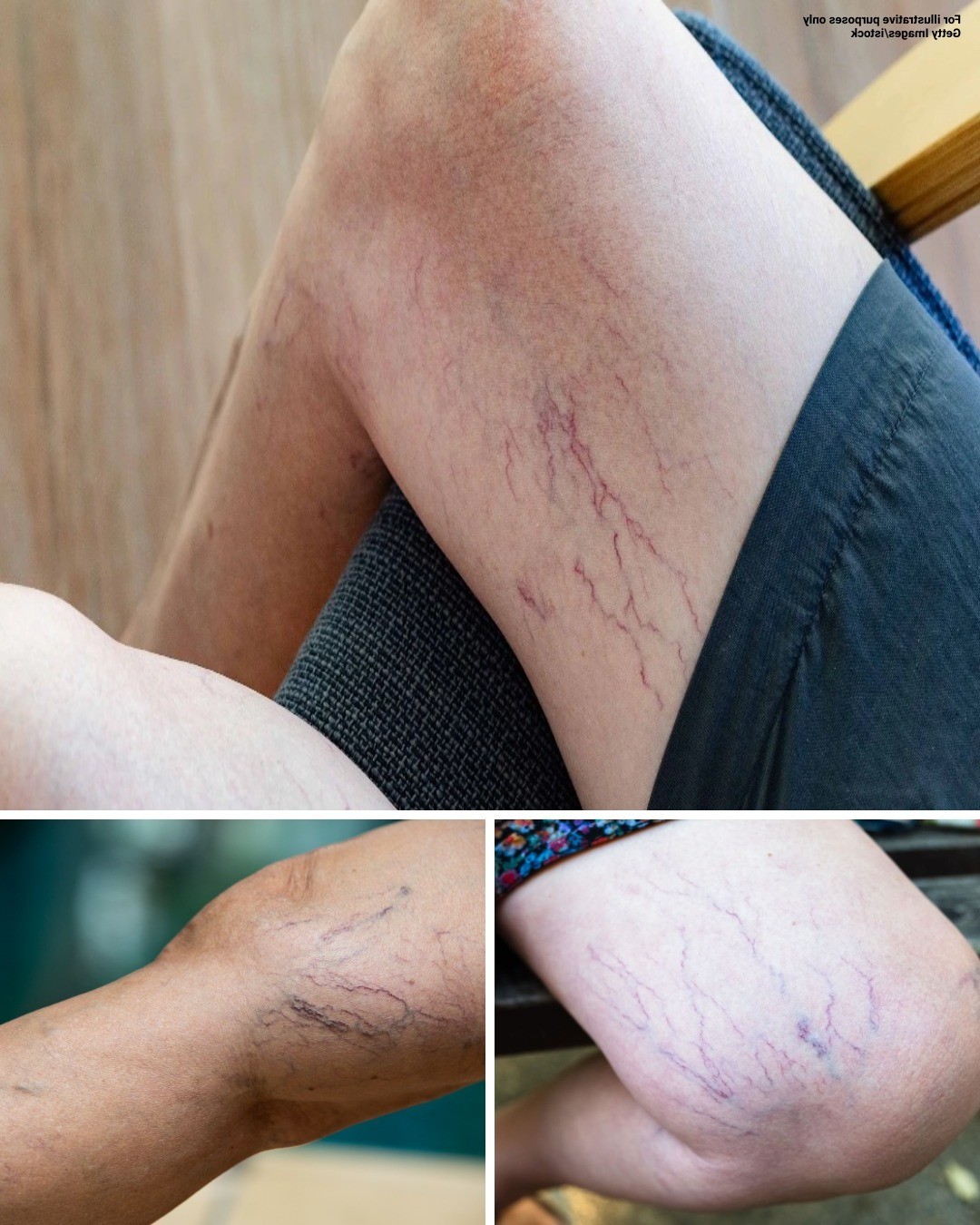
If You Have Purple Veins on Your Legs, Here’s What It Means
Visible purple or bluish veins on the legs—a condition commonly recognized as spider veins or the early stages of varicose veins—are a frequent vascular concern worldwide. While often dismissed as a cosmetic inconvenience, these veins can signal underlying issues with circulatory health. Understanding the causes, symptoms, risks, and management of purple veins on the legs is crucial for maintaining vascular wellness and overall quality of life.
Understanding How Purple Veins Form
The circulatory system is responsible for transporting oxygen-rich blood throughout the body and returning oxygen-depleted blood back to the heart. Veins in the legs work against gravity, using tiny one-way valves to prevent blood from flowing backward. When these valves weaken or become damaged, blood can pool within the veins. This increases pressure, causing the veins to enlarge, darken, and become more visible under the skin as purple or blue streaks.
Spider veins (telangiectasia) present as fine, web-like purple or red lines, typically found on the thighs, calves, or ankles. Early varicose veins are larger, bulging, and often appear twisted. The appearance of these veins is not merely an aesthetic concern—they may be an early warning sign of dysfunctional blood flow from the legs back to the heart.
Main Causes and Contributing Factors
Multiple elements can increase the risk of developing purple veins on the legs. Most cases result from a combination of genetic predisposition and lifestyle habits that strain the venous system.
- Age and Genetics: The elasticity of veins naturally decreases with age. People who have a family history of varicose veins or chronic venous insufficiency are more likely to develop visible veins earlier in life.
- Prolonged Sitting or Standing: Occupations and lifestyles that involve long periods of sitting or standing hinder blood flow, allowing pressure to build up in the veins.
- Physical Inactivity: Lack of exercise reduces the pumping action of the calf muscles, essential for propelling blood upward.
- Excess Weight: Carrying extra body weight puts additional pressure on the veins, exacerbating pooling and stretching.
- Hormonal Changes: Shifts in hormone levels—such as those during puberty, pregnancy, menopause, or from birth control pills—relax the vein walls and valves, making problems more likely, especially in women.
- Pregnancy: Increases in blood volume and pressure from the uterus can worsen venous reflux, often leading to visible veins.
- Clothing Choices: Tight belts, jeans, or socks can restrict proper blood flow in the legs and contribute to vein strain.
- Dehydration: Not drinking enough fluids can reduce blood volume and increase viscosity, complicating circulation.
Symptoms That Indicate Circulatory Strain
Purple veins on the legs often appear more noticeable at the end of the day or after extended periods of activity or inactivity. Common accompanying symptoms include:
- Heaviness or aching in the legs
- Swelling around the ankles or calves
- Mild burning, itching, or discomfort along the veins
- Muscle cramping, particularly at night
- Localized tenderness or soreness
While spider veins are largely harmless, persistent or worsening symptoms suggest underlying chronic venous insufficiency, where the leg veins fail to circulate blood efficiently. Over time, untreated vein problems can develop into more serious complications, such as pronounced varicose veins, chronic swelling, skin discoloration, dermatitis, or—even in rare cases—leg ulcers.
Potential Risks and Health Implications
Not all visible veins require urgent intervention. However, chronic poor circulation in the lower extremities can reduce mobility and diminish life quality. In addition to discomfort and cosmetic concerns, untreated venous issues can result in:
- Progression from spider veins to painful, swollen varicose veins
- Persistent swelling (edema) that affects daily movement
- Changes in skin texture and color, including eczema or brownish stains
- Formation of slow-healing wounds or ulcers near the ankles, particularly in older adults
- Rare but serious issues like thrombophlebitis (inflammation caused by blood clots in the veins)
Early recognition and prevention strategies can play a critical role in safeguarding vascular health and averting potential complications.
Diagnosis: When to See a Healthcare Provider
Persistent or symptomatic purple veins warrant evaluation by a healthcare professional. Diagnosis typically involves a physical examination and review of personal and family medical history. In some cases, a Doppler ultrasound test is used to assess blood flow, vein function, and rule out underlying conditions like deep vein thrombosis (DVT).
Consulting a doctor is especially important if you experience pain, significant swelling, skin changes, or sores on your legs, or if there is a sudden increase in the number or size of visible veins.
Prevention and Lifestyle Modifications
The good news is that many early vein problems can be effectively managed with lifestyle adjustments and preventive strategies. These include:
- Regular Movement: Engage in daily walking, cycling, swimming, or light exercises to encourage blood flow and strengthen calf muscles.
- Elevate Your Legs: Elevate the legs above the level of the heart for 15-30 minutes several times a day to facilitate venous return.
- Compression Stockings: Medical-grade stockings gently squeeze the legs, helping veins and leg muscles move blood more efficiently upward. Consult a healthcare provider for correct sizing and use.
- Healthy Hydration: Drink enough water to maintain blood volume and circulation.
- Weight Management: Maintaining a healthy weight reduces pressure on leg veins and lowers the risk of vein enlargement.
- Avoiding Prolonged Sitting or Standing: Change positions regularly, take stretch breaks, and avoid crossing your legs for extended periods.
- Appropriate Clothing Choices: Choose loose-fitting apparel to avoid constricting blood flow around the waist, legs, or ankles.
Proactive self-care, particularly in individuals with a family history or risk factors, can delay or prevent the progression of vein issues.
Medical and Minimally Invasive Treatments
When lifestyle changes are insufficient or cosmetic concerns are significant, medical intervention might be considered. Modern therapies are typically minimally invasive and highly effective. Options include:
- Sclerotherapy: A medical professional injects a solution into affected veins, causing them to collapse and fade over a few weeks. It’s one of the most common treatments for spider veins and small varicose veins.
- Laser Therapy: High-intensity light targets and closes off tiny veins under the skin, suitable for superficial spider veins.
- Endovenous Ablation: Laser or radiofrequency energy is applied via a catheter to close off larger veins. Usually performed on an outpatient basis with minimal discomfort.
- Vein Stripping and Ligation: Rarely required today, but may be necessary for extensive, painful, or recurrent varicose veins.
- Foam Sclerotherapy: A foam solution is injected for larger or stubborn varicose veins.
These treatments are typically performed by vascular specialists or dermatologists. The choice of therapy depends on the severity of the condition, the location of the veins, and the individual’s general health.
International Perspectives and Societal Impact
Visible vein disorders, including varicose and spider veins, are common worldwide, with prevalence estimates ranging from 20-30% of the adult population in many countries. Occupational health policies in some European nations actively address the relationship between workplace ergonomics and venous disease. In regions where hot climates predominate, or where manual labor is prevalent, higher rates of chronic venous insufficiency have been observed.
Awareness campaigns by organizations such as the World Health Organization (WHO) and the American Heart Association stress the importance of recognizing early symptoms and maintaining vascular health, especially in aging populations. With the rise of sedentary work and global obesity rates, experts emphasize preventive strategies, regular screening, and access to quality vascular care resources.
Expert Insights on Vein Health
Medical experts agree that while purple veins may seem inconsequential, they are a signal not to be ignored. According to vascular health authorities, the majority of circulatory issues are manageable or preventable, especially when spotted early. The Mayo Clinic recommends seeking medical evaluation at the onset of symptoms, prioritizing daily movement, and using lifestyle strategies as first-line prevention. The National Health Service (NHS) in the UK also provides extensive resources for recognizing symptoms and understanding safe treatment options.
Conclusion
In summary, purple veins on your legs indicate that your circulatory system is under extra strain. While they may start as a cosmetic concern, these veins reflect deeper changes in the health of your blood vessels and should be viewed as an early alert to take action. Through regular physical activity, hydration, healthy weight management, appropriate attire, and—when necessary—medical intervention, you can promote healthy circulation and protect your vascular health for years to come. Attending to the signals your body provides is the cornerstone of long-term wellness.

Sources
Disclaimer: This content is intended for entertainment purposes only and is not based on real events.