Matty’s Hilarious Potty Training Journey Captures Hearts Online
Introduction: Potty Training Milestones and Modern Parenting
Potty training marks a significant developmental milestone in early childhood, symbolizing growing independence and the nurturing dynamics between parent and child. In recent years, moments from everyday family life have increasingly found their way onto social media, allowing global audiences to share in these formative experiences. One particular video, featuring a young boy named Matty and his playful interaction with his father, has resonated deeply with viewers for its mix of humor, empathy, and candidness, highlighting both the challenges and joys of toilet training.
The Viral Moment: Matty’s Unexpected Potty Achievement
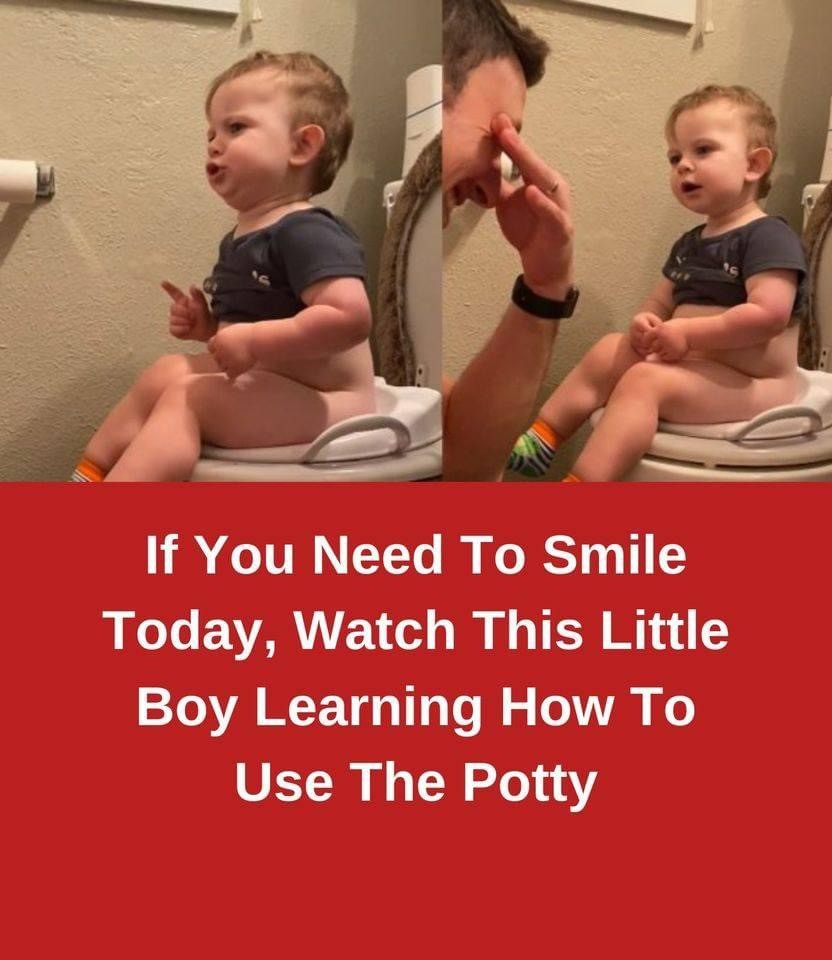
In the now-famous video, Matty is shown confidently seated on his potty, eager to share his success with his father. The scene initially focuses on Matty’s pride in mastering the ability to urinate in the toilet—a moment that in itself is worth celebration. However, the real twist comes from Matty’s additional accomplishment; not only has he managed to pee, but evidence in the toilet bowl points to a successful bowel movement as well.
Despite what’s clearly visible, Matty humorously declines responsibility for the latter achievement. While he readily admits to peeing, Matty adamantly denies having pooped, punctuating his statements with playful voices and gestures that only add to the amusement of the moment. The interaction between the father and son is marked by warmth, understanding, and laughter, reflecting the supportive environment that so often characterizes positive parenting.
Watching his son’s comedic insistence, Matty’s dad cannot help but chuckle. This gentle exchange captures more than just the act of potty training—it showcases the trust, patience, and encouragement parents offer as children tackle new skills.

The Role of Family Bonds in Early Learning
Potty training is a process that demands empathy, patience, and adaptability from both children and their caregivers. Developmental psychologists affirm that children often face anxiety or embarrassment during toilet training, and supportive parental reactions can make a significant difference in the child’s confidence and willingness to learn. Matty’s video is a vivid illustration of this, with the father engaging his son through encouragement and humor, fostering an environment where Matty feels safe and unjudged, even as he hesitates to acknowledge his full achievement.
Moments like these go beyond practical skills—they reinforce strong familial relationships and can set the stage for healthy social and emotional development. According to the American Academy of Pediatrics, positive reinforcement during milestones such as potty training can promote self-esteem and resilience, encouraging children to view challenges as opportunities for growth rather than obstacles to avoid.
Social Media’s Power in Sharing Childhood Milestones
The video’s journey from a private family moment to an internet sensation underscores the role social media plays in contemporary parenting. After Matty’s mom, Dani, uploaded the clip to Facebook, it quickly caught the attention of viewers worldwide, amassing more than 29 million views. This surge in popularity demonstrates the universal appeal of genuine, humorous moments that reflect everyday life.
What sets Matty’s video apart is not just the content, but the context—the relatability of a parent and child navigating what is often a stressful milestone with laughter and tenderness. Parents and caregivers watching from across the globe saw themselves in Matty’s family, leading to an outpouring of comments and shares.
The reactions were overwhelmingly positive, with viewers praising Matty’s charming personality and the evident bond between him and his parents. Social media users expressed delight at Matty’s entertaining gestures and the comedic timing of his denials. Many resonated with the lighthearted spirit, noting that the video provided much-needed joy and stress relief during otherwise hectic days.
Parental Approaches to Potty Training: Expert Insights
Potty training methods and expectations vary widely across cultures, but pediatric experts agree on a few fundamentals: readiness, encouragement, and patience. Dr. Laura Jana, a pediatrician and author of “Toddler Parenting,” notes that a child’s willingness to learn plays a paramount role in achieving this milestone. Effective strategies include clear communication, modeling behaviors, and reinforcing successes, whether large or small.
According to the Mayo Clinic, parents should look for signs of readiness in children, such as interest in bathroom habits, ability to follow instructions, and staying dry for longer periods. Matty’s video displays a critical aspect of the process—the importance of letting children express themselves, even if that means embracing silly denials or humorous reactions.
Modern parenting emphasizes flexibility and encouragement, understanding that setbacks and funny moments are integral to growth. As seen in Matty’s story, allowing space for laughter and acknowledgment of mistakes can turn a potentially stressful process into an opportunity for connection and learning.
International Perspective: How Families Navigate Toilet Training
Globally, approaches to potty training differ based on cultural norms, societal expectations, and available resources. In some countries, such as Sweden, parents often start toilet training earlier, guided by community support and less pressure to achieve immediate results. In other regions, extended families participate closely, turning milestones like toilet training into communal celebrations.
The viral nature of Matty’s video illustrates the universality of these experiences. Regardless of where families live or what methods they use, moments of humor, challenge, and achievement are common. This shared understanding can foster empathy and curiosity between parents in different parts of the world, as evidenced by cross-cultural social media interactions.
Societal Reaction: Why Humor Matters in Parenting
Public comments on the video highlight an important aspect of family life: humor as a coping and learning tool. Psychologists recognize that laughter can diffuse tension, promote positive communication, and strengthen relationships. In the context of potty training, which can sometimes lead to frustration or embarrassment, humor creates a safe space for children to express themselves honestly.
Many viewers applauded Matty’s playful personality, noting that his entertaining approach helped normalize the idea that children may feel embarrassed or playful about bodily functions. This broader conversation encourages parents to support their children through empathy and understanding, rather than pressure or criticism.
The widespread appeal of Matty’s video also speaks to the changing nature of digital communities. Where once milestones were kept private, today families increasingly share moments online, finding support, advice, and camaraderie among strangers who appreciate honesty and vulnerability.
Pediatric Guidance: The Importance of Positive Reinforcement
Pediatricians stress that positive reinforcement is crucial in teaching children healthy habits. This includes praising successes, being patient during setbacks, and avoiding punitive or shaming responses. The playful encouragement seen in Matty’s video aligns with best practices recommended by organizations like the American Academy of Pediatrics and the Centers for Disease Control and Prevention (CDC).
Children are more likely to develop confidence and independence if they sense acceptance from their caregivers. Matty’s reluctance to claim his accomplishment can be interpreted as a moment of vulnerability; his father’s gentle humor and encouragement suggest an understanding of this and provide reassurance rather than criticism.
Health experts also recommend maintaining open communication about bodily functions and self-care as children grow, normalizing these topics to dispel shame and uncertainty. This approach has long-term benefits, supporting physical health, emotional maturity, and even relationship dynamics in later life.
Digital Trends: Parenting in the Age of Viral Video
As this story demonstrates, families are increasingly comfortable sharing formative moments on platforms such as Facebook, Instagram, and TikTok. These posts can create viral trends, providing entertainment, education, and a sense of collective experience. While parents should always consider privacy and child safety when posting online, positive viral videos can offer encouragement and reduce isolation among families facing common challenges.
Social media has enabled communities to exchange tips, personal stories, and expert advice, democratizing access to resources about parenting. In Matty’s case, the overwhelmingly positive response emphasized the appreciation for candid, relatable experiences, demonstrating that the challenges of parenting are best faced together—even by virtual communities.
Conclusion: Celebrating Family Growth and Shared Joy
Matty’s hilarious potty training journey is more than just a viral sensation—it’s a testament to the power of humor, empathy, and positive reinforcement in raising healthy, confident children. The video, cherished by millions, reminds viewers that every milestone—no matter how small or humorous—deserves to be celebrated. It also invites broader conversations about the importance of supportive parenting, cultural perspectives on childhood development, and the ways in which digital communities can unite families worldwide.
As families continue to navigate the ups and downs of early childhood, Matty’s story stands out as an example of how laughter and love can transform everyday moments into lifelong memories.
Sources
- Reuters
- BBC
- CDC: Childcare and Toilet Training
- Mayo Clinic: Potty Training
- American Academy of Pediatrics
Disclaimer: This content is intended for entertainment purposes only and is not based on real events.