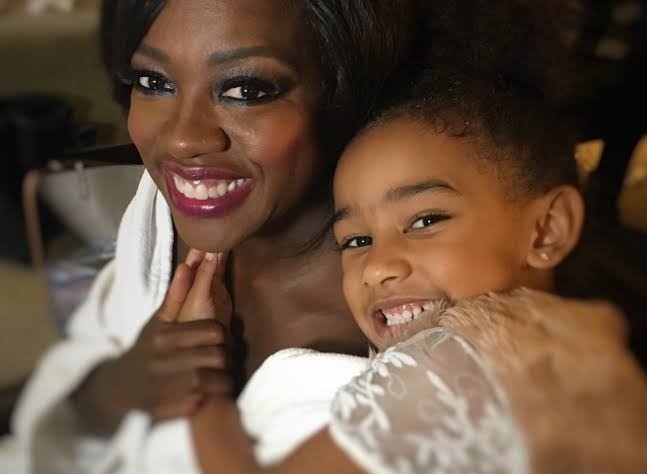
Celebrity Adoptions: How Famous Figures Embrace Parenthood Through Adoption
Introduction to Celebrity Adoption
Adoption has become a significant and meaningful path to parenthood for individuals around the world, including celebrities. Over the years, numerous well-known personalities have chosen to welcome children into their families through adoption, reflecting both the diversity and complexity of family dynamics. Whether domestic or international, celebrity adoptions highlight the ways in which public figures navigate the legal, cultural, and emotional aspects of this journey. By sharing their stories, celebrities contribute to public awareness, foster social acceptance, and inspire others considering adoption.
Adoption in the Public Eye: A Brief History
The phenomenon of celebrity adoption gained greater visibility in the late 20th and early 21st centuries as more stars began discussing their experiences and expanding their families through adoption. For some, adoption was a response to challenges with biological parenthood; for others, it was driven by a commitment to providing homes for children in need. With media attention often focusing on their personal lives, celebrities play a unique role in shaping public discourse around adoption, including the challenges and rewards it presents.
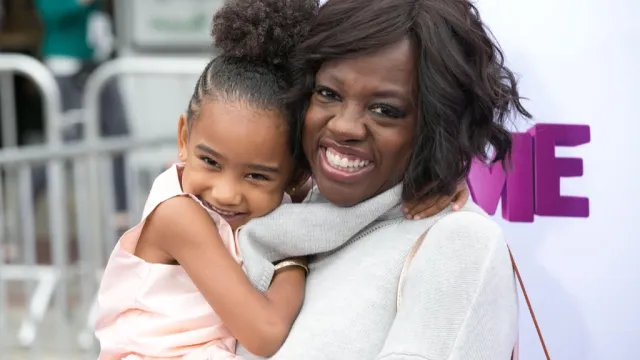
International Adoptions: Bridging Borders and Cultures
International adoption has attracted numerous celebrities, introducing children from varied backgrounds and cultures to blended families. Perhaps the most prominent example in recent years is Angelina Jolie. Jolie adopted three children from different countries: Maddox from Cambodia in 2002, Zahara from Ethiopia in 2005, and Pax from Vietnam in 2007. Her commitment to adopting children from vulnerable circumstances made headlines worldwide, prompting conversations about international adoption policies, ethical concerns, and the importance of supporting children in need globally.
Brad Pitt, Jolie’s partner at the time, later became the legal adoptive father of these children. The couple, along with their three biological children, constructed a large family that emphasized inclusivity and cross-cultural understanding. The Jolie-Pitt family, known for their humanitarian work and global outreach, exemplifies how international adoption can benefit both children and adoptive parents.
Domestic Adoption: Building Families at Home
While international adoption often receives media coverage due to the challenges of navigating different legal systems, domestic adoption has also been embraced by many stars. Meg Ryan, a renowned actress, adopted Daisy True from China in 2006, joining her biological son Jack. Ryan has spoken in interviews about her motivations and the blend of cultures within her family, highlighting the emotional journey and sense of fulfillment she experienced.
Jamie Lee Curtis and Christopher Guest are another example of a couple who have expanded their family through domestic adoption. The pair adopted their two children, Annie and Thomas, and Curtis has been vocal about the importance of openness and honesty in adoption, advocating for sensitivity in addressing adoptees’ questions and feelings. Marie Osmond, famous for her musical and television career, has adopted five of her eight children, demonstrating the varied pathways through which families grow.
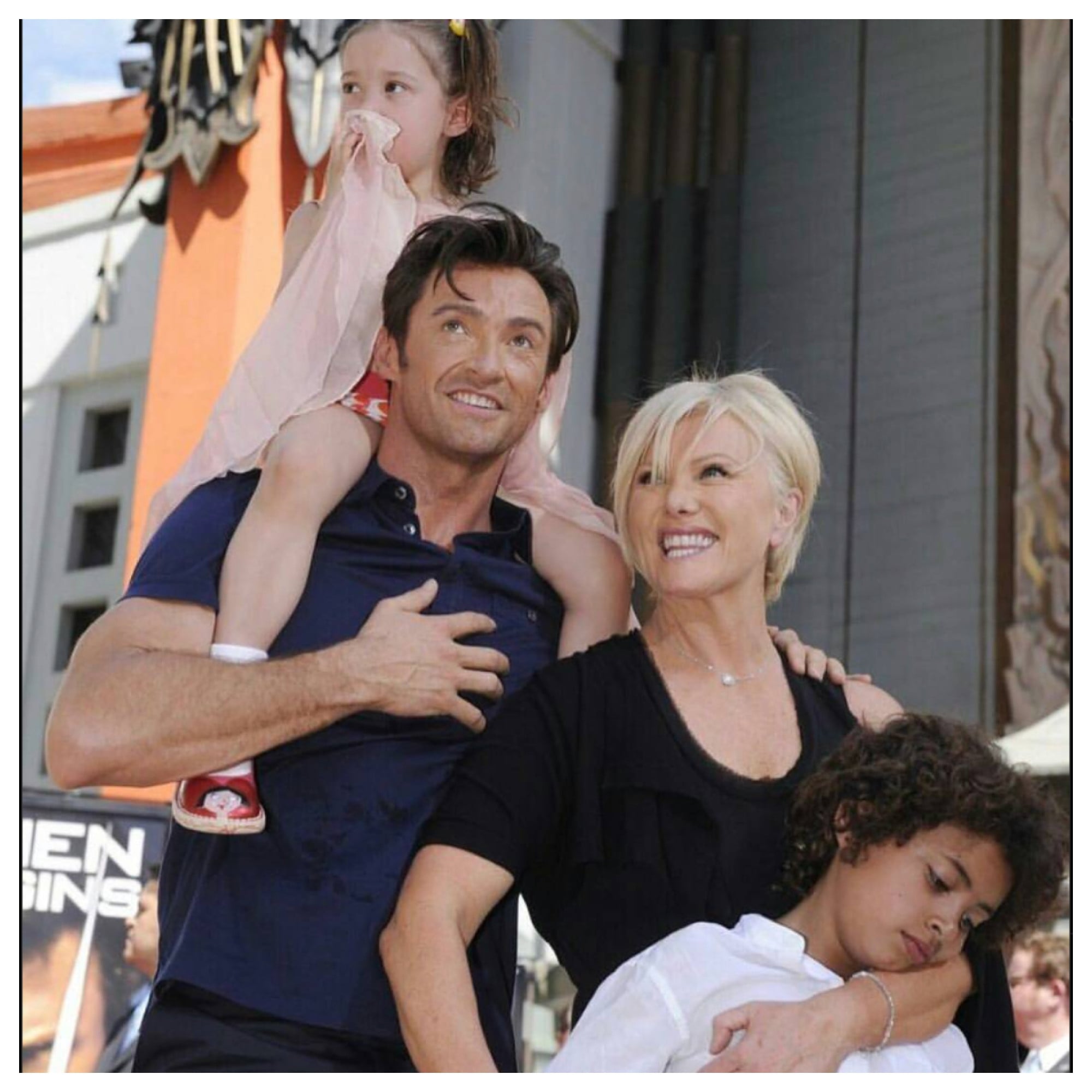
Mia Farrow’s Expansive Family: Diversity and Inclusion
Mia Farrow’s family remains one of the most diverse and expansive among Hollywood celebrities. Farrow, an actress and activist, welcomed 14 children into her family, including ten who were adopted from different backgrounds. Her approach to adoption was driven by compassion, a desire to help children in need, and a belief in the importance of fostering multicultural awareness within her home. Farrow has spoken about her family in interviews, focusing on the joys and challenges of raising children with varied histories, abilities, and needs. Her openness has contributed to broader discussions on adoption, disability inclusion, and cultural diversity.
The Motivations Behind Celebrity Adoptions
Celebrities often cite a range of motivations for choosing adoption, including personal experiences, humanitarian concerns, and the pursuit of family diversity. For some, the choice is influenced by infertility or health-related challenges, while others are driven by a sense of responsibility to help children living in difficult situations. The visibility of celebrities amplifies the narrative around adoption, helping to reduce stigma and encourage others to consider this path. Adoption, in many cases, also aligns with celebrities’ philanthropic interests and global outreach efforts.

Challenges and Considerations in Adoption
Adoption, whether domestic or international, involves a series of challenges that celebrities and their families must address. Legal and bureaucratic hurdles can complicate the process, particularly in cross-border adoptions, where differing regulations and cultural contexts come into play. Navigating these complexities requires patience, resilience, and expert guidance.
Emotional challenges also arise, both for adoptive parents and adoptees. Integrating adoptive children within existing family structures involves sensitivity, open discussion, and recognition of cultural origins and individual identities. Experts—including psychologists and adoption advocates—emphasize the need for ongoing support, education, and access to resources for blended families.
The Impact on Children and Families
The long-term effects of adoption on children and families can be profound. Adopted children, depending on their backgrounds, may encounter questions about identity, heritage, and belonging. Celebrity parents are often able to provide access to resources, but also face unique challenges such as media exposure and public scrutiny. Experts recommend prioritizing the child’s emotional well-being, maintaining connections to their roots where possible, and ensuring open, honest communication within the family.
Blended families formed through adoption demonstrate the adaptability and diversity of modern parenting. Studies conducted by leading child welfare organizations underscore the benefits of stable, loving homes for adopted children, regardless of their background. The experiences of celebrity families, while often more visible, reflect universal themes of love, attachment, and resilience.
Societal Reactions and Public Perception
Celebrity adoptions sometimes generate debate and controversy related to the ethics of international adoption, cultural appropriation, and motivations. While some critics question whether adoption is used for publicity, others commend the efforts of celebrities to raise awareness and advocate for children. Legislators and policymakers continue to work towards standardizing adoption laws, promoting transparency, and safeguarding the interests of children and families.
On a broader level, the high-profile nature of celebrity adoptions has contributed to reducing stigma and increasing acceptance among the public. Adoption is increasingly regarded as a valid and rewarding means of family formation, with celebrities encouraging openness and honesty in addressing the challenges and benefits of this pathway.
Adoption Advocacy and Philanthropy
Beyond their personal experiences, many celebrities advocate for adoption-related causes and support charitable organizations. Angelina Jolie’s humanitarian work, for instance, extends to her involvement with the United Nations and various child welfare groups. Jamie Lee Curtis and Marie Osmond have been active in promoting adoption awareness, contributing to organizations that assist adoptive families and facilitate the placement of orphaned children.
These efforts underscore the potential for public figures to effect positive change, improving access to information, resources, and support for prospective adoptive parents. Advocacy from celebrities can influence legislation, funding allocations, and societal attitudes, making adoption more inclusive and accessible for families worldwide.
A Global Perspective on Adoption
International adoption trends reflect ongoing shifts in global policy and cultural attitudes. In recent years, countries such as China, Russia, and Ethiopia have revisited their adoption laws, often resulting in stricter regulations and reduced numbers of international placements. The intention is to prioritize domestic solutions for orphaned children while ensuring ethical practices and protecting children’s rights.
Celebrity adoptions, while only a small fraction of total adoptions, bring international attention to the challenges and opportunities faced by families worldwide. Collaboration between governments, welfare organizations, and advocacy groups is crucial for safeguarding the interests of all parties involved. Balanced reporting and the sharing of positive adoption stories, as seen in celebrity experiences, can help educate the public and encourage responsible approaches to adoption.
Expert Views on Adoption and Family Dynamics
Experts in child development, psychology, and social work emphasize the importance of preparation and education for adoptive parents. According to organizations such as the American Academy of Pediatrics and the Child Welfare Information Gateway, families should approach adoption with understanding, empathy, and awareness of potential challenges, including identity issues, trauma, and the need for strong support systems.
Adoptive families have diverse needs depending on their circumstances. Post-adoption support—including counseling, community resources, and access to information about the child’s heritage—can promote successful integration and healthy relationships. Experts recommend ongoing dialogue, involvement in cultural communities, and proactive engagement in children’s lives as essential for long-term well-being.
Conclusion: The Role of Adoption in Modern Family Structures
Adoption among celebrities illustrates the many ways families are formed, often challenging traditional notions of parenthood, heritage, and belonging. High-profile individuals who embrace adoption demonstrate compassion, adaptability, and dedication to their children. Their stories—both joyful and complex—encourage others to consider adoption as a viable and rewarding option.
As society continues to evolve, adoption remains a critical means of providing loving homes to children in need. Celebrity experiences amplify advocacy efforts, promote public understanding, and foster acceptance of diverse family configurations. Whether domestic or international, adoption contributes to the richness of human relationships and the future of family life.
Sources
Disclaimer: This content is intended for entertainment purposes only and is not based on real events.