Adoption in the Wake of Tragedy: Navigating the Primal Wound, Healing, and the Power of Staying
Adoption following a traumatic circumstance is never a momentary event; rather, it is an ongoing process that continually evolves, encompassing emotional integration, healing, and reaffirmation of the parent-child bond. When a child joins a family after catastrophic loss, the inherent challenges of parenting converge with the phenomenon known as the “Primal Wound,” a concept describing the profound psychological impact wrought by early separation and grief. This comprehensive article delves into the multi-layered experience of such adoptions, examines potential pitfalls from interpersonal betrayals, and explores why steadfast presence remains the greatest gift caregivers can offer.

Understanding Adoption After Catastrophic Loss
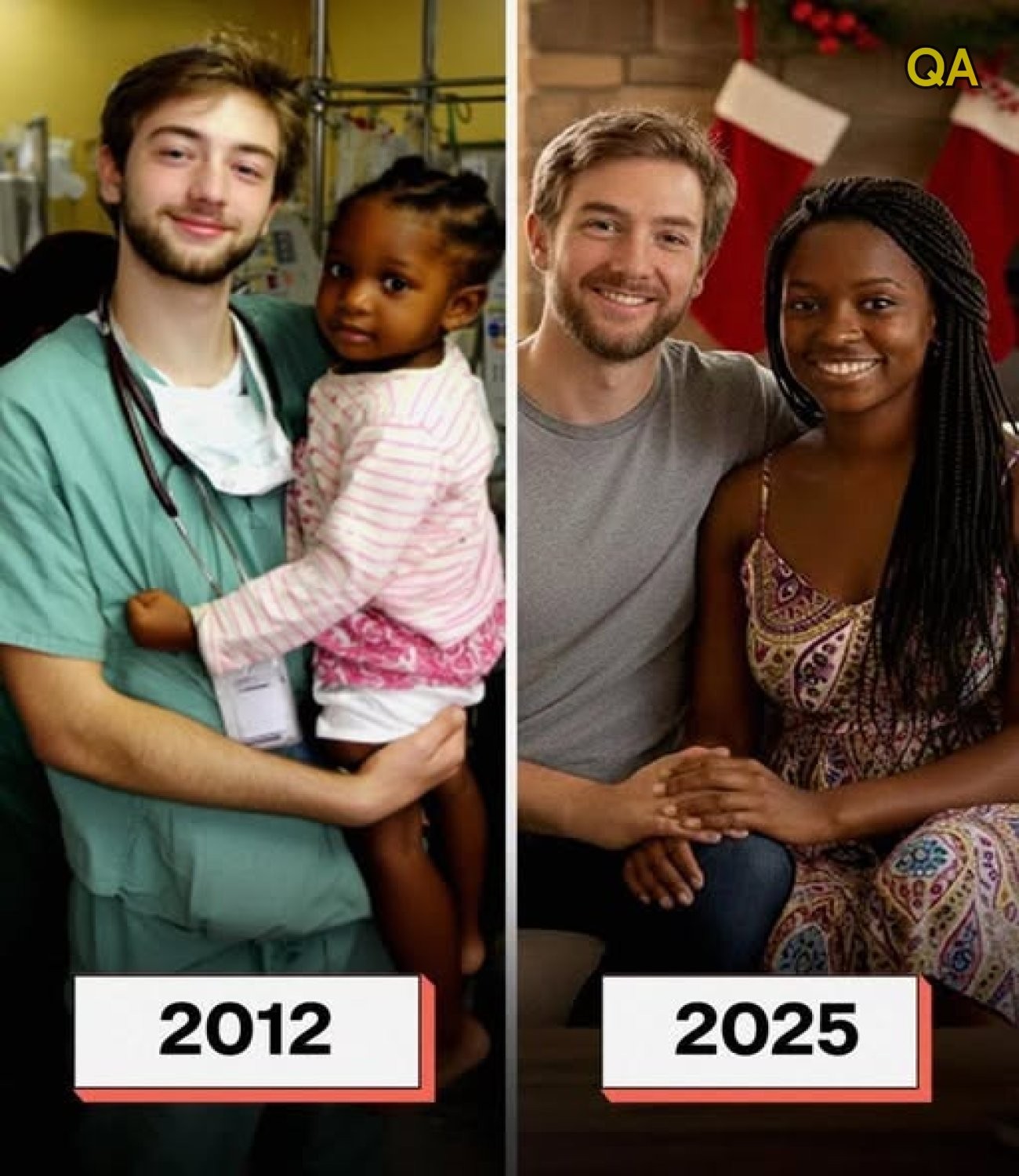
Adoption is commonly imagined as a lengthy, carefully planned process. Yet, in cases where tragedy strikes a young child’s life, the journey to adoption can begin overnight. Consider the case of Avery, a three-year-old whose parents perished in a car accident. For Avery, the loss was immediate and total, shattering her world and forcing her into a situation where new attachments would need to form amidst the ashes of grief.
The Psychological Impact of Sudden Loss
The psychological landscape for toddlers who lose parents suddenly is fraught with complexity. At around age three, children are just beginning to develop “object permanence”—the crucial understanding that loved ones exist even when out of sight. A traumatic separation interrupts this fragile sense of security, often manifesting as:
- Hyper-vigilance: Children become acutely alert to changes and absences, living in a constant state of anxiety that any caregiver’s departure may mean permanent abandonment.
- Regression: To cope with overwhelming stress, children may revert to earlier developmental milestones, becoming more dependent for comfort and routine tasks like eating or sleeping.
- Attachment Anxiety: Grief can drive a child to seek immediate, sometimes desperate, closeness with a new caregiver, leading to intense bonding as a survival strategy.
The Bureaucracy and Commitment of Adoption
For adoptive parents, particularly those assuming the role in the midst of a child’s active grief, the legal adoption process can be both burdensome and profoundly significant. Each element—from court proceedings and background checks to home studies—is more than an administrative requirement; it symbolizes a vow to become the loving, consistent presence that a deeply wounded child needs. Many single adoptive parents must transform every aspect of their lives—careers, social circles, routines—to communicate a simple but life-altering message: “I am the one who stays.” For children like Avery, this devotion lays the groundwork for trust and emotional safety.
The Primal Wound: Lifelong Healing in the Adoption Journey
As adopted children grow older, the aftermath of their initial trauma can resurface in new and unexpected ways. Although the external world often sees a success story, the interior journey remains marked by ongoing healing, self-discovery, and the constant renegotiation of identity.
Adolescence and Identity Reconstruction
The teenage years inevitably bring emotional upheaval and identity questioning. For adoptees, particularly those who entered their adoptive families after profound loss, adolescence can catalyze a re-emergence of grief and existential uncertainty. Some common experiences during this period include:
- “Who am I?” and the Search for Roots: Many adopted teens become increasingly curious about their biological families and histories, seeking answers to questions only genetic or cultural relatives might provide.
- Fear of Replacement: Feelings of being a “substitute” or secondary option can undermine an adoptee’s sense of belonging, making parental affirmation and consistent love even more critical.
The Lasting Impacts of Early Trauma
Experts emphasize that the Primal Wound, while invisible, can have measurable effects across cognitive, emotional, and social domains. According to research published by the American Psychological Association, untreated trauma in adoptive children can influence self-esteem, relationship patterns, and even physical health outcomes. Sensitive parenting strategies—embracing open communication, validation, and professional mental health support—are recommended by leading child welfare organizations to mitigate these effects.
Family Dynamics and the Introduction of New Relationships
Years after the initial adoption, as children mature and families evolve, new dynamics are invariably introduced. For Avery and her adoptive mother, the integration of Marisa, a new parental partner, represented hope for an expanded definition of family. Yet, in families shaped by trauma, the stakes of introducing a new adult are heightened; compatibility is only one measure of success. Integrity and openness, especially toward the child, become paramount.
Transitioning From Single Parenting to Blended Family
The transition from single parenting to a blended family structure is especially delicate for adoptees who have survived loss. Researchers note that children who have experienced profound grief may be particularly vigilant in observing new adult figures for signs of fallibility or unreliability. For parents and partners, this means:
- Approaching new relationships with transparency and respect for the child’s history.
- Demonstrating consistent, reliable presence in the child’s life.
- Actively working to earn, not assume, the child’s trust.
Betrayal and the Threat to Family Stability
As families grow, so too do points of vulnerability. A pivotal challenge arose when Avery’s mother discovered that Marisa had been withholding crucial information, threatening the very sense of security that had been painstakingly rebuilt. In adoption, the threat of betrayal isn’t only personal; it can unearth old wounds related to trust and attachment for the child as well.
The Psychology of Betrayal in Adoptive Families
Betrayal within the family system—especially after previous trauma—can have a far-reaching impact. In the clinical literature, such incidents often involve “triangulation,” where a new adult creates division between parent and child, sometimes by keeping secret alliances or manipulating communications. Psychologist Salvador Minuchin, pioneer of family systems therapy, describes triangulation as a form of relational dysfunction that can destabilize trust and undermine the progress made in healing attachment wounds.
Adopted children, sensitized by earlier loss, may interpret betrayal as evidence that attachment is unsafe or unreliable, reactivating cycles of anxiety and withdrawal that were once believed to be healed. For caregivers, recognizing early signs of betrayal is essential for the protection of the child and maintenance of the family bond.
Identifying Red Flags and Hidden Expectations
Outside observers may not always recognize warning signs, but caregivers and mental health experts emphasize vigilance regarding “hidden expectations” from new partners entering an established adoptive family. Some of these red flags include:
- Unilateral Attempts at Discipline: When a new partner eagerly takes on a corrective or disciplinary role without first earning trust, the child may feel targeted or misunderstood.
- Entitlement to Affection: Some adults expect instant connection with an adopted child, disregarding the pace and boundaries required for genuine relationship building.
- Minimization of the Child’s History: Refusing to acknowledge or respect the child’s grief, loss, or trauma, undermining the family’s efforts to heal.
- Secrecy and Manipulation: Creating secret pacts or alliances that exclude the primary parent, risking the stability of the family unit and the child’s sense of safety.
Experts such as Dr. Karyn Purvis, renowned for her work in trust-based relational intervention, advocate for openness, patience, and respect for the unique position of each family member, especially in post-trauma adoption settings. Honest communication and clear boundaries are critical tools for maintaining the integrity of the adoptive family.

The Radical Act of Staying: The Lifelong Promise
No matter how much time has passed since the original trauma, the most profound offering any caregiver can make to an adoptee is steadfastness—a radical, repeated commitment to stay, even through the turbulence of adolescence, family transition, or betrayal. This consistency enables children who have endured catastrophic loss to rebuild their sense of security, trust their environment, and ultimately form a resilient sense of self.
Adoption in the aftermath of tragedy is marked by moments of heartbreak and healing, setbacks and triumphs. Each stage—from surviving the initial shock to navigating the nuanced relationships that develop over years—underscores the necessity of patience, understanding, and unwavering presence from caregivers. While the scars of the Primal Wound can remain, it is through ongoing compassion and commitment that adoptive families create new narratives of hope and belonging.
Expert Perspectives and Societal Reflections
The journey of post-trauma adoption is recognized and supported by experts and institutions worldwide. Organizations such as the American Academy of Pediatrics, the Child Welfare Information Gateway, and the World Health Organization identify family stability, trauma-informed care, and early intervention as keys to positive outcomes for adopted children. Societal focus has increasingly shifted toward advocacy for post-adoption services, access to counseling, and policies that prioritize the well-being of children who have experienced loss.
Internationally, child welfare groups acknowledge the importance of recognizing adoptees’ backgrounds and honoring their identities, calling for cultural sensitivity, openness to the child’s history, and ongoing education for adoptive parents. The ultimate measure of success in adoption, according to leading voices in child psychology, is not the absence of adversity but the demonstrated capacity to heal and grow together, as a family founded on the promise of steadfast love.
Sources
- American Psychological Association
- Child Welfare Information Gateway
- American Academy of Pediatrics
- World Health Organization (WHO)
- BBC
- The Guardian
Disclaimer: This content is intended for entertainment purposes only and is not based on real events.