16-year-old Persephone Berger was lying unconscious in the road when a police officer arrived at the scene. But the officer failed to see her and accidentally drove over the teenager. The tragic incident is now under investigation as her family, friends and classmates mourn her death.
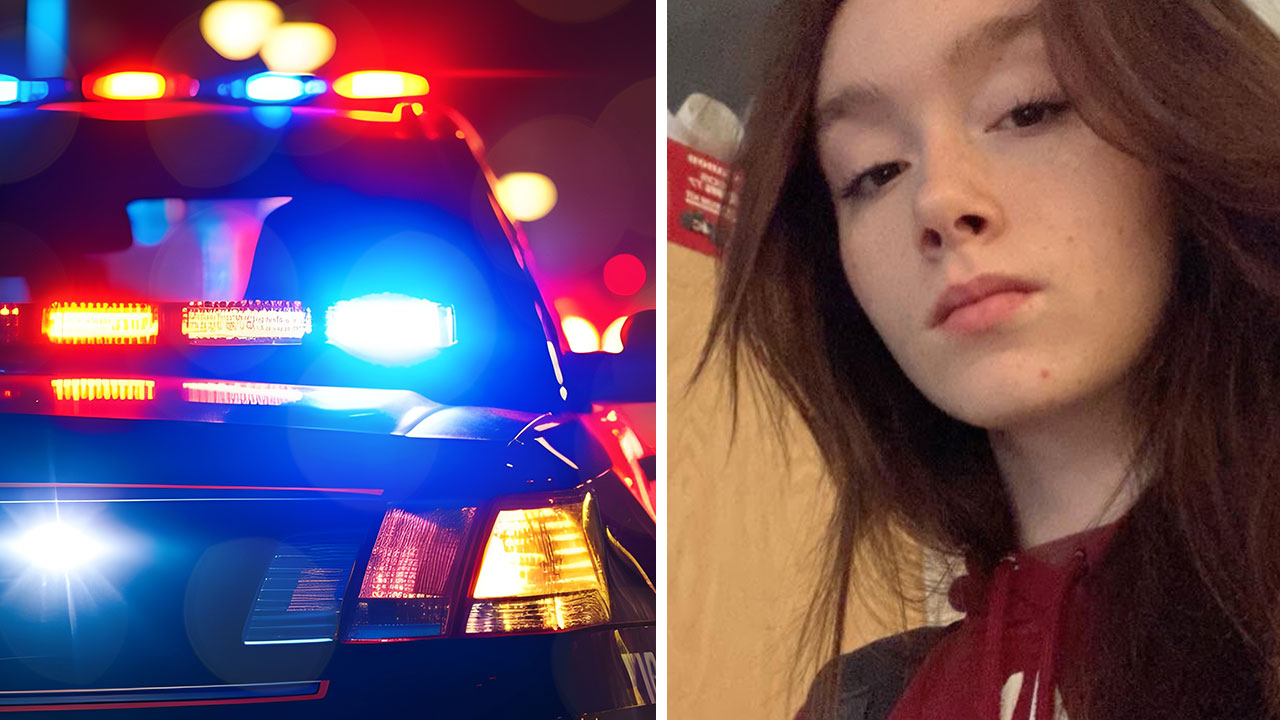
The community of St. Francois County, Missouri, is grappling with profound grief and questions after the tragic death of 16-year-old Persephone Berger. Struck by a police vehicle after being found unconscious in the road, her passing has prompted an ongoing investigation and an outpouring of support and remembrance from family, friends, and classmates. This article provides a thorough, factual account of the incident and its aftermath, offering background, expert opinion, and insight into how such cases are handled.
Overview of the Tragic Incident
On the early morning of Saturday, October 3, authorities in St. Francois County, Missouri, received a call notifying them of a person lying motionless in the road on Davis Crossing Road. The call came from a concerned driver, who parked and switched on hazard lights to alert approaching traffic of the nearby danger. A dispatched police officer arrived promptly at the scene in response to the call. However, as the officer approached, his attention was drawn to the parked vehicle with hazard lights activated.
Tragically, the officer failed to detect the individual lying on the road and accidentally drove over her. The person was later identified as Persephone Berger, a 16-year-old high school student. According to authorities and reporting by People magazine, the incident immediately led to a comprehensive investigation to determine the full circumstances.
The Scene and Immediate Aftermath
Following the accident, the officer realized what had happened and notified his supervisor without delay. Emergency medical services were summoned to the scene, but the efforts were ultimately in vain: Persephone Berger was pronounced deceased at the location by local medical examiners. The incident has left county officials, school personnel, and the entire community in mourning, searching for answers to a heart-wrenching tragedy involving a young life lost far too soon.
Key Questions and Ongoing Autopsy
A crucial aspect of the investigation centers around why Persephone Berger was lying unconscious on the road before authorities arrived. On Monday, October 5, an official autopsy took place. Initial findings, as reported by St. Francois County authorities, indicated that Persephone did not have pre-existing physical injuries before being struck by the police car. Instead, the bodily trauma observed was consistent with the impact suffered during the incident with the vehicle.
Authorities emphasized that further insight is pending the results of toxicological testing, as well as the final and comprehensive autopsy report. The toxicology examination is designed to reveal whether any substances might have played a role in Persephone’s condition. This process is standard in unexplained deaths and is crucial to ensure complete transparency and accurate conclusions, according to medical and forensic experts.
The Official Investigation
Per protocol in such incidents, the Missouri State Highway Patrol assumed responsibility for an independent investigation. The stated aim is to thoroughly examine the full sequence of events, including the officer’s actions, road conditions, the initial emergency call, and any available traffic or dash camera footage. Investigators are expected to assess whether current response guidelines, lighting and visibility, or potential procedural lapses contributed to this tragic outcome.
The officer involved has been cooperating with authorities and has not been publicly identified. As of this writing, no charges have been filed, and the investigation is ongoing to determine whether there was any negligence or actionable failure to follow established safety protocols. A representative from Missouri State Highway Patrol noted the importance of impartiality in these investigations to maintain community trust and ensure justice for all parties involved.
Understanding Protocols in Similar Incidents
Law enforcement officers routinely receive training in situational awareness and identifying hazards at or near roadways, especially during hours of reduced visibility. Standard procedures typically include approaching scenes with heightened caution, especially when previous callers provide information that a person is in the roadway. Studies by the National Highway Traffic Safety Administration (NHTSA) highlight how factors such as poor lighting, weather, glare, and low-contrast clothing can impair a driver’s or responder’s ability to discern people lying on the road.
Experts in emergency response also note that high-stress and rapidly evolving situations can sometimes challenge even trained personnel’s ability to fully assess their surroundings. However, questions about the effectiveness of vehicle headlamps, officer alertness, and visibility under the specific environmental conditions of that morning will be carefully evaluated as part of the independent review.
The Community Response and Remembrance
The aftermath of Persephone Berger’s passing has seen an outpouring of support from the region and her school community. Hundreds gathered at a memorial event organized at West County High School, reflecting the deep emotional impact felt by her classmates, teachers, and local residents. Social media tributes poured in from friends, highlighting Persephone’s talents, warmth, and the special place she occupied in their lives.
The West County R-IV Schools district released a heartfelt public statement extending condolences to all touched by her loss: “Our hearts go out to the student’s family, friends, classmates, teachers, and everyone in the community who is affected by this heartbreaking loss.” Grief counselors and support resources have been made available to help students and staff process the event and cope with its emotional aftermath.
Support Services and Guidance for Grieving Youth
Incidents of sudden and tragic loss, particularly involving young people, have a profound and lasting psychological impact on peers and the wider community. Mental health professionals advise that open communication, peer support, and timely access to grief counseling are vital in helping teenagers process complex emotions including sorrow, confusion, and anger. National organizations such as the National Alliance on Mental Illness (NAMI) and the Crisis Text Line offer immediate support for those struggling to cope with trauma.
For parents, educators, and caregivers, being vigilant for signs of stress or emotional decline—such as sudden withdrawal, changes in sleep or appetite, and difficulty concentrating—is crucial for timely intervention. Authorities and experts underscore the importance of a caring, collaborative response involving schools, mental health professionals, and families to ensure the best support for affected youth following such tragic events.
Wider Questions and Calls for Accountability
The tragic loss of a young life often prompts wider public debate about safety protocols, law enforcement accountability, and the need for ongoing training in crisis response. While official investigations are meant to provide answers based on objective evidence, they also highlight the importance of regular review and improvement of law enforcement practices to reduce future risk. Many in St. Francois County and beyond are waiting for the final investigative findings and any accompanying policy recommendations or systemic changes that may emerge.
Civic organizations and advocacy groups regularly call for increased transparency in such investigations, including public release of findings and clear communication by law enforcement agencies. Legally, cases such as this one are also governed by state and federal standards regarding police conduct, liability, and the protection of both public safety officers and the citizens they serve.
International and Societal Reactions to Policing and Vulnerable Youth
While this incident is intensely local in its pain and impact, similar tragedies have occurred in other communities worldwide, prompting global discussions about the intersection of law enforcement, vulnerable individuals, and public safety. International best practices increasingly focus on de-escalation, advanced hazard detection technology, and specialized training for emergency responders to identify and protect unconscious or at-risk individuals in traffic settings.
Experts in policing, public health, and trauma prevention stress the importance of cross-sector collaboration—between law enforcement, schools, healthcare providers, and community organizations—to anticipate and mitigate risks to youth, especially in rural or low-visibility environments. Enhanced training, improved equipment, and robust community engagement are recurring themes in recommendations aiming to prevent such tragedies in the future.
Conclusion: Seeking Answers and Healing
The investigation into the death of Persephone Berger continues, with authorities committed to transparency and accountability. The coming weeks and months will see the release of detailed autopsy results, toxicological analysis, and findings from the Missouri State Highway Patrol’s independent review. In the meantime, the memory of Persephone Berger is being honored by those whose lives she touched, and supportive services remain in place for those in need of comfort and guidance.
Above all, this heartbreak underscores the vulnerability of young people and the fundamental importance of diligence, empathy, and continual improvement in public safety and emergency response efforts. As the investigation unfolds, St. Francois County—and the wider community—remains united in pursuit of answers, justice, and lasting healing.
Sources
- People magazine
- West County R-IV Schools District (official statement)
- National Highway Traffic Safety Administration (NHTSA)
- National Alliance on Mental Illness (NAMI)
- Crisis Text Line
Disclaimer: This content is intended for entertainment purposes only and is not based on real events.