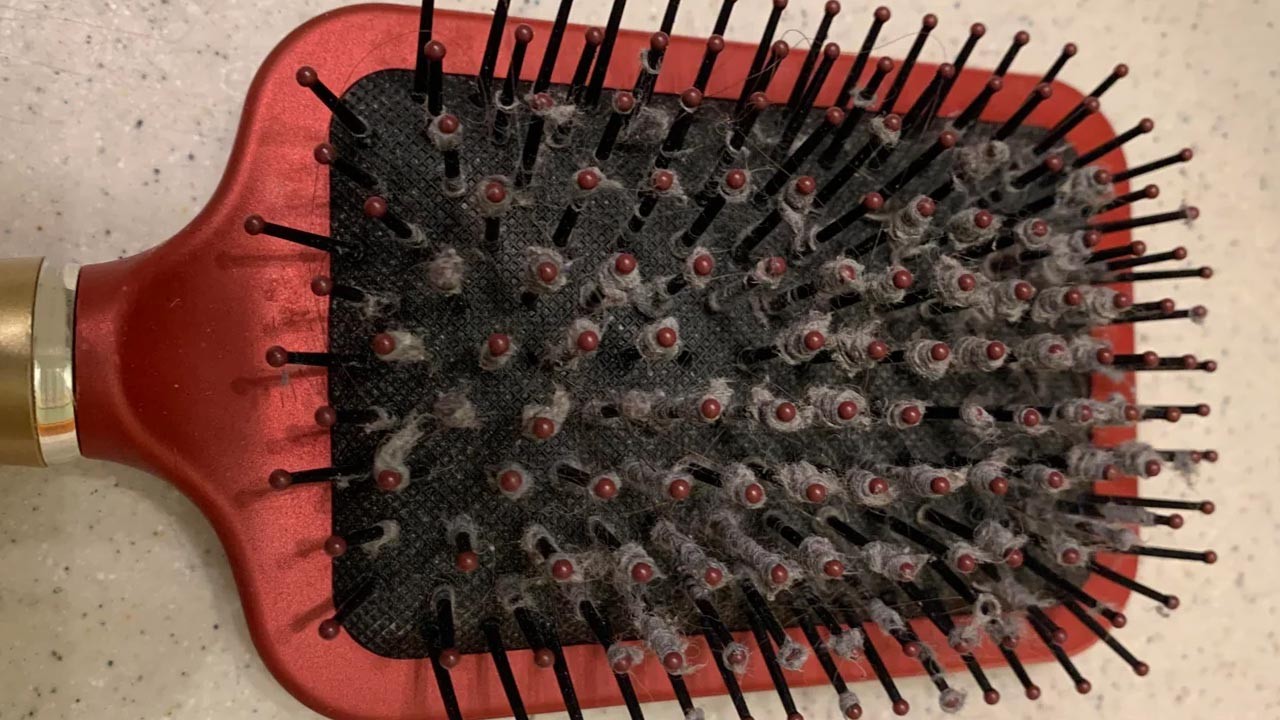
The Truth Behind the Grey Fuzz in Your Hairbrush
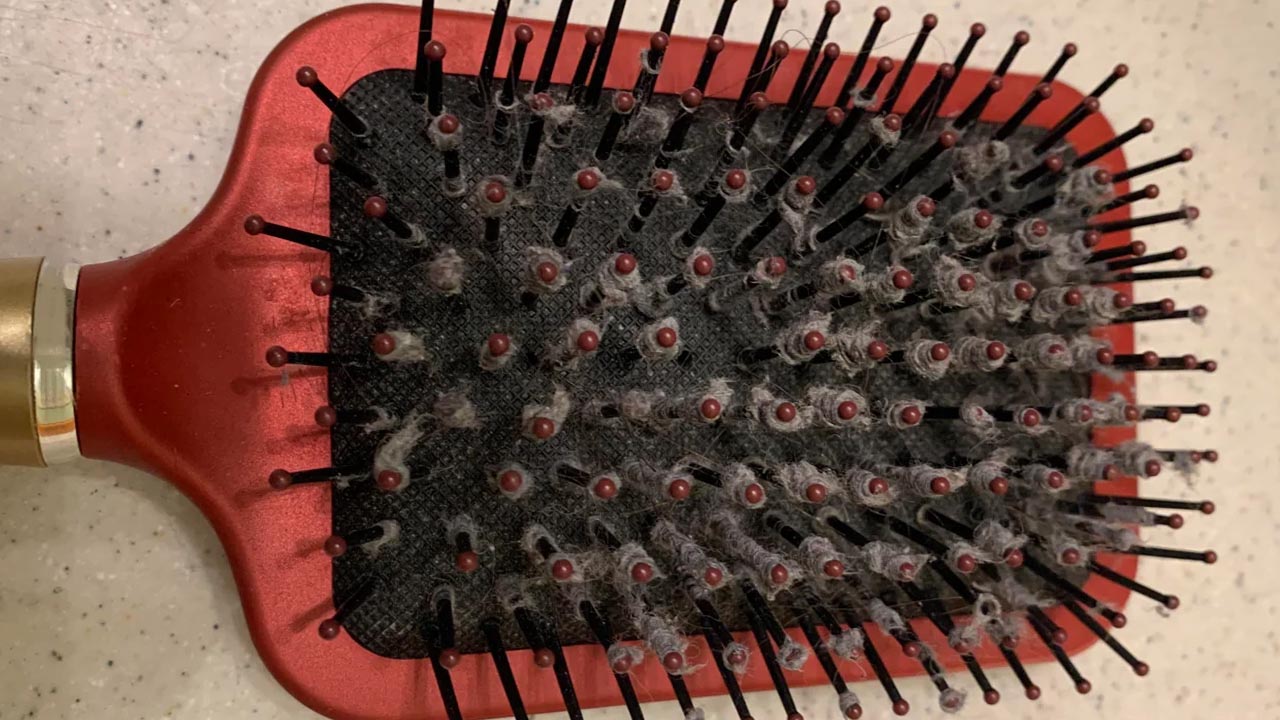
Most people have at some point looked at their hairbrush and noticed the odd layer of grey fuzz nestled at the base of the bristles. While it might appear to be simple dust or fabric lint, experts reveal that this fuzzy buildup is much more complex — and a lot more closely linked to personal hygiene and hair health than many realize. Understanding what causes the grey fuzz and how to properly address it is essential for maintaining a healthy scalp and hair.
What Is the Grey Fuzz in Hairbrushes?
According to experts in dermatology and hair care, the grey fuzz that accumulates in hairbrushes is actually a combination of shed hair, dead skin cells, natural scalp oils, dust from the environment, and residues from hair products. Over time, as you use your brush daily, these substances collect and compact, forming a distinctive layer of fuzz within the bristles.
Celebrity hairstylist Dean Banowetz describes the buildup as “a mix of hair, scalp oils, dead skin cells and dust from the air.” However, he points out the most crucial binding element is product buildup—substances left behind from using hair gels, pomades, sprays, creams, and leave-in treatments. These sticky residues not only cling to the bristles but also trap other debris, causing the grey fuzz to grow thicker over time.
Dermatologist Dr. Anna Chacon further explains that the process starts every time you brush. Hairs naturally shed from the scalp, and small flakes of dead skin are released. When mixed with any styling products present in the hair, along with particles from the environment, these materials adhere together, getting caught in the brush and compounding with each use.
Why Does This Build-Up Occur?
The presence of grey fuzz in your hairbrush is a completely normal consequence of regular grooming. Human scalps are constantly shedding dead skin and releasing natural oils, which help to maintain skin and hair health. Brushing not only detangles hair but also distributes these oils along the hair strands. However, bits of hair and skin are inevitably left behind in the brush.
Those who frequently use hair products – such as mousses, hairsprays, dry shampoos, or serums – will notice buildup happening even faster. These products can leave behind sticky residues that bind shed hair, flakes, and dust together, making the debris both more visible and harder to remove. Additionally, external factors like air pollution and dust in your home can contribute extra particles to the mix, increasing the amount of grey fuzz even if you don’t use many styling products.
Potential Impacts on Scalp and Hair Health
While the appearance of fuzz might seem like a purely cosmetic issue, dirty hairbrushes can have negative effects on scalp and hair health. Over time, hairbrushes that are not cleaned regularly can harbor microorganisms, including bacteria and yeast. According to Dr. Chacon and other dermatological experts, these microbes can be transferred back onto the scalp during brushing, possibly leading to skin irritation, pimples, or even contributing to issues like dandruff and seborrheic dermatitis in susceptible individuals.
Furthermore, the presence of product residue and oil can make a brush less effective at detangling and can actually increase hair breakage, as the sticky gunk creates extra friction. For people with sensitive skin, improper hygiene in hair tools may also aggravate conditions such as acne or dermatitis around the hairline and scalp margins.
How Quickly Does Build-Up Occur?
The rate at which this grey fuzz appears varies depending on factors such as hair type, frequency of brushing, and use of styling products. However, experts agree that with daily use, significant buildup can be noticeable within just one week to 10 days, especially for those who regularly use products like gels, sprays, or dry shampoos. Those who use their brush less frequently, or do not apply styling products often, may find that the fuzz builds up more slowly, but it will still eventually appear without periodic cleaning.
How Often Should You Clean Your Hairbrush?
Proper hairbrush hygiene is integral to a thorough personal-care routine, but how frequently should brushes be cleaned? Leading stylists and dermatologists recommend cleaning hairbrushes at least once a week for individuals who use them daily and apply hair products regularly. If you use your brush only a few times a week and rarely use styling products, cleaning every two to three weeks may suffice.
Dr. Chacon emphasizes that visible buildup—grey fuzz, sticky residue, or trapped hair—is a clear indicator that it is time to clean. Not only will this help maintain scalp health, but it also ensures the brush continues to work efficiently, reducing tangling and breakage.
Step-by-Step Guide: How to Clean Your Hairbrush Effectively
Cleaning a hairbrush does not require special tools or expensive cleaning agents. The following steps, endorsed by haircare experts, will keep your brush in optimal condition:
- Remove Loose Hair: Begin by using your fingers or a comb to extract all the loose hair from between the bristles. This first step makes the rest of the cleaning process much easier.
- Prepare a Cleaning Solution: Fill a basin or sink with warm water. Add a small amount of mild shampoo and, if available, a teaspoon of baking powder. The shampoo helps to dissolve product residues and oils, while baking powder acts as a gentle deodorizer and cleanser.
- Soak the Brush: Immerse the brush in the solution and let it soak for about 10 minutes. This loosens trapped oils, dead skin, and stuck-on product, making them easier to remove.
- Scrub the Bristles: Using an old toothbrush or a designated brush-cleaning tool, gently scrub the base and bristles to dislodge any persistent debris or build-up.
- Rinse Thoroughly: Rinse the brush thoroughly in clean water to ensure all soap and residue are gone.
- Dry Properly: Place the brush bristle-side down on a clean towel and allow it to air-dry completely before using it again. This prevents moisture from collecting at the base, which can foster mold or bacterial growth.
Why Regular Cleaning Matters: Expert Opinions
Regular cleaning serves not only cosmetic purposes but is also a preventative step for scalp and skin health. According to the American Academy of Dermatology, hairbrushes that are not cleaned regularly can act as reservoirs for oils, product residues, and microbes. These can, in turn, affect the cleanliness of freshly washed hair and potentially contribute to scalp issues. By making brush cleaning a routine part of your self-care regimen, you reduce these risks, maintain hair health, and extend the life of your grooming tools.
Dean Banowetz explains that besides preserving scalp health, a clean brush functions more efficiently, producing less friction and snagging for smoother detangling and styling. Dermatologists agree, emphasizing that hygienic grooming tools are especially important for people with sensitive skin, those with scalp or acne conditions, or those prone to allergies.
Can Brushes Be Disinfected?
For individuals recovering from scalp infections or who are particularly concerned about hygiene, brushes can be disinfected by rinsing them in a mild solution of water and rubbing alcohol after a standard cleaning. However, it is important to ensure that the alcohol does not degrade plastic or natural bristles over time. Regular cleaning, as outlined above, is sufficient for most people but an occasional disinfectant rinse can be beneficial, especially when brushes are shared among family members.
International Best Practices and Reactions
Across the world, personal hygiene organizations and dermatologists echo the importance of keeping hair tools clean. In professional salons, hygiene standards often require stylists to disinfect combs and brushes between clients to prevent the transmission of scalp or skin conditions. At home, while such frequent cleaning may not be needed, experts advise regular maintenance as an essential aspect of self-care. The consensus among health organizations in the United Kingdom, United States, and Australia is that maintaining clean grooming tools contributes to overall hair and scalp wellness, reducing the risk of dermatitis, breakage, and infection.
Social media conversations in recent years have further highlighted the importance of hairbrush hygiene, with popular beauty influencers and dermatologists sharing cleaning routines and before-and-after images. Many consumers report improved hair appearance and scalp comfort after adopting regular cleaning habits, while stylists note fewer issues with tangling and breakage in their clients’ hair.
Frequently Asked Questions
Can a dirty hairbrush cause hair loss?
While a dirty hairbrush is unlikely to be a sole cause of significant hair loss, it can contribute to scalp irritation, breakage, and unhealthy hair, all of which may exacerbate underlying hair shedding.
Is it safe to share hairbrushes?
Sharing hairbrushes is generally not recommended as it can transfer oils, product build-up, bacteria, and even parasites such as head lice between individuals. If a brush must be shared, it should be thoroughly cleaned and disinfected first.
Do certain hair types require special cleaning for brushes?
Individuals with oilier scalps or who use more styling products may need to clean their brushes more frequently. Those with curly or coily hair may find more hair trapped in the brush, but the cleaning process remains the same. Always check with your stylist or dermatologist if you have concerns about special brush care for your hair type.
Conclusion: Take Charge of Hairbrush Hygiene
The grey fuzz that appears in your hairbrush is a natural byproduct of daily hair care — a mixture of shed hair, dead skin, product residue, and environmental dust. Although harmless in small amounts, routine cleaning is vital for maintaining scalp and hair health, promoting hygiene, and extending the life of your grooming tools. By adopting a simple cleaning routine, you can ensure your hairbrush remains a helpful, not harmful, part of your self-care ritual.
Read more:
Sources
- BBC News
- The Guardian
- American Academy of Dermatology
- Centers for Disease Control and Prevention (CDC)
- Mayo Clinic
Disclaimer: This content is intended for entertainment purposes only and is not based on real events.