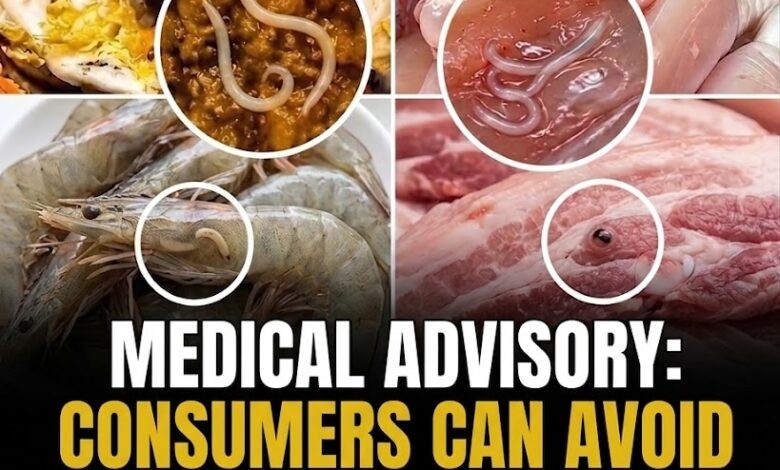
Parasites in Food: Understanding Risks, Prevention, and Safe Consumption
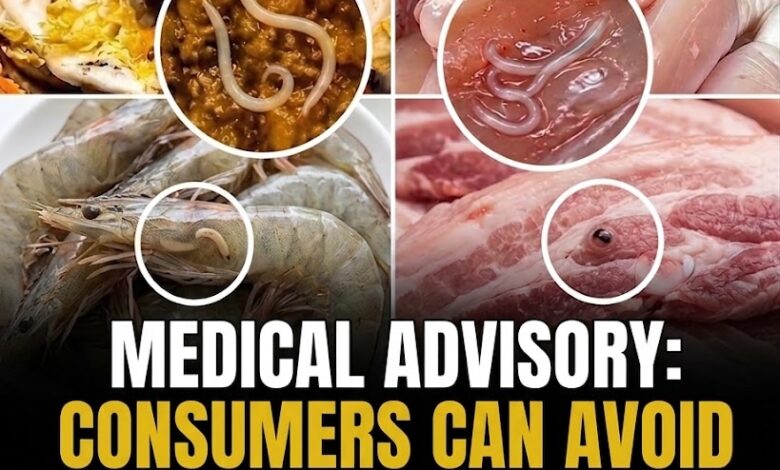
Parasites are microscopic organisms that can live in or on other living beings, including humans. While the idea of consuming food contaminated with parasites can be concerning, understanding the real risks, how parasites get into food, and how to prevent infection can help individuals make safer food choices without unnecessary anxiety. This comprehensive guide examines the presence of parasites in food, which foods carry the greatest risk, expert advice on prevention, and what to do if you believe you have been exposed.
What Are Parasites and How Do They Enter the Food Supply?
Parasites are organisms that survive by feeding off a host. There are several types of foodborne parasites, including worms (such as tapeworms and roundworms), protozoa (like Giardia and Cryptosporidium), and flukes. These organisms can enter the human food chain through contaminated soil, water, or by infecting animals that are later consumed as food. In many cases, parasites are present in the foods that people commonly eat, but the risk of infection varies depending on several factors.
Which Foods Are Most Commonly Associated with Parasites?
While almost any food could theoretically carry a parasite if mishandled, certain foods present higher risks. Notably:
- Raw or Undercooked Meat and Fish: Pork, wild game, freshwater fish, and raw or undercooked seafood (such as sushi, sashimi, and oysters) are frequently cited by food safety authorities as high-risk foods for parasitic infection. Trichinella, tapeworms, and Anisakis are just a few parasites known to be transmitted through these sources.
- Shellfish: Oysters, clams, and mussels filter large volumes of water and can concentrate parasites if harvested from contaminated waters.
- Fruits and Vegetables: Produce can also harbor parasites, especially when grown or washed with contaminated water, or if exposed to unsafe soil. Green leafy vegetables and berries are vulnerable if not carefully washed.
The Centers for Disease Control and Prevention (CDC) and World Health Organization (WHO) regularly update lists of foodborne parasites and associated health alerts, particularly in times of outbreaks or recalls.
How Food Handling and Preparation Impact Risk
In most cases, problems arise not from the food itself, but from unsafe handling, improper storage, or inadequate cooking. The temperature and duration of cooking play a crucial role in destroying most parasites. Proper refrigeration slows down or halts parasite development, while cross-contamination in the kitchen—such as using the same cutting board for raw meat and vegetables—can spread parasites from one food item to another.
Practices that increase infection risk include consuming meat, poultry, or seafood that is undercooked, eating raw produce without thorough washing, or sourcing food from suppliers without rigorous hygiene standards. The FDA recommends that people only consume raw animal products from reputable businesses that follow established food safety protocols.
Symptoms of Parasitic Foodborne Infections
The symptoms experienced after ingesting food contaminated with parasites can vary widely according to the type of parasite, the amount consumed, and the individual’s health. Common symptoms may include:
- Abdominal pain or cramping
- Diarrhea, sometimes persistent or severe
- Nausea and vomiting
- Unusual fatigue or lethargy
- Digestive disturbances such as bloating, gas, or irregular bowel movements
- Unintentional weight loss
In some cases, particularly with mild infections, symptoms may be minimal or absent at first. For people with weaker immune systems, such as young children, the elderly, or people with chronic illnesses, the effects can be more pronounced and complications may arise.
Diagnosis and Seeking Medical Advice
If you notice persistent digestive symptoms, especially after eating food that may have been contaminated or sourced under questionable sanitary conditions, it is crucial to consult a healthcare provider. Diagnosis may involve stool tests, blood tests, or specific imaging studies depending on the suspected parasite. Laboratory confirmation is the gold standard for identifying most foodborne parasitic infections.
Healthcare professionals can recommend targeted treatments, which may include medications to eliminate specific parasites, supportive care to address symptoms, and guidance to prevent reinfection.
Expert Guidance on Preventing Foodborne Parasite Infections
According to global food safety authorities, the risk of acquiring a parasite from food can be significantly reduced by following a few evidence-based practices:
- Cook Meat, Seafood, and Poultry Thoroughly: Use a food thermometer to ensure proper internal temperatures are reached—145°F (63°C) for whole cuts of fish and meat, 160°F (71°C) for ground meats, and 165°F (74°C) for poultry. Freezing certain fish before preparation can also kill specific parasites, as frequently practiced in commercial sushi preparation.
- Wash Produce Carefully: Rinse fruits and vegetables meticulously under cool running water, even those that will be peeled. Scrub firm produce with a clean brush to remove potential parasites, dirt, and bacteria.
- Source Food from Reputable Suppliers: Purchase meat, seafood, and produce from trusted retailers who are compliant with food safety regulations, as certified by local or international authorities.
- Maintain Clean Kitchen Practices: Prevent cross-contamination by using separate equipment and surfaces for raw and cooked foods. Clean hands, utensils, and preparation areas regularly.
- Refrigerate and Store Properly: Keep perishable foods chilled at or below 40°F (4°C), and never allow cooked food to sit at room temperature for prolonged periods.
International Food Safety Standards and Their Societal Impact
Globally, agencies like the Food and Agriculture Organization (FAO) and WHO collaborate with national authorities to set food safety standards that address the risks of parasites in the international food supply. These regulations determine acceptable levels of certain parasites, inspection processes, and hygiene requirements for food handlers and producers.
Societies benefit significantly from the implementation of these standards, as reduced outbreaks of foodborne illness translate to fewer hospitalizations, lower healthcare costs, and increased public confidence in the food system. Interestingly, some regions or cultures with culinary traditions favoring raw or undercooked dishes (such as sushi in Japan or ceviche in Latin America) have developed stricter local practices and inspection regimes, making these foods safer for local and international consumers alike.
International trade in foodstuffs also hinges on compliance with food safety guidelines. Countries with persistent foodborne parasite issues may face restrictions on exportation of affected goods. As such, consumer advocacy, media reporting, and governmental oversight continue to play important roles in promoting food safety education and reducing risks worldwide.
Debunking Misconceptions About Parasites in Food
Media outlets and online platforms sometimes circulate alarmist headlines that certain foods are “full of parasites.” However, experts emphasize that the real risk to consumers in developed nations is far lower than public perception might suggest, largely due to advances in food distribution, oversight, and hygiene education.
The majority of parasitic outbreaks are associated with improper handling at the food source, poor kitchen hygiene, or lack of adequate cooking. For the typical consumer, following recommended food safety practices is highly effective in eliminating nearly all risk of infection.
Enjoying Food Safely: Practical Takeaways
There is no need to eliminate specific nutritious foods like fish, shellfish, meats, fruits, or vegetables from your diet due to fear of parasites. Instead, informed and safe preparation, purchasing from reputable suppliers, and basic kitchen hygiene are key protective measures.
If you prefer dishes with raw ingredients—such as sushi, tartare, or raw oysters—opt for establishments that are renowned for their food safety standards and that are transparent about their sourcing and handling procedures.
For individuals who may be more vulnerable to infection, such as pregnant women, children, or those with compromised immune systems, some experts advise avoiding raw animal products altogether or taking additional care with produce. Your healthcare provider or local public health agency can offer personalized guidance based on your location and health status.
Conclusion
While the presence of parasites in food is a legitimate concern, robust food safety practices, informed sourcing, thorough preparation, and regular hygiene habits can reduce your risk to minimal levels. By understanding how parasites enter the food chain and adhering to expert recommendations, everyone can continue to safely enjoy a diverse and nutritious diet.

Sources
Disclaimer: This content is intended for entertainment purposes only and is not based on real events.