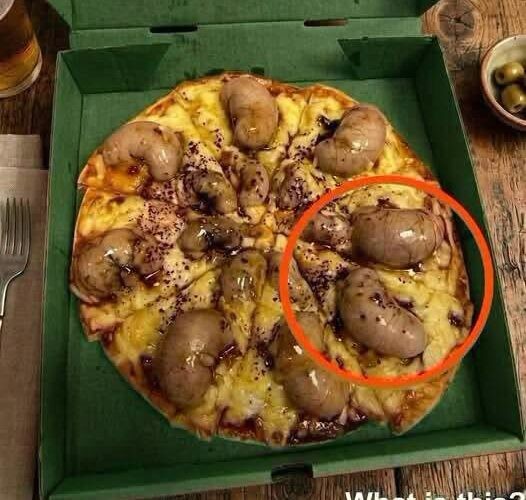
I Opened My Pizza Box and Saw Strange Bubbles Under the Cheese: What Were They?
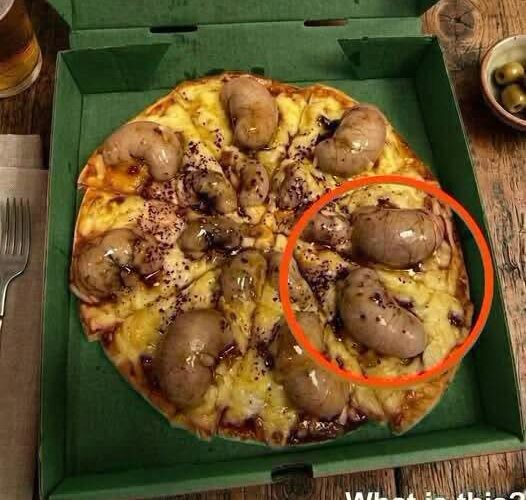
Pizza is one of the world’s most popular foods, with millions of people enjoying its blend of flavors and customizable toppings every day. Yet, even with its widespread appeal, unexpected occurrences can sometimes surprise consumers. One such instance is the appearance of unusual bubbles under the cheese. While pizza lovers expect a golden, evenly-melted layer of cheese atop a crisp crust, some discover that beneath the surface, strange bubbles have formed. What causes these, and should pizza enthusiasts be concerned?
Understanding Pizza Preparation: A Brief Overview
Pizza consists of several key ingredients: dough, tomato sauce, cheese, and various toppings. Each component undergoes specific preparation steps that contribute to the overall texture, flavor, and appearance of the final product. Most pizzas are baked at high temperatures, usually ranging from 450°F to 900°F, depending on the equipment and style. This intense heat rapidly cooks the dough and melts the cheese, a process that is essential for achieving the desired crust and cheese consistency.
However, the high-temperature environment also creates opportunities for physical and chemical reactions to occur. These reactions involve the loss of moisture, melting of fat, and expansion of air pockets—all factors that can influence the formation of bubbles beneath the cheese layer.
What Causes Bubbles Under Pizza Cheese?
Bubbles under the cheese can be traced to several scientific principles in food preparation. One primary factor is the release of steam from the dough during baking. Pizza dough contains both air and water; when heated, the water turns to steam, which seeks to escape through the path of least resistance. If a pocket forms in the dough and the cheese seals it overhead, the steam can accumulate, pushing the cheese upward and creating a bubble.
Cheese composition also plays a role. Cheeses high in moisture, such as mozzarella, can further contribute to steam production. At the same time, fats in cheese melt and sometimes harden around these air pockets, increasing the likelihood of visible bubbles.
Additionally, the way pizza is assembled and cooked affects bubble formation. If the dough is not docked—which means pressing small holes to release air—it is more likely to puff up during baking. Uneven cheese distribution, overly thick sauce, or inadequate stretching of the dough can create conditions where bubbles form. This phenomenon is more common in certain styles of pizza, such as traditional Neapolitan or New York-style pies, which are cooked quickly at high heat.
Are Bubbles a Cause for Concern?
From a food safety perspective, bubbles under the cheese do not generally indicate any problem with the pizza. They result from natural reactions during baking and are not a sign of spoilage or contamination, provided that the pizza was prepared using fresh ingredients and handled appropriately before cooking. Most bubbles simply represent trapped steam and do not alter the flavor or texture in a way that is harmful.
Some consumers may find the appearance unusual or experience uneven topping distribution as a result, but this does not negatively impact the safety or overall quality of the food. In many cases, bubbles may even enhance the pizza’s character, creating areas of extra crispness or allowing for slight flavor variations in the crust.
Expert Opinions on Pizza Bubble Formation
Food scientists note that bubble formation is a natural consequence in bread and pizza baking. Professor Peter Reinhart of Johnson & Wales University, a leading educator in baking science, explains that steam is a core driver behind the leavening process in bread and pizza crusts. The presence of bubbles can be minimized by proper docking and by using ingredients with balanced moisture and fat content.
Experienced pizza chefs, such as those certified by the Associazione Verace Pizza Napoletana, suggest that a small amount of bubbling can be desirable in artisanal pizza. It demonstrates the freshness of the dough and the intensity of the oven heat, both key factors in authentic pizza-making.
According to interviews published in BBC Food and The Guardian, pizzerias often identify bubbles as a marker of craftsmanship rather than imperfection. However, large or frequent bubbles can be reduced by careful preparation, including even layering of cheese, controlled oven temperature, and thorough docking.
International Variations in Pizza Bubble Formation
Different countries and regions approach pizza baking with unique methods, resulting in varied experiences with bubbles under the cheese. For example, Italian Neapolitan pizzas are baked at extremely high temperatures (often over 900°F) for short periods, naturally encouraging rapid dough expansion and steam formation. Bubbles are common in this style and are considered part of the authentic texture.
In contrast, American pizzas—especially chain varieties—are typically cooked at lower temperatures for longer periods, reducing the likelihood of large bubbles. Some American pizza establishments use automated docking tools and carefully controlled ovens to create a more uniform appearance.
Asian, Australian, and Middle Eastern pizza cultures may favor specific cheese blends and preparation techniques, further reducing or enhancing bubble formation. Consumer preferences can influence how much bubbling is acceptable, with some markets preferring a smoother surface and others embracing rustic, bubbly textures. International chains such as Domino’s and Pizza Hut actively manage their processes to minimize inconsistencies, prioritizing a predictable product for mass appeal.
Consumer Reactions and Trends
Social media and food forums reveal widespread curiosity and occasional concern about bubbles under cheese. Platforms like Reddit and Twitter host numerous discussions where users share photos and ask for explanations from fellow enthusiasts and professional chefs. Reactions range from amusement to mild disappointment, especially when bubbles displace toppings or create visually uneven results.
Pizza aficionados sometimes interpret bubbles as a distinctive trait of premium, hand-crafted pizza. Popular food writers, including those cited in Reuters Lifestyle, note that artisanal pizzerias embrace imperfections and encourage customers to appreciate the uniqueness in every slice.
Feedback from consumer research suggests that education on the reasons for bubble formation can reduce concerns. When customers understand the science behind baking, they become more receptive to variations in appearance. Some pizzerias include explanatory notes in their menus or websites, enhancing transparency and customer satisfaction.
How to Minimize or Embrace Pizza Cheese Bubbles
For those wishing to avoid bubbles altogether, several strategies are recommended by experts:
- Dock the dough with a fork or specialized tool before adding toppings.
- Spread cheese evenly and avoid thick layers that may trap steam.
- Monitor oven temperature and baking time carefully.
- Use cheese blends with moderate moisture and fat content.
Conversely, those seeking a more rustic or artisanal pizza can accept or even encourage bubble formation as part of the experience. Experimenting with higher temperatures, longer fermentations, and minimal docking often yields expressive, textured pizzas.
Ultimately, whether one chooses to minimize or embrace bubbles, they are a normal part of the pizza-making process. Variations in preparation methods give rise to diversity in final products, reflecting both technical skill and culinary tradition.
Conclusion: The Science and Culture of Pizza Cheese Bubbles
The appearance of bubbles under pizza cheese is a product of natural steam release, fat melting, and preparation techniques. Although initially surprising, they are not indicative of any issues with food safety or quality when pizzas are properly handled and cooked. Most bubbles enhance the texture and flavor, particularly in artisanal and high-heat pizzas. Scientific perspectives, expert opinions, international variations, and consumer trends all highlight the complexity and fascination behind this beloved culinary phenomenon.
As global pizza culture evolves, embracing or minimizing bubbles becomes a matter of personal preference and culinary style. Understanding the underlying science can help consumers appreciate the nuances in their pizza, whether from a neighborhood pizzeria or an international chain.
Sources
Disclaimer: This content is intended for entertainment purposes only and is not based on real events.