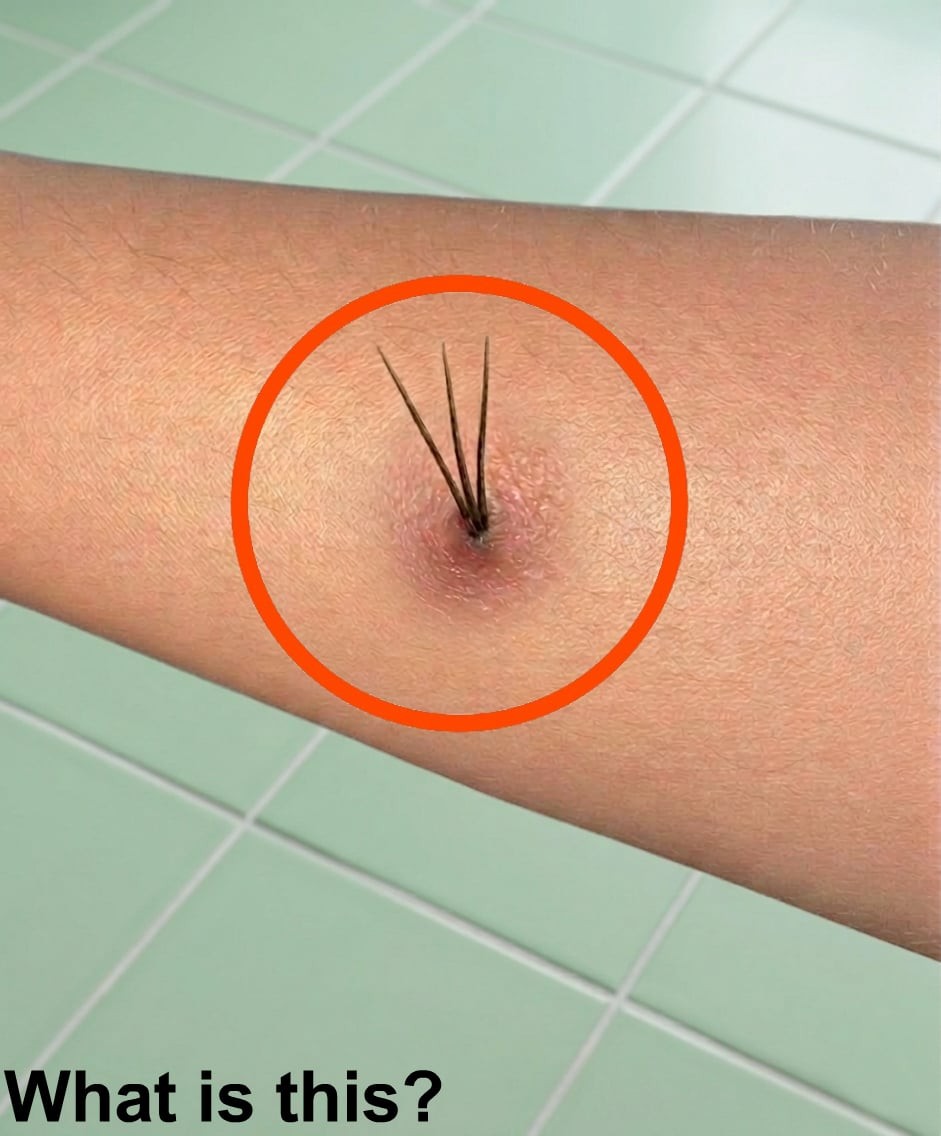
At First, I Was Sure Something Was Growing Out of Me
Health scares are rarely anticipated and often arise at the most unexpected moments. Sometimes, a simple encounter with nature can become the foundation for an intense psychological journey, where the mind conjures up scenarios far worse than reality. In this analytical article, we explore the experience of discovering unexpected growths or objects in the skin, the science behind such incidents, the psychology of body-related fears, as well as safe and effective first aid recommendations. By shedding light on this subject, we can help others understand that our immediate perceptions may not always reflect the truth, and that the key to overcoming such anxieties is a combination of rational analysis, basic scientific knowledge, and timely, appropriate care.
An Unexpected and Frightening Discovery
The initial sense of alarm that follows the discovery of something unfamiliar beneath or protruding from the skin is a universal reaction. For many, this is particularly true if the abnormality appears suddenly or is accompanied by pain, itching, or visible changes. In the experience described, thin, dark spikes seemed to emerge from the skin, inducing a cascade of unsettling thoughts: Were they insect larvae? Parasitic worms? The idea of something foreign and potentially alive beneath one’s skin is deeply disturbing—and with good reason.
Humans possess a natural and deeply rooted aversion to the idea of infestation or subdermal growths. Evolutionarily, this fear protected our ancestors from genuine threats, such as parasites or infections picked up in the wild. The intense anxiety that follows such discoveries is a direct result of this protective instinct. This psychological response, though sometimes unwarranted, is in itself evidence of the body’s drive to detect and eradicate potential threats before they can do serious harm.
From Panic to Rationality: The Process of Assessment
In the throes of anxiety, the mind can play tricks. Minor irritants or injuries become magnified in our awareness, and the imagination can quickly spiral out of proportion to the facts. In the case recounted, the observer froze, convinced that some creature was burrowing through their flesh, replaying every moment from the day—a walk through brush, the faint sting of unnoticed contact with the environment.
Once the initial panic had subsided, closer inspection revealed key facts: the “spikes” were brittle, unmoving, and slightly glossy under strong light. Methodically cleaning and examining the area with the aid of a magnifier or better lighting is an essential first step in distinguishing genuine medical emergencies from benign, everyday occurrences. This shift from panic to systematic self-evaluation marks a crucial turning point.
The Science of Foreign Bodies in Skin: Common Causes
Finding foreign objects embedded in the skin is a common health complaint. Among the most common culprits are plant thorns, splinters of wood, metal fragments, and even tiny pieces of glass. During hikes or outdoor activities, brushing against sharp grasses, thorny bushes, or trees can result in minute plant material breaking off and becoming lodged just beneath the skin’s surface.
Unlike living creatures, plant thorns are inorganic, meaning they do not grow or multiply inside the body. The skin is generally good at walling off and eventually expelling foreign particles, but thorns can provoke localized inflammation, swelling, and redness as the body attempts to isolate and eject them. Some individuals may also experience allergic reactions to plant material, exacerbating discomfort and resulting in more pronounced redness or itching.
Because skin is a barrier organ, it responds aggressively to penetration by outside material. Blood flow to the area may increase, cellular defenses activate, and the region often becomes warmer and tender. These are natural responses and serve to protect the body from infection or deeper invasion. However, if thorns or splinters are not removed, there is a risk of developing localized infections or abscesses, especially if bacteria are introduced during the initial injury.
Steps for Safe Removal: Medical Recommendations and Best Practices
When an individual discovers that thorns or other fragments have embedded themselves within the skin, it is important to remove them safely and promptly to prevent complications. According to guidance from leading health institutions, such as the Mayo Clinic and the Centers for Disease Control and Prevention (CDC), the following steps are advised:
- Wash hands thoroughly with soap and water to minimize the risk of infection.
- Clean the affected area with mild soap and water.
- Use sterile tweezers (disinfected with rubbing alcohol) to gently grip and extract the visible end of the thorn or splinter.
- If the foreign body is embedded beneath the skin and not easily accessible, consider using a sterilized needle to expose it, being careful not to cause additional injury.
- After removal, wash the site again and apply an antiseptic solution.
- Cover the area with a clean bandage if necessary, and monitor for signs of infection, such as increasing redness, heat, swelling, or pus.
It is important to note that in cases where the fragment is deeply embedded, particularly in sensitive areas, or if the person is immunocompromised, prompt medical evaluation is recommended. A healthcare professional may need to assess the injury, remove the object under sterile conditions, and determine if antibiotics or a tetanus booster are warranted. Tetanus bacteria can enter the body through puncture wounds, making up-to-date vaccinations essential after such incidents.
Panic Versus Reality: The Role of Cognitive Bias in Health Scares
The real threat in scenarios like these often has less to do with the actual injury and more to do with the stories we tell ourselves. Psychologists note that catastrophizing—a cognitive distortion where individuals imagine the worst possible outcome—is a powerful force in medical anxiety. The perception of something growing or moving beneath the skin triggers visceral anxieties and can lead to temporary hyperawareness of bodily sensations, heightening discomfort and fueling further panic.
Multiple studies have shown that direct confrontation with the facts—thorough examination, seeking evidence, and rational analysis—can dramatically reduce health-related fears. In the retold account, once it was clear that the “spikes” were not alive and not actively growing, the observer’s anxiety dissipated, giving way to practicality and empowerment. Calm restored, proper care could proceed, and the injury soon healed without further trouble.
The Importance of Information: Preventing Unnecessary Medical Anxiety
Health anxiety is a common phenomenon, with some individuals more prone to anxiety over bodily changes or unexpected symptoms. The proliferation of online information, while empowering, sometimes exacerbates fears by presenting worst-case scenarios or rare conditions as common. It is vital, therefore, to rely on credible, medically vetted sources for information and to apply a balanced, evidence-based approach when faced with unexpected changes in one’s body.
Knowing how to distinguish between minor and major medical issues is powerful. Symptoms such as rapidly spreading redness, signs of systemic illness (fever, chills), uncontrolled bleeding, or retained deep foreign bodies should always prompt medical advice. In contrast, small, superficial injuries involving plant debris or splinters are usually manageable at home with good hygiene, appropriate removal, and careful observation.
Parents, hikers, gardeners, and pet owners comprise groups at higher risk for encountering embedded plant thorns or splinters. Familiarity with basic first aid and a calm, methodical approach make these events minor inconveniences rather than sources of serious anxiety.
Nature and the Body: Respect, Caution, and Acceptance
The natural environment is filled with hidden hazards, but the body is designed to mount effective responses. From thickened skin and calluses to sophisticated immune defenses, humans have evolved not just to survive but to repair and heal. A hike through brush may occasionally lead to minor injuries, but these incidents rarely result in long-term harm if managed appropriately. They can, however, serve as powerful reminders of how easily the mind can leap to alarming conclusions in moments of uncertainty.
In retrospect, an episode that initially felt like a horror story—a foreign body seemingly “growing” out of the skin—resolved into a more mundane reality: simply plant thorns lodging in the tissue. This demonstrates the resilience of the body and the importance of rational, scientific approaches to health concerns. It also speaks to the power of education and self-knowledge in dispelling irrational fears and restoring a sense of control.
Expert Views and Societal Impact
Medical experts consistently recommend staying informed and seeking care when warranted, rather than succumbing to panic. Dr. Anne F. Brayer, a pediatric emergency specialist, reminds patients and families that “most foreign bodies encountered outdoors are minor and can be managed at home, but staying up to date with tetanus vaccination and monitoring for infection are critical.” The CDC also offers detailed guidance on first aid related to minor injuries encountered in nature, reflecting the consensus of the broader medical community.
Internationally, experiences with embedded thorns, splinters, or similar incidents are shared across cultures, forming part of the common narrative of interactions between humans and their environments. Outdoor clubs, nature organizations, and first aid societies around the world routinely educate members about the importance of safe behavior, preparedness, and systematic response to injuries.
Lessons Learned: The Intersection of Perception and Reality
Ultimately, the scariest stories are often the ones we invent in the absence of information. By recognizing the mind’s tendency toward exaggeration in times of uncertainty, we can cultivate healthier, more constructive reactions to minor health crises. The journey from panic to rationality is fueled by knowledge, observation, and evidence-based self-care. Understanding what to do—and what not to worry about—transforms frightening episodes into manageable, even forgettable, experiences.
The next time an unusual bump, rash, or protrusion appears after time spent in nature, remember this: The reality is often far less threatening than it first appears. Equipped with good information, proper tools, and a calm mindset, most minor injuries are nothing that can’t be handled with a little patience and practical care.

Sources
Disclaimer: This content is intended for entertainment purposes only and is not based on real events.