How to Know if That Avocado Is Safe to Eat
September 19, 2026

Introduction: The Value of Avocado Freshness
Avocados have become a staple in kitchens around the world, prized for their creamy texture, rich nutrient profile, and culinary versatility. However, this fruit is notorious for its narrow window of peak ripeness, often prompting frustration when a seemingly ideal avocado turns out to be spoiled. Given the cost of avocados and their environmental footprint, reducing unnecessary waste is both financially and ecologically important. Understanding how to properly assess avocado quality can help consumers enjoy this fruit at its best while minimizing discard rates.
Common consumer confusion arises because avocados can appear unattractive but still be edible. Distinguishing between acceptable imperfections and real spoilage is a key skill—one that involves a mix of sensory evaluation, variety knowledge, and basic food science.
Biology of Avocado Ripening: An Overview
Unlike many fruits, avocados do not ripen while still attached to the tree. Ripening begins after harvest, when physiological processes triggered by ethylene gas lead to softening, flavor development, and color changes. The speed of ripening is influenced by temperature, storage conditions, and variety. According to research from the University of California’s Agriculture and Natural Resources (UC ANR), the “window” of optimal avocado ripeness is usually between two and five days post-harvest, though this can fluctuate depending on the initial ripeness and ambient conditions.
Key takeaway: Since avocados ripen off the tree, both handling and timing are critical to ensure the best eating experience.
Step One: The Gentle Squeeze Test for Firmness
Physical texture is the most reliable indicator of an avocado’s ripeness and usability. The recommended method involves cradling the avocado in your palm and applying gentle, steady pressure. As reported by food safety experts at the Mayo Clinic and culinary authorities like America’s Test Kitchen, using your fingers can bruise the flesh and give misleading results. Here is what to expect from different levels of firmness:
- Rock hard: Indicates the fruit is underripe. Place it at room temperature and check daily; it may take 2–5 days before softening.
- Slight give: The avocado is ripe and ready for slicing into salads, sandwiches, or sushi.
- Small dent: Very ripe, making it ideal for mashing into guacamole or as a spread for toast.
- Mushy with a large, lasting dent: Signals likely overripeness. If the skin is also sunken or wrinkled, the fruit may be past its prime and should be checked further for signs of spoilage.
This tactile approach can help prevent both premature consumption (leading to tough, flavorless flesh) and late consumption (which increases waste).
Step Two: Skin Color and the Importance of Variety
Avocado skin can provide hints about ripeness, but color cues are strongly dependent on the variety. The most widely consumed variety, Hass, undergoes visible changes as it matures:
- Unripe Hass: Bright, bumpy green exterior.
- Ripe Hass: Dark green to purplish-brown.
- Overripe Hass: Very dark, almost black skin, often accompanied by softness or mushiness.
Varieties such as Fuerte and Bacon retain a green color even when fully ripe. For these types, reliance on texture is paramount, as color alone can be misleading—an observation reinforced by studies published in the Journal of Food Science.
Different countries cultivate distinct avocado varieties. For example, Mexico and California typically supply Hass, while certain Central America and Southeast Asia regions grow green-skinned types like Bacon or Fuerte. Knowing your avocado variety helps in using the appropriate ripeness cues.
Step Three: Internal Inspection After Cutting
Once the avocado is sliced open, direct examination of the flesh is the final step. According to food safety guidelines issued by the United States Department of Agriculture (USDA), these are the characteristics to look for:
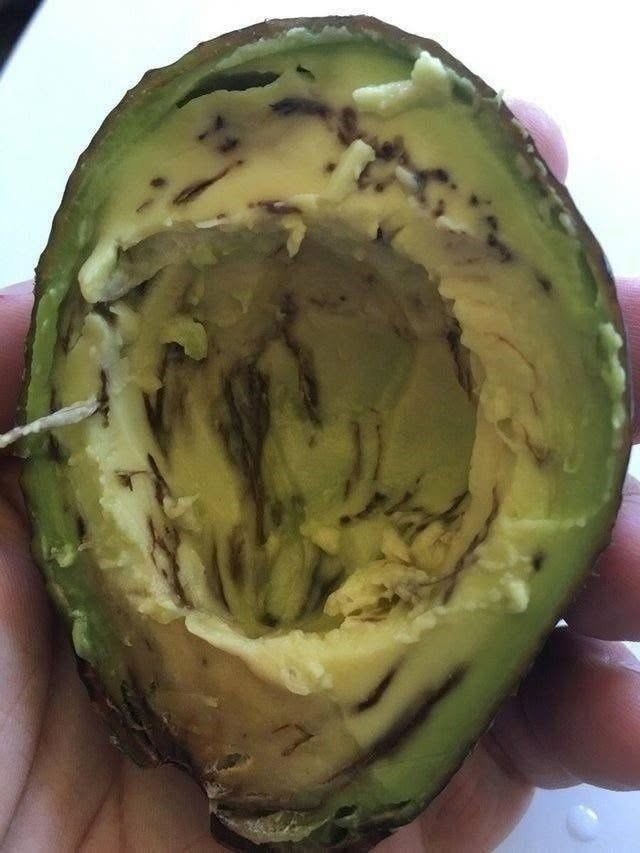
- Fresh flesh: Light green, uniformly creamy, free from large discolorations or mushy spots.
- Marginal imperfections: Minor dark streaks or spots are usually harmless and can be removed with a spoon. These occur when the fruit is slightly bruised but not spoiled.
- Spoiled avocado: Presence of widespread browning, gray or black veins, mold, or a sour smell signals spoilage. In these cases, further consumption should be avoided to ensure food safety.
Sometimes avocados develop strings (fibers) or uneven yellow patches, especially in fruit from young trees or in varieties like Zutano. These imperfections are generally safe, though they may affect texture.
Consumers should trust their senses: safe avocados typically have a mild, nutty aroma, while spoiled ones develop off-scents that are easily noticeable.
Reducing Avocado Waste: Practical Tips
Avocado waste is a global issue, with estimates from the Food and Agriculture Organization (FAO) suggesting that up to 30% of fresh produce is discarded after purchase. By learning to identify edible avocados, consumers can lower household waste and save money. Here are some recommendations from sustainability organizations and grocery experts:
- Store underripe avocados at room temperature. Move ripe avocados to the refrigerator to extend freshness by several days.
- If only part of an avocado is spoiled, remove the affected section. The rest may still be safe and enjoyable.
- To speed ripening, place avocados with bananas or apples in a paper bag. Ethylene gas released by these fruits accelerates the process.
- Avoid refrigerating unripe avocados, which can inhibit natural ripening mechanisms.
- Freeze mashed avocado or guacamole for long-term storage, ensuring the addition of lemon or lime juice to preserve color and flavor.
Health Benefits and Culinary Uses of Avocados
Rich in dietary fiber, potassium, vitamin E, and healthy monounsaturated fats, avocados support cardiovascular health, aid digestion, and provide sustained energy. Numerous peer-reviewed studies, including research by the American Heart Association, have found regular avocado consumption may help reduce LDL cholesterol and support anti-inflammatory effects.
Avocados are used fresh in salads, sandwiches, dips (guacamole), and sushi. They are also incorporated into smoothies, desserts, and even vegan baking as a substitute for butter or eggs. Their appeal extends internationally—Mexico is the world’s leading avocado producer, and cultures from Japan to France have adopted the fruit in innovative cuisine.
Expert Insights on Avocado Safety
Food scientists emphasize the importance of avoiding consumption if mold is present. Dr. Jeffrey Brown, food safety researcher at the CDC, notes, “Once an avocado shows visible mold or an off odor, consumption is not recommended. Mold can penetrate beyond the visible section, and foodborne illness risks exist.”
The CDC and Mayo Clinic advise that reactions to spoiled avocado are rare but may include stomach discomfort if ingested. Most adverse effects arise from eating fruit that is visually and olfactorily compromised.
Global Market and Societal Perspectives
With annual avocado exports exceeding $6 billion, the global market is sensitive to consumer standards. In recent years, campaigns from organizations like WRAP (Waste & Resources Action Programme, UK) and the Environmental Protection Agency (EPA, US) have encouraged buyers to avoid discarding avocados based on minor blemishes alone, citing both economic and ecological concerns.
Sustainable sourcing is also growing in prominence. Certification bodies such as Fair Trade and Rainforest Alliance aim to improve farmer livelihoods and environmental practices, ensuring consumers have access to quality avocados while also reducing waste at the production and retail levels.
Conclusion: Key Takeaways for Avocado Consumers
Proper identification of avocado ripeness is a skill that benefits both individuals and communities. By using texture, color (when applicable), and internal inspection, consumers can distinguish between safe, edible fruit and true spoilage. Incorporating storage and handling tips further enhances value, mitigates waste, and supports global sustainability efforts.
Ultimately, responsible avocado consumption maximizes enjoyment, nutritional benefit, and environmental stewardship.
Sources
Disclaimer: This content is intended for entertainment purposes only and is not based on real events.