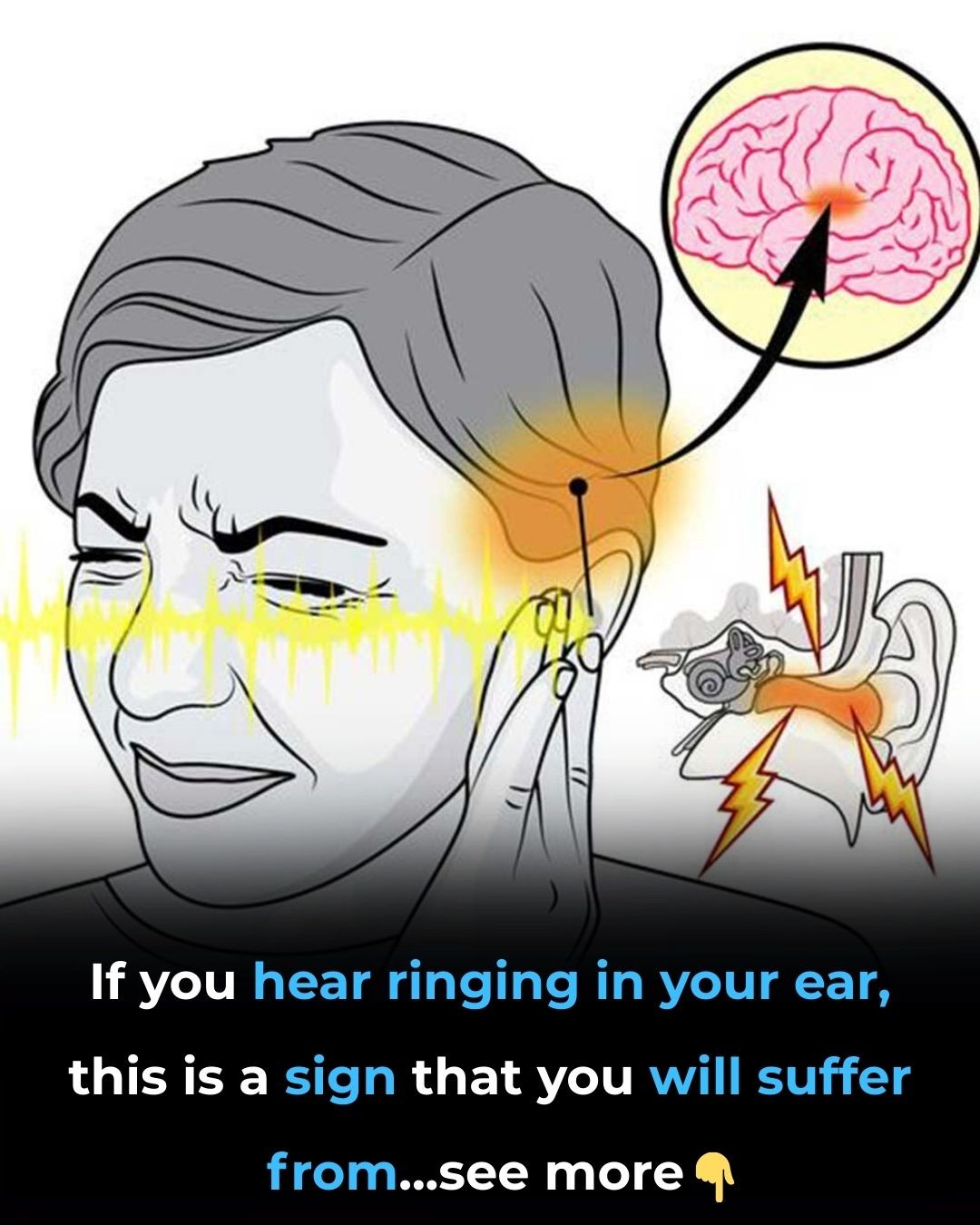
Understanding Tinnitus: Causes, Symptoms, and Management
Have you ever caught yourself noticing a faint hum, buzz, or ringing in your ear, particularly when your surroundings are completely silent? If so, you are not imagining things — and you are certainly not alone. The phenomenon you are experiencing is called tinnitus, a condition that affects millions of people worldwide.
Tinnitus is not a disease itself but a symptom, often associated with changes in hearing, prolonged exposure to loud sounds, increased stress, or underlying health issues.
In this comprehensive guide, we delve into what tinnitus actually is, possible causes and risk factors, symptoms, how to manage the condition, and when to seek medical attention. We also explore the latest scientific insights and expert recommendations, so you can move from worrying to understanding.
Because genuine peace of mind is derived not from ignoring the persistent noise, but from understanding its origin and knowing when to take action.
What Is Tinnitus?
Tinnitus is characterized by the perception of sound — such as ringing, buzzing, hissing, or clicking — in one or both ears, or within the head, when there is no external sound present. It can occur sporadically or persist continuously, and its intensity may vary across individuals.
Globally, tinnitus affects an estimated 10-15% of the population. For some, the noises are mild and barely noticeable, but for others, tinnitus can be intrusive, impacting concentration, mood, and quality of life.
Types of Tinnitus
Tinnitus is generally categorized into two main types:
- Subjective tinnitus: The most common form, where only the person experiencing it can perceive the sound.
- Objective tinnitus: Rare, and can sometimes be detected by a medical professional. It often relates to physical sounds generated within the body, such as circulatory or muscular activity.
What Causes Tinnitus?
The exact cause of tinnitus is not always clear. However, research has identified several contributing factors and underlying conditions:
- Hearing Loss: Age-related hearing loss (presbycusis) and damage to the inner ear due to loud noise exposure are leading causes. When hair cells in the inner ear become damaged, abnormal signals are sent to the brain, which may be interpreted as sound.
- Noise Trauma: Consistent exposure to loud environments — such as concerts, construction, or listening to music with headphones at high volumes — increases the risk of tinnitus.
- Ear Disorders: Conditions like ear infections, earwax buildup, otosclerosis (abnormal bone growth), and Meniere’s disease may lead to tinnitus.
- Medication Side Effects: Certain drugs — including some antibiotics, chemotherapy agents, diuretics, and aspirin — can trigger tinnitus, especially when used at high doses.
- Head and Neck Injuries: Trauma affecting the auditory nerves or brain regions responsible for hearing may result in tinnitus.
- Medical Conditions: Cardiovascular issues (e.g., high blood pressure), diabetes, thyroid problems, and temporomandibular joint (TMJ) disorders are associated with tinnitus in some cases.
- Stress and Mental Health: Psychological factors, such as chronic stress, anxiety, or depression, have been linked to an increased perception of tinnitus.
It is important to note that for many people, tinnitus develops without any identifiable cause.
Symptoms and Variability
Tinnitus manifests in various forms and sounds, which may include:
- Ringing (the most frequently reported)
- Buzzing or humming
- Hissing or whistling
- Clicking or pulsating
- Roaring or rushing
Some individuals report that their symptoms worsen at night or in quiet environments, as other sounds fail to mask the tinnitus.
Symptom severity ranges from mildly annoying to severely disabling. According to the American Tinnitus Association, about 20% of tinnitus sufferers experience their symptoms as debilitating — interfering with daily activities such as focusing, sleeping, or social interaction.
When Should You Seek Medical Help?
Tinnitus may resolve spontaneously or persist for years. While occasional mild tinnitus is common, certain circumstances warrant a medical evaluation:
- Sudden onset of tinnitus, especially following hearing loss
- Tinnitus in only one ear
- Tinnitus accompanied by dizziness, pain, or imbalance
- Symptoms that worsen rapidly or interfere significantly with life
- Pulsatile tinnitus that seems to match heartbeat rhythms (may signal vascular issues)
Consulting an ear, nose, and throat (ENT) specialist is recommended to rule out treatable medical causes and to guide appropriate management.
Diagnosis: What to Expect
A thorough diagnosis begins with a clinical evaluation, medical history review, and hearing tests. Additional imaging (like MRI or CT scans), blood tests, or consultations with audiologists may be conducted if necessary to identify underlying problems.
Many cases of tinnitus are idiopathic, meaning that no clear cause can be found. Still, the evaluation is important to rule out treatable or serious conditions.
How Is Tinnitus Managed?
While there is no universal cure for tinnitus, various strategies are available to help manage symptoms and improve quality of life. Treatment options depend on the underlying cause, severity, and impact of tinnitus.
Medical Treatments
- Treating underlying conditions: Addressing ear infections, removing excess earwax, or managing TMJ disorders may alleviate tinnitus in some cases.
- Medication review: Adjusting medications that may trigger tinnitus can be beneficial.
Sound Therapy and Masking
Sound therapy involves the use of external sounds to mask or distract from the perception of tinnitus. Common approaches include:
- White noise machines
- Fans, music, or nature sounds
- Hearing aids (for those with concurrent hearing loss)
Cognitive Behavioral Therapy (CBT)
CBT is an evidence-based psychological approach that helps patients reframe their emotional response to tinnitus, reduce distress, and improve coping mechanisms.
Tinnitus Retraining Therapy (TRT)
This method combines counseling and sound therapy, aiming to help the brain tune out and habituate to tinnitus sounds over time.
Lifestyle Strategies
- Reducing exposure to loud noises: Wear hearing protection in noisy environments.
- Managing stress: Relaxation techniques, such as mindfulness and meditation, may reduce perception of tinnitus.
- Improving sleep hygiene: Regular sleep patterns and masking sounds can make symptoms less noticeable at night.
- Avoiding stimulants: Limit caffeine and tobacco to see if symptoms improve.
Latest Scientific Research and Expert Views
Researchers continue to work toward understanding the mechanisms behind tinnitus, developing new therapies, and improving diagnosis. Some promising avenues include:
- Neuromodulation: Techniques like transcranial magnetic stimulation (TMS) and electrical stimulation may help reset neural activity linked to tinnitus, though results are still preliminary.
- Pharmacological Research: Several experimental drugs are being tested for efficacy in reducing tinnitus. To date, no medication is universally effective, but ongoing studies provide hope for future breakthroughs.
- Genetic Studies: Identification of genetic risk factors may help explain why some individuals are more susceptible to tinnitus than others.
According to the World Health Organization (WHO), hearing loss and tinnitus are global public health concerns, with increasing incidence due to aging populations and widespread exposure to loud environments. The Centers for Disease Control and Prevention (CDC) also emphasizes the importance of prevention — such as safe listening practices and regular hearing checks — as key measures for reducing tinnitus prevalence.
International and Societal Aspects
Tinnitus is not restricted to any age group, culture, or geography. Its impact is recognized worldwide, and support systems vary by region. Many nations have advocacy groups, such as the British Tinnitus Association or the American Tinnitus Association, providing resources, awareness campaigns, and community support.
Efforts to destigmatize tinnitus and hearing disorders have gained momentum in recent decades, with celebrities, veterans, and public figures sharing their experiences to encourage seeking help and engaging in prevention efforts.
Living with Tinnitus: Tips for Adaptation
Adjusting to life with tinnitus can be challenging, especially when symptoms are persistent. Experts recommend practical approaches for daily management:
- Establish regular routines and keep distractions nearby (such as music or podcasts)
- Connect with support groups to share experiences and coping strategies
- Stay physically active and attend routine health check-ups
- Maintain optimism — research advances continue to bring new options
It is important to remember that, while tinnitus cannot always be eliminated, with the right strategies and support, its impact can be minimized and well managed.

Conclusion
Tinnitus is a common yet complex auditory condition, the understanding and management of which require careful evaluation and a holistic approach. Being educated about its symptoms, causes, and treatments can help you shift from anxiety and uncertainty to proactive, informed action. If you suspect you have tinnitus, do not hesitate to consult a healthcare professional. With continued advancement in scientific research and supportive resources, hope for those affected by tinnitus is stronger than ever.
Sources
- Reuters
- BBC
- World Health Organization (WHO)
- Centers for Disease Control and Prevention (CDC)
- Mayo Clinic
- The Guardian
Disclaimer: This content is intended for entertainment purposes only and is not based on real events.