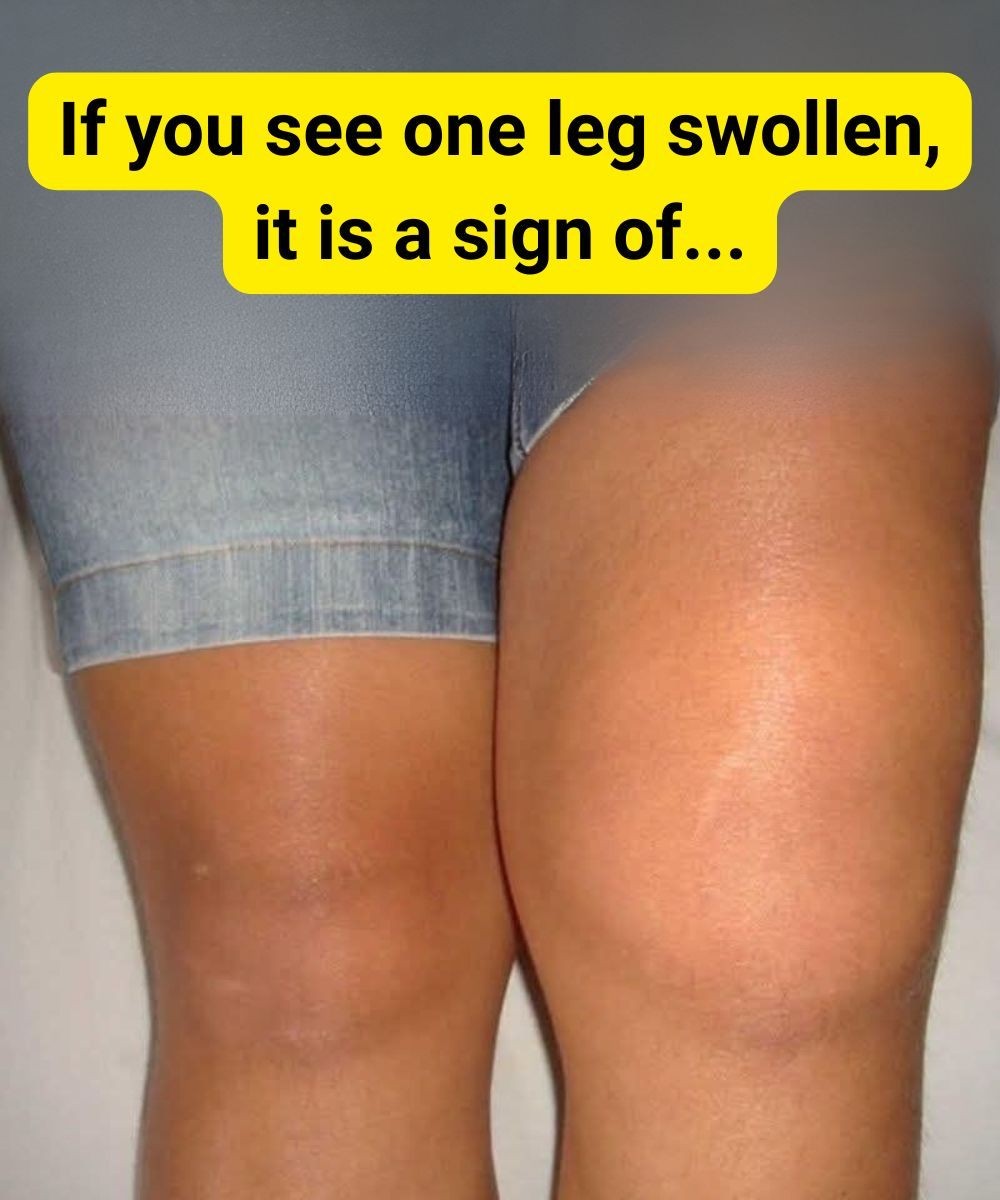
If You See One Leg Swollen, What It Means
Understanding Unilateral Leg Swelling
Swelling in one leg, called unilateral leg swelling, can be alarming and often represents a localized health concern. Unlike swelling affecting both legs or the entire body—which typically indicates a systemic problem—unilateral swelling suggests a more specific issue such as trauma, infection, vascular disorders, or lymphatic dysfunction.
Common Causes of One Leg Swelling
Several common factors contribute to the development of swelling in a single leg. Identifying the underlying cause is essential for ensuring proper treatment and preventing complications.
- Injury or Trauma: Accidents, falls, sports activities, or even minor mishaps can lead to a sprain, muscle tear, or fracture. These injuries trigger the body’s inflammatory response, resulting in localized fluid accumulation and swelling. This may be accompanied by bruising, tenderness, or restricted movement.
- Prolonged Immobility: Remaining in the same position for extended periods—such as during long flights, car rides, or desk work—can reduce blood flow and cause swelling. Gravity and inefficient venous return contribute to fluid pooling, especially in the lower extremities.
- Infection: Skin and soft tissue infections like cellulitis present with redness, warmth, pain, and swelling. These infections most commonly arise from cuts, insect bites, or underlying skin conditions. Infection may also be accompanied by fever or chills, signaling the need for prompt medical evaluation.
- Blood Clot (Deep Vein Thrombosis): DVT is a severe condition where a blood clot forms in a deep vein—usually in the leg. Symptoms of DVT include sudden swelling, pain, warmth, and tightness. It’s important to recognize DVT quickly because the clot can move to the lungs (pulmonary embolism), posing a life-threatening risk. Risk factors include immobility, recent surgery, certain medications, or inherited clotting disorders.
- Venous Insufficiency: Damage to the veins or valves can result in inefficient blood return to the heart. Venous insufficiency often causes swelling, heaviness, and varicose veins. It may develop gradually and worsen after standing or sitting.
- Lymphedema: Lymphatic system problems cause fluid buildup and swelling, usually affecting one leg. This can arise after surgeries, radiation therapy, infections, or hereditary conditions that damage lymph vessels or nodes.
Recognizing Symptoms and When to Seek Help
It’s critical to observe both the features and associated symptoms of leg swelling. Sudden-onset or rapidly worsening swelling, especially if painful or accompanied by chest pain, shortness of breath, or unexplained redness, should prompt urgent medical evaluation.
- Pain: Pain might indicate injury, infection, or blood clot.
- Warmth and Redness: These signs are common with infection and clot formation.
- Fever: Often signals an infectious process.
- Restricted Movement: May occur in sprains, tears, or severe swelling.
- Tightness: Important symptom in cases of DVT.
Immediate medical attention is necessary if you experience symptoms suggestive of DVT, cellulitis, or if swelling is associated with chest pain or breathing difficulties.
The Medical Perspective: Diagnosing and Treating Leg Swelling
Healthcare professionals employ a systematic approach in evaluating unilateral leg swelling. Diagnosis often begins with a thorough history and physical examination, followed by specialized tests:
- Imaging Studies: Ultrasound is used to detect deep vein thrombosis or distinguish between vascular and lymphatic causes.
- Blood Tests: Identify signs of infection, inflammation, or clotting abnormalities.
- X-rays and MRI: Evaluate for fractures, tears, or underlying bone and soft tissue problems.
Treatment depends on the identified cause. For injuries, rest, compression, elevation, and ice are standard. Infections require antibiotics; blood clots are managed with anticoagulant medications. Lymphedema may require physical therapy, compression garments, or specialized interventions. Patients are advised to avoid prolonged immobility and to monitor symptoms closely.
Expert Insights and Additional Context
Experts stress the importance of prompt evaluation, particularly in cases of sudden, unexplained swelling. Dr. Mandeep Singh, a vascular specialist interviewed by the Mayo Clinic, notes: “It’s critical to identify or rule out blood clots early. DVT is a medical emergency requiring immediate attention. Minor injuries or infections must also be treated promptly to prevent escalation.” According to the Centers for Disease Control and Prevention (CDC), DVT affects hundreds of thousands annually and is a leading cause of preventable complications post-surgery or following periods of immobility.
Infections such as cellulitis are reported by the World Health Organization (WHO) as increasingly common due to rising rates of diabetes, immunocompromised conditions, and age-related skin fragility. Experts emphasize that even minor cuts should be monitored closely for signs of infection.
Lymphedema awareness is also growing globally. Many countries emphasize early detection and intervention to reduce social stigma associated with visible swelling. Public health campaigns highlight the importance of leg health, regular movement, and self-checks, especially among older adults or those with prior leg surgery.
Societal Responses and International Perspectives
Leg swelling can impact daily comfort, work, and quality of life. International health organizations encourage preventive strategies such as maintaining activity, staying hydrated, and promptly addressing signs of injury or infection. Programs in the United Kingdom (NHS) and United States (CDC) educate the public about symptoms and risks, especially for travelers and the elderly.
Globally, awareness campaigns emphasize the dangers of blood clots associated with air travel. Passengers are advised to move frequently, hydrate, and utilize compression stockings during long flights. Educational resources are provided at airports, workplaces, and clinics.
Societal support for patients with lymphedema or chronic venous insufficiency includes access to physiotherapy, counseling, and occupational therapy to facilitate recovery and prevent recurrence. Community-based programs and patient groups play a crucial role in improving outcomes and raising awareness.
Preventing and Coping With Unilateral Leg Swelling
Prevention remains a cornerstone of leg health. Strategies include:
- Regular exercise to promote circulation
- Balanced diet and adequate hydration
- Monitoring for signs of infection after injuries
- Using compression stockings when recommended
- Taking breaks during long drives or flights to walk and stretch
For those experiencing swelling, simple measures such as leg elevation, gentle massage (unless contraindicated), and following healthcare provider recommendations are vital. Patients with chronic conditions should adhere to ongoing treatment and attend regular check-ups.
Conclusion: The Importance of Prompt Action
One-sided leg swelling should never be ignored, particularly if it appears suddenly or is associated with other concerning symptoms. From minor injuries to serious infections or blood clots, early detection and intervention can prevent complications and safeguard overall health. Being aware of potential causes and seeking expert guidance are essential steps for all individuals.

Sources
Disclaimer: This content is intended for entertainment purposes only and is not based on real events.