The Fear You Shouldn’t Ignore: Why Regular Health Screenings Can Save Lives
Understanding the Emotional Barrier to Health Screenings
For many people, the mere mention of a medical test—especially those involving cancer screenings or other serious diseases—may trigger a wave of fear. This fear often arises before the facts are known and can manifest as anxiety about pain, discomfort, embarrassment, or the possibility of receiving bad news. The internal dialogue is familiar to millions: “Not me,” many think, hoping to avoid what feels like an ordeal. Yet, paradoxically, the very tests we shy away from are often the most important tools we have for identifying silent, unfelt threats to our health before it’s too late.
The Role of Preventive Health and Early Detection
Medical experts and global health organizations have long emphasized the critical importance of preventive health care. Preventive screenings are designed to detect diseases early, often before symptoms appear. Diseases like cancer, cardiovascular conditions, diabetes, and some infectious diseases may progress silently, causing irreversible damage by the time symptoms manifest. Early detection can dramatically improve outcomes, sometimes making the difference between a simple intervention and a far more complicated, dangerous prognosis.
The Science Behind Health Screenings
Screenings are medical tests conducted in seemingly healthy individuals to identify early warning signs of disease. Their primary goal is not to diagnose but to signal when further investigation is needed. Common screenings include:
- Cancer screenings (e.g., mammograms, colonoscopies, Pap smears)
- Cardiovascular screenings (e.g., blood pressure checks, cholesterol tests)
- Diabetes screenings (e.g., blood glucose tests)
- Infectious disease screenings (e.g., HIV, hepatitis C testing)
Each of these tests is backed by substantial scientific evidence showing that early detection reduces disease burden, improves survival rates, and, in some cases, prevents conditions from developing at all. For example, routine cervical cancer screening has led to a dramatic decline in both incidence and mortality rates over the past several decades, according to the World Health Organization (WHO).
Expert Perspectives: Breaking Down Myths and Addressing Concerns
One common misconception is that screening tests themselves are risky or guaranteed to produce stress or pain. While some tests may cause temporary discomfort, most are minimally invasive and over quickly. Dr. Otis Brawley, former Chief Medical Officer at the American Cancer Society, notes: “Most screening tests are safe. The benefits of finding cancer early—when it’s easier to treat—far outweigh most potential harms.”
Another barrier is the mistaken belief that feeling healthy means you are healthy. However, many serious conditions—including hypertension, diabetes, and various cancers—show no initial symptoms. As Dr. Margaret Chan, former WHO Director-General, has stated, “The absence of symptoms does not necessarily mean the absence of disease.”
Disease Prevention: Societal and Global Perspectives
The global importance of preventive screenings goes beyond individual cases. Many national health systems have established routine screening programs as a means of improving public health outcomes, reducing long-term healthcare costs, and improving life expectancy. For example, Scandinavian countries have some of the most organized screening programs, resulting in reduced mortality from cancers such as breast and cervical cancer. The United States Preventive Services Task Force (USPSTF) provides evidence-based guidelines that influence screening recommendations worldwide.
Countries that invest in public awareness campaigns and provide accessible screening services typically see higher participation rates and better health outcomes. Conversely, societal stigma, myths, and misinformation can deter people from undergoing life-saving tests. Public health agencies highlight the importance of culturally sensitive education efforts to break through these barriers.
The Impact of Early Screening on Treatment Outcomes
When detected early, many diseases are more manageable and less costly to treat. For example, early-stage breast cancer typically requires less extensive surgery and has a much greater chance of cure compared to advanced stages. The American Cancer Society reports that the five-year survival rate for localized breast cancer is about 99%, compared to 30% for cancer detected after it has spread. Similarly, the Centers for Disease Control and Prevention (CDC) notes that adults with hypertension or high cholesterol can prevent heart attacks and strokes by detecting and controlling these risk factors early on.
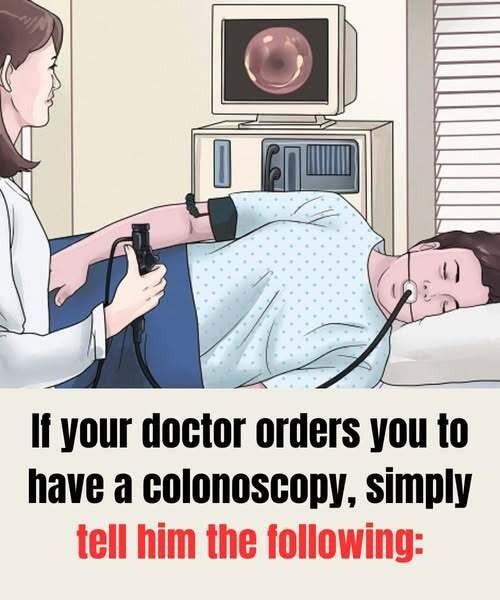
Screenings also play a preventive role. For instance, removing polyps during a colonoscopy is not just diagnostic but can directly prevent colorectal cancer from developing. Vaccines and screenings for diseases like cervical cancer further demonstrate the interwoven nature of prevention and early treatment.
Overcoming Barriers: How to Approach Your Next Screening
The emotional obstacles to screening are real but surmountable. Here are evidence-based strategies for facing them:
- Educate Yourself: Understand the test’s purpose, procedure, and what the results mean. Discuss concerns with a healthcare provider you trust.
- Seek Support: Bring a friend or family member to appointments, or join community programs that encourage health screenings.
- Plan Ahead: Choose a time and place where you feel comfortable. Some health services offer women-only or culturally sensitive screenings.
- Focus on the Facts: Remind yourself that early detection saves lives and can result in less invasive therapies.
- Communicate with Providers: Openly address your fears with your doctors, who can offer reassurance and practical tips to make the experience smoother.
The first step is simply making the appointment. Many people report feeling relief after taking action, noting that the stress of uncertainty is worse than the brief discomfort of a test itself.
International and Societal Reactions to Preventive Screening Initiatives
Globally, there are ongoing efforts to increase screening rates, especially in low- and middle-income countries where access and awareness are limited. The WHO’s Global Action Plan for the Prevention and Control of Noncommunicable Diseases calls for expanded screening services and improved education for both practitioners and the public. International partnerships are funding mobile clinics, subsidized screening programs, and technology-driven solutions such as telehealth consultations to reach remote populations.
Meanwhile, patient advocacy groups worldwide are amplifying the message that knowledge is power, using personal stories and data to challenge fear-based avoidance. Social media campaigns and community health workers play a vital role in shifting public attitudes and normalizing routine check-ups as a standard part of self-care.
The Future of Health Screenings: Emerging Technologies and Innovations
Advancements in medical technology are making screening easier, less invasive, and more accurate. Liquid biopsies, which can detect cancer DNA in blood samples, are showing promise as alternative forms of cancer screening. Artificial intelligence is being used to interpret mammograms, Pap smears, and other diagnostic tests to increase accuracy and reduce false negatives or positives.
Scientists and policymakers anticipate that these innovations will make screenings more accessible, especially in areas with limited medical infrastructure. The integration of smartphone apps for appointment reminders, risk assessment dashboards, and telemedicine consultations are already improving compliance rates among populations previously hesitant to engage with traditional healthcare systems.
Conclusion: Taking Charge of Your Health
The anxiety associated with medical testing is understandable, rooted in human nature and fear of the unknown. However, the evidence is clear: regular health screenings save lives by providing the earliest possible warning of underlying disease. Early detection often transforms what could be a complex, life-threatening problem into a manageable one—and in some cases, prevents it altogether. By confronting our fears and prioritizing preventive care, we give ourselves the best chance at a long, healthy future.
The next time anxiety makes you hesitate, remember: the test you avoid today could be the key to a healthier tomorrow. Empowerment, reassurance, and proactive decision-making are the best antidotes to fear—a message echoed globally by public health leaders and survivor advocates alike.
Sources
- World Health Organization (WHO)
- Centers for Disease Control and Prevention (CDC)
- American Cancer Society
- United States Preventive Services Task Force (USPSTF)
- Mayo Clinic
- BBC Health
- Reuters Science
- The Guardian: Society – Health
Disclaimer: This content is intended for entertainment purposes only and is not based on real events.