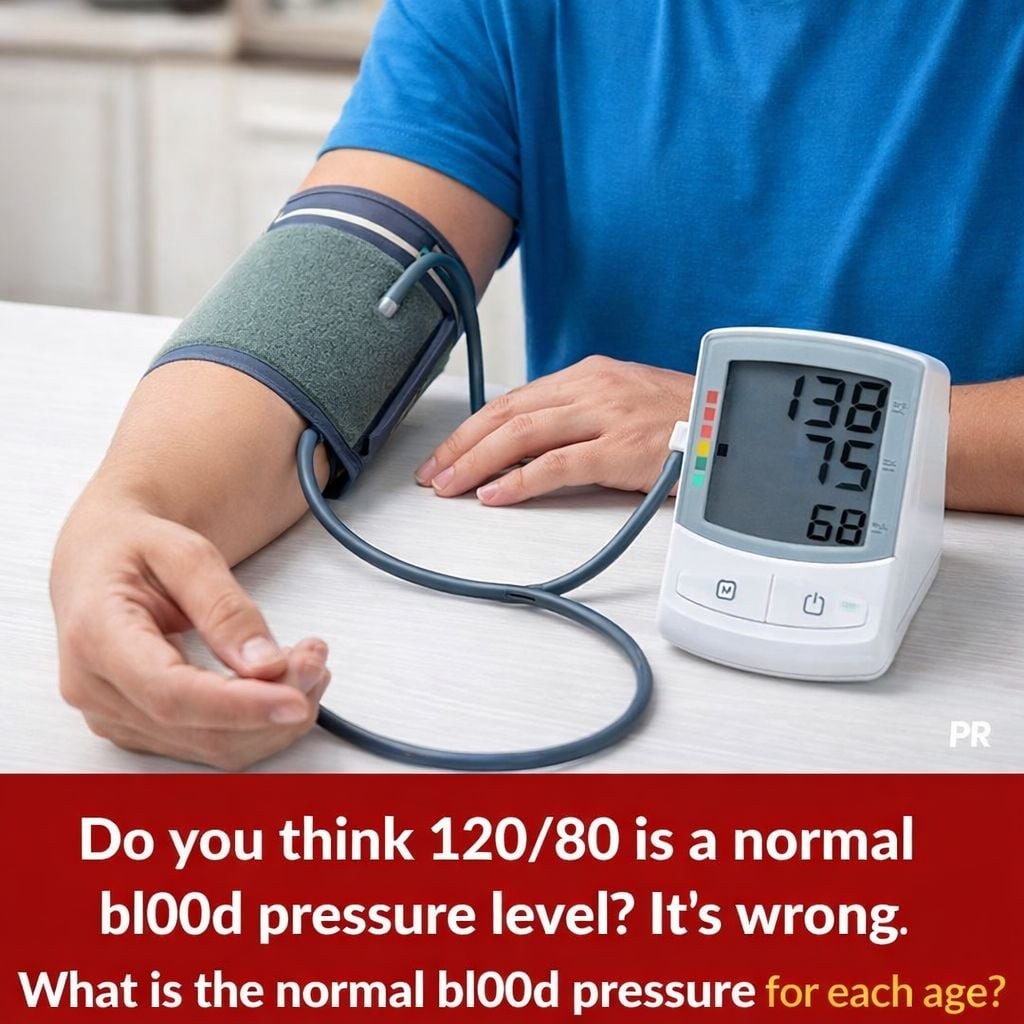
You’ve Been Lied To About “Normal” Blood Pressure
Introduction: Rethinking What Constitutes Normal Blood Pressure
For years, popular wisdom and even professional medical advice often labeled a blood pressure reading of 140/90 mmHg as “normal” or “acceptable,” especially for older adults. However, mounting scientific evidence now demonstrates that these standards were not only outdated but potentially dangerous. Strokes, heart failure, and kidney disease—outcomes frequently dismissed as the inevitable consequences of aging—are now directly connected to blood pressure levels once considered benign. This article examines how our understanding of “normal” blood pressure has evolved, the influence and inertia of established guidelines, and what new research means for individuals and the health systems that serve them.
The Old Blood Pressure Guideline: 140/90 as “Acceptable”
For decades, the benchmark of 140/90 mmHg was used by many health practitioners and organizations as the threshold between “normal” and “high” blood pressure. As people aged, the bar was sometimes set even higher, with physicians reassuring older patients that their slightly elevated readings posed little risk. This approach originated from studies and clinical expert opinions dating back to the mid-20th century, a time when the risks associated with so-called “mild” hypertension were poorly understood.
The implication was that age-related increases in blood pressure were natural, and not necessarily a cause for intervention. Millions of adults who fell within or just above these limits were told there was little to worry about, provided they showed no immediate symptoms.
New Science: Why the Standard Had to Change
Over the past two decades, a wave of epidemiological studies and large-scale clinical trials began to dismantle the narrative that a blood pressure of 140/90 mmHg is “safe”—for any age group. Research published in journals such as The Lancet, New England Journal of Medicine, and others revealed a clear, incremental risk for cardiovascular events well below the old standard.
The Systolic Blood Pressure Intervention Trial (SPRINT), coordinated by the US National Institutes of Health (NIH) and published in 2015, was pivotal. SPRINT demonstrated that targeting a systolic blood pressure (the top number) of less than 120 mmHg, especially in adults over 50 with increased cardiovascular risk, significantly reduced the likelihood of death from heart attacks, strokes, and heart failure compared to the former 140 mmHg target. This was a major shift: the lower, the better, in many cases.
Current Guidelines: A New Definition of Normal
In response to such compelling evidence, the American College of Cardiology (ACC) and the American Heart Association (AHA) updated their guidelines in 2017. They now define normal blood pressure as less than 120/80 mmHg for adults, regardless of age. Elevated blood pressure is classified as readings from 120-129/<80 mmHg, and high blood pressure (hypertension stage 1) starts at 130/80 mmHg. These definitions are more aggressive and emphasize that no age group benefits from higher targets.
International bodies, such as the World Health Organization (WHO) and the European Society of Cardiology (ESC), have adopted similar frameworks, though precise thresholds can vary slightly depending on region and population specifics. The clear message: Age-based “normal” ranges are not recognized in contemporary, evidence-based medicine.
The Dangers of Outdated Thinking: Underdiagnosis and Undertreatment
The persistent belief in age-adjusted “normal” blood pressure ranges has had serious consequences. Studies have estimated that millions worldwide were left undiagnosed or insufficiently treated for high blood pressure under older guidelines. The body does not adapt harmlessly to higher blood pressure with age; rather, long-term exposure silently damages arteries, the heart, kidneys, and brain. Common outcomes include stroke, heart failure, dementia, vision loss, and chronic kidney disease.
According to the World Health Organization, high blood pressure contributes to roughly 12.8% of all deaths globally and is the leading risk factor for preventable cardiovascular disease. Greater awareness and more stringent standards, as advocated by recent research, are critical for reducing these numbers.
Expert Perspectives: Why Accurate Blood Pressure Matters
Cardiologists and hypertension specialists emphasize the importance of accurate measurement and sustained control of blood pressure. Dr. Paul Whelton, principal investigator on the SPRINT trial, said, “The evidence is clear—lowering blood pressure saves lives. Our challenge now is to make these new goals achievable and safe for all patients.”
Experts stress that blood pressure should be measured correctly: seated, after at least five minutes of rest, using a well-calibrated and validated device at home or in a medical setting. A single high reading should not be cause for panic, but consistent elevation over multiple checks calls for intervention.
Treatment approaches have also evolved. While lifestyle modifications—improving diet, increasing physical activity, reducing salt intake, managing stress, and quitting smoking—remain first-line strategies, medication is often necessary for those whose blood pressure remains above the new thresholds or who have additional risk factors like diabetes or prior cardiovascular disease.
International Responses and Changing Awareness
The redefinition of normal blood pressure has prompted both support and debate in the medical community worldwide. Some European and Asian guidelines taper targets for older adults to balance the potential side effects of intensive treatment, such as electrolyte disturbances or falls, with the benefits of reduction. However, the underlying principle is broadly accepted: Persistently raised blood pressure is never “normal,” and its effects are cumulative.
Public health campaigns globally have shifted accordingly. Governments and organizations such as the WHO and CDC emphasize regular blood pressure screening for everyone over age 18, regardless of symptoms or known risk factors. This renewed vigilance seeks to catch and address high blood pressure before it causes irreversible harm.
Societal Impact: Health, Economics, and Prevention
The ramifications of correcting the myth of “normal” age-related hypertension are considerable. Early diagnosis and more aggressive management are projected to drive down rates of heart attacks, kidney failure, strokes, hospitalizations, and premature death. This, in turn, could reduce the substantial economic burden associated with untreated high blood pressure, which costs health systems billions of dollars annually in direct care and lost productivity.
Addressing high blood pressure proactively also aligns with broader efforts to reduce global health disparities, as low- and middle-income countries bear a disproportionate share of undiagnosed and untreated hypertension. Increasing access to screening, affordable medications, and education about heart health is an ongoing international imperative.
Practical Takeaways for Individuals
- Check your blood pressure regularly—even if you feel well.
- Understand that “aging” is not a valid excuse for elevated numbers. The risks of high blood pressure apply to everyone.
- Adopt a heart-healthy lifestyle: consume less salt, eat more fruits and vegetables, exercise regularly, and maintain a healthy weight.
- Work closely with medical professionals if you are diagnosed with hypertension to set realistic, evidence-based treatment goals.
- Be aware that optimal targets are usually less than 120/80 mmHg, unless contraindications exist based on individual health profiles.
Conclusion: Dispelling the Myth for Healthier Lives
The longstanding myth that 140/90 mmHg is a “normal” or “safe” blood pressure at any age has been thoroughly debunked by robust scientific research. The shift to lower targets signifies not only a new era in cardiovascular medicine, but also a vital step toward preventing the silent epidemic of hypertension-related disease. The key takeaway is simple: Early detection, up-to-date understanding, and prompt management of blood pressure save lives.
Sources
- Centers for Disease Control and Prevention (CDC)
- American Heart Association (AHA)
- American College of Cardiology (ACC) Blood Pressure Guidelines
- World Health Organization (WHO) Facts on Hypertension
- The Lancet – Blood Pressure Lowering and Outcomes
- The New England Journal of Medicine – SPRINT Study
- Mayo Clinic – High Blood Pressure
Disclaimer: This content is intended for entertainment purposes only and is not based on real events.