Friday Night’s Episode of Wheel of Fortune Explodes Into Controversy
Introduction: A Night of High Hopes Turned Controversial
On Friday night, viewers tuned in to Wheel of Fortune expecting the blend of entertainment, suspense, and friendly competition that has defined the show for decades. However, what unfolded was an episode that swiftly escalated into controversy, leaving fans nationwide voicing their disbelief and frustration. As the episode aired, social media buzzed with reactions, turning what should have been a lighthearted game night into a topic of heated debate.
The Build-Up: Megan Russell Sets the Pace
The episode began with promise. Contestant Megan Russell quickly established herself as a strong contender. Her confident spins and skillful puzzle-solving seemed to set a positive tone, building anticipation in the studio and for millions watching from home. Megan’s early success suggested an evening that would unfold smoothly, with engaging competition and satisfying moments of victory.
Wheel of Fortune has long been celebrated for its ability to create these kinds of moments, combining luck, knowledge, and quick thinking. The early rounds of this particular episode adhered to that tradition, with viewers cheering on Megan’s performance, believing the evening would echo the show’s enduring legacy.
The Turning Point: The “Seeing the Green Flash” Puzzle Creates Confusion
The atmosphere shifted dramatically with the introduction of a puzzle under the category Event: “Seeing the green flash.” For many, this phrase proved unexpectedly obscure, sparking immediate confusion among both the contestants and those watching at home. The green flash is a rare optical phenomenon that sometimes occurs just after sunset or before sunrise, when a green spot is briefly visible above the sun’s upper rim. While fascinating to scientists and skywatchers, it remains unknown to much of the general public.
Contestants struggled with the puzzle, their uncertainty reflected on screen. Viewers, too, took to social media to share their bafflement, with many expressing that they had never encountered the phrase before. Fans questioned the appropriateness of “Seeing the green flash” as an event, arguing it was a niche reference that might be more at home in trivia than in a general-audience puzzle game.
The main contention centered around the alignment of the puzzle with its assigned category. Historically, puzzles on Wheel of Fortune under the ‘Event’ category have often referenced commonly known occasions, actions, or phenomena. The sudden introduction of a rare scientific term left many feeling the challenge was unfair, adding tension to the evening.
Viewer Reactions: Frustration and Debate
As the episode continued, frustration spread rapidly across social platforms. On Twitter and Facebook, users posted in real time, some questioning the puzzle writers’ decisions, while others lamented the shift away from more universally recognizable topics. For passionate fans, this incident raised questions about the game’s accessibility and the challenges of balancing difficulty with entertainment value.
Commentators noted Wheel of Fortune’s challenge: maintaining a level of unpredictability and excitement without alienating its audience. While introducing new or lesser-known events can expand learning opportunities, there is a delicate threshold where viewers may feel lost rather than engaged.
This balance is central to the show’s decades-long success. Wheel of Fortune, which debuted in 1975, has grown into a staple of American television, with its familiar wheel and word puzzles enjoyed by viewers of all ages. Episodes like Friday’s, however, prompt renewed discussion about the evolving expectations of audiences and the importance of inclusivity in game show content.
The Bonus Round: High Stakes and Heightened Pressure
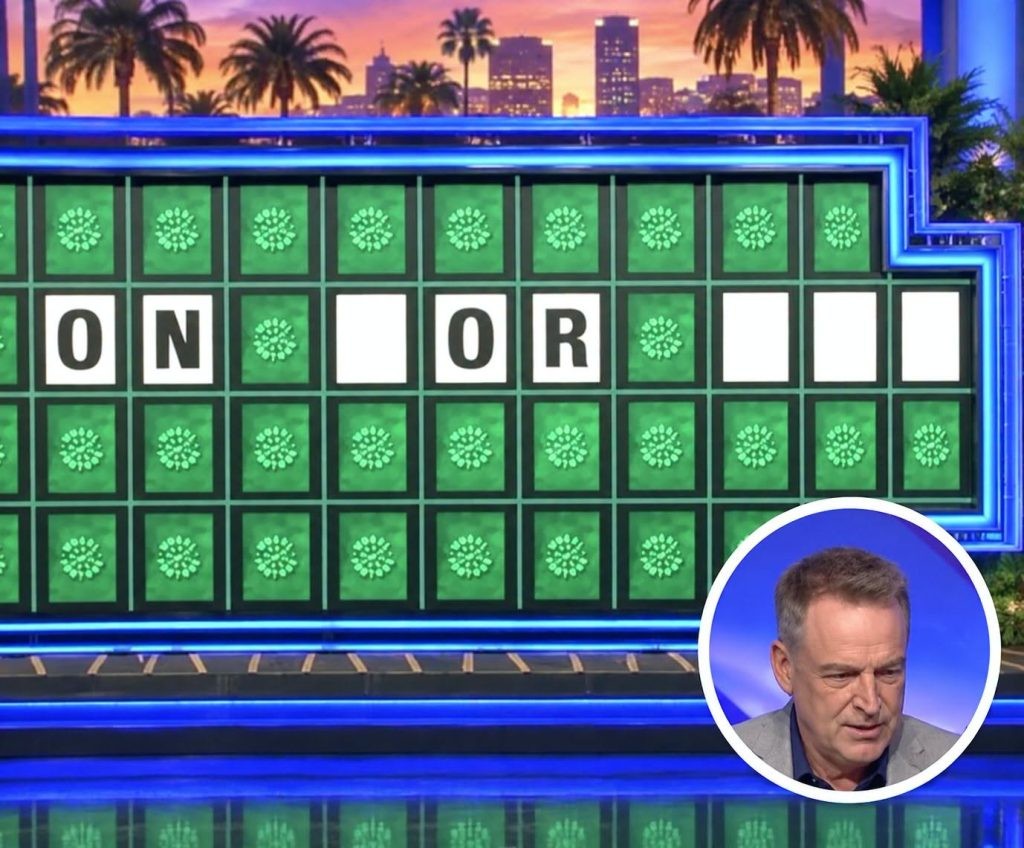
The episode’s intensity peaked during the Bonus Round, a segment known for both its high monetary rewards and its immense pressure. This night, the spotlight landed on Stephen Sporer, who had navigated earlier rounds to earn a coveted place in the finale.
The puzzle, “ON OUR WAY,” was, to many viewers, relatively straightforward. However, the unique atmosphere of a television studio — the glare of spotlights, the hush of the audience, and the omnipresent ticking clock — can alter perception and increase stress for contestants. For Stephen, the pressure proved significant. His hesitation, visible to all, illustrated the difference between playing along at home and competing on national television.
With just seconds to solve the puzzle, doubt crept in. The moment the final buzzer sounded with the answer unsolved, a collective sigh echoed across social media. The missed opportunity meant that $40,000 in Bonus Round winnings slipped out of reach in an instant. Stephen’s response — a quiet, resigned smile — resonated with viewers, encapsulating both the disappointment of defeat and the grace required to handle it publicly.
Experts Weigh In: The Psychology of Game Show Pressure
Game show experts and psychologists have frequently commented on the immense psychological pressure faced by contestants. Dr. John Morrison, a cognitive psychologist specializing in decision-making under stress, explains that performing on live television triggers heightened levels of anxiety that can impair even simple recall. “Contestants often know the answer but, under pressure, their ability to access information can be significantly diminished,” he notes. The experience in the studio is markedly different from playing along at home due to the combination of environmental and emotional factors.
This insight helps explain moments like Stephen’s on Wheel of Fortune, where ease of a solution from a viewer’s perspective does not necessarily translate to a contestant’s ability to respond in real time. The show’s enduring appeal, in part, lies in this unpredictability and the shared human experience of triumphs and occasional misses.
The Broader Impact: Trust and Fairness in Game Shows
Episodes that stir controversy often spark larger debates about fairness and transparency in televised competition. Wheel of Fortune’s audience expects puzzles that are challenging yet accessible, allowing for a diverse range of participants to succeed. While fans recognize the need for variety and surprise, there is growing discourse around the importance of ensuring that puzzles are widely relatable, so as not to favor contestants with niche knowledge.
Critics of Friday’s episode suggested that rare or technical references, such as “the green flash,” could disadvantage both players and segments of the audience unfamiliar with scientific phenomena. Such debates are not new and often prompt showrunners to review standards and consult a broader range of sources to predict puzzle fairness.
It is important to note that similar controversies occasionally arise in other game shows as well. Jeopardy!, for example, has at times faced critique for obscure or regionally specific clues. The ultimate goal for producers remains to create a level playing field that entertains, educates, and excites without veering into unnecessary confusion or frustration.
The Show’s Response and Community Support
In the aftermath of contentious episodes, Wheel of Fortune often receives correspondence from fans, constructive criticism from gaming experts, and input from academic consultants. While no official statement had been issued regarding Friday’s puzzle at the time of writing, producers historically review feedback and, when appropriate, adjust future content to maintain the spirit of fair play.
Both contestants and dedicated viewers form the backbone of any longstanding game show. Megan, Stephen, and their peers faced the evening’s challenges with grace and determination, exemplifying the resilience and goodwill that define Wheel of Fortune fandom. The support from the community in the wake of tough or controversial moments further illustrates the unique bond forged over decades of shared viewing experiences.
The Legacy of Wheel of Fortune: Enduring Popularity Despite Controversy
While moments of frustration and debate are inevitable in any competitive environment, Wheel of Fortune’s legacy endures due to its ability to engage audiences, adapt to changing expectations, and continually spark conversation. The format of spinning the wheel, solving word puzzles, and rewarding quick thinking has proven timeless. Even as puzzles occasionally create controversy, they also serve to highlight the passionate interest the show generates.
The importance of fairness, accessibility, and empathy within televised competition cannot be overstated. As Wheel of Fortune reviews feedback from episodes like this, the show reaffirm its commitment to delivering both challenge and enjoyment for every member of its diverse audience.
Conclusion: A Night to Remember
Friday night’s episode of Wheel of Fortune will be remembered not just for its unexpected twists and missed opportunities, but also for the vibrant discussion it inspired. As viewers continue to debate the fairness and scope of puzzles, the essence of the show remains: a celebration of luck, skill, and the resilience to try again — win or lose. Moments of controversy, when met with openness and reflection, can serve to strengthen both the program and its dedicated following for years to come.
Sources
Disclaimer: This content is intended for entertainment purposes only and is not based on real events.