The Psychology Behind Colors You Notice First: What It Reveals About Personality
Understanding Color Perception and Its Relevance
Colors have a profound impact on our daily lives, affecting our moods, decisions, and perceptions. Have you ever wondered why certain colors immediately capture your attention while others fade into the background? Although color perception is not a scientific indicator of personality, psychologists and researchers recognize that the colors you notice first can be a fun lens through which to reflect on your emotions, habits, and personal challenges. By exploring the symbolism and psychological effects associated with colors, we gain insight into our unique ways of seeing ourselves and the world around us.
How Color Psychology Works
Color psychology is the study of how hues influence human behavior and feelings. While not every reaction to color is universal, studies show that colors can evoke specific emotional responses and associations. These reactions can be shaped by biology, personal experiences, cultural background, and even individual preferences. Experts point out that the meaning behind the color you notice first is not a diagnostic tool but rather a playful and reflective exercise to spark self-awareness.
What Your Favorite Color Might Say About You
Pink: Kindness and Emotional Warmth
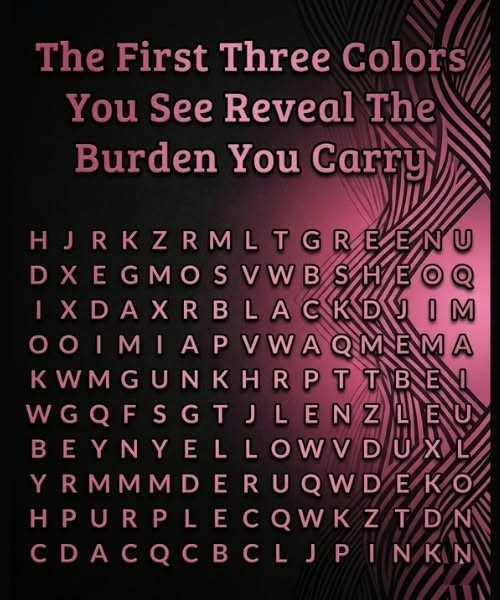
If pink stands out to you, it is often associated with tenderness, compassion, and close relationships. Many who gravitate toward pink are seen as nurturing, empathetic, and emotionally open, often prioritizing the well-being of others. While caring deeply for others is admirable, experts suggest that setting healthy boundaries is essential for personal balance. Research in emotional intelligence emphasizes the need for self-care so that those who are empathetic also recognize and attend to their own needs.
Black: Independence and Strength
Choosing black as the dominant color may point toward qualities such as confidence, self-reliance, and a preference for privacy. Individuals who notice black first are often perceived as strong and independent, capable of facing challenges on their own. However, psychologists highlight that sharing vulnerabilities with trusted individuals can foster deeper connections, helping those who value independence build fulfilling relationships without compromising their sense of autonomy.
Purple: Creativity and Intuition
Purple is frequently linked to creativity, imagination, and thoughtful introspection. Creative personalities or those drawn to innovation often gravitate toward purple, with its rich history as a symbol of wisdom and artistic expression. According to cognitive psychologists, creative minds tend to analyze complex ideas and situations from multiple perspectives, which can sometimes lead to overthinking. Embracing mindfulness and focusing on the present moment can reduce stress and improve emotional well-being for those drawn to purple hues.
Blue: Loyalty and Emotional Stability
If blue is the color you notice first, it may signify qualities such as loyalty, consistency, and calmness. Blue is widely recognized in psychological research for its soothing effects and its association with trustworthiness and dependability. While being a reliable friend or family member is valued, experts stress the importance of maintaining balance—constantly supporting others without attending to personal needs can lead to emotional burnout. Self-care strategies and emotional boundaries are recommended for those who identify with blue to promote lasting psychological health.
Green: Growth and Renewal
Green often symbolizes growth, balance, renewal, and positive transformation. Psychologists and therapists associate green with hope, healing, and personal development, making it a favorite among those seeking new beginnings or navigating life transitions. The appeal of green may reflect a desire for harmony or an openness to change. Studies show that outdoor environments rich in green tones can boost mental well-being and inspire creative thought.
Red: Passion and Determination
Red is linked to energy, passion, motivation, and strong emotions. People who notice red first are commonly described as dynamic, determined, and expressive. Research in color therapy confirms that red can stimulate alertness and encourage action. For individuals with a strong affinity for red, managing stress and impulsive reactions is important, as passionate emotions can sometimes become overwhelming. Developing healthy coping strategies and stress management techniques is beneficial for maintaining emotional balance.
White: Organization and Clarity
White is often interpreted as a sign of organization, clarity, and a desire for control. Those who are drawn to white may prefer a structured and clean environment, reflecting traits such as perfectionism and attention to detail. While striving for order has advantages, studies in clinical psychology caution that excessive perfectionism can create unnecessary stress. Learning to accept imperfection and finding peace in occasional chaos can increase overall well-being for those who favor white.
Orange: Curiosity and Enthusiasm
Orange signifies enthusiasm, curiosity, and sociability. It is a stimulant color, often associated with open-mindedness and a zest for life. Individuals who notice orange first are typically energetic, creative, and eager to explore new opportunities. While these qualities are valuable for personal growth and social interaction, experts recommend balancing excitement with patience to avoid burnout.
Brown: Reliability and Responsibility
Brown reflects qualities of reliability, stability, and responsibility. Those who relate to brown are usually grounded, trustworthy, and practical. Brown is frequently chosen by people who appreciate routine and security. According to psychologists, these traits help build strong foundations in relationships, employment, and personal goals, though openness to change can further enhance growth.
Yellow: Optimism and Positivity
Yellow is linked to creativity, optimism, and a positive outlook. Studies in color psychology indicate that yellow can foster happiness and inspire new ideas. Individuals attracted to yellow are often seen as uplifting and innovative, helping others find light in difficult situations. However, experts advise that accepting all emotions—including challenging ones—is crucial for genuine self-assurance and growth. Denying negative feelings can prevent constructive self-reflection and resilience.
Cultural and Historical Perspectives on Color Meaning
Color symbolism varies across cultures, often influenced by history, tradition, and social context. In the Western world, for example, white is commonly associated with purity and new beginnings, while in some Eastern cultures it may represent mourning. Red, celebrated for its vitality in many cultures, can also symbolize caution or danger. International research highlights the need to consider these variations when interpreting color preferences, as meanings may differ significantly based on social narratives and historical experience.
Scientific Studies: Do Colors Really Affect Personality?
While many believe that color preference can reveal aspects of personality, scientific evidence is nuanced. Some studies show correlations between color choices and mood or behavior, but there is limited proof for direct causation. The American Psychological Association notes that while color can influence mood and perception, personality traits are shaped by complex factors including genetics, culture, and individual life experiences. Color psychology is best used as a tool for introspection and self-improvement rather than a strict diagnostic measure.
Expert Insights into Color and Emotional Well-Being
Therapists and counselors often use color-focused exercises to aid in emotional exploration, creativity, and self-reflection. Experts stress that while color preference can provide interesting insights, sustained self-confidence comes from accepting all emotions rather than only pursuing the positive. Cognitive behavioral approaches encourage embracing both strengths and vulnerabilities for holistic well-being.
Societal Implications and International Reactions
The appeal of color-based personality quizzes and self-reflection tools continues to rise globally, driven by rapid advancements in psychology, digital media, and self-help trends. Many societies integrate color in marketing, education, and therapy to facilitate self-awareness and improve emotional health. Global reactions highlight the need for careful interpretation, suggesting that color can spark meaningful dialogue about personality and lifestyles but should not be seen as a replacement for professional psychological assessment.
Conclusion: Embracing Colors as a Window to Self-Reflection
The color you notice first is not a diagnosis or fate; rather, it offers a playful and thoughtful way to consider your unique traits and emotional landscape. By exploring the symbolism behind colors and integrating insights from scientific and cultural perspectives, you can gain greater self-awareness and develop healthier habits. Confidence and well-being arise from authentic acceptance of all feelings—not just the pleasant ones. Let colors inspire your journey of personal growth and emotional discovery.
Sources
Disclaimer: This content is intended for entertainment purposes only and is not based on real events.