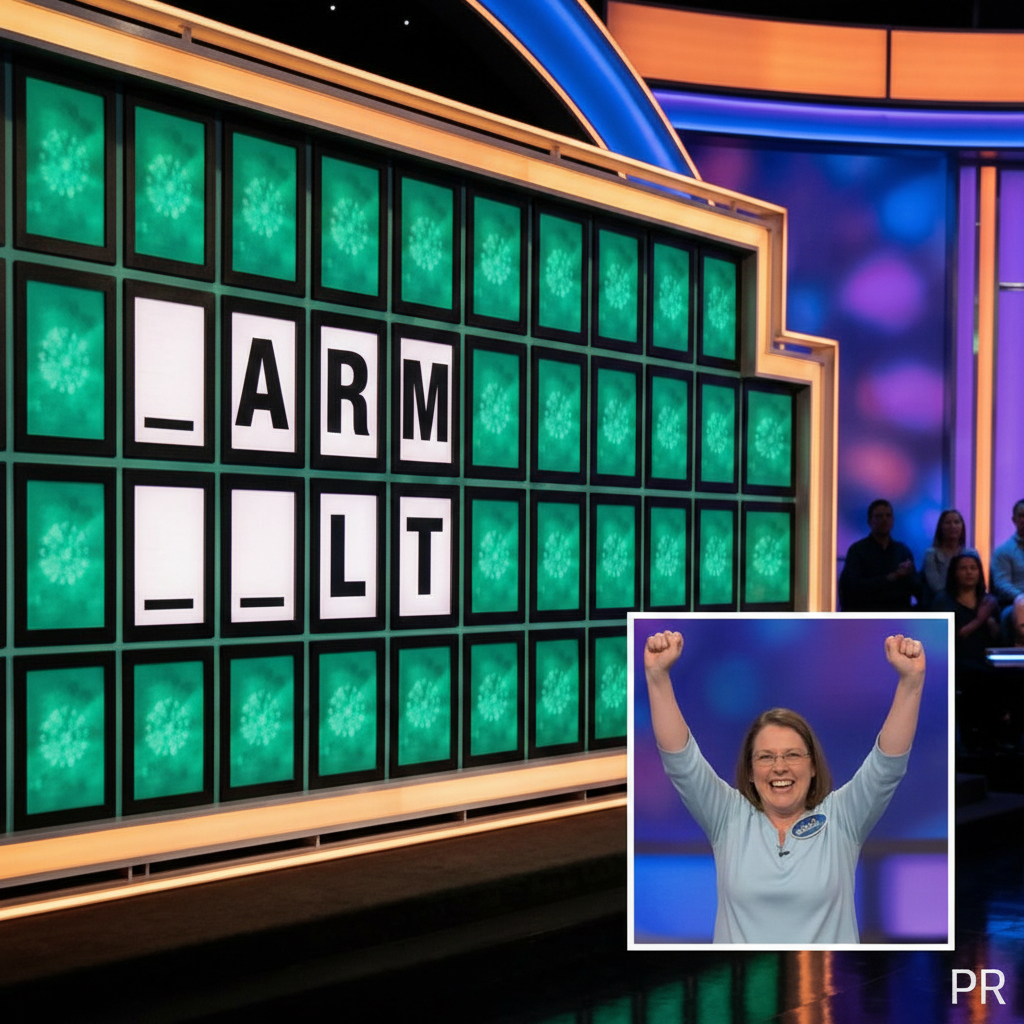
Wheel of Fortune Contestant Delinda Rood Delivers Memorable Win Through Strategy and Composure
Introduction: A Standout Moment on a Classic Game Show
Game shows have long held a unique place in American culture, blending entertainment, knowledge, and suspense for millions of viewers. Wheel of Fortune, one of television’s most longstanding and popular programs, is renowned for moments of surprise and excitement. In a recent episode, contestant Delinda Rood of Rosemount delivered a performance that not only earned her a substantial prize but also resonated deeply with audiences and experts alike. This article explores Rood’s journey through the episode, the significance of her win, and reactions from viewers and industry observers, highlighting the factors that made her appearance a memorable one in the show’s history.
The Structure and Appeal of Wheel of Fortune
Since its debut in 1975, Wheel of Fortune has attracted viewers with its simple yet compelling format. Contestants spin a wheel for cash and prizes while solving word puzzles. Over decades, the show has maintained its appeal through charismatic hosts, engaging contestants, and evolving gameplay. Success on the show requires a blend of vocabulary knowledge, strategic thinking, and composure under pressure—attributes that were on full display in Delinda Rood’s episode.
A Calm Start: Building Momentum Through Steady Play
The episode began as most do, with contestants cautiously testing their luck and skills. Delinda Rood faced competitors hailing from Palo Alto and Chattanooga. Early rounds displayed careful spins and strategic letter selections, signaling an evenly matched contest. Rood’s approach was measured; she described herself as an ambivert, a personality type that blends introverted focus with extroverted confidence. This self-awareness translated directly into her gameplay.
Rather than chasing risky opportunities or making hasty decisions, Rood opted for observation and timing. She watched her opponents, evaluated the board, and made calculated moves. As the rounds progressed, her ability to capitalize on toss-up puzzles became evident. The turning point came when she secured a pivotal toss-up, shifting the momentum of the game firmly in her favor. This key moment enabled her to build a steady lead and set the stage for a potential Bonus Round appearance.
Strategic Gameplay and Efficient Problem Solving
In the middle rounds, Rood’s tactical mindset shone through. She selected consonants and vowels thoughtfully, avoiding common pitfalls such as guessing obscure letters or overly aggressive spins. Her choices reflected an understanding of probabilities—identifying letters that were likely to appear based on the puzzle’s category and partially revealed board. Experts note that successful contestants often approach the game with this blend of intuition and logical deduction.
Rood demonstrated puzzle-solving efficiency, rapidly filling in blanks and solving rounds with minimal errors. As the game advanced, her concentration and pacing allowed her to develop a substantial lead over her competitors, ensuring a coveted place in the Bonus Round. This achievement is notable, as only a portion of contestants qualify for the final segment, where both skill and luck are tested to the fullest.
The Bonus Round: Composure Under Pressure
The Bonus Round is renowned for its high tension and challenging puzzles. With pre-selected letters revealed and the opportunity to choose additional consonants and vowels, contestants must rapidly analyze incomplete puzzles under strict time constraints. This setting demands not only lexical knowledge but immense self-control.
As Rood faced the Bonus Round board, she paused briefly, taking in the puzzle’s structure. Observers noted her methodical approach, refusing to rush despite the ticking clock. Then, in a moment of clarity, she announced the solution almost instantly. The speed and accuracy of her answer surprised both the audience and host Ryan Seacrest, prompting a visible reaction of admiration. Seacrest, who assumed hosting duties in recent seasons, highlighted the impressive timing and poise Rood displayed.
Applause filled the studio as the prize was unveiled, pushing Rood’s winnings to a total of $65,650—a substantial reward by game show standards. Yet, the episode’s impact extended beyond the monetary outcome; it was Rood’s composure and sharp recall that truly captured attention.
Public Reaction and Viral Moments
Following the episode, clips of Rood’s swift Bonus Round victory circulated rapidly online. Social media platforms such as Twitter, Facebook, and YouTube were abuzz with commentary. Viewers praised her steady nerves and ability to perform under pressure, with many noting that game show environments often induce stress and second-guessing. Rood’s self-possession became a talking point among fans, leading to debates about the psychological aspects of competing in high-stakes televised contests.
In broader media coverage, her win was cited as a compelling instance of preparation meeting opportunity—a theme often discussed in both sports and entertainment psychology. Experts remarked that cognitive training and stress management can contribute significantly to game show performance, and Rood’s demeanor provided a positive example for aspiring contestants.
Expert Commentary: Psychology of Success on Game Shows
Psychologists and experienced game show participants emphasize the importance of managing anxiety, maintaining focus, and adapting strategies in real time. The unpredictability of Wheel of Fortune, with its mixture of luck (the wheel spin) and skill (puzzle solving), creates an environment where even experienced contestants can falter.
Rood’s ambivert personality—a term describing individuals who balance introverted and extroverted tendencies—may have contributed to her success. Introverted traits like focus and internal reflection helped her process puzzles and weigh options, while extroverted confidence enabled her to interact comfortably on stage, respond to the host, and maintain presence before a live audience.
Game show experts point out that “timing and patience” are as critical as knowledge. Many contestants possess significant vocabulary and experience, but become overwhelmed by the spotlight. By emphasizing strategic pacing and confidence, Rood’s performance offered an instructive case study for future participants. Her steady approach allowed her to minimize errors and maximize opportunities—notably in seizing the toss-up puzzle that propelled her into the Bonus Round.
International and Societal Impact
While Wheel of Fortune is primarily an American television staple, its various international versions attract audiences worldwide. The core theme—ordinary people achieving extraordinary success—resonates across cultures. Rood’s episode drew attention from international fans via online clips and discussion forums, further amplifying the sense of global community and shared excitement around high-profile wins.
Sociologists note that prominent game show moments can inspire viewers to engage in their own challenges—whether applying to audition for quiz shows, participating in community trivia events, or simply cultivating patience and strategy in daily life. The widespread appreciation for Rood’s composure illustrates how televised competition can foster both entertainment and education, motivating viewers to consider the importance of preparation and managing nerves.
The Enduring Appeal of Composed Contestants
While memorable wins are often associated with dramatic displays or record-setting scores, Rood’s victory highlighted a quieter, equally potent aspect: composure. Her ability to remain calm under scrutiny, solve puzzles efficiently, and interact graciously with the host and audience earned not just material rewards but widespread respect.
The episode stands as a testament to the value of self-trust, patience, and strategic gameplay—qualities that resonate on well-loved platforms like Wheel of Fortune and serve as encouragement for contestants everywhere. For Delinda Rood, what started as a routine appearance transformed into a compelling story of preparation, opportunity, and personal achievement. As viewers and aspiring contestants reflect on her performance, the enduring appeal of game shows as platforms for real-time problem solving and character demonstration remains clear.
Conclusion
Delinda Rood’s recent success on Wheel of Fortune captured the essence of well-timed effort, thoughtful strategy, and poise under pressure. Her story underscores the multifaceted nature of game show victories and the broader social impacts of televised competition. As clips continue to circulate and fans discuss her approach, Rood’s episode serves as inspiration and instruction for future contestants and viewers alike.
Sources
Disclaimer: This content is intended for entertainment purposes only and is not based on real events.