When Trust Fails: Hidden Cameras in Vacation Rentals
In the modern world, technology seamlessly intertwines with daily living, offering unprecedented convenience and comfort. Digital platforms connect travelers to accommodations nearly anywhere on Earth, and the rise of short-term rental services like Airbnb and Vrbo has reshaped the hospitality landscape. Yet, amid glowing reviews and professional photos, a troubling phenomenon underscores the necessity of vigilance: hidden surveillance devices in vacation rentals.
The Incident: Unwinding Trust
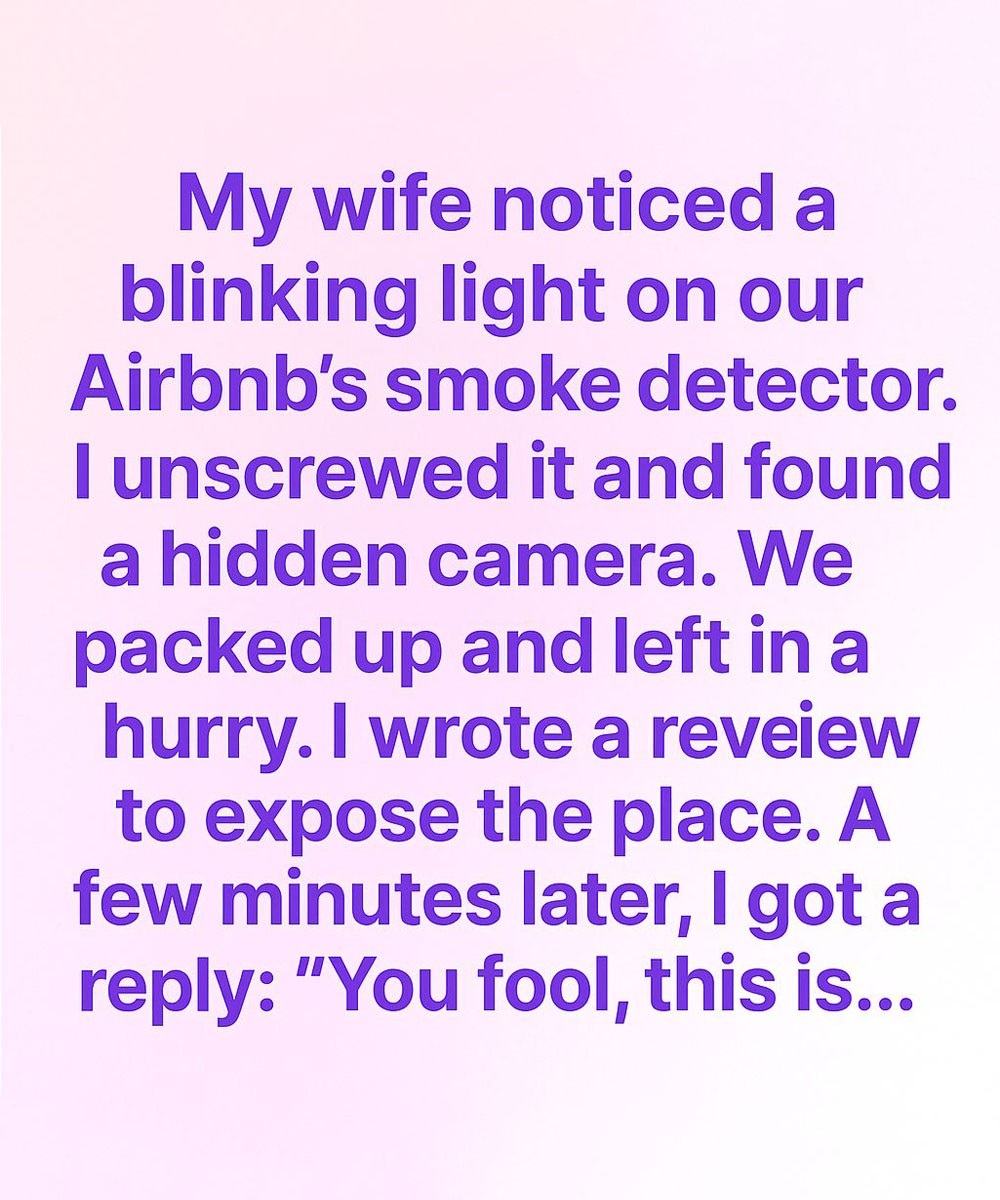
The narrative begins with a family’s stay at a well-reviewed Airbnb. Like millions of guests worldwide, they trusted the platform’s reputation and the host’s apparent reliability. However, their sense of safety unraveled when, late one evening, a blinking light drew attention to the smoke detector. Investigation revealed a concealed lens—an illicit hidden camera pointed into the bedroom. The family’s immediate response was one of alarm and urgency. They packed quickly, departed, and from a distant diner, the guest composed a warning review for fellow travelers. Moments later, a notification signaled that their concern had been registered with the platform.
Understanding Hidden Surveillance: A Growing Concern
Reports of hidden surveillance equipment in vacation rentals have been increasing, raising serious privacy and safety issues. Surveillance technology has become cheaper, smaller, and more accessible, enabling individuals—even those without technical expertise—to purchase and covertly install cameras. Common targets for hidden devices include smoke detectors, wall clocks, phone chargers, and decorative objects. This trend highlights the gap between perceived safety and actual risk in environments designed to feel like home.
According to a 2019 survey conducted by IoT Tech News, 11% of respondents reported discovering hidden cameras in their short-term rental properties. Investigative journalism by outlets such as BBC and The Guardian has documented multiple incidents, some involving international travelers. The proliferation of online tutorials and products marketed for “home security” has further blurred the line between legitimate use and invasive surveillance.
Privacy Laws and Rental Platforms: Where Do Guests Stand?
Local, national, and international privacy laws govern the use of surveillance equipment, typically requiring clear disclosure and prohibiting cameras in private areas like bedrooms and bathrooms. Airbnb’s policy states that hosts must disclose any surveillance devices present on the premises and strictly forbids hidden cameras in sleeping quarters or bathrooms. Failure to comply can result in listings being suspended and legal action taken against hosts.
Despite these regulations, enforcement remains challenging. Many platforms rely on self-reporting, and detection of hidden devices by guests is rare unless something draws attention. The legal consequences for hosts violating these rules can include civil penalties, criminal charges, and removal of their listings.
Technological Advances: Easier Surveillance, Higher Risk
Miniaturization and wireless connectivity have revolutionized surveillance technology. High-definition micro-cameras, equipped with night vision and remote access, can fit inside common household objects and stream footage directly to mobile devices. Even non-specialists can install these devices, raising the stakes for guests and hosts alike.
Experts from the Electronic Frontier Foundation (EFF) caution that as surveillance tech advances, public awareness and legal protections may lag behind. Consumer devices advertised for safety purposes can be misused, and platforms must work harder to detect abuse and educate both hosts and guests.
How Guests Can Protect Themselves
Travelers have several strategies for safeguarding their privacy in short-term rentals:
- Research Listings: Examine reviews for any mention of privacy violations or unexplained technology.
- Ask Hosts About Surveillance: Proactively request information on cameras and monitoring devices.
- Visual Inspection: Check smoke detectors, clocks, and charging devices for unusual modifications or lights.
- Use Technology: Employ RF detectors or scanner apps to identify active wireless devices.
- Report Findings: Inform rental platforms and law enforcement if suspicious or undisclosed surveillance devices are discovered.
Experts recommend staying vigilant even in trusted rentals, as appearances can be misleading. Some hosts may install devices without disclosure, through ignorance or intent, so guests must assume an active role in monitoring their environments.
Industry Response: Policies and Enforcement
Short-term rental companies increasingly face pressure to tighten their policies and ensure guest safety. Airbnb, for example, has updated its rules to mandate full disclosure of cameras and to suspend any listing found in violation. Vrbo and Booking.com follow suit, emphasizing privacy and explicit consent. In some cases, hosts found to breach privacy face permanent removal from platforms and are reported to authorities.
Platforms also rely on technology and user reports to address issues swiftly. Airbnb’s customer service protocol includes steps for immediate investigation, possible reimbursement, and relocation of affected guests. The industry continues to invest in detection technology and public awareness campaigns to combat evolving privacy challenges.
Legal and Social Implications
The societal implications of hidden surveillance extend beyond individual cases. Concerns about digital privacy reflect broader anxieties related to big data, algorithmic profiling, and increased surveillance in public and private spaces. The legal framework, as outlined in articles by Reuters and BBC, supports guest rights to privacy but also struggles to keep pace with rapidly evolving technology.
Law enforcement agencies may become involved when guests discover hidden devices, initiating investigations and possible prosecution. Advocacy groups call for stricter oversight and transparency in online travel platforms. The discussion extends internationally, with some countries enacting more severe penalties for privacy violations and others lagging behind.
Societal and Psychological Effects
The psychological repercussions of privacy invasions are significant. Experts from the Psychology Today note that discovery of hidden surveillance can cause anxiety, distrust, and loss of sense of safety. Victims may experience lasting discomfort or reluctance to use short-term rentals again. The public dialogue around these incidents has prompted renewed interest in digital privacy, mental health support, and consumer protection.
Global Reactions: Policy Changes and Advocacy
International reactions vary, with some governments implementing mandatory checks for surveillance devices in rentals. Tourism boards advise travelers to inspect their accommodations carefully, and consumer agencies provide guidance on detecting hidden electronics. Advocacy organizations such as Privacy.org call for uniform global standards to better protect guests and limit abuse.
Platforms have increased collaboration with law enforcement and adopted stricter listing vetting processes to deter illegal surveillance. Education campaigns aim to arm travelers with information and practical tools to safeguard their stays.
Moving Forward: Best Practices and Recommendations
To protect guest privacy and restore trust, industry experts recommend several best practices for platforms, hosts, and travelers:
- Platforms: Implement rigorous monitoring of listings, support rapid response teams, and maintain clear, public guidelines on surveillance.
- Hosts: Disclose all monitoring devices, adhere strictly to privacy laws, and cultivate transparency with guests.
- Guests: Remain vigilant, inspect their temporary environments, and prioritize reviews from trusted fellow travelers.
Guest empowerment, combined with stronger regulation and public awareness, represents the most robust defense against privacy violations. Travelers, hosts, and platforms each play a part in fostering safer and more respectful spaces.
Conclusion: The Balance Between Trust and Caution
The unsettling story of a family discovering a hidden camera in their vacation rental serves as a powerful reminder of the risks underlying modern convenience. As technology advances, so must the vigilance and responsibility of all parties involved. Trust, while valuable, must be paired with caution. The era of digital travel brings immense benefits, but safeguarding privacy remains paramount.

Sources
Disclaimer: This content is intended for entertainment purposes only and is not based on real events.