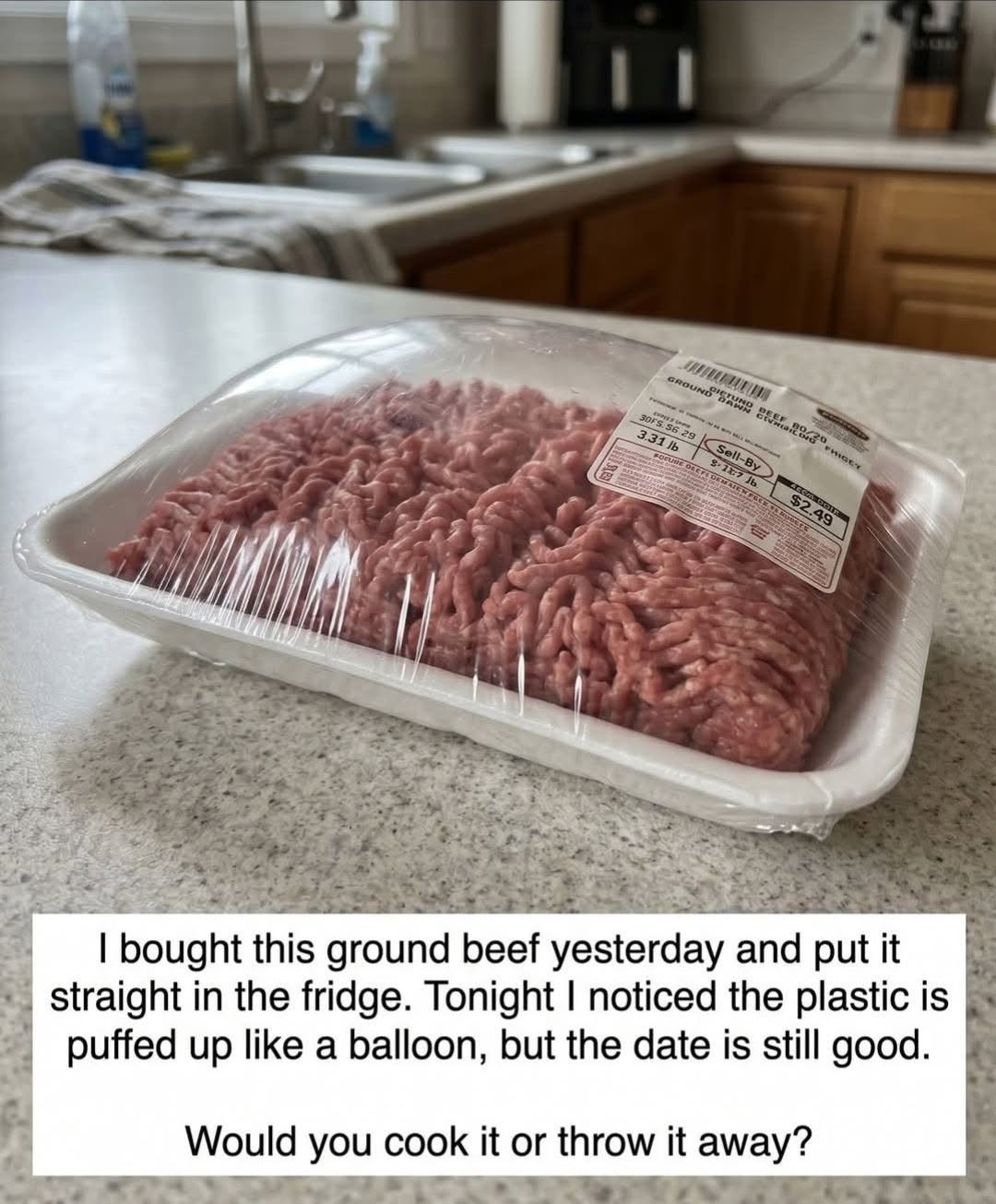
Bloated Food Packaging: What It Really Means
Understanding Swollen Packages: A Common Occurrence in Food Storage
If you have ever noticed a swollen package in your fridge or pantry, you may have wondered whether it signals something dangerous or just a harmless packaging quirk. Bloated food packaging can range from puffy plastic wrappings to bulging cans, and although it might appear inconspicuous, it carries potential implications for food safety that consumers should understand. Identifying the reasons behind the change and knowing how to respond can help protect your health, prevent waste, and boost consumer awareness.
Why Does Food Packaging Swell?
The swelling in food packaging is primarily caused by the accumulation of gases within the package. Depending on the food item and packaging design, this gas can originate from a variety of sources:
- Microbial Activity: Bacteria and other microorganisms inside the food can produce gases such as carbon dioxide, causing containers to expand.
- Chemical Reactions: Sometimes, chemical reactions between the food and its packaging material can generate gases.
- Modified Atmosphere Packaging: Manufacturers may intentionally introduce gases into packages to preserve freshness. This is common with items like chips, salad greens, and vacuum-sealed meats, where nitrogen is used to prevent spoilage and maintain product integrity.
While some packaging is designed to be puffy or contain air, unexpected swelling can signal underlying problems. It is essential for consumers to distinguish harmless packaging from situations that require immediate attention.
Microbial Spoilage and Gas Production
Food spoilage is one of the most important causes of bloating in food packaging. Certain bacteria, molds, and yeasts can multiply in food products, especially if storage conditions are inadequate or the seal is broken. These microorganisms metabolize nutrients in the food and release gases such as carbon dioxide and hydrogen into the container. As pressure builds, the packaging may swell, bulge, or even rupture.
The types of microorganisms most frequently involved in bloating include:
- Clostridium botulinum: This bacterium can grow in canned goods and produce dangerous toxins, alongside gas. Botulism is rare but extremely hazardous, sometimes leading to fatal outcomes if contaminated canned foods are consumed.
- Lactic acid bacteria: Commonly found in meat and dairy products, these bacteria may cause spoilage but usually do not produce harmful toxins.
- Yeasts: Refrigerated beverages and dairy can be affected by yeast growth, leading to bloating and off-flavors.
According to CDC and FDA guidelines, swollen cans, jars, and vacuum-sealed packages should never be consumed if they show signs of bacterial contamination, such as foul odors or leakage. Immediate disposal is recommended.
The Role of Packaging Technology
Modern packaging often includes design features that intentionally make products appear puffed. For example, chip bags are inflated with nitrogen to cushion the contents and prevent staleness. Salad mixes may be packaged with controlled atmospheres to prolong freshness and delay spoilage. In these cases, the swelling does not signal danger or spoilage, but instead reflects advances in food preservation.
However, even with these techniques, consumers should watch for unusual changes, such as smell, leaks, or discoloration. A package that is abnormally swollen, especially if combined with other signs of spoilage, suggests microbial activity or other concerns rather than intentional packaging innovation.
Risks Associated With Swollen Packaging
Consuming food from swollen, bulging, or leaky packaging can be hazardous. The principal risk stems from bacterial contamination and the possible presence of deadly toxins. Botulism, though rare, is among the most serious risks, and symptoms may include nausea, vomiting, paralysis, and, in extreme cases, death. Other foodborne illnesses caused by bacteria such as Salmonella, E. coli, or Listeria can also occur due to poor packaging or compromised product integrity.
Expert advice from food safety authorities recommends the following actions:
- Never consume food from bulging cans, jars, or vacuum packs.
- If a package is leaking, emitting bad odors, or has visible mold, discard it.
- Do not taste food to “check” if it is safe—a single taste may be enough to cause illness.
- Keep track of expiration dates and store products as recommended (refrigerated, frozen, etc).
The safety risks are not limited to canned or processed foods. Fresh foods such as meat, fish, and cheese can develop bloated packaging if spoilage occurs. It’s essential to inspect and handle all products with care.
Global Food Safety Standards and Consumer Protection
International organizations such as the World Health Organization (WHO), Centers for Disease Control and Prevention (CDC), and Food and Drug Administration (FDA) enforce standards for food packaging and storage. These agencies conduct research, publish guidelines, and require manufacturers to follow strict protocols. Manufacturers regularly test packaging for durability, leakage, and resistance to microbial contamination, and recalls are issued when contaminated products reach stores.
Consumer awareness is a vital part of preventing illness. Recent food safety campaigns stress the importance of checking packaging before purchase and during storage at home. If you encounter bloated packaging at a store, notify staff to remove the product and prevent others from buying it.
Globally, incidents of foodborne illness linked to poor packaging and spoilage still occur, but technological advances are reducing risks. The use of antimicrobial materials, better sealants, and improved processing techniques has made packaged foods safer than ever before. Nonetheless, vigilance is necessary to identify and respond to potential hazards.
Expert Views: Food Scientists and Health Professionals
Food scientists emphasize the role of microbial growth as the primary cause of bloated packaging. According to Dr. Susan May, a food safety specialist cited in recent Mayo Clinic reports, “Packaging swelling is a visible sign that internal conditions have changed, often with the growth of bacteria. Consumers should treat these signs seriously, as they can indicate dangerous levels of contamination.”
Dr. Michael Bernstein from the CDC adds, “While not all bloated packages are necessarily hazardous—some are designed that way—unexpected swelling accompanied by other spoilage symptoms is a clear warning. Always err on the side of caution when food safety is involved.”
Food safety training and education for both consumers and retail staff are recommended to spot potential hazards and prevent accidental exposure to spoiled products.
International Responses: Recalls and Policies
Food recalls due to swollen packaging are handled promptly by manufacturers and regulatory authorities. In the past decade, cases of botulism and other foodborne illnesses have triggered large-scale recalls in the US, Europe, and Asia. Regulatory agencies issue alerts, encourage consumers to check their pantries and refrigerators, and provide instructions for safe disposal.
Countries with strong food safety infrastructures have reduced the frequency and severity of these incidents. However, regions with limited oversight or insufficient resources may continue to struggle with packaging-related spoilage. Awareness campaigns and policy improvements are being implemented globally to address these challenges.
How to Safely Handle Bloated Food Packages
When encountering swollen or bulging packages, follow these steps:
- Do Not Open: Avoid handling or opening the package to prevent exposure to toxins.
- Isolate: Place the package in a sealed bag and keep it away from other foods.
- Dispose: Throw away the package following local waste disposal protocols.
- Report: If purchased recently, contact the store or manufacturer so they can investigate and prevent further distribution.
- Clean: Wash your hands thoroughly and disinfect surfaces that may have come into contact with the spoiled package.
- Monitor Symptoms: If you suspect accidental exposure or consumption, seek medical attention and monitor for symptoms such as nausea, vomiting, or weakness.
Signs That Packaging Swelling Is Harmless
Some products are packaged using methods that naturally result in puffiness:
- Chips or snacks with nitrogen to preserve crispness.
- Pre-washed salad mixes using modified atmosphere packaging.
- Vacuum-sealed meats that show slight swelling due to temperature changes.
In these cases, the packaging will be clearly labeled, and there should be no accompanying signs of spoilage. If you are unsure, check for freshness, expiration, and manufacturer guidance. Most legitimate swelling is explained on the packaging or through product information from reputable brands.
Consumer Tips for Food Safety
To maintain optimal food safety in your home, practice these habits:
- Inspect all groceries at purchase for damage or abnormal swelling.
- Store food at recommended temperatures and use products before expiration.
- Stay informed about recalls and food safety alerts in your region.
- Educate yourself and family members about safe handling of food products.
- Follow guidance from official food safety agencies.
Conclusion
Bloated food packaging is a silent signal that should not be ignored. While some forms of swelling are harmless and even intentional, unexplained bloating can be a red flag for microbial contamination and foodborne illness. Understanding the science behind food packaging, knowing the difference between safe and unsafe swelling, and following recommended safety practices can help keep you and your loved ones safe. Stay alert, practice vigilance, and consult official sources for the latest food safety information.
Sources
- Centers for Disease Control and Prevention
- World Health Organization
- U.S. Food and Drug Administration
- Mayo Clinic
- BBC News Health
- Reuters Health
- The Guardian Food
Disclaimer: This content is intended for entertainment purposes only and is not based on real events.