A Comprehensive Guide to Head Lice: Prevention, Detection, and Effective Treatment

Head lice infestations are a persistent concern for families, especially those with school-aged children. Many parents, teachers, and healthcare providers have experienced the frustration and time-consuming effort required to effectively address lice outbreaks. As schools reopen following summer holidays when children have had ample contact with others, the risk of lice transmission rises significantly, making this a seasonally recurring issue for communities worldwide.
Understanding the Prevalence and Spread of Head Lice
Head lice (Pediculus humanus capitis) are tiny parasitic insects that inhabit the scalp, where they feed on small amounts of blood. While they are not dangerous and do not transmit disease, lice cause itching and discomfort and can spread rapidly through close personal contact, particularly among children. Estimates from health authorities like the Centers for Disease Control and Prevention (CDC) suggest that millions of cases occur each year globally. Parents may notice the initial signs of infestation when children frequently scratch their heads, but by then the lice may have already spread through the family or classroom.
The cycle often begins with one or two children exhibiting an itchy scalp. Without prompt detection and intervention, lice can spread to siblings, parents, teachers, and classmates. Lice outbreaks often coincide with school terms, especially after periods (like summer) when families travel or children spend more time socializing. This is because lice rely on head-to-head contact to move between hosts. Contrary to popular belief, lice cannot jump or fly; they move by crawling, and transmission primarily occurs when people’s hair comes into direct contact.

Debunking Myths: How Lice Are and Aren’t Spread
Many misconceptions persist about how lice are transmitted. While it is commonly believed that sharing brushes, hats, or bedding can easily spread lice, scientific evidence shows the risk from these indirect contacts is very low. According to the Swedish Care Guide, lice quickly become weakened when they are no longer on the scalp and are unlikely to survive long enough on hats or hairbrushes to pose a significant threat. Therefore, it is head-to-head contact, not shared objects, that accounts for most cases.
This understanding is crucial for families aiming to prevent stigma or unnecessary cleaning rituals that do little to stop the spread of lice. Instead, focusing on monitoring and early intervention remains the most effective approach to prevent outbreaks at home and in schools.
Recognizing Head Lice: Symptoms and Early Detection
Early detection of head lice is the key to stopping infestations from becoming unmanageable. One of the first signs is persistent scalp itching. However, not everyone experiences itching, and the sensation often begins 4 to 6 weeks after the initial infestation, once the body becomes sensitized to the bites.
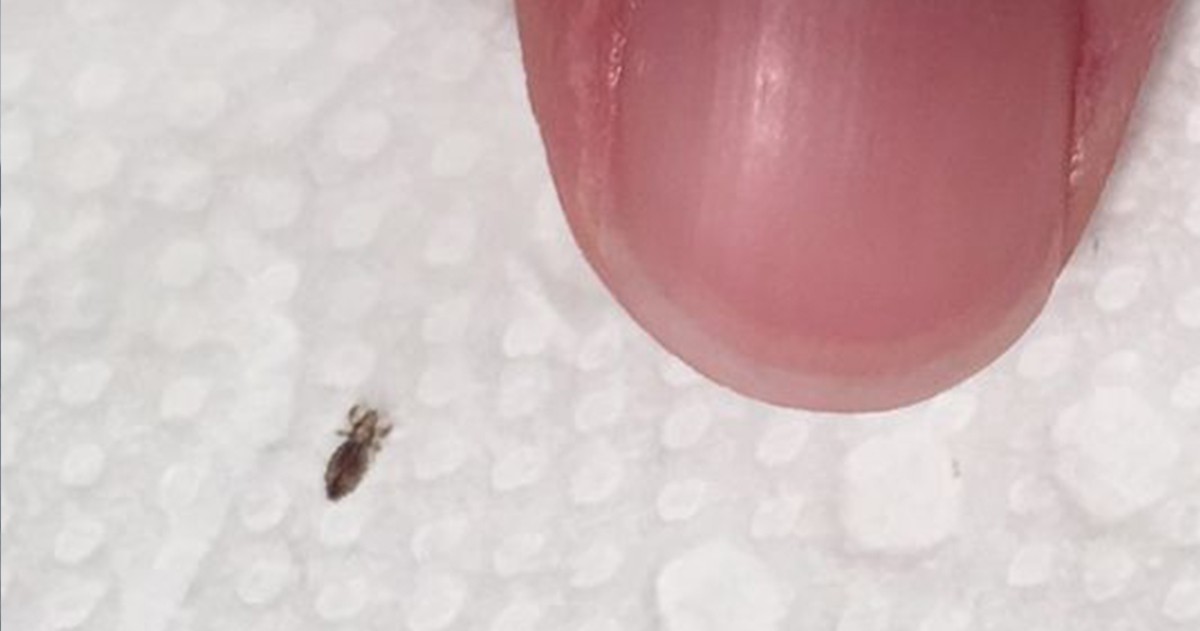
To check for lice, conduct regular examinations of your child’s scalp, particularly behind the ears and at the nape of the neck, where lice are most likely to be found. Mature lice measure about 1–3 millimeters and may appear gray, brown, black, or red depending on when they last fed. They are elongated and move quickly away from light, making them difficult to spot with the naked eye.
The most reliable method to detect lice is using a fine-tooth lice comb on wet hair. Comb the hair in small sections from back to front over a basin or white cloth; adult lice and nymphs will fall off and become visible. Systematic combing can reveal live lice much more effectively than visual inspection alone.
Identifying Lice Eggs (Nits)
Lice eggs, known as nits, are sometimes easier to find than live lice. Nits are oval, about one millimeter in length, and are attached to hair shafts near the scalp with a strong glue-like substance. Unhatched eggs tend to be dark in color, while empty egg cases left after hatching appear whitish or pale yellow.
According to experts at the Care Guide, it is important not to start treatment based solely on the presence of empty nits. Treatment should be initiated only if live lice are present, as empty eggshells are inert and will either grow out with hair or can be removed mechanically during combing. This helps ensure that treatment is targeted and unnecessary chemical exposure is avoided.
Lice Treatment Options: Conventional and Alternative Approaches
Treating head lice requires patience and a systematic approach. Over-the-counter lice shampoos containing insecticides such as permethrin or pyrethrin are often recommended, but these do not guarantee success in a single application. Most such products require two treatments spaced about a week apart to destroy newly hatched lice, and resistance to some ingredients has been reported in various regions.
Regardless of chemical treatment, thorough combing with a fine-tooth lice comb is crucial to physically remove lice and nits from the hair. This labor-intensive process is typically repeated every few days for two weeks to ensure complete eradication of the infestation and prevent cycles of reinfection.
Alternative Chemical-Free Treatment Options
For families seeking methods free of pesticides or strong chemicals, there are alternative home remedies endorsed by anecdotal evidence and some practitioners. One such method popularized online involves the use of mouthwash and white vinegar:
What You’ll Need:
- A lice comb
- Mouthwash with a strong odor
- White vinegar
- Shower cap or plastic bag
- Towel for protecting clothing and eyes
Step-by-Step Technique:
- Mouthwash Wetting: Thoroughly soak the hair and scalp with mouthwash. The strong scent is said to help repel lice. Cover the head with a plastic shower cap or bag and allow it to sit for about an hour.
- White Vinegar Rinse: After rinsing out the mouthwash, apply generous amounts of white vinegar, which is believed to help loosen the glue holding nits to the hair shafts. Again, cover and let stand for one hour.
- Shampooing and Combing: Wash the hair with normal shampoo, then use a lice comb to remove any remaining lice and nits. Sectioning the hair and using the fine-toothed comb thoroughly is key for success.
- Daily Prevention: As a preventive measure, some advocate lightly misting children’s hair with mouthwash before school. While evidence supporting this practice is mostly anecdotal, it may provide additional reassurance alongside routine checks.
Expert Opinions and Medical Recommendations
The validity of home remedies such as mouthwash and vinegar remains debated in the medical community. The CDC and similar organizations emphasize that the most effective, evidence-based treatment consists of proper application of approved lice shampoos combined with manual removal using a lice comb. Not all alternative methods have undergone rigorous scientific testing, and their efficacy may vary from case to case.
Nevertheless, the growing concern about resistance to traditional insecticides and parental desire to limit children’s exposure to chemicals have led to increased interest in non-toxic, mechanical, or physically acting products. Essential oils, silicone-based lotions (such as dimethicone), and other physical suffocants have also entered the market, with varying degrees of scientific support. When in doubt, families are encouraged to consult a healthcare provider or pharmacist familiar with current best practices and local resistance patterns to ensure safe, effective treatment.
Preventing Lice: Strategies for Families and Schools
Prevention is always preferable to treatment, especially considering the inconvenience and discomfort that lice cause. While it is impossible to completely guarantee that a child will never get lice, several evidence-based strategies can reduce the risk:
- Educate children to avoid head-to-head contact during play or sports
- Discourage the sharing of personal items like combs, brushes, hats, and hair accessories (even if the risk is low)
- Regularly screen children’s hair at home, particularly after school holidays or known outbreaks
- Maintain open communication between parents, school staff, and healthcare providers to report, monitor, and manage outbreaks discreetly
- For long-haired children, keeping hair tied back in braids or ponytails may reduce the likelihood of hair-to-hair contact
Remember, lice affect families from all walks of life and do not reflect personal hygiene or cleanliness. Reducing stigma and responding with factual information encourages cooperation and more effective management within communities.
Global Perspectives and Societal Response
Head lice are a worldwide issue, affecting people of all socioeconomic backgrounds and nationalities. Recognizing this universality, organizations such as the World Health Organization (WHO) and the CDC have developed clear, science-based guidelines for both treatment and prevention. Many countries have also developed educational materials for teachers, health workers, and parents to dispel myths and foster timely, coordinated interventions during outbreaks.
International studies continue to explore new treatment technologies, social factors influencing the spread of lice, and psychological impacts on affected families. By remaining informed and proactive, communities can better support each other in addressing this common, but manageable, health concern.
Conclusion
Dealing with head lice can be a frustrating and time-consuming challenge for parents, children, and schools. However, understanding the biology of lice, effective detection and treatment methods, and strategies for prevention can dramatically reduce the burden. Whether using conventional treatments or alternative approaches, consistency, vigilance, and community cooperation are key to eradicating lice and preventing future outbreaks. Providing science-based information, supporting families, and reducing stigma are essential steps in promoting the health and well-being of all children.
Sources
- Centers for Disease Control and Prevention – Head Lice Information
- NHS – Head Lice and Nits
- Mayo Clinic – Head Lice: Diagnosis & Treatment
- 1177 Vårdguiden – Swedish Healthcare Information
- World Health Organization – Head Lice Fact Sheet
- The Guardian – How to Get Rid of Head Lice: An Expert Guide
Disclaimer: This content is intended for entertainment purposes only and is not based on real events.