A Heartbroken Mother’s Warning: The Lethal Danger of Antique Cedar Chests After Twin Daughters’ Tragic Deaths
The unthinkable loss of twin daughters in 2023 has driven a grieving mother, Sadie Myers, to share a vital warning for families everywhere: everyday household items like antique cedar chests can present deadly risks to children. In a story highlighting grief, remembrance, and prevention, Myers’ message resonates with parents, caregivers, and safety advocates globally.
The Tragic Incident: When Safety at Home Is Not What It Seems
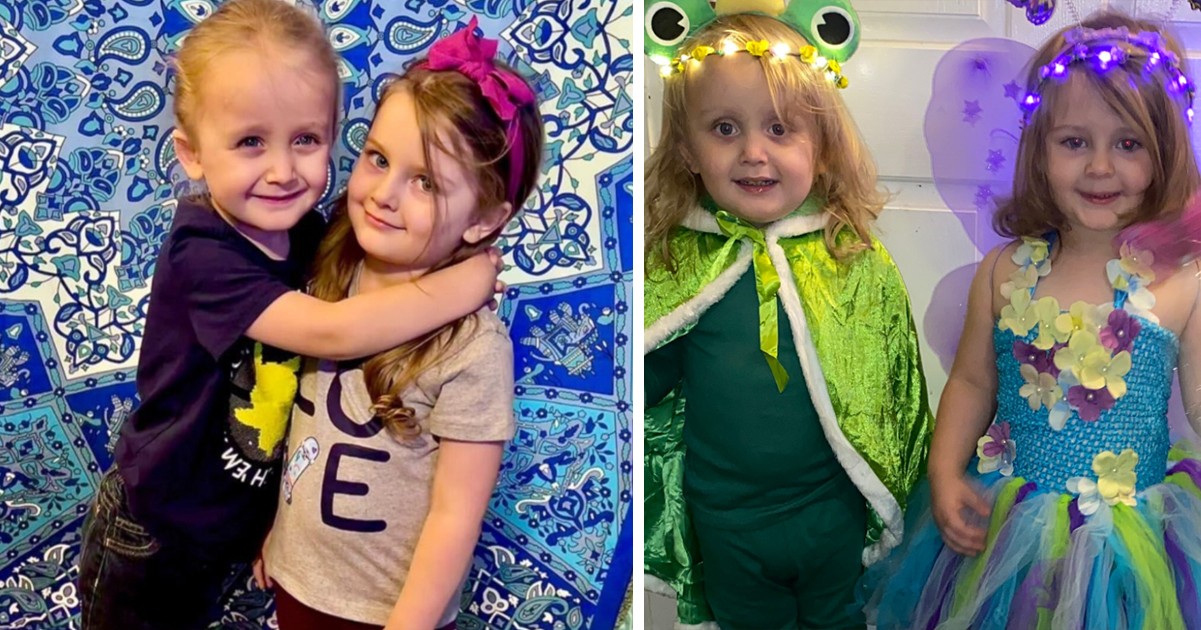
In 2023, Sadie Myers and her husband, Don Starr, purchased a large antique cedar chest to store their children’s toys and stuffed animals. What seemed like a practical and innocuous decision turned into a heartbreaking tragedy when their twin six-year-old daughters, Kellan and Aurora, unintentionally suffocated inside the closed chest. Myers recounted the events in a social media post that has since gripped the hearts of thousands, hoping to raise awareness and prevent similar tragedies from occurring in other families.
On the evening of the incident, Myers was at work while Don put the children to bed. She checked on them, then retired for the night. At some point, Kellan and Aurora woke up, got out of bed, and—perhaps in the innocent spirit of play—crawled into the cedar chest, snuggling up together among the stuffed animals. As Myers wrote, “Friday night the weird place they decided to snuggle up and go back to sleep was in their cedar toy chest that we use to store all their stuffed animals… They pulled out all but a couple stuffed animals, I guess they left some to keep it comfy in there, then they laid inside head to toe with one arm each over their twin and I’m assuming said ‘good night kell kell’ and ‘night night sissy’…”
At some point during the night, the lid of the cedar chest closed. With the chest’s construction rendering it virtually airtight and soundproof, Kellan and Aurora slowly ran out of oxygen. Myers shared, “There was no sudden gasp for air—it was a very slow transition from sleep to passing on.” The next morning, their siblings found them unresponsive, leading to the devastating discovery by their family. The loss, while deeply personal, carries a universal lesson about the hidden hazards of everyday objects in the home.
The Hidden Danger of Antique Cedar Chests
While storage chests and toy boxes are a common sight in many homes, parents may not be aware that antique and older models often lack modern safety mechanisms. The tragic death of Kellan and Aurora exposes the inherent risks of such household items, many of which are airtight when closed—making them potential suffocation hazards for children.
Experts from home safety organizations and consumer product regulatory bodies say that older cedar chests, built by furniture brands in the mid-twentieth century, often have heavy, airtight lids and latching mechanisms that were never designed with child safety in mind. Unlike modern toy boxes, which typically feature ventilation holes and safety hinges to prevent entrapment and suffocation, antique chests may seal completely when shut. This construction means that a child hiding or sleeping inside could quickly run out of breathable air, with no ability to call for help or escape.
Safety experts recommend that all families, especially those with young children, inspect storage chests and toy boxes in their homes. If an item is found to be airtight or lacking safety features, it should either be modified with vents and safe hinges or removed entirely from child-accessible spaces. The U.S. Consumer Product Safety Commission has previously issued recalls and public safety warnings about cedar chests, following reports of fatalities and near-misses in various parts of the country.
A Mother’s Plea: Spreading Awareness and Preventing More Tragedies
Sadie Myers’ testimony on social media underscores the devastating impact of losing a child—and the urgent need for community education about preventable hazards. In her words, “I hope knowing this helps in some way, and I hope if you have a toy box like this that you destroy it immediately!!!” The aftermath of the incident was further described by Myers: The following morning, one of her children called out, “Mommy I found them! They are so silly just sleeping in the toy box.” The family’s confusion quickly turned to heartbreak when they realized something was terribly wrong.
Don Starr, Myers’ husband and the children’s father, also took to Facebook after the initial grief, writing, “I guess I was waiting to make sure this isn’t an extremely long, specifically horrific nightmare. But since it’s just getting harder everyday and it seems pretty public now anyhow, here goes: My beautiful family was stricken by tragedy—the loss of our beautiful perfect twins… Please send all of the love, strength and good energy you can muster up to Sadie, my beautiful big boys and me — and of course the rest of the family, who have been a rock for us and are more loved and appreciated than I can express.”
The family’s openness in the wake of tragedy reflects a powerful call for greater vigilance, fostering a community-wide conversation on home safety and child protection.

Expert and Agency Responses: Preventing Suffocation Hazards in the Home
Following incidents like that affecting the Myers family, numerous health and safety organizations have sought to educate the public about older chests and the importance of home safety checks. The U.S. Consumer Product Safety Commission (CPSC) urges families to immediately disable locks on any chest or trunk and, if feasible, to retrofit or permanently remove chests that are not up to current safety standards. According to the CPSC:
- Chests should never lock automatically.
- Vents should be installed to prevent airtight seals.
- Hefty, heavy lids should have slow-close mechanisms to prevent sudden closure.
Major chest and furniture manufacturers have also responded to past tragedies by offering free safety kits to retrofit hazardous models. Organizations such as Safe Kids Worldwide and the American Academy of Pediatrics emphasize awareness and education, providing guidelines for identifying problematic storage chests and suggesting safe alternatives for toy and blanket storage.
Historical Context: The Design Evolution of Cedar Chests and Toy Boxes
Historically, cedar chests were prized for their ability to safely store valuables, clothing, blankets, and keepsakes. Their airtight design—intended to preserve the freshness of contents and deter pests like moths—unintentionally introduced suffocation hazards. Safety standards for furniture have evolved significantly since the mid-20th century; today’s toy chests must meet strict federal guidelines, including ventilation and safety hinges as standard features.
However, millions of older cedar chests, sometimes passed down through generations or acquired at yard sales and thrift stores, are still present in homes worldwide. This fact means that awareness campaigns and home safety audits remain critically important for families, especially those with young children who may view these items as places to play or hide.
Societal Impact and the Global Call for Action
The story of Kellan and Aurora has resonated internationally, fueling calls for better public awareness and regulatory measures to prevent future tragedies involving storage chests. Parents’ groups, child safety advocates, and international news outlets have amplified the Myers’ plea, with many sharing similar stories and urging families to proactively scan their homes for hidden dangers. Safety campaigns in the United States, United Kingdom, Canada, and Australia, among others, are prompting consumers to prioritize updated, safe furniture and to take action if an at-risk item is found.
Major media coverage has also increased pressure on manufacturers and retailers to clearly label storage chests and to phase out or modify dangerous designs. In addition, the regulatory environment has shifted in recent years, with stricter standards for children’s furniture now common across many countries.
Supporting Grieving Families and Building Safer Communities
When a tragedy such as this occurs, communities are often galvanized to support bereaved families and rally behind child safety initiatives. Mental health professionals and grief counselors note that open communication—such as Myers and Starr’s willingness to share their experience—can help families process grief and find purpose in the aftermath of loss. Several non-profit organizations focused on child health and injury prevention are working to distribute resources, offer counseling, and provide guidance for families concerned about home hazards.
This case also points to a broader conversation on the importance of regular safety audits in the home. Experts recommend periodic checks of all storage devices, fire safety equipment, and furniture, especially when young children are present. The expansion of public safety education—both in schools and online—continues to grow, helping parents stay informed and vigilant regarding evolving safety standards and best practices.
What Parents and Caregivers Can Do Now
Empowered by the lessons of this tragedy and the guidance of safety authorities, there are concrete steps every household can take to safeguard children from suffocation hazards:
- Evaluate all storage chests, trunks, and toy boxes for airtight construction and automatic locking mechanisms.
- Modify or remove unsafe chests. Retrofit with safety hinges and ventilation wherever possible.
- Educate children about safe places to play, and maintain regular check-ins with all storage items.
- Purchase new storage solutions that comply with federal and industry safety standards.
Additionally, families are encouraged to connect with local and online safety organizations for the latest updates and recall information. Spreading awareness among friends, extended family members, and community groups can further reduce the risk of similar tragedies.
The heartbreaking loss of Kellan and Aurora serves as a somber but powerful call to action. With increased vigilance and community education, future tragedies of this kind can be averted, and children everywhere can be kept safer in their homes.
Sources
- U.S. Consumer Product Safety Commission (CPSC)
- The New York Times
- BBC News
- Safe Kids Worldwide
- American Academy of Pediatrics
Disclaimer: This content is intended for entertainment purposes only and is not based on real events.