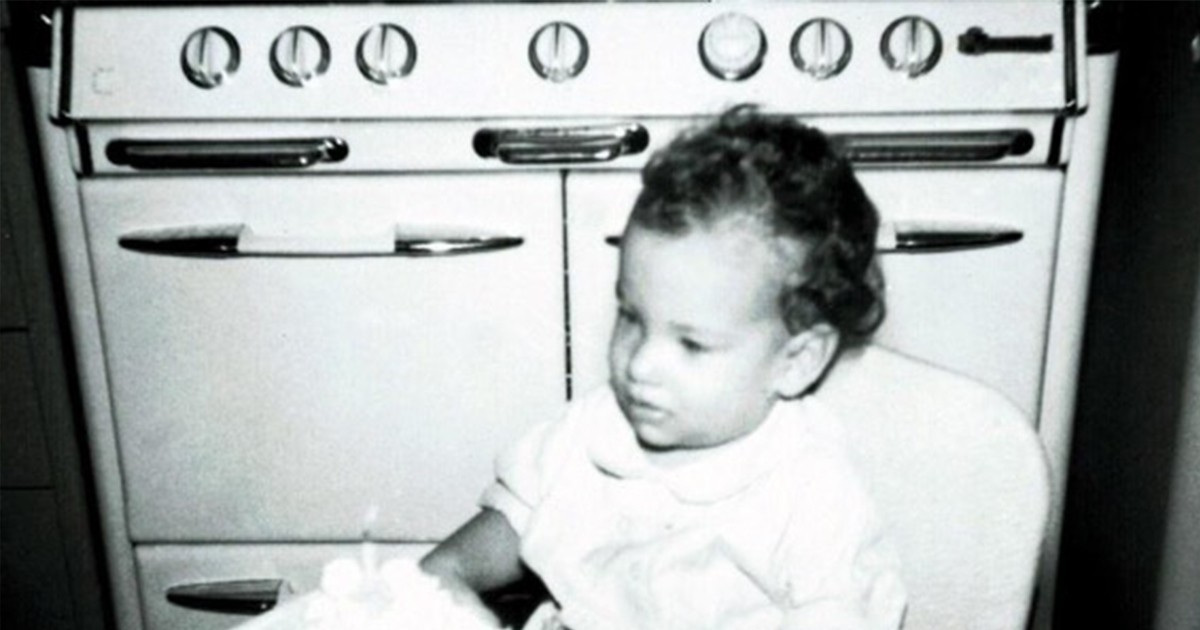
Inside Tom Hanks’ Unusual Childhood and How It Shaped Hollywood’s Beloved Actor
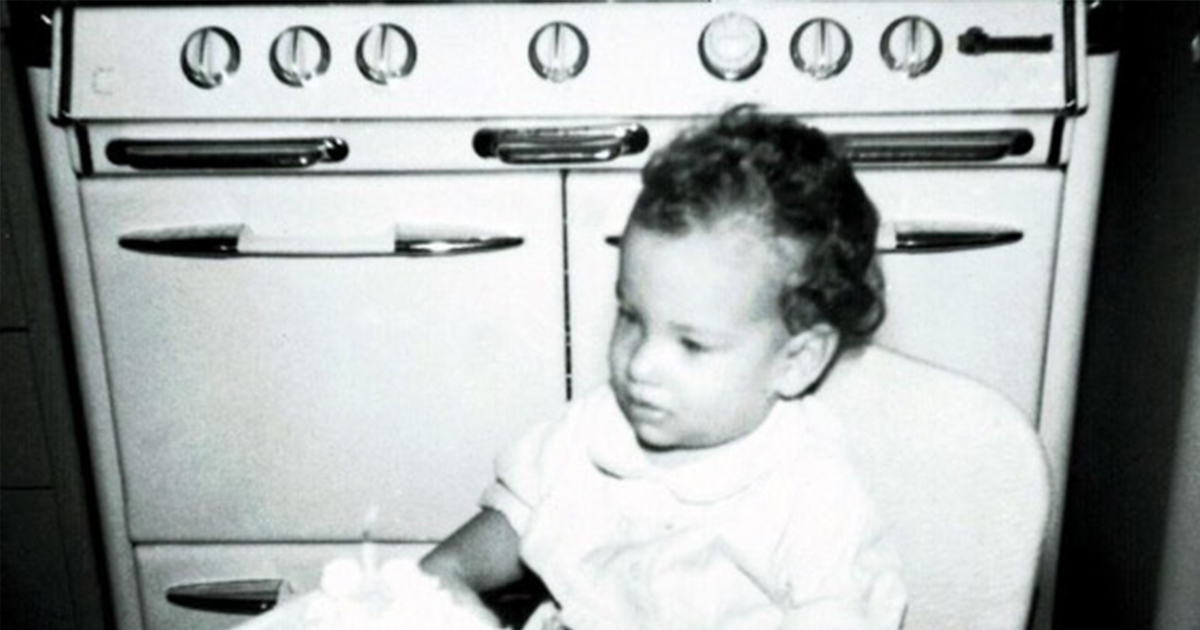
Before Tom Hanks became synonymous with iconic roles and memorable quotes like “life is like a box of chocolates,” his formative years were marked by instability and isolation. The esteemed actor, who went on to become an Academy Award winner and a beloved figure in popular culture, experienced a childhood far removed from Hollywood glamour. His story of resilience, perseverance, and self-discovery reflects not only the complexity of his personal life but also the determination behind his success.
The Early Years: A Nomadic and Fragmented Upbringing
Born in 1956 in Concord, California, Tom Hanks was the third of four children to Janet Marylyn, a hospital worker, and Amos Mefford Hanks, a cook. His early childhood was disrupted when his parents divorced after 11 years of marriage. At just five years old, Hanks, along with his older siblings Sandra and Larry, moved in with their father, while his youngest brother Jim remained with their mother. Amos’s search for work and repeated remarriages led to frequent relocations, resulting in Hanks living in ten different homes before he turned ten.
These constant upheavals gave Hanks a unique perspective on adaptability. “I moved about a million times. I think we moved every six months of my life,” he once explained. Although his father remarried twice and his mother three times, Hanks regards these experiences as instrumental in his later ability to navigate the unpredictable world of show business. He credits his transient childhood for making him “flexible” and building the confidence to adjust to new social situations.
Loneliness and Responsibility
Hanks often described feeling lonely as a child. With both parents occupied by work and new families, he and his siblings had to fend for themselves. “I kind of fell through the cracks, I was not abused… and didn’t really have adults per se that were taking care of me,” Hanks recalled in a podcast interview with Graham Bensinger in 2020. Simple everyday routines, such as maintaining dental hygiene or meal preparation, were learned by necessity rather than parental guidance. He even joked that he learned to brush his teeth at school, and dinner frequently consisted of canned foods like tomato soup—meals the children prepared themselves, sometimes with less than appetizing results.
Early Interest in the Arts and the Road to Acting
Despite the lack of traditional family structure, Hanks’ early life was also marked by curiosity and exploration. As a shy and introverted student, he often went unnoticed by teachers and classmates. In an interview with Rolling Stone, he described himself as “a geek, a spaz” who was “horribly, painfully, terribly shy.” Nevertheless, he enjoyed making people laugh and would shout out humorous captions during classroom filmstrips—harmless antics that helped him break through his shyness.
Hanks gravitated toward extracurricular activities, including track, soccer, and a church youth group, as a way to find belonging. But it was a fateful day watching a high school play—where he saw a friend perform as Dracula—that sparked his interest in theater. “Up until then, I’d had no clue that acting was ever an option,” he later reflected. From that moment, he pursued drama classes and eagerly auditioned for school productions, finding joy and purpose on the stage.
His passion for the arts continued in college, where he studied theater with remarkable discipline. Unlike the typical college experience, Hanks claims he rarely partied or drank, adhered to early bedtimes, and focused on honing his craft.
From Struggling Actor to Hollywood Icon
Tom Hanks’ entry into professional acting began with modest beginnings. His first film role was in the 1980 slasher, He Knows You’re Alone. This was followed by the TV film Mazes and Monsters and a starring role in the television comedy Bosom Buddies, which aired from 1980 to 1982. Despite their initial obscurity, these roles provided valuable experience and exposure.
Hanks’ big break arrived when he appeared as a guest on Happy Days, where he met screenwriters Lowell Ganz and Babaloo Mandel, who cast him in the 1984 romantic comedy Splash. Starring alongside Daryl Hannah, Hanks charmed audiences as the luckless yet loveable Allen Bauer—a performance that set the trajectory for his rise to stardom.
By 1988, his starring role in Big propelled him to leading-man status and earned him an Academy Award nomination. He solidified his reputation with back-to-back Oscar wins for Philadelphia (1993)—in which he portrayed a lawyer battling HIV/AIDS and discrimination—and Forrest Gump (1994), which became an enduring touchstone of American pop culture.
Yet, long before he voiced the animated cowboy Woody in Toy Story or anchored epic dramas like Saving Private Ryan, Hanks persisted through periods of self-doubt and professional rejection. His early struggles, he says, provided invaluable life lessons and fueled his empathy—qualities often attributed to his memorable performances and his reputation as Hollywood’s “nice guy.”
Navigating Fame with Humility and Kindness
Despite his meteoric career, Tom Hanks has remained remarkably grounded. Industry colleagues, fans, and journalists alike have praised him for his humility, professionalism, and generosity. While he acknowledges moments of imperfection—including a widely publicized incident where he confronted aggressive fans who accidentally jostled his wife, Rita Wilson—he is lauded for his integrity, sense of justice, and readiness to protect those he loves.
His devotion to family is unwavering. Hanks married actress Rita Wilson in 1988, with whom he shares two sons, Chet and Truman. He was previously married to actress Samantha Lewes, with whom he had a daughter, Elizabeth, and a son, Colin, who has established his own successful acting career.
Today, Hanks relishes his role as a grandfather to three grandchildren. He often recounts how his experiences as a child influence his approach to grandparenting, striving to be present and nurturing in ways that were absent in his own upbringing.
“All you gotta do is love those little brats, and they’re better than TV,” Hanks mused in a 2023 interview, before quickly clarifying, “They’re not little brats; they’re extraordinary young women.” His lighthearted approach underscores both affection and pride for his family.
Reflections on Food, Family, and Childhood Memories
Food, often a symbol of comfort or family togetherness, holds mixed memories for Hanks. The simple act of preparing and eating tomato soup as a child, sometimes distracted by TV serials like Leave It to Beaver, left him with a lifelong aversion to the dish. In interviews, he jokes about the “archaeological dig” required to scrape burnt soup from the kitchen stove. To make up for these childhood culinary mishaps, Hanks now takes pride in preparing meals his grandchildren enjoy, like “perfect” macaroni and cheese—ensuring they never have to experience the monotony of canned soup.
Looking back, Hanks expresses both gratitude and acceptance for his early struggles. “In some ways it was very cool, because we laughed a lot,” he recalled, reflecting on the small moments of joy amid adversity. He credits his wife, Rita Wilson, as a source of unwavering support and the antidote to any lingering loneliness: “Oh, she gets it… I don’t think that I’ll ever be lonely anymore.”
Legacy and Continued Influence
Today, Tom Hanks occupies a rare position in the entertainment industry: acclaimed by peers, beloved by audiences, and admired for his persistence and integrity. His journey from a lonely child to a cherished Hollywood figure is a testament to resilience in the face of uncertainty. The adaptability and responsibility learned from his fragmented upbringing have not only shaped his artistic endeavors but also his sense of compassion and responsibility toward others.
As Hanks continues to act, direct, and produce, he inspires new generations with his story. He demonstrates that adversity, while challenging, can serve as a powerful catalyst for growth. By sharing both his struggles and triumphs, Hanks provides a reassuring example that a difficult start in life need not define the future.
Continued Reading
- Tom Hank’s silent condition and how he’s coping with it
- The surprising reason Tom Hanks turned down lead role in ‘When Harry Met Sally’
Sources
- BBC – Tom Hanks: A Life in Acting
- Reuters – Tom Hanks Recalls His Unusual Childhood
- The Guardian – Tom Hanks: Articles and Features
- Rolling Stone – Tom Hanks Interview
- Newsner – Tom Hanks Admits He Can Be Rude on Set Sometimes Despite Nice Guy Reputation
Disclaimer: This content is intended for entertainment purposes only and is not based on real events.