Small Texas Police Department Ordered to Shut Down After Failing to Meet State Standards
In a significant development for local governance and law enforcement oversight, the Trinidad Police Department, a small agency in Texas, has been formally ordered to discontinue its operations. This decision follows a determination by the Texas Commission on Law Enforcement (TCOLE) that the department failed to adhere to the minimum professional standards required for police agencies operating in the state. The policing responsibilities for the Trinidad community will now be assumed by the Henderson County Sheriff’s Office, marking a substantial shift in local law enforcement and community relations.
Understanding the Decision: Background and Regulatory Findings
The decision to disband the Trinidad Police Department was formally communicated to Mayor Dennis Haws of Trinidad in a letter dated September 9, as reported by multiple credible news outlets. The TCOLE’s assessment, based on comprehensive reviews and audits, stated that the department had not only failed to meet fundamental legal and operational benchmarks, but also could not provide adequate evidence that it was delivering a demonstrable public benefit to the community it was meant to serve.
According to reports from KETK and supported by TCOLE documentation, the agency identified 18 critical policy areas where the Trinidad Police Department was noncompliant. These areas relate to essential practices such as officer training and certification, use-of-force protocols, record-keeping, accountability structures, community engagement, and oversight measures. These standards are not merely paperwork; they are vital in ensuring both the effectiveness and the trustworthiness of any law enforcement agency.
Firestorm of Controversy: Recent Incidents Leading Up to the Shutdown
The decision did not arise in a vacuum. In the months preceding the official order, the Trinidad Police Department became entangled in several high-profile incidents that raised questions about its practices and relationship with the community.
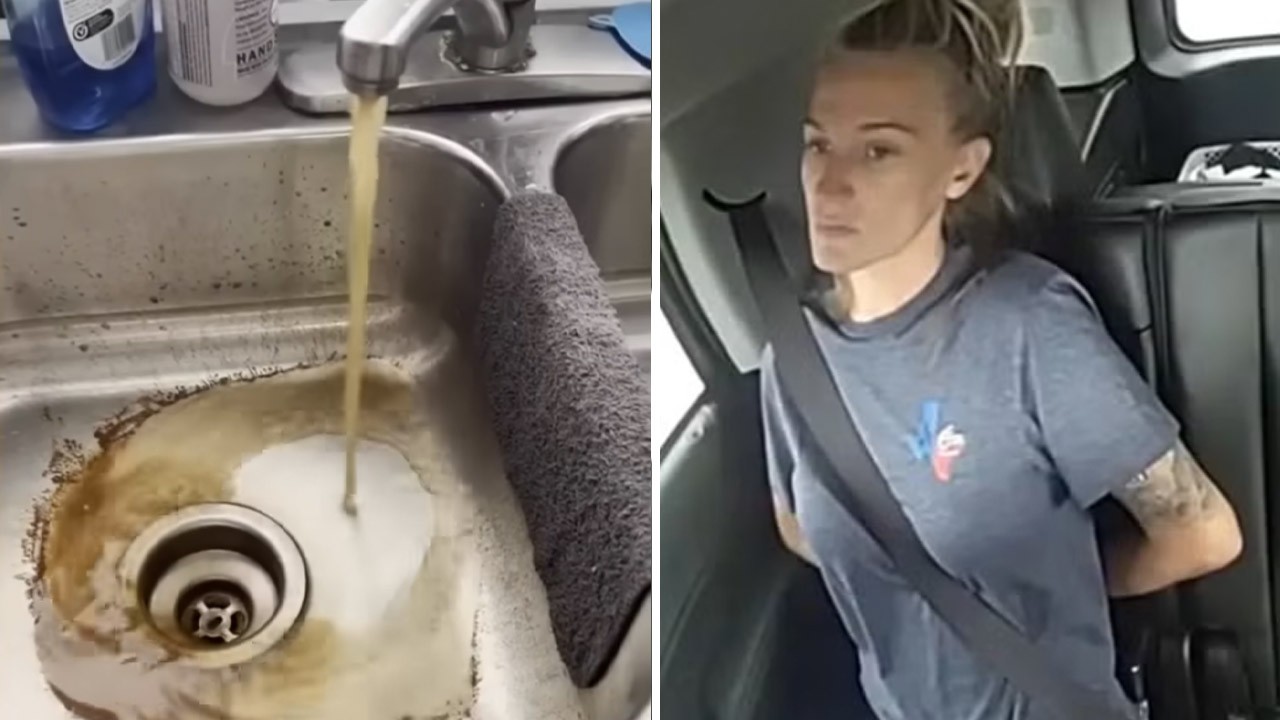
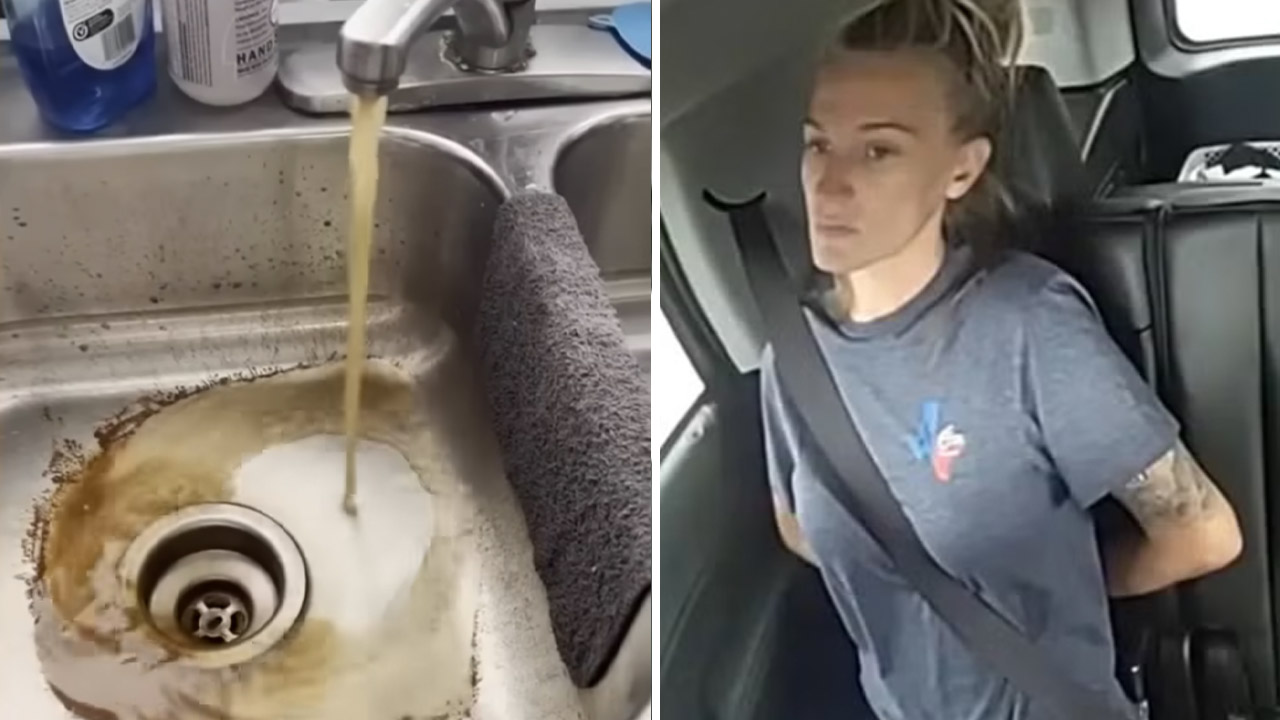
In May, Jennifer Combs, a local mother, was arrested on suspicion of felony false alarm or report after she posted her concerns about Trinidad’s drinking water on social media. Combs alleged that bacterial contamination in the local water supply had led to hospitalizations, introducing anxiety and public health concerns among residents. Police maintained that her social media post caused “fear, panic, or unnecessary emergency response within a community,” as cited by UNILAD. However, just weeks prior to her arrest, the city itself had issued a “boil water” advisory—publicly warning residents to boil tap water to mitigate potential bacterial risks. The juxtaposition of Combs’s arrest with this official warning fueled debate over whether the department was prioritizing transparency and public interest.
The situation further escalated when Winston Noles, a citizen journalist and supporter of Combs, was arrested outside Trinidad’s City Hall for displaying a sign that was critical of the police department. The charges against both individuals were later dropped, but the episode intensified scrutiny on Trinidad’s law enforcement, both within the community and from broader audiences.
State and Community Response
The cumulative effect of these incidents, combined with the results of the state’s regulatory review, put considerable pressure on the department’s leadership. Following the series of controversies and public outcry over the arrests, Trinidad Police Chief Charles Gregory resigned from his position on June 19. At the time of the shutdown, the department comprised five full-time officers and an unspecified number of part-time staff, according to official local sources.
On social media and in public statements, both residents and officials have offered perspectives on the department’s closure. Jennifer Combs, reflecting on her own experience and the subsequent investigation by state authorities, stated: “For months, citizens who questioned this department were dismissed, attacked and in my case arrested. Now the state agency responsible for regulating Texas law enforcement has confirmed that this department could not demonstrate compliance with even the minimum standards. We were never the problem. We were exposing it.”
Mayor Dennis Haws echoed a sense of inevitability in conversations with FOX 4 News, acknowledging that the department had been “neglected through the years” and that the decision, while serious, was “not a shock.” He emphasized the need for the community to move forward, rebuild trust, and ensure a positive direction for public safety services.
What Are “Minimum Standards” for Texas Police Departments?
The Texas Commission on Law Enforcement establishes and enforces a range of minimum standards for police departments throughout the state. These include requirements for:
- Proper recruitment, vetting, and ongoing training for officers
- Comprehensive written policies addressing use of force, arrest procedures, citizen complaints, and crisis intervention
- Clear community benefit documentation and engagement strategies
- Regular submission of crime statistics, internal audits, and compliance certification
- Transparency mechanisms, including public access to records and accountability for misconduct
State law allows TCOLE to impose sanctions, including withdrawing a department’s authority to operate, if agencies are unable or unwilling to meet these criteria. The closure of the Trinidad Police Department demonstrates the state’s willingness to enforce regulatory standards in the interest of public trust and accountability.
Wider Implications and Community Impact
The dissolution of a municipal police department, though rare, is not without precedent in the United States. Such decisions often revolve around systemic governance failures, fiscal emergencies, or persistent noncompliance with state guidelines. The impact on affected communities can be profound, raising concerns about crime response times, local autonomy, civic engagement, and relationships between residents and law enforcement.
In Trinidad’s case, law enforcement duties will now fall to the Henderson County Sheriff’s Office. The transition requires coordination between municipal and county officials to ensure the continuity of public safety services, clarity regarding jurisdiction, and reassurances for residents accustomed to a local, familiar police presence. For small towns, the loss of a local department may mean both challenges and opportunities—potentially improving oversight and professionalism, but risking a sense of distance or loss of communal identity.
Experts in public administration and law enforcement policy note that such closures underscore the vital importance of adhering to clear standards and maintaining regular oversight. As explained by scholars from institutes like the University of Texas at Austin, effective law enforcement requires not only tactical proficiency but also ongoing community dialogue, compliance with regulations, and a transparent, accountable structure.
National and International Perspectives on Law Enforcement Oversight
While rare in Texas, law enforcement agencies in other states and countries have also faced intervention or dissolution following scandals, noncompliance, or failures in leadership. For example, federal authorities sometimes step in to oversee or even dismantle departments with patterns of civil rights violations or corruption. Internationally, many democratic societies grapple with the challenge of balancing strong, responsive law enforcement with mechanisms to protect citizens’ rights and prevent abuses of power. The Trinidad case, though local in scope, reflects broader debates around governance, transparency, and the social contract between citizens and the state.
Community engagement and media scrutiny play a vital role in surfacing issues that may otherwise go unchecked. The ability of citizens and local journalists to voice concerns and report problems remains an essential feature of healthy democracies. In Trinidad, citizen activism—both online and offline—helped bring underlying problems to official attention, ultimately prompting regulatory review and corrective action.
The transition now underway will serve as a test case for how communities and their leaders can restore trust, improve public services, and ensure the events leading to the police department’s closure are addressed institutionally and not repeated.
Looking Forward: Building Trust and Accountability in Law Enforcement
As Trinidad adapts to a new law enforcement structure, public officials have emphasized the need for transparency, community input, and rigorous oversight going forward. State policymakers are also likely to examine the circumstances of the department’s closure for lessons about regulatory enforcement, rural policing, and best practices for smaller communities.
Achieving a law enforcement culture anchored in public service, compliance, oversight, and open dialogue is vital not only for Trinidad but for communities across Texas and beyond. By learning from this case, communities, policymakers, and law enforcement professionals can better understand the stakes of strong, adaptive, and accountable civic institutions.
Sources
- KETK News
- UNILAD
- BBC News
- Reuters
- Texas Tribune
- FOX 4 News Dallas-Fort Worth
- Texas Commission on Law Enforcement (TCOLE)
Disclaimer: This content is intended for entertainment purposes only and is not based on real events.