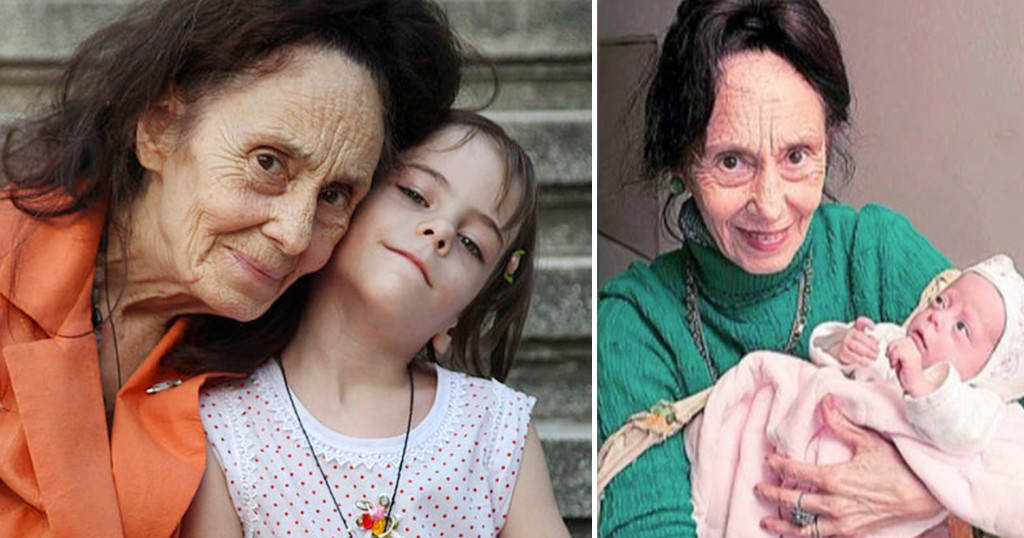
Adriana Iliescu: The Inspiring Story of the World’s Oldest Mother and Her Daughter Eliza 20 Years Later

Becoming a parent is one of life’s most transformative experiences, an event that brings immense joy, profound responsibility, and lifelong devotion. For most, the journey into parenting arrives at a typical age, but sometimes, extraordinary stories break the mold. Such is the case of Adriana Iliescu, who, in 2005, captured international attention by becoming a first-time mother at the age of 66, making history and challenging societal perceptions of motherhood, aging, and possibility.
The Extraordinary Birth of Eliza Iliescu
On the day Adriana Iliescu welcomed her daughter, Eliza, into the world in Romania, history was made. Adriana became the oldest mother at the time to give birth, prompting global headlines and sparking passionate conversation. Her story was officially recognized in the Guinness Book of World Records, a testament not only to medical advancement but also to the indomitable human spirit.
Eliza’s arrival was not just a deeply personal moment for Adriana; it echoed far beyond, touching countless families and observers worldwide. For Adriana, the birth of Eliza represented not only unbounded happiness but also the fulfillment of a lifelong dream that had, for many years, seemed out of reach.
Reactions to a Groundbreaking Motherhood

Adriana’s late-in-life motherhood soon attracted a flood of public attention, with both admiration and criticism. Concerns over the age of new mothers and the welfare of their children generated debate among experts, ethicists, and everyday people. Many critics argued that Adriana’s decision to become a mother at 66 was irresponsible, while others viewed her story as an inspiring example of determination.
In a 2010 interview with the Daily Mail, Adriana addressed these criticisms directly, stating, “The mirror is unkind to women, but if we are talking about my energy then I feel like a young woman. I feel like I’m 27, and when I feel a bit more tired, I feel like I’m 37. I am healthier than women more than half my age.”
She revealed that, despite society’s doubts, she believed in her ability to parent and was even open to the possibility of having another child. Medical advancements in reproductive technology had made what once seemed impossible, possible.
The Path to Motherhood: Trials and Hopes

Adriana’s journey to motherhood was far from simple. After marrying young, she was forced to terminate her first pregnancy for medical reasons, and not long after, her husband left. With her personal life upended, Adriana poured her energy into her education and a career as a university lecturer in Romania.
It was only after completing her doctorate at age 37 that she felt ready to have a child. However, at that time, assisted reproductive technologies like in-vitro fertilization (IVF) were not yet available in her country. It wasn’t until Adriana was 57 that IVF became a possibility in Romania. Her first attempt, in 2000, ended in disappointment, but she persisted, determined to become a mother despite setbacks and societal skepticism.
Breaking Barriers and Facing Adversity

Adriana’s unwavering pursuit of motherhood was met with resistance. Many within her personal and professional circles questioned her decision, some even branding her actions as immoral. Nevertheless, her resolve never wavered. She found hope and support in Dr. Bogdan Marinescu, a leading fertility specialist in Bucharest.
The path forward was not without complications. Adriana became pregnant with triplets, but tragically, only Eliza survived. Born prematurely, Eliza faced an extended hospital stay in a neonatal intensive care unit (NICU), but she ultimately proved to be resilient and healthy.
Religious controversy also followed Adriana and Eliza. Some members of the religious community viewed Adriana’s age and use of IVF with suspicion or outright criticism. Adriana recounts receiving harsh words and cold stares during Eliza’s baptism, with one nun reportedly labeling her “the product of dark force.” Despite such adversity, Adriana never lost faith, referring to Eliza as a true “gift from God.”

Motherhood, Health, and Family Bonds
Throughout the years, Adriana focused on nurturing her daughter and maintaining a healthy lifestyle. She abstains from smoking and drinking, credits good genetics for her longevity, and believes she can provide for Eliza as long as her own parents did. “If I live as long as my parents did, Eliza will be 20 by the time I pass away. I think I still have a lot to give her,” Adriana once commented.
Their mother-daughter bond has only grown stronger. Eliza, described as energetic, happy, and funny, is the center of her mother’s world. Adriana’s story is a testament to maternal devotion, showing that the will to give and nurture transcends age and challenges.
Scientific and Ethical Perspectives
The case of Adriana Iliescu reignited global debate on the ethics and science of late-in-life motherhood. Advances in reproductive medicine, including IVF, have enabled women to conceive well past natural menopause, raising questions about medical risks, the social roles of motherhood, and the long-term well-being of children.
Medical experts observe that while risks for both mother and child increase with advanced maternal age—including potential pregnancy complications and neonatal health challenges—each case is deeply personal and varied. Ethicists have emphasized the importance of balancing personal autonomy with considerations about the lifelong needs of children born to significantly older parents. Adriana’s experience, marked by preparation and support mechanisms, provides a complex yet valuable case study within this evolving social conversation.

Life for Adriana Iliescu and Eliza 20 Years Later
By 2025, two decades will have passed since Eliza’s birth. Now 20 years old, Eliza has blossomed into a confident and talented young woman admired by many in Romania. Public appearances, such as her performance with former Eurovision contestant Theodor Andrei, have further established her as a symbol of achievement, grace, and aspiration for the younger generation. Her passion for literature, humanities, and philosophy, along with her academic successes and awards, echo the scholarly pursuits of her mother and demonstrate the well-rounded upbringing she has received.
Adriana, at age 83, continues to demonstrate remarkable energy and vitality. She has authored more than 25 children’s books and maintains an active role as a part-time lecturer in Bucharest. Despite the often-mistaken assumption that she is Eliza’s grandmother, Adriana takes pride in her role and credits her healthy living and supportive environment as key to her ongoing ability to parent.
Legacy, Guardianship, and a Bright Future

Understanding the realities of her age, Adriana has made arrangements to ensure Eliza’s future is secure. She forged a unique agreement with Dr. Marinescu, her fertility specialist, naming him Eliza’s godfather and legal guardian should something happen to Adriana. This thoughtful planning exemplifies Adriana’s sense of responsibility and dedication to Eliza’s well-being.
While Adriana chooses to keep her family life mostly private today, media reports reveal that Eliza harbors ambitions of attending university and continuing her academic journey, much like her mother. According to credible sources, including Brightside, Eliza’s accomplishments as an award-winning student and her intellectual interests have earned her admiration from peers and educators alike. Online reactions to her recent public appearances have been overwhelmingly positive, heralding her as a role model for young people. Eliza’s story stands as a powerful testament to the nurturing influence of her mother and the opportunities born from resilience and perseverance.
Societal, Scientific, and Cultural Impact
The ongoing story of Adriana and Eliza Iliescu continues to inspire conversations about family, medical ethics, and the possibilities presented by advancements in science. Across the world, their journey has prompted researchers, religious leaders, and everyday families to reconsider traditional ideas about motherhood, aging, and the diverse forms families can take. In Romania and beyond, Adriana’s determination and the loving, supportive environment she has fostered for Eliza have challenged stigma and broadened society’s understanding of parenthood in the modern era.
Ultimately, Adriana and Eliza’s story is about more than just an unusual record; it is an account of love, hope, and the willingness to embrace life’s opportunities – even when tradition, time, and adversity seem insurmountable. Their experience embodies the message that devotion and responsible planning can help families overcome barriers, paving the way for fulfilling lives and brighter futures.
Conclusion
From international headlines to intimate family milestones, the story of Adriana and Eliza Iliescu stands as a unique chapter in the history of parenting. It highlights not only the challenges of breaking new ground but also the personal triumphs possible through perseverance, planning, and love. As advances in medicine and changing societal norms continue to reshape the boundaries of parenthood, the Iliescus’ journey offers valuable insight into the resilience of the human spirit and the enduring power of parental devotion.
Sources
Disclaimer: This content is intended for entertainment purposes only and is not based on real events.