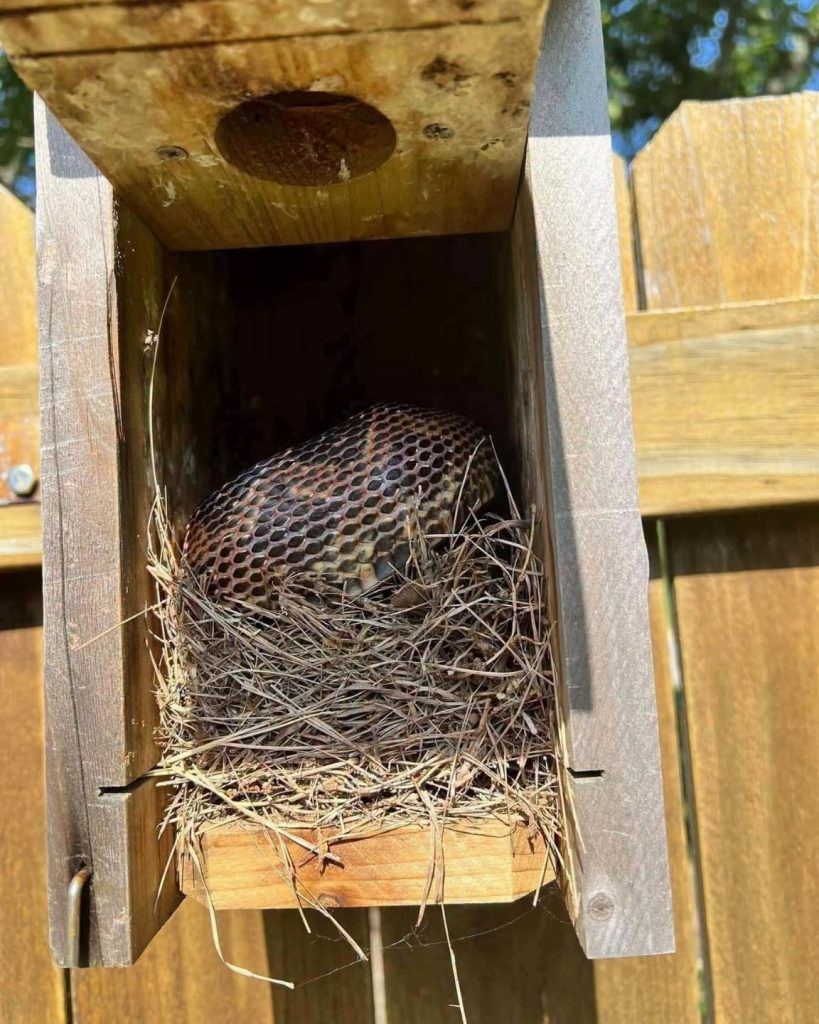
How to Keep Snakes Away from Your Yard: Effective Prevention Strategies
Introduction
Encountering a snake in your yard can be an unsettling experience for homeowners and families. However, snakes play a vital role in the ecosystem, helping to control populations of rodents and other pests. Understanding why snakes are attracted to residential areas and employing effective, humane prevention strategies can help minimize unwanted encounters while maintaining ecological balance. This article outlines comprehensive methods to make your property less appealing to snakes, highlighting expert recommendations and evidence-based approaches.
Why Snakes Enter Residential Yards
Snakes typically enter human-inhabited areas in search of basic survival needs: food, water, shelter, and safe hiding places. Urban expansion, habitat loss, and the abundance of prey such as rodents often draw snakes closer to homes and gardens. Recognizing the factors that attract snakes is the first step toward preventing their presence in your yard.
Maintain Landscaping and Vegetation
One of the simplest yet most effective prevention strategies involves careful landscape management. Overgrown grass, thick vegetation, and untended plantings offer shelter and hunting grounds for snakes and their prey. Experts from state wildlife agencies and pest control organizations recommend:
- Regularly mowing lawns and trimming vegetation, especially near patios, walkways, children’s play areas, sheds, and home foundations.
- Maintaining open, visible areas in the spaces where your family and pets spend the most time. Complete removal of all plants is unnecessary—strategic trimming and spacing are typically sufficient.
- Pruning back dense shrubs that grow directly against the house, eliminating concealed pathways that allow snakes and small animals to approach unnoticed.
Eliminate Snake Hiding Places
Snakes, like many wildlife species, seek out secluded spots to hide from predators and regulate their body temperature. Common hiding places in yards include:
- Piles of wood, leaves, rocks, boards, and fallen branches
- Disused or overgrown equipment and garden tools left outside
- Stacks of firewood, lumber, or other construction materials that sit on the ground
To make your yard less welcoming to snakes:
- Remove or neatly organize outdoor materials. Stack firewood off the ground and at least several feet away from the house if possible.
- Routinely clear debris after storms or seasonal changes to eliminate potential hiding places.
- Store unused equipment in sheds or garages, ensuring these structures are kept orderly and dry.
Control Rodent Populations and Other Prey
Rodents such as mice and rats serve as a primary food source for many snakes. Controlling the availability of such prey is key to minimizing snake attraction:
- Store all food securely, particularly in garages or outdoor storage areas.
- Ensure garbage containers are closed tightly and free from spillage.
- Quickly clean up spilled birdseed, which can attract rodents, and limit use of compost or pet food outdoors unless contained.
- Seal areas where rodents can find shelter, such as wood piles or cluttered storage spaces.
By addressing rodent infestations proactively, homeowners reduce the incentive for snakes to enter their property in search of easy meals.
Remove Sources of Standing Water
Standing water can attract not only snakes, but also the frogs, insects, and rodents they prey on. Steps to minimize water accumulation include:
- Empty water from buckets, containers, or toys left outdoors.
- Maintain clean gutters and fix leaks in outdoor taps or irrigation systems.
- Improve drainage in low-lying areas of the yard to prevent puddles and pooling during rain.
Removing unnecessary water sources lessens the likelihood of attracting wildlife that might draw snakes to your property.
Seal Entry Points to Home and Outbuildings
Physical exclusion is an essential component of snake prevention, as it stops entry into structures where snakes can find shelter or warmth. Experts from the U.S. Centers for Disease Control and Prevention (CDC) and pest management groups suggest:
- Inspect your home regularly for gaps or cracks around doors, windows, garages, vents, foundations, pipes, crawl spaces, and damaged screens.
- Seal gaps with caulking, weatherstripping, or appropriate mesh to block entry.
- Install door sweeps and repair any screens with tears or openings.
- Keep doors to sheds, garages, and basements closed when not in use.
These measures not only deter snakes, but also help prevent other small animals from inhabiting your home or auxiliary buildings.
Maintain Clean and Organized Outdoor Structures
Sheds and garages can easily accumulate clutter, providing ideal hideouts for snakes and their prey. Keeping these spaces organized and inaccessible to wildlife includes:
- Storing boxes, equipment, and seasonal items on shelves or elevated platforms, when practical.
- Performing routine cleanouts to reduce hiding spots and monitor for signs of rodent or snake activity.
- Ensuring floors remain dry and free of spilled birdseed or animal feed.
- Using bird feeders away from the house and cleaning underneath frequently to avoid buildup of seeds that may attract rodents and, consequently, snakes.
Avoid Ineffective or Harmful “Snake Repellents”
The market contains many so-called “miracle” snake repellents, but research by herpetologists and wildlife professionals indicates that the effectiveness of most commercial or homemade chemical repellents is unproven or inconsistent. In addition, some substances may pose health risks to children, pets, other wildlife, and plants. For these reasons:
- Rely on physical and habitat modifications rather than chemical-based deterrents.
- Do not use household chemicals or untested substances that could contaminate soil or water, or harm non-target animals.
- Always prioritize humane and ecologically responsible pest management.
What to Do If You Encounter a Snake
Finding a snake on your property does not necessarily indicate a hazardous situation. Most snakes are non-venomous and prefer to avoid humans. In the event of a snake sighting:
- Give the snake space and do not attempt to handle or corner it.
- Keep children and pets away from the area.
- If the snake is indoors or poses a specific risk (e.g., if it is venomous and located near an entryway), contact local animal control or a licensed wildlife removal expert for guidance.
- Observe and note the snake’s appearance from a safe distance in case professional identification is needed.
Attempting to kill or capture a snake can be dangerous and is discouraged by wildlife authorities. In many jurisdictions, local laws protect even potentially dangerous species due to their ecological role.
The Ecological Benefits of Snakes
While it is natural to be concerned when snakes are seen near homes, it is also important to recognize the positive impact they have on the environment. Snakes help keep populations of rodents, insects, and other pests in check, contributing to ecological stability. Many species are harmless and avoid human contact whenever possible. Educating family members about snake safety and the importance of these reptiles fosters respect and reduces unnecessary fear.
Conclusion
Designing your yard to be less attractive to snakes involves a multifaceted approach: regular maintenance of vegetation, removal of debris, vigilant rodent control, minimizing standing water, sealing entry points, and keeping outbuildings organized. These strategies, supported by experts in wildlife and pest management, provide effective and humane solutions for homeowners seeking a safe and snake-free environment. Instead of resorting to potentially harmful chemicals or unnecessary fear, focus on proactive property management and education about local wildlife. With awareness and prevention, peaceful coexistence with nature is possible.
Sources
- Centers for Disease Control and Prevention: Preventing Snakebites
- BBC: The surprising benefit of snakes in gardens
- The Guardian: Snakes in the city
- Reuters: How to manage snakes around your home
- Mayo Clinic: Snakebite safety tips
- Al Jazeera: The unexpected role of snakes in urban ecosystems
Disclaimer: This content is intended for entertainment purposes only and is not based on real events.