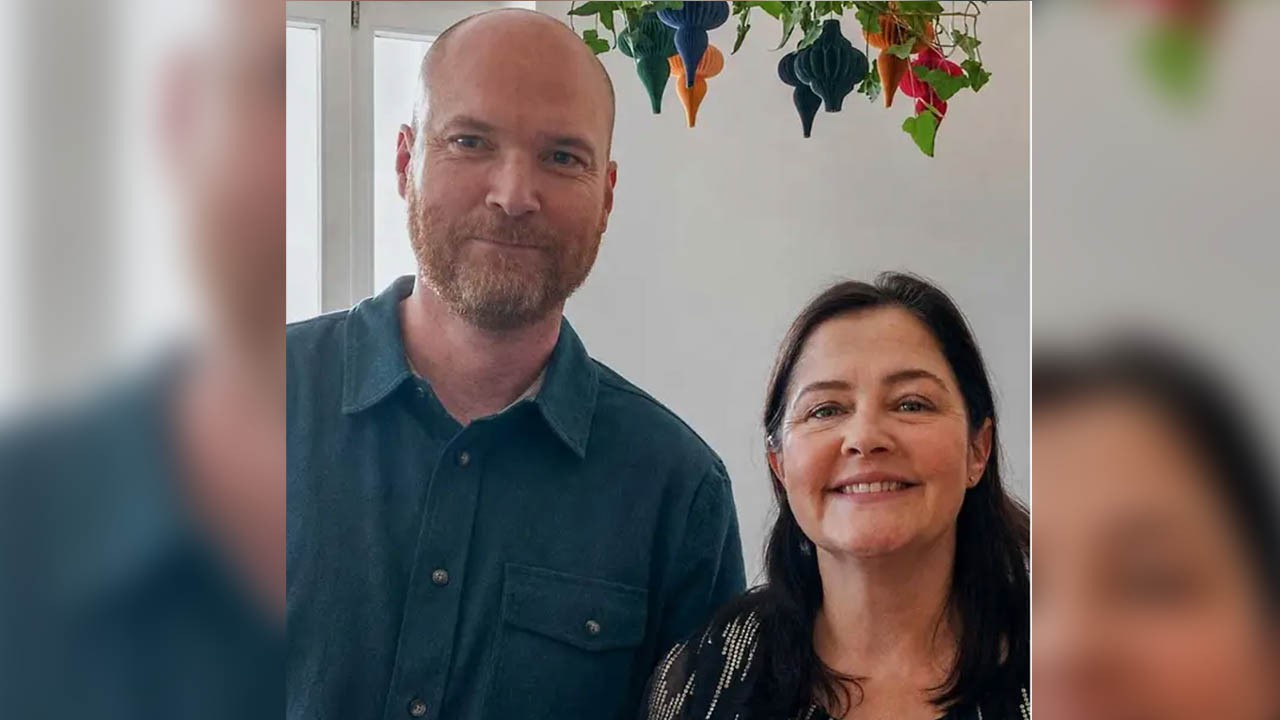
Thomasina and Patrick Tobin: A Tragic Holiday Accident in Spain
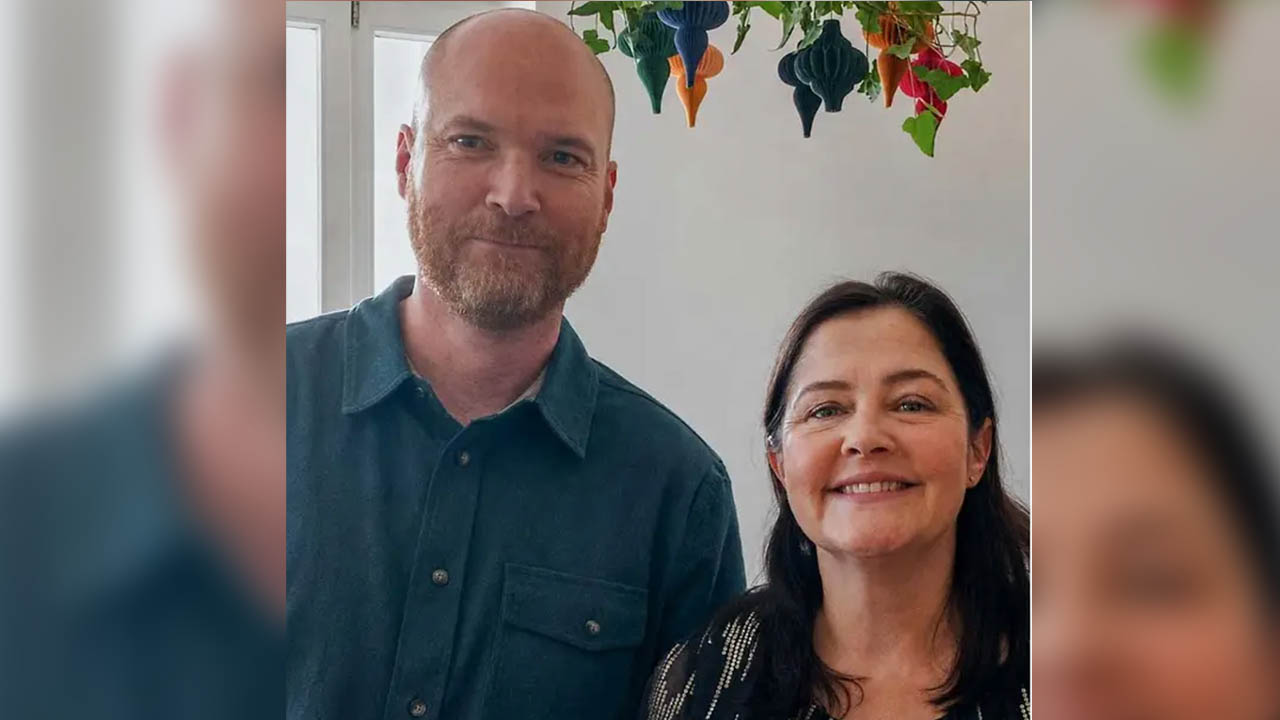
In June 2024, a devastating incident unfolded in Cullera, near Valencia, Spain, when Thomasina Tobin, 51, and her husband Patrick Tobin, 48, were found deceased in the hot tub of their rented villa. The event, discovered by their teenage children during a family holiday, has received significant attention, prompting an in-depth investigation and widespread public sympathy. This article examines the facts surrounding the tragedy, contextualizes official investigations, and considers the broader implications for travel safety and family well-being.
The Events Leading Up to the Tragedy
The Tobins had traveled from their home country to Spain for a family vacation in early summer, anticipating a relaxing period together in a popular tourist destination. Cullera, located along the scenic Mediterranean coast, is renowned for its beaches and family-friendly villas. The family’s chosen villa included amenities typical of such rental properties, including a hot tub located on the premises.
According to Spanish police reports and local media coverage, the teenage children were the first to discover their parents unresponsive in the hot tub. In a state of shock and confusion, they immediately contacted emergency services. Despite swift response, authorities confirmed that both Thomasina and Patrick had already passed away by the time medical personnel arrived at the scene.
Initial Investigations and Theories
As in any sudden deaths, law enforcement agencies opened an investigation into the circumstances. Early reports indicated that several explanations were considered, ranging from accidental causes to potential mechanical faults or environmental factors present in the villa. Foul play, such as criminal actions or external interference, was quickly ruled out by forensic teams based on evidence at the scene, the absence of external injuries, and preliminary autopsy results.
Authorities focused their attention on two primary theories. First, they considered whether a technical malfunction in the hot tub could have contributed, especially the possibility of a powerful suction system causing accidental entrapment. Second, they contemplated whether a medical emergency, such as cardiac arrest suffered by one spouse, may have triggered a desperate rescue attempt by the other. The scenario of mutual assistance leading to further complications was seriously analyzed due to the highly stressful nature of the environment and the potential for panic-induced exhaustion.
Accidental Entrapment and Cardiac Arrest: Official Findings
Subsequent reports from Spanish sources, including Las Provincias, highlighted the technical nature of the incident. Investigators cited the excessive force produced by the hot tub’s suction system, which may have caused both Thomasina and Patrick to become trapped. The physical difficulty of escaping from the hydraulic grip seemed to have led rapidly to exhaustion and extreme stress.
The autopsy results reinforced this theory. Preliminary findings suggested acute cardiac arrest as the cause of death for both individuals. The experts concluded that “physical exhaustion and the desperation of the moment”—stemming from acute stress and the inability to break free—were key contributing factors. No evidence was found pointing to poisoning, electric shock, or other forms of environmental hazard such as carbon monoxide, which sometimes occur with poorly ventilated spa facilities.
Expert Perspectives on Hot Tub Safety
The incident has drawn attention from international safety experts and organizations specializing in travel accommodations. The World Health Organization (WHO) and U.S. Centers for Disease Control and Prevention (CDC) have periodically warned about potential hazards associated with hot tubs, spas, and related aquatic facilities, particularly risks linked to suction entrapment, electrical faults, and waterborne illnesses.
Suction entrapment incidents, while rare, are a documented hazard, especially in tubs with older or improperly maintained equipment. Regulatory guidelines advise that property owners regularly inspect suction systems, ensure the installation of anti-entrapment drain covers, and maintain proper water circulation. Experts recommend that users avoid entering spa facilities alone and have safety measures in place, including easily accessible emergency shut-off switches.
The Tobin case has prompted calls for renewed awareness among travelers renting properties with private spas or pool amenities. Travel safety specialists suggest that guests inquire specifically about the maintenance schedule and safety certifications of such facilities before use. In countries like Spain, periodic inspections are required for commercial properties, but privately rented villas may vary in compliance unless owners adhere strictly to regional standards.
Impact on the Family and Community Response
The sudden loss of Thomasina and Patrick has left an enduring impact on their surviving children and extended family. Relatives, described as “traumatized” by local media, traveled to Spain within hours to support the teenagers and assist with arrangements. Family friends and the broader community responded with an outpouring of sympathy and condolences, reflecting the couple’s reputation as loving parents and valued neighbors.
A death notice published following the event emphasized their “life filled with love, family and friendship”, stating that their passing left an “immeasurable void” in the lives of those who knew them. Support networks for the teenagers have mobilized, offering counseling services and assistance with funeral preparations. Organizations specializing in bereavement care, such as local charities and international groups like Cruse Bereavement Care, have highlighted the need for specialized emotional support in cases of sudden loss abroad.
International Reaction and Travel Safety Guidance
The accident not only made headlines in Spain but was also reported internationally by outlets such as BBC and Reuters. The tragic nature of the event has prompted broader discussions about the safety of holiday accommodations and the need for shared responsibility between hosts and guests. Travel authorities encourage greater transparency in reporting incidents, improved regulations for privately owned rentals, and enhanced emergency response protocols.
The Spanish government, meanwhile, has reiterated its commitment to maintaining and improving tourist safety standards. Cullera remains a popular destination, continuing to attract families each summer. In response to this incident, some property managers have reviewed their inspection routines and reminded guests about potential risks, especially when using mechanical or electrical installations. Safety organizations suggest regular staff training and guest orientation as preventive measures.
Lessons Learned and Recommendations for Travelers
While the precise mechanical failure that caused the Tobin tragedy remains rare, the incident serves as a reminder of the importance of vigilance, preparation, and education when it comes to travel safety. Experts recommend that travelers:
- Verify the safety features and maintenance history of all amenities, especially spas and pools.
- Request information about emergency procedures and shut-off mechanisms from owners or property managers.
- Supervise children closely and encourage family members to avoid using spas alone or late at night.
- Report any unusual noises, malfunctions, or lack of response immediately to the property staff or local emergency services.
- Consider travel insurance policies that include coverage for medical emergencies and accidental injuries while abroad.
Ongoing Support and Remembering Thomasina and Patrick Tobin
As the family and community continue to grieve, support from local and international organizations is ongoing. The case has also become a subject of review by consumer safety groups and travel associations, with stakeholders collaborating to prevent similar incidents in the future. Friends and former colleagues of the Tobins have organized memorials, sharing tributes that highlight their generosity and commitment to family life.
The tragic outcome of the Tobin family’s holiday underscores the critical importance of safety awareness, both for travelers and accommodation providers. While their memory lives on among family, friends, and the wider community, their story is a reminder to all who seek enjoyment abroad to exercise caution and prioritize well-being.
Sources
- Reuters – Europe
- BBC – Europe News
- World Health Organization – Swimming Pools and Spas
- CDC – Healthy Swimming
- The Guardian – Spain News
Disclaimer: This content is intended for entertainment purposes only and is not based on real events.