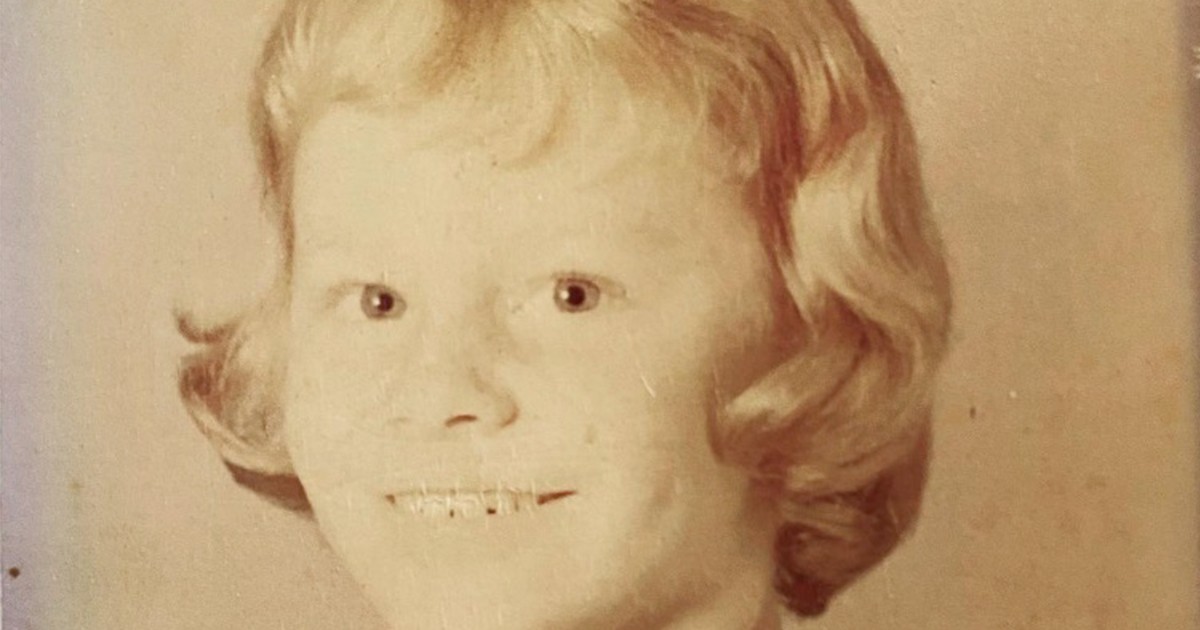
Today, the wonderful Reba McEntire is 69 years old and she truly deserves all the praise she can get. Personally, it feels like she has been around all my life and I still listen to her, several times a week.
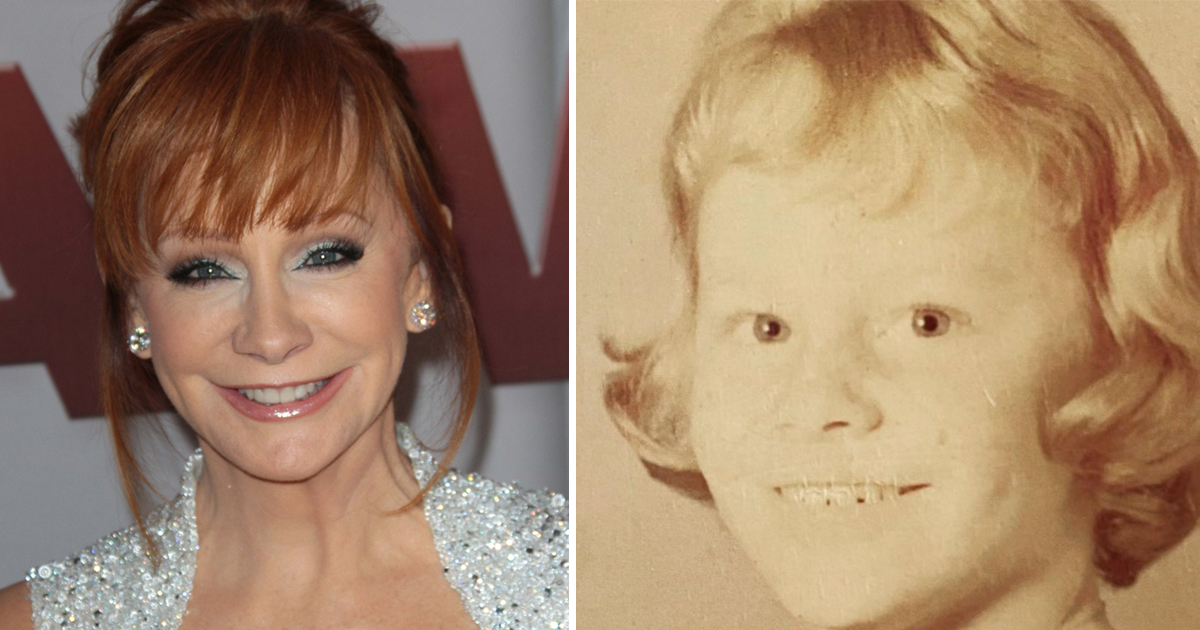
Reba McEntire is a true icon in country music, her presence and influence felt by generations of fans. As she turns 69, she continues to be both a legendary singer and a symbol of perseverance, faith, and authenticity. But while McEntire’s career is marked by chart-topping hits, countless awards, and international acclaim, her life story is also filled with struggle, loss, and hard-earned triumphs.
Born to Ride and Work the Land: Early Years of Reba McEntire
Reba Nell McEntire’s roots run deep in the heartland of America. Born in McAlester, Oklahoma, in 1955, Reba grew up on her family’s sprawling 8,000-acre ranch in the small community of Chockie, Atoka County. Her upbringing was defined by the demanding rhythms of rural life—early mornings, challenging chores, and a strong tradition of rodeo and western values.
From as young as five, Reba was already helping out, “steering” her father’s truck through cattle fields using a makeshift booster seat—a 50-pound feed sack—while her father set the truck to “granny gear.” For the McEntires, this hands-on approach was more than a rite of passage; it was a way of life reflecting self-reliance and resilience.
The McEntire legacy in rodeo is remarkable. Reba’s grandfather, John Wesley McEntire, was a world champion steer roper in 1934, and her father, Clark McEntire, followed suit, earning the title three times. Such a heritage instilled in Reba a deep respect for tradition, discipline, and the value of persistence.
Her Childhood Wasn’t Glamorous: Lessons in Humility and Strength
Despite the connections to rodeo royalty, Reba’s childhood was anything but luxurious. The McEntire family lived in a modest, gray house—six people, one bathroom, and the bare basics. Material wealth was scarce, but the richness of family and hard work provided a strong foundation for her future success.
Her father, Clark, reflected a firm, old-school philosophy on parenting—demonstrating love through high expectations and tough lessons rather than affectionate words. In her autobiography, Reba expressed that she often wished for more expressed love from her father, but, in retrospect, she came to appreciate the lessons he imparted by example.
Music, however, was a source of happiness and hope in their tight-knit household. Reba’s mother, Jacqueline McEntire, harbored her own dreams of singing professionally, but dedicated her life to education—working as a teacher, librarian, and secretary. Jacqueline’s sacrifices and encouragement would have a tremendous impact on Reba’s journey into music.
“My mama, they used to say she coulda been as big as Patsy Cline if she’d had any breaks, but she was teaching school by the time she was 16 or 17,” Reba has remarked, highlighting the strong-willed women who shaped her.
Musical Roots: Passed Down from a Loving Mother and a Strong Father
In the McEntire household, music was more than entertainment; it served as a bridge connecting members of the family. While Clark provided steely determination and a powerful voice—developed by calling cattle across wide Oklahoma fields—Jacqueline brought tenderness and encouragement. Long car rides to rodeos became mini vocal practice sessions, as Jacqueline led her children in harmonizing songs, often praising or correcting them along the way.
Reba credits her mother for teaching her how to sing and develop her musicianship, but humorously notes that her powerful voice is truly a gift from her father. She often recalls childhood family performances, where her loud singing would invariably stand out. “Mama said that when all three of us’d sing, she could always hear me over Pake and Susie,” Reba once shared with the Chicago Tribune.
From singing “Away in a Manger” at her school’s first-grade Christmas pageant to winning contests in the local 4-H club, Reba’s talent was evident at an early age. Her journey would quickly take her from small-town stages to the national spotlight.

The McEntire Family Band: Growing Up with Harmonies and Hope
Performing wasn’t limited to solo acts. By high school, Reba and her siblings, Pake and Susie, formed “The Singing McEntires,” a family trio that frequently performed at local events. Their mother was never far from the action, sometimes correcting harmonies with a spatula in hand while multitasking in the kitchen. This combination of family warmth and focus on improvement played a crucial role in Reba’s musical development.
The siblings’ initial single, “The Ballad of John McEntire,” paid tribute to their grandfather, but it wasn’t until Reba’s college years that her solo ambitions began to take the forefront. Even as she pursued a degree in elementary education at Southeastern Oklahoma State University, Reba’s passion for music and performance remained unwavering. She participated in sports, played several instruments, and continued honing her skills in both music and rodeo.
The trio’s performances grew in popularity and ambition. They went from small-town dances to playing in the “Kiowa High School Cowboy Band,” showcasing their talents to new audiences across Oklahoma City—sometimes keeping late-night hours well beyond what their ages would suggest.
As her siblings graduated and went their separate ways, the family band dissolved, but Reba’s own star was just beginning to rise. It was a chance opportunity at the National Finals Rodeo that would set the course for her legendary career.
A Defining Moment: From Rodeo to Music City
In 1974, Reba’s father suggested she sing “The Star-Spangled Banner” at the National Finals Rodeo in Oklahoma City. With the help of family friend Clem McSpadden, Reba was given the chance. Her performance caught the eye and ear of country music artist Red Steagall, who invited her to a party and, after hearing her rendition of Dolly Parton’s “Joshua,” saw something special in her potential.
Jacqueline, ever the champion for her children, inquired if Steagall could help all three siblings. Steagall, recognizing Reba’s unique spark, gently but firmly insisted he could only help one. “I can’t take all three. But I could take Reba. She’s got something a little different,” he admitted.
It was an emotional turning point for Reba, as she realized her mother was living her own musical dreams vicariously through her. Reba and Jacqueline packed for Nashville, where Reba recorded a demo tape, launching the next stage of her journey.
A Rocky Start and Meteoric Rise
With a demo tape in hand, Reba waited as Glenn Keener, a producer for PolyGram/Mercury Records, weighed her future alongside another hopeful’s. Ultimately, Keener chose Reba. However, her initial singles made little impact on country charts. Persistence paid off, though, and by 1978 she broke into the Top 20 with “I’d Really Love to See You Tonight.”
The critical breakthrough came in 1984 when McEntire signed with MCA Records. Her album “My Kind of Country” leaned into more traditional country sounds and won her major accolades, including the title of Female Vocalist of the Year from the Country Music Association. Just two years later, her song “Whoever’s in New England” topped the charts and earned her first Grammy award—Reba had arrived as a force to be reckoned with in music.
Personal Tragedy: The 1991 Plane Crash
As her career soared, tragedy struck in March 1991. A private plane carrying members of her band and two pilots crashed, killing all onboard. Reba was devastated, and this harrowing loss profoundly shaped her life and artistry. Dedicated to her lost friends and colleagues, her album “For My Broken Heart” became a tribute to their memory and her will to carry on.
Despite personal heartbreak, Reba’s resilience came to define her public image. She continued to produce hit records and, throughout the 1990s, successfully expanded her career into television, with projects like “Reba,” and launched notable business ventures. Her hit single “I’m a Survivor” became something of an anthem for her enduring spirit.
After a brief hiatus, she returned to the spotlight in 2003 with “Room to Breathe,” followed by the chart-topping “Reba: Duets” in 2007. Collaborating with artists from different genres, Reba proved herself to be both versatile and relevant in an evolving musical landscape.

Honoring Family: Loss, Legacy, and Reba’s Resilience
The importance of family has always been central to McEntire’s story. She honored her father with “Just Like Them Horses,” a moving music video inspired by Clark McEntire’s passing in 2014. She previously paid tribute to him with the song “Daddy,” in 1979, recognizing the profound influence of his cowboy ethos and unwavering resolve on her own life.
“I have a lot of daddy in me. I have a lot of his drive and his determination to succeed, but also, I’m a terrible communicator,” she candidly explained to The Tennessean in 1994, illustrating the complexity of her family relationships and the strength they provided her.
The deepest loss, perhaps, came in 2020, when Reba’s mother and greatest champion, Jacqueline, passed away following a battle with cancer. Grieving, Reba questioned whether she could continue her career, admitting that singing had always been, in many ways, for her mother. With the support of her sister Susie and her enduring faith, Reba eventually found the strength to keep performing, affirming the healing power of music and family bonds.
A Commitment to Faith, Family, and Community
Today, Reba McEntire’s life goes beyond music. She’s known for her philanthropy, entrepreneurship, and unwavering dedication to her roots. In 2023, she returned to Atoka and partnered with the Choctaw Nation to open Reba’s Place, a restaurant and cultural gathering spot designed to revitalize her hometown.
As Chief Gary Batton of the Choctaw Nation observed, “Reba is about faith, she is about family, she is about culture.” The restaurant—filled with memorabilia and the sounds of country music—is more than a business; it’s a tribute to the community and traditions that shaped Reba’s life. By creating new jobs and opportunities, she’s giving back to the region that gave her so much.
Her outreach extends to various charity projects and causes, confirming her desire to make a difference not only in music but in the lives of others.

Full Circle: From National Anthem to Super Bowl and Beyond
Reba’s career came full circle in 2024, when she performed “The Star-Spangled Banner” at Super Bowl LVIII—a touching echo of the very performance that launched her professional journey decades ago at the National Finals Rodeo. Emotions ran high, as fans and critics alike recognized the symbolic significance of this moment: a testament to persistence, passion, and the American dream.
With more than 24 No. 1 hits, over 90 million albums sold, and a staggering collection of awards, Reba McEntire’s impact on country music and American culture is undeniable. Her story is proof that humble beginnings, hard work, a supportive family, and determination can combine to create an enduring legacy.
As she celebrates her 69th birthday, Reba stands as an inspiration to aspiring artists and fans around the world. Her legacy is anchored not only in music, but in a deep commitment to faith, family, community, and the unwavering belief that, despite life’s hardships, it’s possible to rise, rebuild, and thrive.
Sources
Disclaimer: This content is intended for entertainment purposes only and is not based on real events.