An Alaskan Teenager Survives Three Days Stranded at Sea: Story of Courage and Tragedy
Introduction: A Tale of Survival Against the Odds
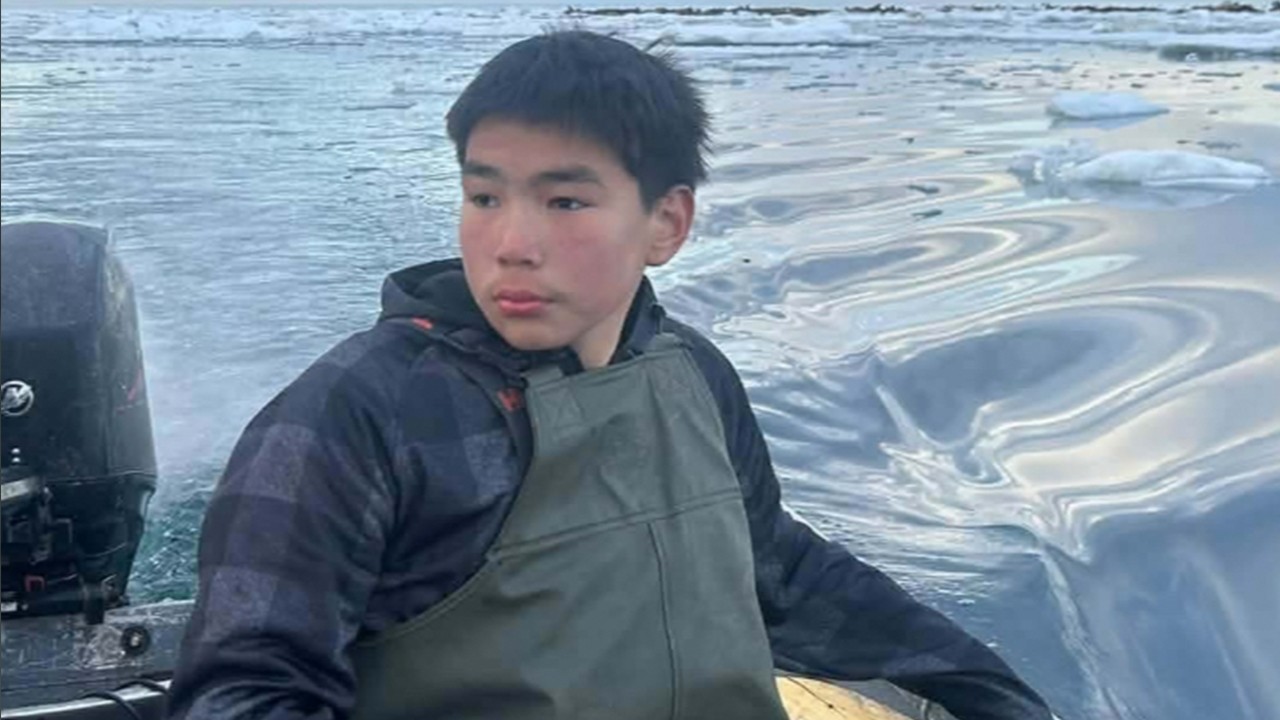
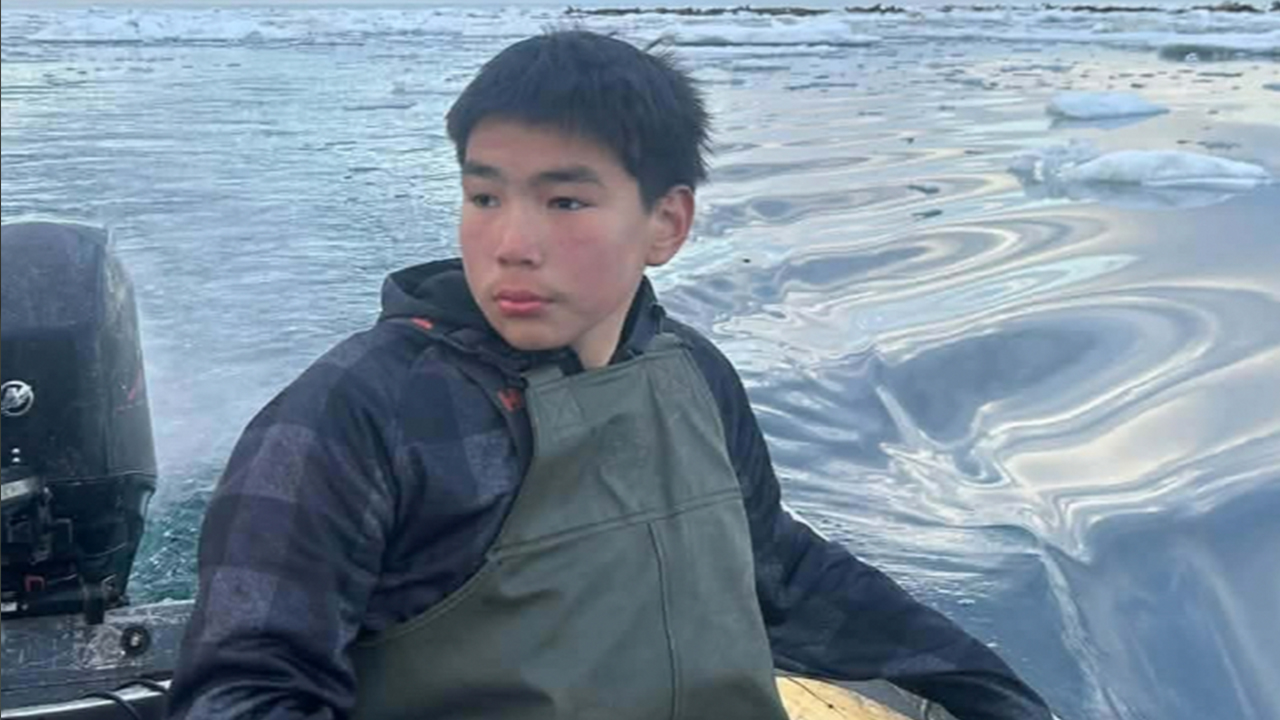
In early September, 15-year-old Derek Parker Aghnaanga became the subject of international attention after surviving for three days stranded at sea near Alaska’s remote St. Lawrence Island. While his ordeal is one of incredible resilience, the tragedy that befell his brother and cousin underscores the dangers faced by those who rely on subsistence fishing in challenging environments. This article provides an in-depth, analytical account of the incident, examining the circumstances, the rescue operation, the aftermath, and broader implications for remote communities.
Background: St. Lawrence Island and Subsistence Fishing
Savoonga, the villagers’ home, sits on the northern coast of St. Lawrence Island in the Bering Sea, one of Alaska’s most isolated locations. Residents, including Derek’s family, often depend on subsistence fishing and hunting for their livelihoods, especially halibut fishing during the autumn. Navigating the cold waters and unpredictable weather is an everyday reality, making safety and preparedness crucial for survival.
Derek Aghnaanga, alongside his brother Sidney Kulowiyi, 35, and cousin Barton Rookok, 34, embarked from Savoonga on Friday, September 4. Their plan was straightforward: an overnight fishing trip, with a return expected by Sunday morning. When the trio did not return as scheduled, family members and local authorities grew increasingly concerned, leading to the involvement of Alaska State Troopers.
The Search and Rescue Efforts
Responding swiftly, Alaska State Troopers notified the Coast Guard late Sunday, September 6, setting off a coordinated search effort. Search-and-rescue operations in Alaska often grapple with extreme weather conditions. In this instance, dense fog halted aerial scouting until Monday morning, slowing down the critical search window.
At approximately 10:30am on Monday, the Coast Guard, aided by the commercial vessel Northwest Explorer, spotted a figure in a bright yellow jacket clinging to an overturned boat. According to PEOPLE, the rescue unfolded as Northwest Explorer’s crew approached, blasting their horn and preparing for a complex maneuver in the frigid, turbulent waters.
The Dramatic Rescue
As captured in a now widely circulated video, Derek knelt atop the capsized boat, exposed to the cold wind and the relentless sea. Crew members quickly threw a line, pulling the skiff closer and using a rescue basket to safely bring Derek aboard. He was immediately wrapped in blankets and given hot packs, while the vessel made haste toward the port city of Nome. The rescue was emotionally charged, as described by captain Adam White to Alaska’s News Source; he recalled the tension and relief upon finding the boy alive.
Tragic Loss: What Happened to Derek’s Family
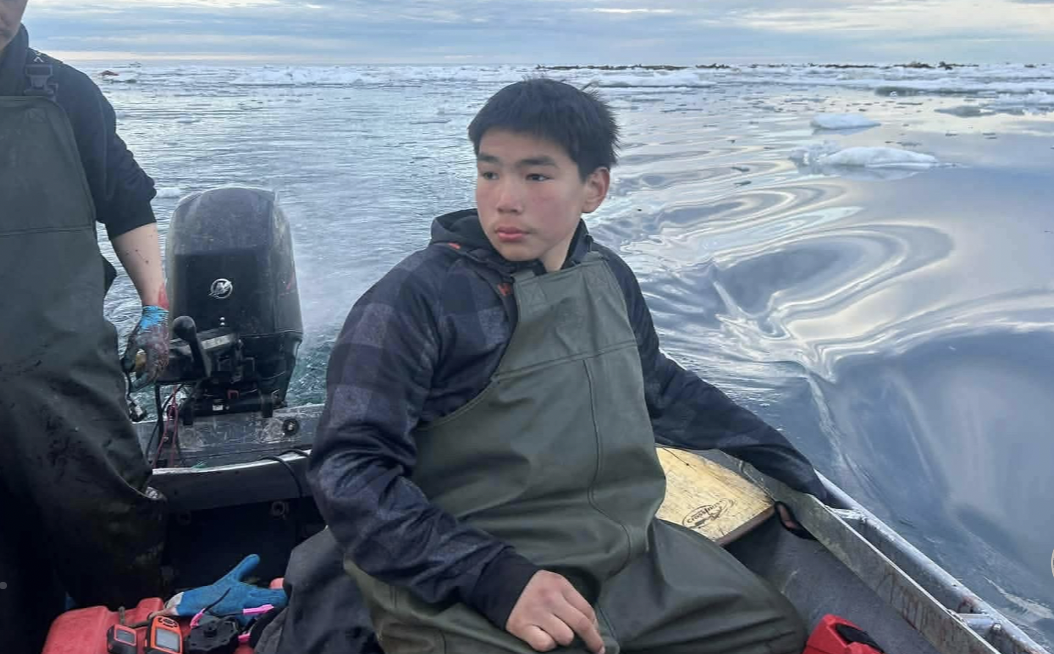
During the rescue—and in subsequent interviews—Derek revealed harrowing details about the incident. His brother, Sidney Kulowiyi, was captain of the skiff and had become trapped underneath it when it capsized, succumbing to the unforgiving conditions. The cousin, Barton Rookok, survived atop the overturned boat alongside Derek at first, but in the darkness and exhaustion of the second night, slipped away into the sea. Both bodies were later recovered by search crews.
Derek endured three days and nights without food or water—exposed to temperatures hovering around 10 degrees Celsius (roughly 50°F), with hypothermia a constant threat. His survival is attributed to both his resourcefulness and the protective gear he was wearing. According to the Northwest Explorer’s crew, Derek remained calm and focused during his ordeal, which likely contributed to his ability to endure the extreme conditions until rescue arrived.
Family and Community Response
The emotional impact of the tragedy reverberated throughout Savoonga and the broader Alaskan native community. Derek’s mother, Vina Kulowiyi, called her son a “survivor,” expressing gratitude and heartbreak in an emotional Facebook post. She wrote, “he was never afraid the whole time,” emphasizing both the boy’s courage and the family’s immense loss. “He lived on prayer with no food and water,” she added. The entire village extended support; the resilience of Derek and the memory of his brother and cousin became points of communal mourning and pride.
Recognizing the hardship faced by the family amid loss, a GoFundMe campaign was established. The fundraiser became an avenue for community members and well-wishers worldwide to provide financial assistance and emotional support to the survivors.
Expert Perspectives: Survival in Arctic Marine Environments
Survival experts note that the Alaskan waters pose unique hazards. Hypothermia can develop rapidly, even in late summer and early autumn, where water temperatures rarely rise above 10-12°C. According to Captain White, “It’s unbelievable. It’s remarkable. It’s cold. The water is 10 degrees Celsius. Saturday, all the way to Tuesday, that kid was on top of that skiff. I mean, that’s one tough kid.” Specialized research by the U.S. Coast Guard and survival specialists at the Mayo Clinic suggests that survival time in such waters is rarely more than a few hours without protective gear.
Nutrition and hydration also play a critical role. Without access to food or fresh water, the risk of dehydration and exhaustion rises sharply. In Derek’s case, his ability to endure was likely aided by limited movement and conserving energy, while mental fortitude—bolstered by prayer and hope—may have supported his psychological resilience.
Broader Implications for Remote Communities
The story highlights both the bravery and vulnerability of communities like Savoonga. Subsistence fishing and hunting are necessities for indigenous people on St. Lawrence Island, and the environment can be unforgiving. The incident underscores the need for ongoing safety training, improved communication systems, and emergency equipment for small vessels. The Coast Guard and local authorities have long advocated for proper gear, including life jackets, cold weather clothing, and signaling devices as critical to survival.
In addition, organizations such as the Alaska Native Tribal Health Consortium and the CDC recommend routine emergency preparedness drills for rural communities, including children and families who participate together in hunting or fishing. The tragedy faced by Derek’s family is a sobering reminder of the importance of readiness and vigilance.
Societal Reactions and International Attention
News of Derek’s ordeal spread rapidly, prompting widespread solidarity and reflection. Coverage by international media outlets highlighted both the perilous nature of Alaskan waters and the resilience of indigenous youth. Officials, including members of the Alaska State Troopers and the Coast Guard, received praise for their rapid mobilization and dedication under difficult conditions.
Public support for the family was evident not only through the GoFundMe page but also through donations and messages from around the world. The story prompted discussions in both local and national forums about improving search-and-rescue infrastructure and supporting families who depend on subsistence living.
The Human Face of Survival
Derek Parker Aghnaanga’s survival is a testament both to human endurance and the support of community and rescuers. While the loss of Sidney Kulowiyi and Barton Rookok is deeply felt, their story serves to remind the world of the strength found in family and community in the face of adversity. As Derek’s mother wrote, her son lived on prayer, supported by the hope that he would be found. The incident has become a poignant example of both tragedy and triumph, resonating far beyond the shores of St. Lawrence Island.
Conclusion
The rescue and survival of Derek Parker Aghnaanga is more than a remarkable individual story—it is one entwined with a community, a family, and a region reliant on the sea. It serves as a lesson for increased safety, preparedness, and mutual support, while honoring those lost and the resilience of those who survived. Awareness generated by this event may help drive improvements in safety measures and recognition of the challenges faced by Alaskan Native communities.
Sources
- BBC News
- Reuters
- Alaska’s News Source
- PEOPLE
- Centers for Disease Control and Prevention (CDC)
- Mayo Clinic
- U.S. Coast Guard Alaska
- Facebook (Vina Kulowiyi)
Disclaimer: This content is intended for entertainment purposes only and is not based on real events.