Security Footage Details Fraternity Hazing That Left Missouri Student Blind, Paralyzed and Unable to Speak
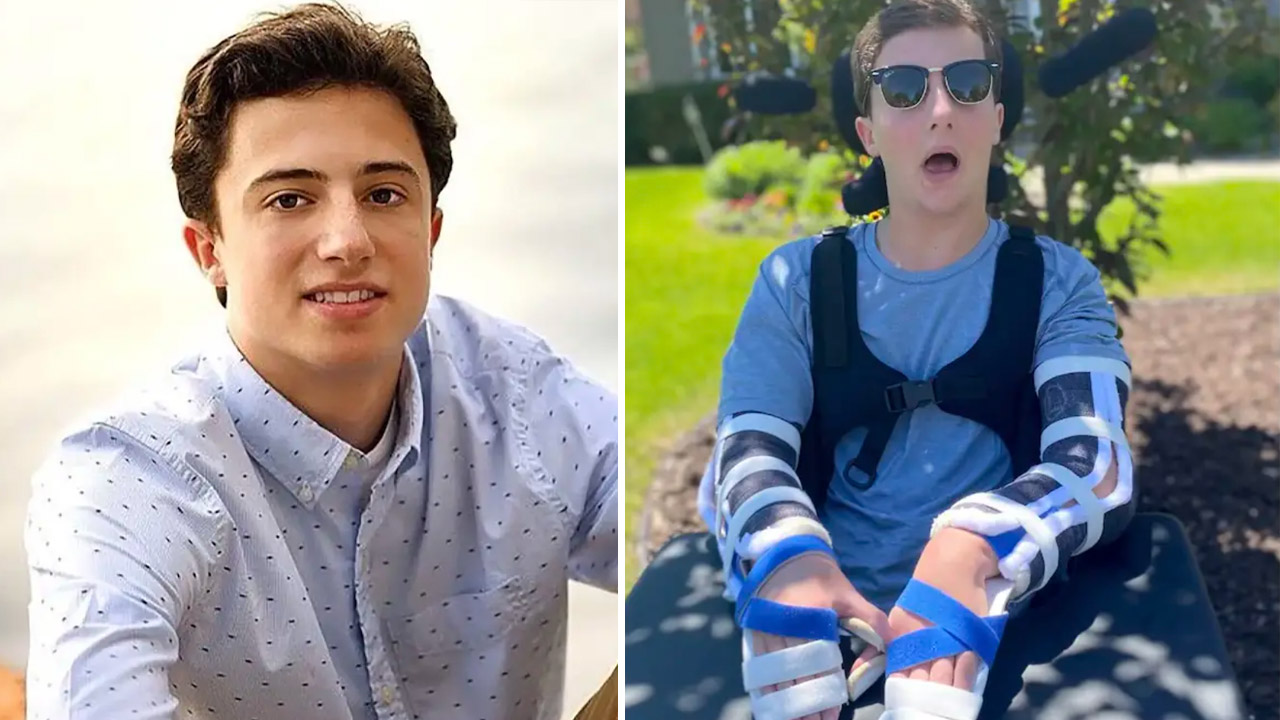
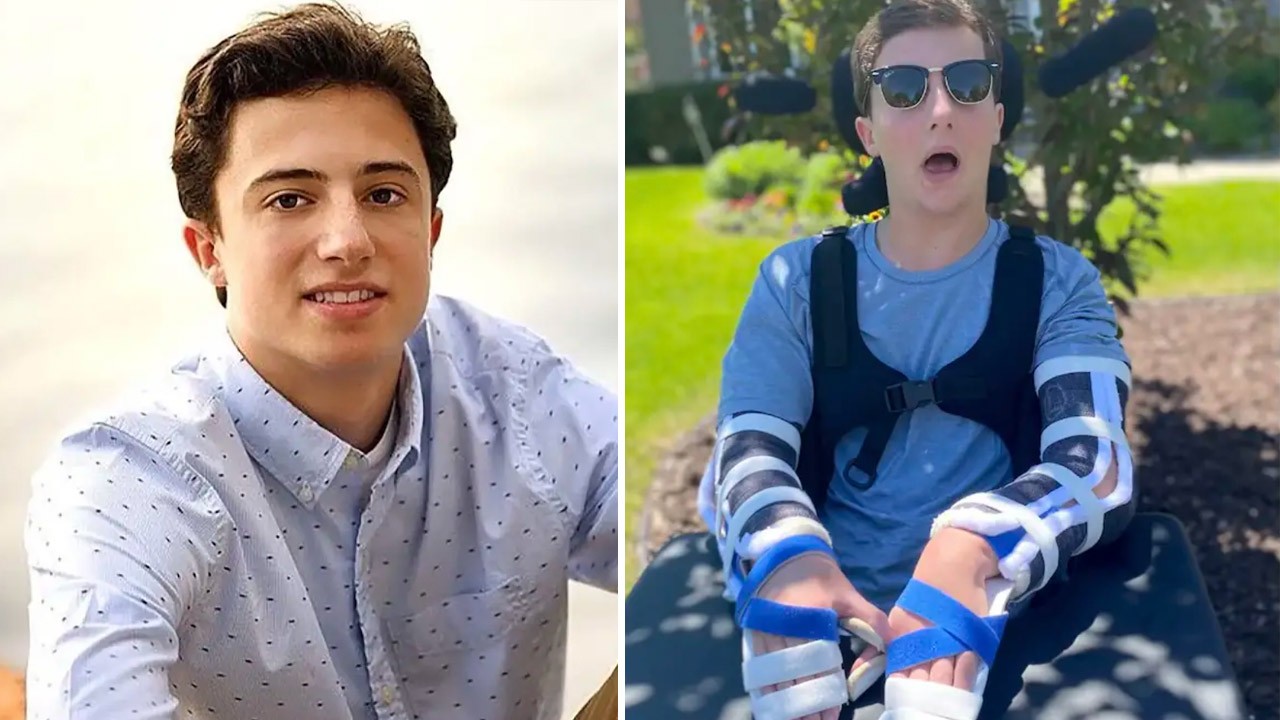
Security footage has brought critical attention to a 2021 fraternity hazing event at the University of Missouri that left 19-year-old Daniel “Danny” Santulli with lifelong, catastrophic injuries—blindness, paralysis, and an inability to speak. The incident ignited national debate about hazing culture on campuses and has profound legal and social consequences.
The Hazing Event: A Tragic Night Unfolds
On October 19, 2021, Daniel Santulli attended an initiation event widely known among the fraternity community as “pledge dad reveal night” at the Phi Gamma Delta fraternity house, commonly referred to as Fiji, on the University of Missouri campus. Security cameras recorded Santulli and other pledges being led, shirtless and blindfolded, down a staircase—an image that has since become emblematic of the dangers associated with hazing rituals.
According to court records and multiple media investigations, Santulli was required to participate in an excessive drinking challenge: a bottle of vodka was taped to his hand, and he was instructed to finish it before the night ended. This so-called tradition is not unique to Fiji; similar stories of alcohol abuse during fraternity hazings have surfaced from campuses nationwide, despite institutional bans and increasing awareness of the risks.
As the night progressed, Santulli became obviously intoxicated, losing his balance and motor control. Fraternity members eventually carried him to a couch, where he remained unnoticed and unaided for over an hour despite his deteriorating condition.
Critical Medical Emergency and Aftermath
At approximately 12:30 a.m., Santulli fell head-first off the sofa. Even then, timely intervention was lacking. It took another 15 minutes before fraternity members checked his pulse and decided to act. Tragically, in the process of moving him, they dropped him again before placing him in a car to drive to the hospital.
By the time they arrived, Santulli was in cardiac arrest and had stopped breathing. Medical records show that his blood alcohol concentration (BAC) was 0.486%—a nearly lethal level, as established by health authorities such as the Cleveland Clinic, which considers BAC levels above 0.40% potentially fatal. Santulli survived, but the extensive oxygen deprivation to his brain caused permanent damage. He is left unable to walk, talk, or see, and requires round-the-clock care for basic functions.
This case is now widely cited by experts and advocates as one of the most severe hazing-related injuries ever documented in the United States.
The Santulli Family’s Response: A Call for Accountability and Change
Confronted with the devastating results of the hazing ritual, the Santulli family has channeled their grief into advocacy. In multiple interviews, Daniel’s father, Tom Santulli, has shared his determination to pursue accountability. He chose to view the distressing security footage himself, stating that understanding exactly what happened fuels the family’s mission to prevent such harm from happening to others in the future. “Now we’re focused—now we’re on a mission, and we’re going to hold people accountable for what happened that evening,” Tom Santulli told media outlets.
Nick Santulli, Daniel’s brother, delivered an emotional victim impact statement in court, emphasizing how the absence of intervention played a critical role in Daniel’s fate and expressing frustration at a perceived lack of remorse from those responsible. The family has turned Danny’s tragedy into a call for greater awareness and action against fraternity hazing, collaborating with legal advocates and participating in educational campaigns.
Legal Proceedings: Criminal and Civil Consequences
The aftermath of the fraternity hazing did not only affect Santulli’s family but also catalyzed criminal and civil actions. Ryan Delanty, who acted as Santulli’s “pledge dad” and was reportedly responsible for his wellbeing that night, faced criminal charges for hazing and providing alcohol to a minor. During legal proceedings, Delanty pleaded guilty to reduced misdemeanor charges and received a sentence of six months incarceration, followed by six months of house arrest—a relatively rare outcome in hazing-related prosecutions, which, according to experts, are often challenging because of insufficient evidence or lack of witness cooperation.
The Santulli family also pursued a civil case against the fraternity chapter and 23 of its members. The parties ultimately reached a settlement for an undisclosed sum, bringing some closure on the legal front but raising ongoing questions about fraternity accountability and university oversight.
A Broader Problem: Hazing in American Greek Life
Legal experts and advocates claim that what happened to Daniel Santulli reflects a wider, systemic issue with hazing in Greek life organizations across the United States. David Bianchi, the Santulli family’s attorney who specializes in hazing cases, has said that such incidents are not isolated but symptomatic of hazardous traditions embedded within some fraternity cultures.
Despite pledges from many national fraternities to end hazing, and university bans on dangerous initiation practices, high-profile injuries and deaths continue to appear in headlines. Studies by the National Collaborative for Hazing Research and Prevention suggest that up to 55% of college students involved in clubs, teams, or organizations experience some form of hazing, though most episodes are not as severe as what Santulli suffered.
The University of Missouri’s Phi Gamma Delta chapter was promptly shut down following Santulli’s hospitalization—an action consistent with national policies, but, as critics point out, one that often comes after tragedy rather than preventing it.
Responses from the Fraternity and University
Phi Gamma Delta’s International Executive Director, Rob Caudill, has publicly expressed support and sympathy for the Santulli family, stating: “Danny should not have been put in such a situation. The International Fraternity prohibits hazing and providing alcohol to minors and expects all members to follow the law and our policies.” The fraternity swiftly closed the University of Missouri chapter and voiced support for holding individuals accountable for their actions.
The University of Missouri also released statements condemning hazing, underscoring their commitment to student safety, and initiating their own reviews into Greek life culture and supervision.
Medical and Social Impact of Alcohol-Related Hazing
Santulli’s situation is a stark reminder of the medical dangers associated with rapid and excessive alcohol consumption. As experts from the Centers for Disease Control and Prevention (CDC) and Mayo Clinic point out, alcohol poisoning can easily prove fatal, with symptoms including slowed breathing, hypothermia, seizures, and ultimately cardiac arrest, especially when bystanders are slow to respond.
The Santulli case has triggered new conversations among university administrators, students, and lawmakers about the adequacy of current policies, the effectiveness of alcohol and hazing education, and the need for stronger enforcement and cultural change around Greek life traditions.
Broader Societal and Legislative Reactions
Daniel Santulli’s ordeal has resonated far beyond the University of Missouri. National news coverage has put renewed pressure on fraternities and universities to reform or dismantle hazardous traditions. Some states have responded by revising anti-hazing laws to include harsher penalties and clearer definitions. For example, Missouri strengthened its anti-hazing statutes after this high-profile case, and parents, students, and advocacy organizations such as StopHazing have called for further legislative and institutional reforms nationwide.
Santulli’s story, now featured in A&E’s documentary series “Houses of Horror: Secrets of College Greek Life,” also serves as an educational warning for incoming students and their families. The Santullis themselves have devoted significant effort to outreach, sharing their experiences in national media and helping drive the movement for cultural change on campuses.
Conclusion: Lessons and Continued Advocacy
The hazing ritual that devastated Daniel Santulli’s life has underscored longstanding concerns about safety in Greek-letter organizations. It exposes not only the personal cost but also the institutional and cultural challenges of eradicating dangerous traditions. The case highlights the ongoing need for vigilance from students, parents, universities, national Greek organizations, and lawmakers to foster safe and inclusive campus environments. Daniel Santulli’s story is a powerful call for change and serves as a reminder that the cost of inaction is unbearably high.
Sources
- Reuters
- BBC News
- Al Jazeera
- The Guardian
- Cleveland Clinic
- Centers for Disease Control and Prevention (CDC)
- Mayo Clinic
- Columbia Tribune
- New York Post
- VT.co
Disclaimer: This content is intended for entertainment purposes only and is not based on real events.