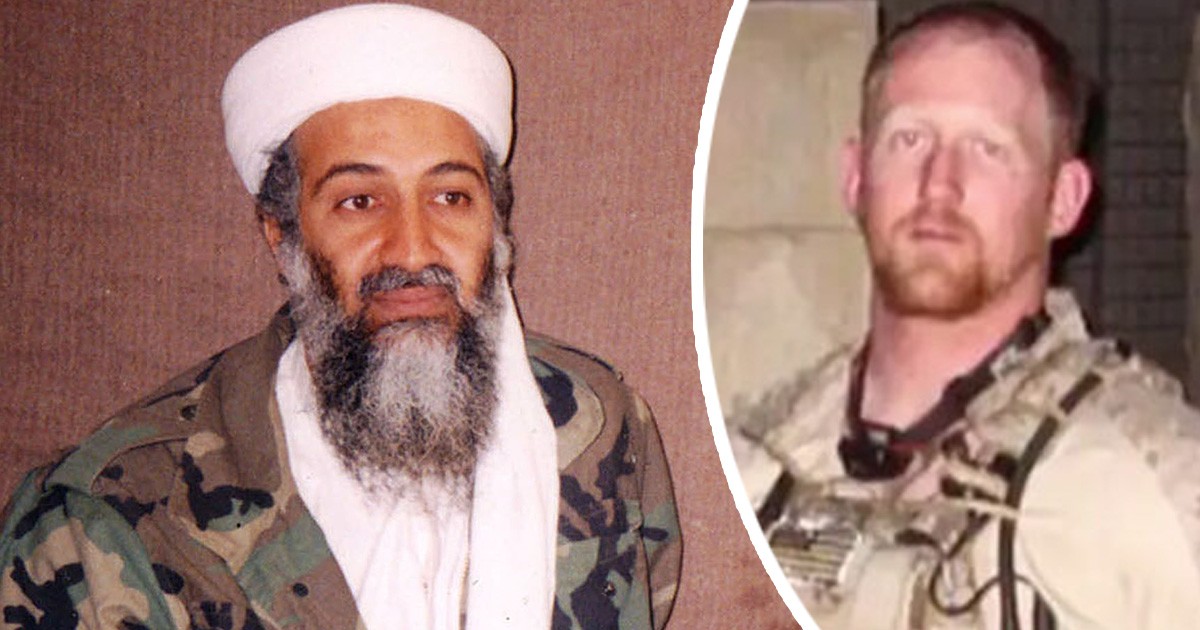
On May 2, 2011, Osama bin Laden’s wife, Amal, was in his grasp when U.S. Navy SEALs burst into their compound and killed the al Qaeda leader, splattering his blood and brains across the room. Years later, she revealed the final words he spoke before U.S. forces stormed the room.
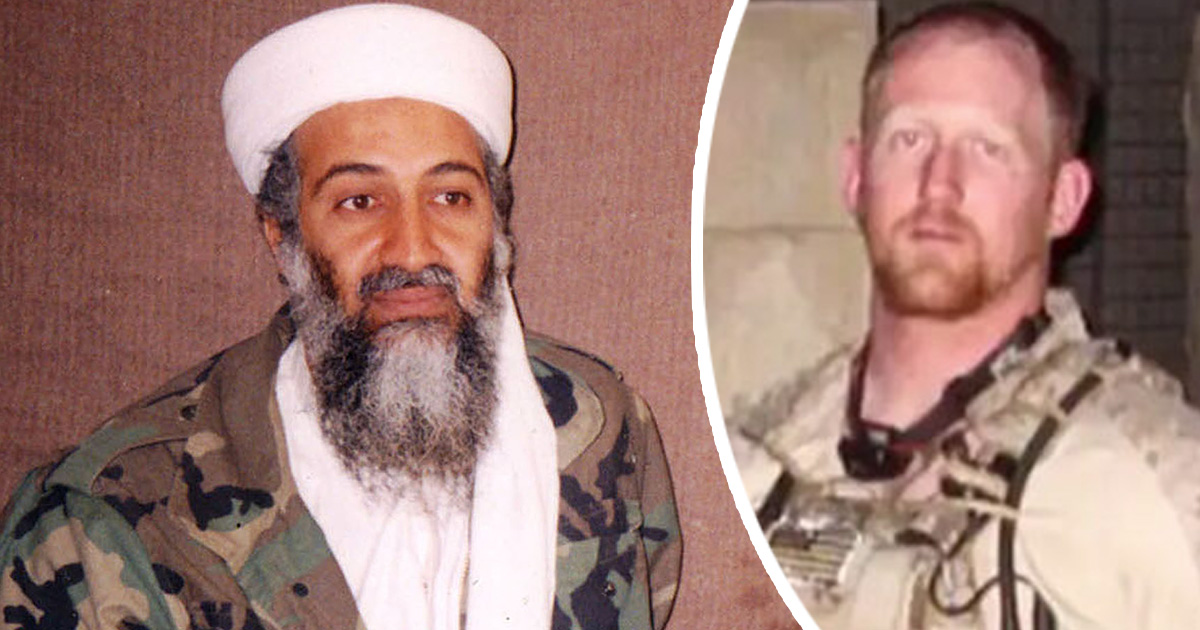
On the night of May 1 and into the early hours of May 2, 2011, a team of elite U.S. Navy SEALs launched Operation Neptune Spear, the military mission that would ultimately result in the death of Osama bin Laden, the infamous leader of al Qaeda and the mastermind behind the September 11, 2001 attacks. The raid on bin Laden’s compound in Abbottabad, Pakistan, ended a decade-long manhunt that had captured the world’s attention and dramatically influenced global security priorities.
Prelude to the Raid: Bin Laden’s Life in Hiding
Osama bin Laden spent his last years secluded in a heavily fortified compound. He lived with several family members, including his youngest wife, Amal al-Sadah, and a number of children. Security precautions in the compound were intense, with high walls, barbed wire, and limited communication with the outside world. Reports from The Guardian and other outlets have described how bin Laden avoided electronic devices to reduce the risk of detection, relying instead on trusted couriers. This cautious lifestyle reflected his escape from continuous surveillance by U.S. intelligence agencies, who, after years of investigation and monitoring, finally tracked his courier to the Abbottabad residence.
Amal al-Sadah, bin Laden’s fourth and youngest wife, lived with him in the compound and would later recount the harrowing events that unfolded during the final moments of bin Laden’s life to international media. Her recollections have added a deeply personal layer to the historical narrative.
Operation Neptune Spear: The Mission’s Objectives
Operation Neptune Spear was meticulously planned by U.S. military and intelligence officials, with President Barack Obama ultimately approving the mission. Admiral William McRaven, then commander of Joint Special Operations Command, led the operation, which included SEAL Team Six, a group trained for high-risk counterterrorism missions.
The mission was considered highly dangerous, not only due to the target’s renown and potential for resistance, but also because it was carried out on Pakistani soil without the express consent of the Pakistani government. According to Reuters, there were significant political and diplomatic risks involved, as well as concern about the possibility of Pakistani military or law enforcement intervention.
Robert O’Neill, a member of SEAL Team Six, later described the gravity of the assignment in an interview with the New York Post. He observed that the mission felt “one-way,” with team members prepared to face fatal consequences. Orders from President Obama emphasized that the team should be ready to respond with overwhelming force and that surrendering to Pakistani authorities was not an option.
The Raid Unfolds: Navy SEALs Enter Bin Laden’s Compound
The SEALs approached the compound in stealth helicopters, breaching its defenses shortly after midnight. Explosions and gunfire shattered the early morning silence, waking the compound’s residents. Bin Laden’s daughter, Maryam, ran upstairs to her father’s bedroom, where Amal was also present.
The SEALs systematically searched room after room. O’Neill recounted seeing figures behind a curtain, fearing suicide bombers may hide within. However, it turned out that these figures were bin Laden’s wives. The first SEAL to enter the bedroom pushed Amal away out of suspicion, while another SEAL shot her in the leg, an action that caused her to collapse beside the bed.
The confrontation with bin Laden was brief and intense. O’Neill, upon entering the room, recognized bin Laden immediately by his distinctive appearance. With bin Laden’s hands on Amal’s shoulders and concern they may be preparing an explosive device, the SEALs responded swiftly. Bin Laden offered no resistance, according to Time magazine. He was killed with two shots to the chest and one to his head, a procedure described as “double tap.” The mission, lasting only minutes, ended with bin Laden’s death.
The Aftermath: Immediate Impact on the Family
Amal al-Sadah, gravely injured in the leg, played dead as the SEALs confirmed their target. The bedroom, now chaotic, saw bin Laden’s two-year-old son Hussein witnessing the violence. O’Neill, himself a father, later reflected on the trauma this might have caused, questioning why such a young child had to see these events unfold. The psychological effect on bin Laden’s surviving children and wives has been documented by journalists and psychologists, including analysis from the BBC, who interviewed family members after their repatriation to their countries of origin.
Within the compound, the SEALs found cash sewn into bin Laden’s clothing and two phones, indicating he remained prepared for emergency escape or final communication. Despite these precautions, he was unable to evade the heavily armed American forces.
Amal al-Sadah’s Account: Bin Laden’s Final Words
Years later, Amal shared her experiences with the media. In a 2017 interview with the Mirror, she described waking to the thunder of helicopters overhead and the walls shaking. Bin Laden, aware of impending danger, instructed his wives to go downstairs, telling them, “they want me, not you.” However, Amal and their young son Hussein remained upstairs.
When bin Laden’s daughter Maryam entered the bedroom amidst the chaos, he told her to return downstairs and go back to bed. Turning to Amal, he instructed, “Don’t turn on the light,” moments before the SEALs entered. Amal was shot in the leg and recounted playing dead as American forces confirmed her husband’s identity and fate.
Amal’s account serves as a rare window into bin Laden’s last moments, lending insight to historians and readers seeking factual, firsthand details.
Global Reaction and Historical Significance
The killing of Osama bin Laden was reported globally within hours of the event. The U.S. government announced his death on May 2, and President Obama addressed the nation, stating that justice had been served. International reactions ranged from relief to concern over potential repercussions. Many world leaders welcomed the news, while others worried about retaliatory actions from al Qaeda or its affiliates.
The Pakistani government faced scrutiny for its inability to detect bin Laden’s presence on its soil. This strained U.S.-Pakistan relations, challenging diplomatic ties and leading to increased calls for accountability within Pakistan. Media outlets including Al Jazeera provided extensive coverage and analysis, examining both regional and global implications.
The raid became a significant political moment in the United States. While most American leaders praised the operation, some raised questions about the legality and morality of targeted killings. The operation remains a subject of debate among military, legal, and academic experts.
Expert Views and Legacy
Military analysts agree that the raid was a tactical success, exemplifying the effectiveness of U.S. special operations forces. Admiral William McRaven and CIA officials have described Operation Neptune Spear as the culmination of years of intelligence gathering. According to BBC News, the planning required meticulous coordination between multiple intelligence and military agencies, along with rigorous risk assessment.
Ethical debates have arisen as well, especially concerning civilian casualties, sovereignty, and differing interpretations of international law. Nonetheless, the mission has been credited with significantly weakening al Qaeda’s operational capabilities. The raid’s legacy includes changes in counterterrorism strategy, increased cooperation between nations, and heightened security protocols in the United States and abroad.
For many, bin Laden’s death represented the symbolic closure of a chapter defined by terror and uncertainty after September 11. Survivors of attacks perpetrated by al Qaeda and members of the global public, as reported by Reuters, mourned the lives lost and expressed hope for a safer future.
Conclusion
The May 2, 2011, raid on Osama bin Laden’s Abbottabad compound remains one of the most consequential actions in modern military history. With its complex planning and execution, personal accounts from both SEAL Team Six and bin Laden’s family have humanized a moment of geopolitical significance. Amal al-Sadah’s recollection of bin Laden’s final words further deepens the historical record, providing details previously unknown to the public. The operation’s impact extended far beyond the compound: it reshaped international relations, influenced counterterrorism policies, and left an indelible mark on families directly affected by terrorism.
Debate continues about the legacy of the raid, the ethics of targeted killings, and the challenges of balancing security with humanitarian values. Through factual reporting and diverse perspectives, the world continues to analyze this pivotal event.
Further Reading
- Navy SEAL who killed Osama Bin Laden shares his one big regret 15 years later
- US Navy SEAL who killed Bin Laden reveals chilling code-word to be used moments after the terrorist was dead
Sources
- Reuters – Bin Laden’s death and the aftermath
- BBC – Bin Laden family interviews
- The Guardian – Bin Laden’s life in hiding
- Time Magazine – Eyewitness accounts of the raid
- New York Post – SEAL Team Six reflections
- Al Jazeera – International and regional reactions
Disclaimer: This content is intended for entertainment purposes only and is not based on real events.