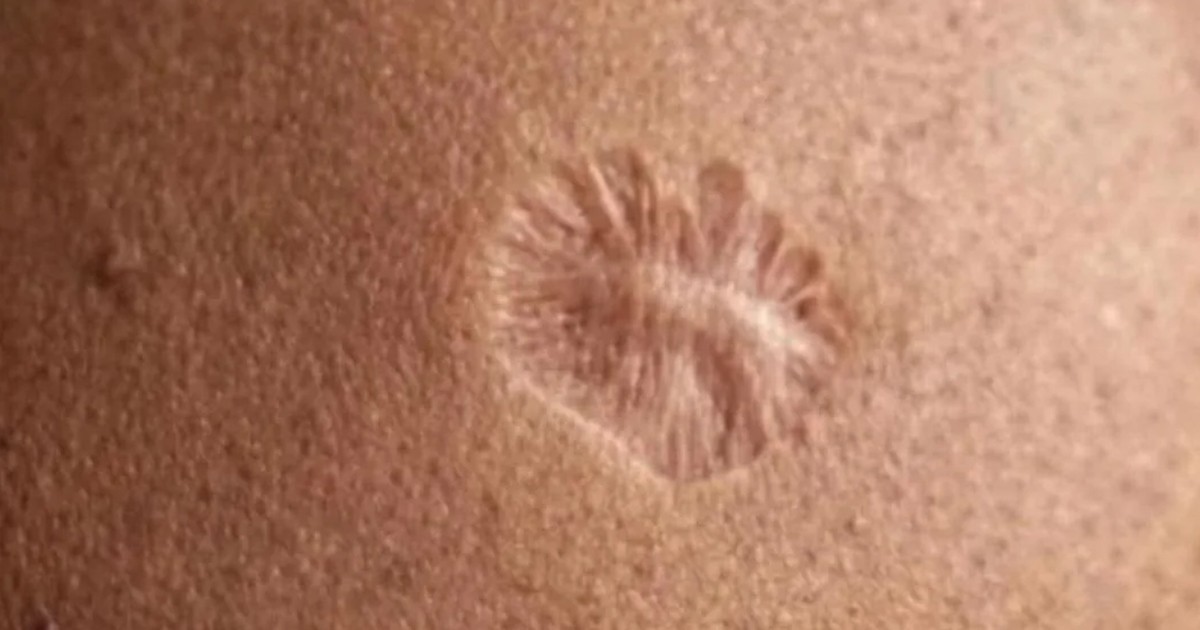
The Smallpox Vaccine Scar: A Mark of Medical History
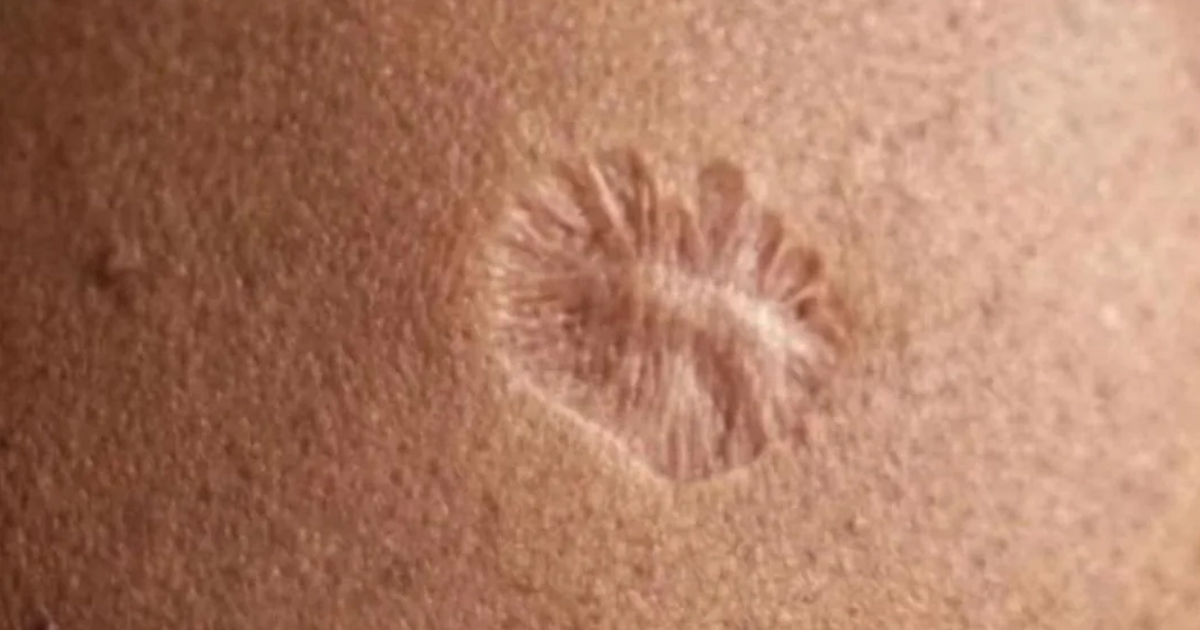
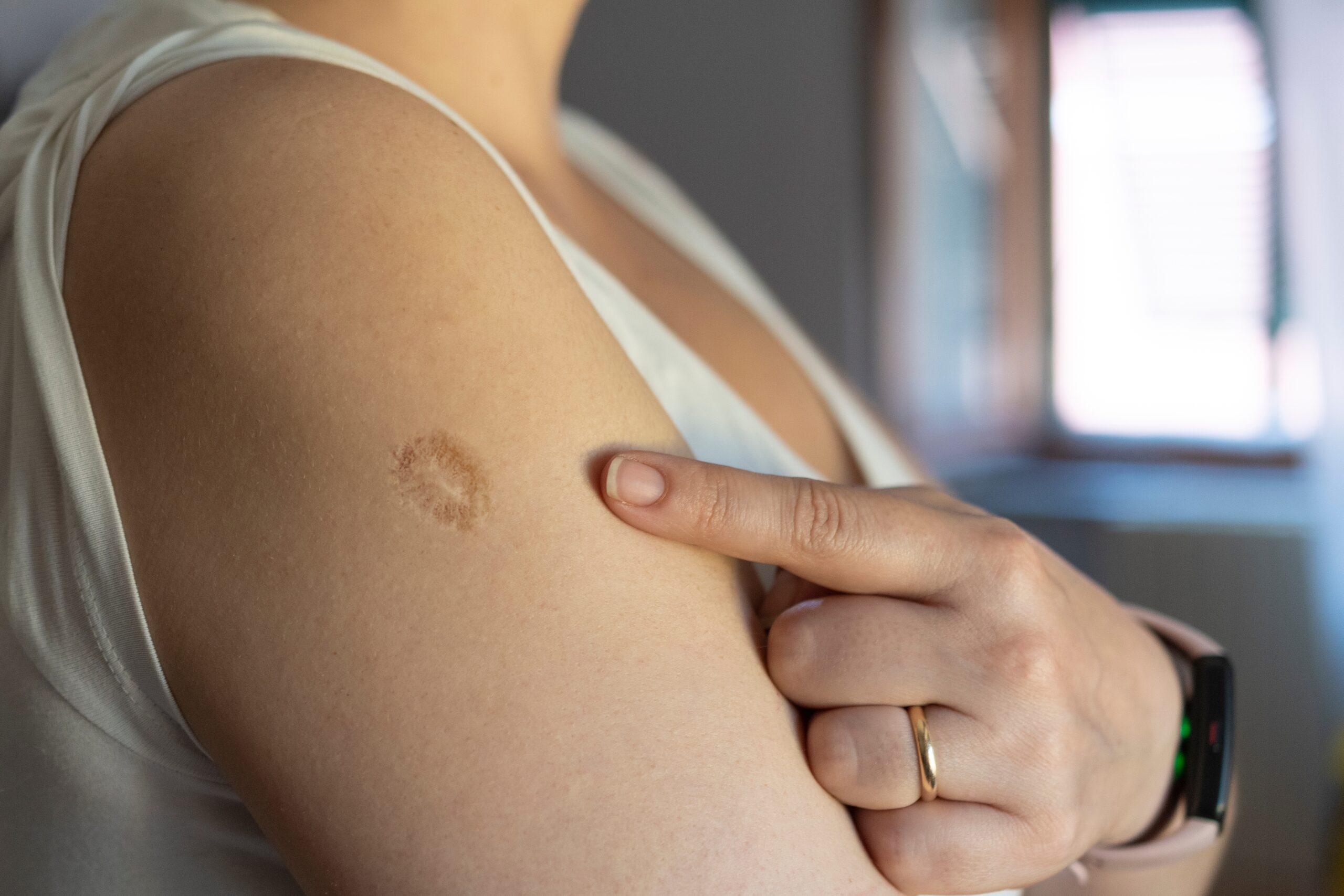
If you belong to a certain generation, you may have noticed a small, circular scar high on your upper arm — a subtle but permanent reminder of a medical procedure from decades past. This easily recognizable indentation has sparked curiosity for many, often leading people to ask: What caused it? Why do so many people have the same scar?
Personal Encounters: A Common Mark Among Generations
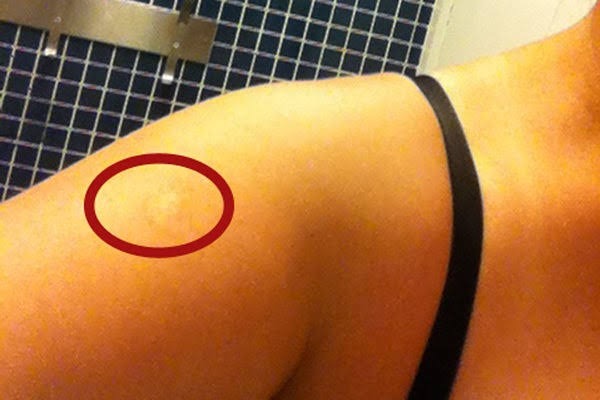
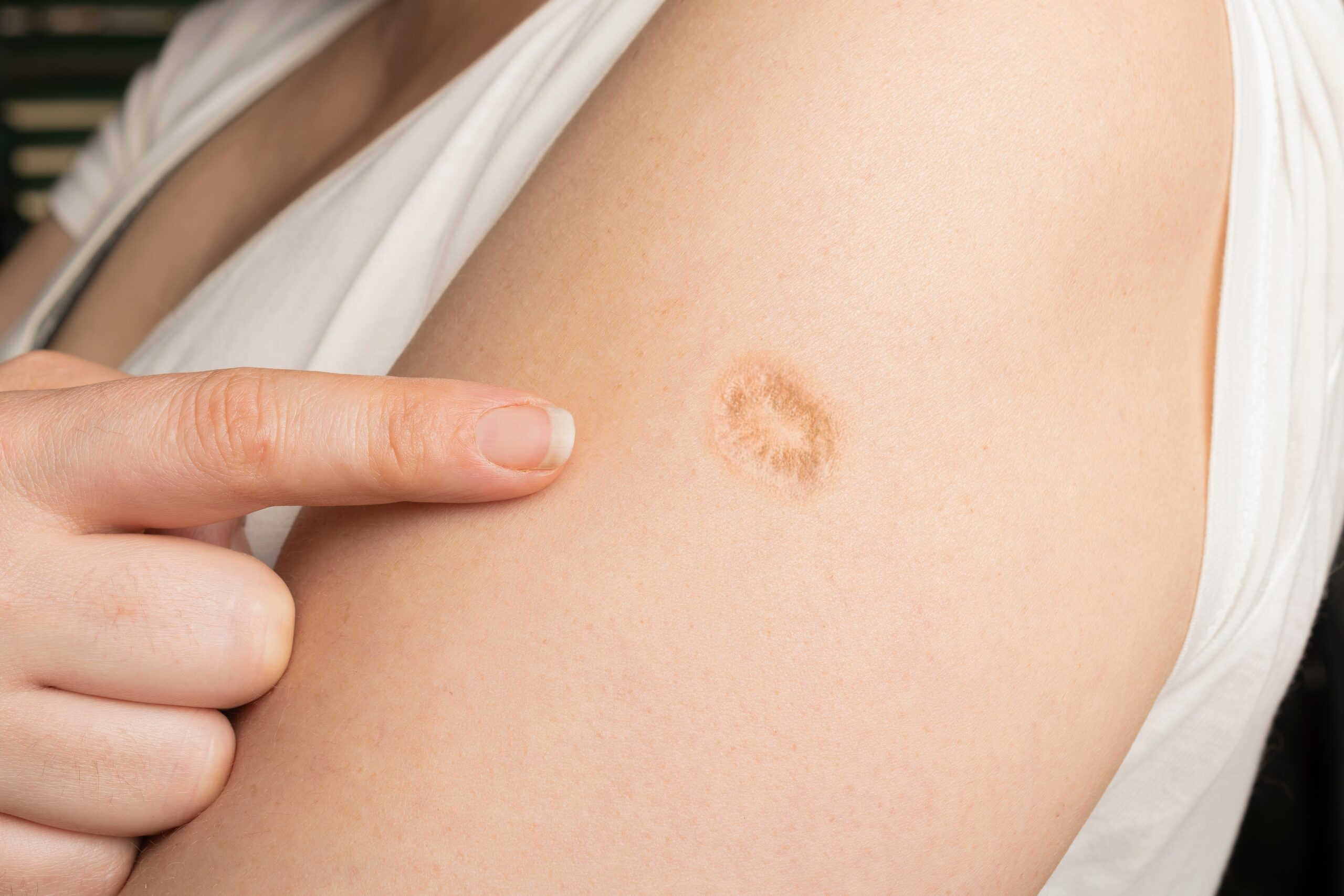
For many people, the scar has always been there. Memories often begin in childhood, noticing the mark on a parent’s arm — a faint, ring-shaped scar, surrounded by tiny indentations and a slightly larger dip in the center. The curiosity about the mark is almost universal, and it has become a topic of conversation in households and online communities alike.
The fascination often returns when the same scar is noticed on someone else — perhaps an elderly stranger or a relative. A phone call to a parent or grandparent usually leads to the same answer: “That’s from the smallpox vaccine.” For millions around the world, this small mark ties them to a major chapter in global health history.
A Viral Curiosity: The Online Conversation
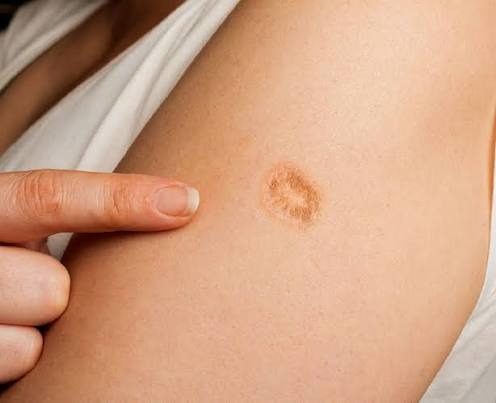
In recent years, old vaccine scars have attracted renewed attention online. People on social media platforms have shared images of their own scars and asked about their origins. Some viral posts have wondered aloud, “Can anyone explain why so many people have this kind of mark?” or “Why does this old vaccine leave a permanent circular scar? Can you explain the science?”
The answer leads back to a remarkable story of medical discovery, global cooperation, and an ambitious campaign to rid the world of a terrible disease.
The Science Behind the Smallpox Vaccine Scar
The story of the smallpox vaccine scar begins not with the disease itself, but with how the vaccine was administered. Unlike most modern vaccines, which use a single fine needle, the smallpox vaccine involved a specialized instrument called a bifurcated (two-pronged) needle. Health care workers would use this device to make multiple tiny punctures in the skin, usually on the upper arm.
This method, known as scarification, allowed the vaccinia virus (used in the smallpox vaccine) to enter the dermis, the layer just beneath the surface of the skin. The immune system would respond locally at the injection site, causing a raised bump to appear. Over several days, the bump would develop into a blister that filled with fluid. The blister would later burst, scab over, and ultimately leave behind a characteristic scar: a round mark often bordered by a series of tiny indentations.
This visible scar is a testament to a successful immune response — clear evidence that the body developed immunity against smallpox. For those who received the vaccine, the mark persists as a lifelong badge, often serving as a point of connection with others from the same era.
Not Always Smallpox: Similar Scars Around the World
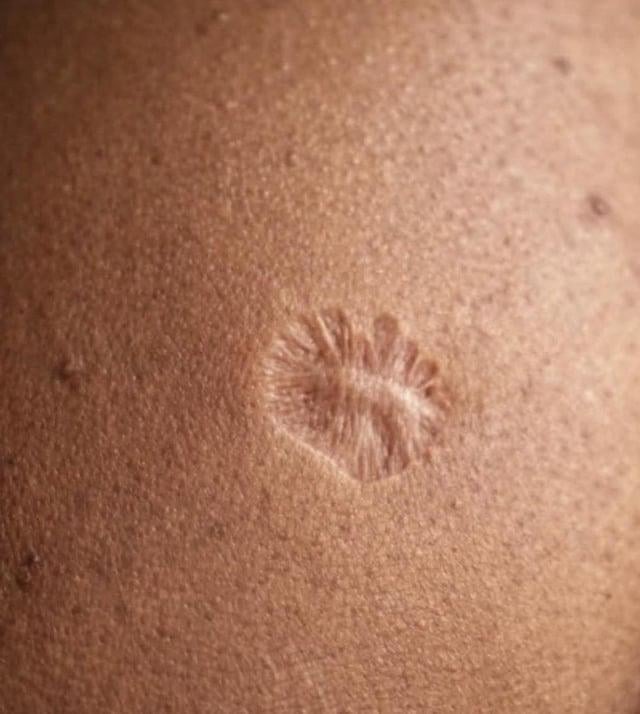
It’s important to note that not all vaccination scars are the same or come from the smallpox vaccine. In several countries, especially in Asia and Africa, another vaccine called Bacillus Calmette-Guérin (BCG) is given to prevent tuberculosis (TB). This vaccine, administered in a different way, can also leave a scar — usually smaller and more superficial than the smallpox vaccine scar. Determining the exact origin of a vaccination mark sometimes depends on a person’s country of birth, year of immunization, and local public health policies.

The Threat of Smallpox: A Deadly Disease
Smallpox was once among the world’s most feared infectious diseases. Caused by the variola virus, it led to a high fever, severe skin rash, and, in many cases, permanent scarring or death. Historical records and images show that a significant portion of those who survived smallpox bore deep, lifelong scars. According to the U.S. Centers for Disease Control and Prevention (CDC), about 30% — or three out of every ten — people who contracted smallpox did not survive.
Today, it is difficult to comprehend the fear and suffering caused by smallpox. The disease was responsible for millions of deaths worldwide and at times contributed to major societal disruptions. Its impact was so widespread that smallpox features prominently in the historical record, from ancient Egyptian mummies to the diaries of heads of state.
The Invention of Vaccination: Edward Jenner’s Legacy
The story of smallpox prevention begins in the late 18th century with the pioneering work of Edward Jenner, an English physician. In 1796, Jenner discovered that milkmaids who had contracted the mild disease cowpox seemed immune to smallpox. Building on this observation, he performed the world’s first documented vaccination — introducing cowpox material to a human subject to provoke immunity.
This breakthrough laid the foundation for the concept of vaccination. The technique was adopted rapidly across Europe and then the world, leading to dramatic reductions in smallpox cases wherever it was practiced.
The World Fights Back: The Global Eradication Campaign
By the mid-20th century, smallpox had become rare in some wealthy countries, but outbreaks still occurred elsewhere. In 1967, the World Health Organization (WHO) coordinated a massive worldwide effort to eradicate smallpox. The campaign relied on vaccination teams visiting the most remote communities, innovative strategies for outbreak containment, and international cooperation of an unprecedented scale.
Critical to the success of this campaign was the widespread use of the bifurcated needle, which was affordable, simple to use, and effective in delivering the vaccine. Volunteers and public health workers — sometimes at great personal risk — traveled to urban slums, rural villages, and refugee camps to ensure that as many people as possible received the vaccine.
By 1980, after years of relentless effort and surveillance, the WHO officially declared smallpox eradicated. This was the first — and remains the only — human disease to be eliminated from the planet through vaccination. The eradication of smallpox is widely recognized as one of the greatest achievements in the history of public health and science.
The End of Routine Smallpox Vaccination
With smallpox eradicated, routine vaccination was no longer necessary. In the United States, public health authorities ended vaccinations for the general population in the early 1970s, although certain groups (such as military personnel or laboratory workers handling orthopoxviruses) continued to receive it for some years. Other countries phased out smallpox vaccination at various times, depending on their risk assessments and international guidelines.
As a result, most people born after vaccination ended do not have the distinctive scar. Today, the smallpox vaccine is reserved for specific high-risk scenarios: for example, in response to a bioterrorism event, or for researchers working with related viruses.
What the Scar Means Today: A Personal and Public Symbol
The smallpox vaccine scar is more than just a mark on the skin; it is an emblem of global solidarity and scientific progress. For those who bear it — often people now in their 50s, 60s, or older — it represents a time when nearly everyone faced the threat of smallpox, and vaccination was both a personal health measure and a collective responsibility.
Across the globe, families sometimes share stories about lining up at makeshift clinics for their turn with the distinctive bifurcated needle. The scar is a conversation starter, connecting generations and providing an entry point into discussions about the importance of vaccination, public health, and the power of scientific discovery.
With the emergence of new diseases and the continued need for mass immunization campaigns — such as those for polio, measles, influenza, and most recently COVID-19 — the smallpox vaccine campaign continues to serve as a model for what coordinated international action can achieve.
Expert Perspectives: The Lasting Legacy of the Smallpox Campaign

Modern public health experts often refer to the smallpox eradication effort as proof that challenging global health problems can be solved through science, investment, and societal cooperation. The campaign pioneered many practices now central to disease control, such as surveillance, ring vaccination (targeting contacts of infected individuals), and the mobilization of local and international resources.
Today, the legacy of smallpox eradication continues to inform and inspire new generations of researchers, epidemiologists, and community health workers. The accomplishment underscores not only the power of vaccines but also the value of collective human action against shared threats.
International Reactions and Cultural Significance
The response to the eradication of smallpox was remarkably positive worldwide. Nations, regardless of wealth or politics, celebrated the end of a centuries-old scourge. Medical journals, world leaders, and even cultural institutions recognized the achievement, commemorating it in books, documentaries, and exhibits.
For individuals and societies, the smallpox vaccine scar remains part of a living history — an understated but powerful reminder of both vulnerability and resilience. Whether noticed on a loved one or a stranger, the ring-shaped mark serves as a silent witness to one of humanity’s greatest triumphs over disease.
Conclusion: A Story Etched in Skin and History
While you may not think often about the small, circular scar on your or a loved one’s upper arm, it represents something remarkable: the defeat of one of history’s most terrifying diseases through science, determination, and global partnership. The scar is a physical link to a time when public health efforts changed the world, saving millions of lives and setting the stage for future victories against disease. Its quiet presence is a powerful reminder — sometimes the smallest marks tell the biggest stories.
Sources
- World Health Organization – Smallpox Fact Sheet
- CDC – Smallpox Diseases & Vaccination
- BBC News – Smallpox Eradication: 40 Years On
- Reuters – Factbox: Smallpox Eradication
- The Guardian – The Legacy of Smallpox Eradication
- Mayo Clinic – Smallpox: Symptoms and Causes
Disclaimer: This content is intended for entertainment purposes only and is not based on real events.