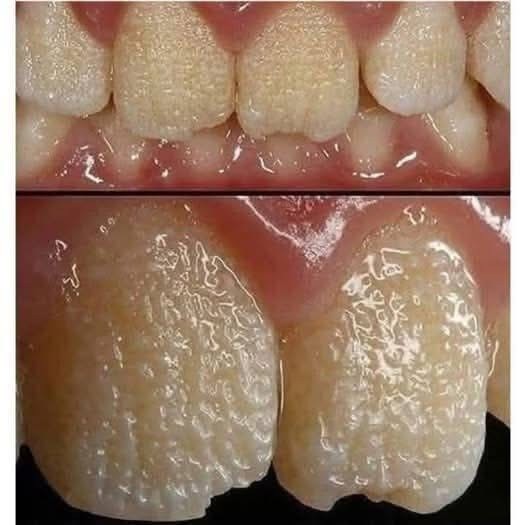
Dental health is a crucial component of overall well-being, affecting everything from nutrition to self-confidence. While cavities, gum disease, and tooth sensitivity are common concerns, there exists a rare condition that can cause significant lifelong challenges for those affected—Amelogenesis Imperfecta (AI). This genetic disorder disrupts the normal development of tooth enamel, leading to a range of dental problems that require specialized care and awareness. Understanding AI can help patients, caregivers, and dental professionals recognize its unique features, appreciate the importance of timely intervention, and explore the scientific roots of this rare anomaly.
What is Amelogenesis Imperfecta?
Amelogenesis Imperfecta is a collective term for a group of hereditary disorders that specifically affect the formation and maturation of dental enamel. Enamel is the hardest substance in the human body, serving as the outer protective coating of each tooth. It prevents physical damage, shields sensitive inner layers from temperature extremes, and acts as a barrier against bacteria that cause decay.
In those with AI, mutations in certain genes negatively influence the way enamel is formed during tooth development. This can result in enamel that is thin, soft, discolored, pitted, grooved, or even entirely absent in severe cases. The condition is not related to poor oral hygiene, nutrition, or environmental factors—its origins are purely genetic. AI is rare, with prevalence estimated between 1 in 700 and 1 in 14,000, depending on the population studied. Its effects are visible in both the primary (baby) and permanent (adult) teeth.
Types of Amelogenesis Imperfecta
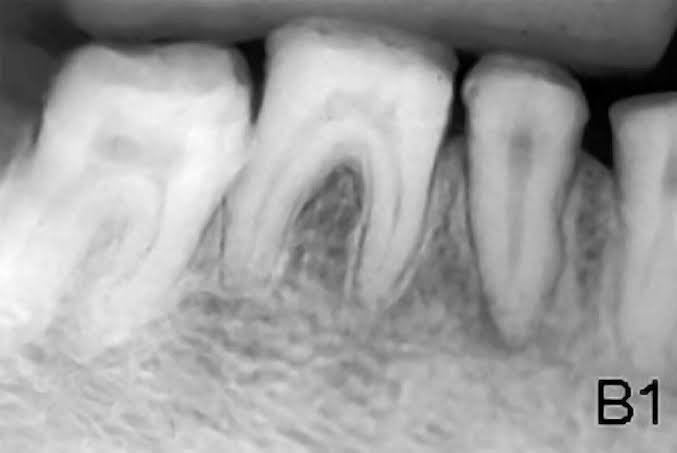
AI is classified into several subtypes based on distinct clinical and radiographic features. The main types include:
- Hypoplastic AI: The enamel is well mineralized but too thin or absent in spots, resulting in small, misshapen teeth with grooves, pits, or a rough surface.
- Hypomaturation AI: Enamel is of normal thickness but lacks proper hardness, appearing mottled, opaque, and prone to chipping.
- Hypocalcified AI: The enamel is of normal thickness when teeth erupt but is very soft and quickly wears down, often appearing yellow or brown.
- Combined Types: Some cases may show overlapping features of two or more main categories.
The variability in appearance can sometimes make it difficult to diagnose AI, particularly in mild forms. However, the inheritance patterns—in most cases, autosomal dominant or recessive—are key diagnostic clues.
Genetic Causes and Inheritance
The genetic basis of Amelogenesis Imperfecta is complex. Mutations in several different genes have been identified, including AMELX (amelogenin), ENAM (enamelin), MMP20 (matrix metalloproteinase-20), and KLK4 (kallikrein-4). These genes encode proteins essential for the normal process of enamel formation—known as amelogenesis.
Inheritance can follow autosomal dominant, autosomal recessive, or X-linked patterns. This means that AI can occur when a child inherits a single altered gene from one parent, from both parents, or specifically from the mother if the gene is located on the X chromosome. In some cases, families may report multiple individuals affected across generations, highlighting the genetic underpinning.
Clinical Features and Symptoms
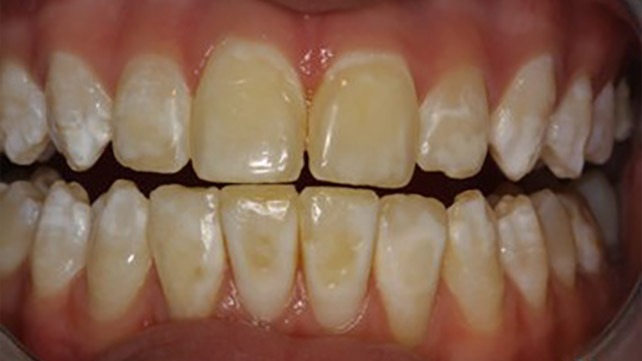
Individuals with AI may notice a distinctive appearance of their teeth from an early age. Common signs and symptoms include:
- Discoloration: Teeth may appear yellow, brown, grey, or even have a translucent look. Regular brushing does not change these stains, as they are intrinsic to the enamel defect.
- Texture and Shape: Enamel can be rough, pitted, grooved, or uneven. In some types, enamel is so thin that underlying dentin shows through, giving teeth an unusual sheen or color.
- Sensitivity: Hypersensitivity to hot, cold, or sweet foods and beverages is common due to exposure of the sensitive inner tooth layers.
- Rapid Wear and Breaking: Teeth may quickly wear down, chip, or fracture under normal use. Chewing can be painful, and biting into hard foods may seem risky.
- Cavities: The lack of robust enamel makes teeth more vulnerable to bacteria and decay, despite good oral hygiene.
- Esthetic Concerns: The unusual appearance can lead to self-esteem issues, especially among adolescents and young adults.
Diagnosis of Amelogenesis Imperfecta
Diagnosing AI begins with a thorough dental examination, family history, and radiographic (X-ray) imaging. Dentists look for characteristic patterns of enamel defects, review the patient’s dental history for early onset, and assess whether similar issues are present in close relatives. Differential diagnosis to rule out other enamel-affecting conditions—such as fluorosis, environmental toxins, or medical disorders—is critical.
Genetic testing is increasingly available and may confirm the presence of specific gene mutations associated with AI. Identifying the exact genetic cause helps in family counseling, understanding recurrence risk, and guiding treatment strategies. Occasionally, a biopsy of tooth enamel may be performed for research or complex cases.
Management and Treatment Options
While no cure currently exists for AI, comprehensive dental care can greatly improve oral function, health, and appearance. The treatment plan is always customized, taking into account the patient’s age, subtype of AI, degree of enamel loss, and personal preferences. Management typically includes:
- Preventive Care: Regular dental check-ups, meticulous oral hygiene, fluoride treatments, and sealants to protect teeth from decay and sensitivity.
- Restorative Dentistry: Dental bonding, crowns, veneers, or onlays may be used to rebuild teeth, restore function, and mask discoloration.
- Pediatric and Orthodontic Interventions: In children, space maintainers and interceptive orthodontics can help manage malocclusions or bite issues that can develop due to abnormal tooth anatomy.
- Desensitizing Agents: Special toothpastes or gels may help reduce pain from temperature sensitivity.
- Team-based Care: Collaboration between general dentists, pediatric dentists, orthodontists, and prosthodontists is essential for complex cases, especially for children as their jaws and teeth develop.
- Psychological Support: Counseling and support groups may benefit individuals experiencing emotional or self-esteem challenges related to the appearance of their teeth.
Timely intervention is crucial for preserving tooth structure and maximizing quality of life.
Current Research and Future Directions
Advances in genetic research are enhancing our understanding of Amelogenesis Imperfecta. Studies are exploring gene editing, stem cell therapies, and bioengineered materials that could one day provide definitive treatments, rather than only managing symptoms. The development of tailor-made dental materials for AI patients is also a growing research area.
International collaborations, patient registries, and genetic databases are expanding knowledge about the many forms of AI, paving the way for improved diagnostics, family counseling, and public awareness. There is also encouraging progress in reducing the stigma associated with visible dental differences through education and advocacy.
Living with Amelogenesis Imperfecta
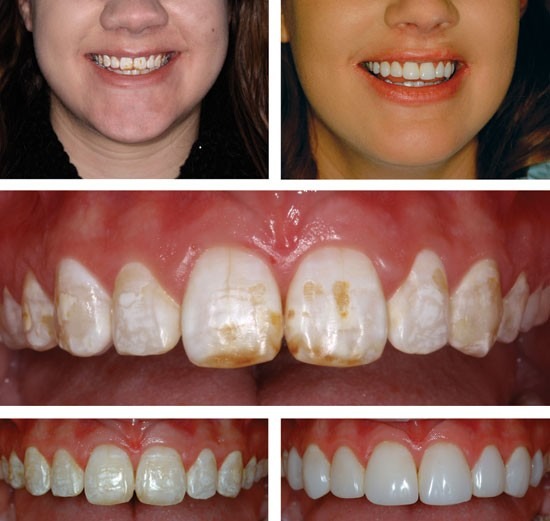
Living with AI requires a lifelong partnership between patients and dental professionals. Early diagnosis, proactive dental care, and emotional support can help individuals maintain optimal oral health and confidence. Regular monitoring allows for the timely repair or replacement of dental restorations, which may wear out more quickly in people with AI.
Advocacy organizations, online support communities, and awareness campaigns are helping families share experiences, find expert care, and stay updated on the latest research. Increased public knowledge about rare genetic conditions, including AI, can lead to better social acceptance and health outcomes.
Conclusion
Amelogenesis Imperfecta is a rare but impactful genetic disorder that disrupts the protective enamel layer, exposing teeth to a lifetime of challenges. Armed with scientific understanding, early detection, and expert dental intervention, those affected by AI can enjoy a healthy, confident smile. Ongoing research promises new solutions in the future, offering hope for even better care and quality of life.
Sources
- Centers for Disease Control and Prevention (CDC)
- Mayo Clinic
- British Dental Journal
- National Center for Biotechnology Information (NCBI)
- American Association of Endodontists
- National Health Service (NHS)
Disclaimer: This content is intended for entertainment purposes only and is not based on real events.