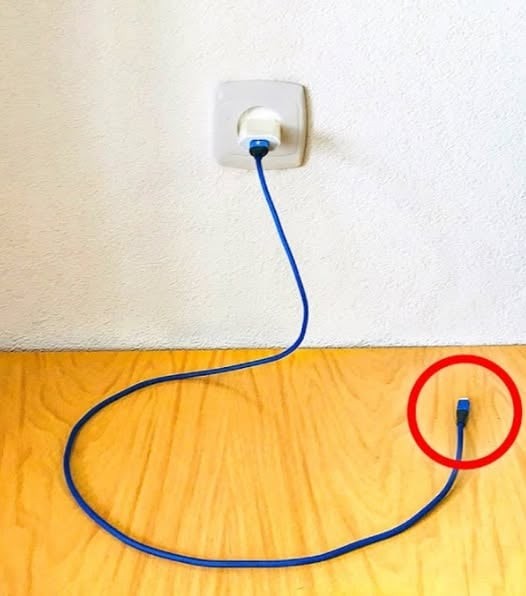
Chargers for phones, tablets, and other devices are a common sight in homes and workplaces. It is routine for many people to leave chargers plugged into the wall, even when they aren’t actively charging a device. While this habit may seem harmless, research and expert opinion suggest that leaving chargers unattended can present several risks. This article provides a comprehensive analysis of why chargers should not be left plugged in when not in use, examining the potential hazards, underlying electrical science, and recommended safety practices.
How Chargers Work and Why They Draw Power
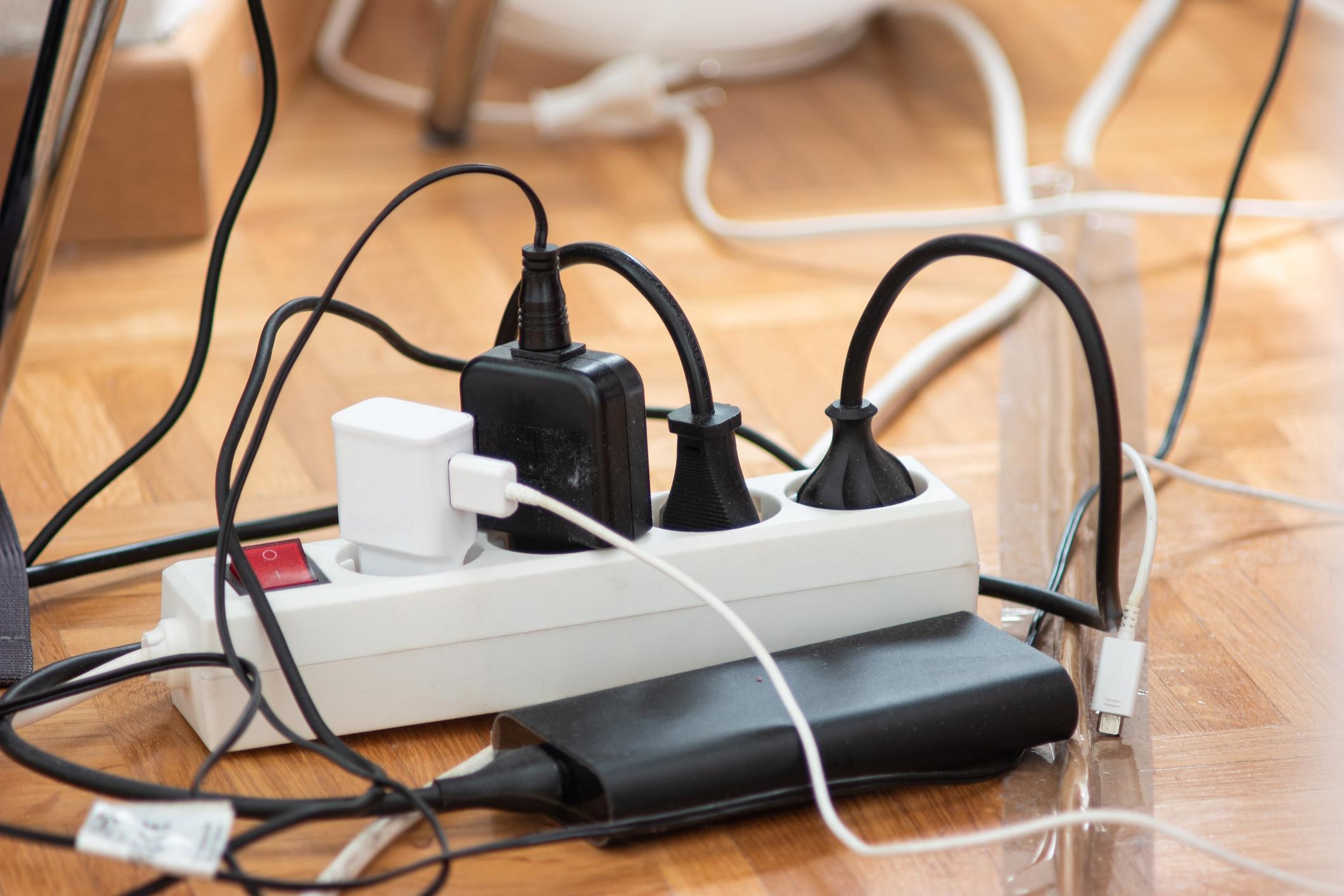
Chargers are designed to convert electrical energy from a wall outlet into the appropriate voltage for devices. Even when a charger is not connected to a phone or tablet, it typically continues to draw a minimal amount of power. This is known as “standby” or “vampire” power. According to the U.S. Department of Energy, standby devices across homes cumulatively can account for several percent of household energy consumption annually.
While the amount of power drawn by an idle charger is small—usually less than 0.5 watts—over time this adds up. Besides energy waste, this continuous operation gradually stresses the internal circuitry of the charger, especially if it is not built to high-quality standards.
Internal Component Degradation
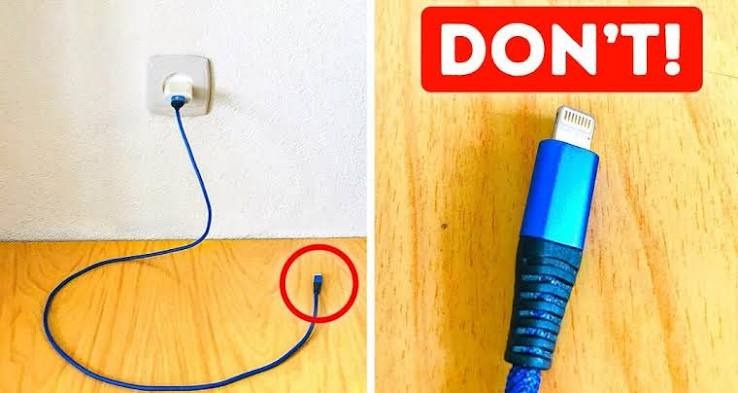
Chargers contain capacitors, resistors, insulation materials, and circuit boards. When they remain plugged in, these components are subjected to steady electrical flow and heat, which can cause gradual degradation. Over months or years, insulation inside the charger can become brittle; solder joints may weaken; and minor faults or cracks can form without obvious external signs.
Expert sources, such as engineers interviewed by the BBC and Consumer Reports, note that aging components increase the chance of malfunction, especially during a sudden power surge or if the charger is subjected to physical strain.
Potential Hazards: Overheating, Fire, and Electrical Damage
One of the most serious risks associated with leaving chargers plugged in is overheating. If components inside are compromised due to age, or if the charger is of low quality, the charger may overheat. Combined with a power surge or a loose wall outlet, this overheating can lead to sparks or, in rare cases, fire. While such instances are uncommon, both the U.S. Consumer Product Safety Commission and Health Canada have recorded cases of electrical fires linked to chargers left unattended.
Physical Damage and Everyday Wear
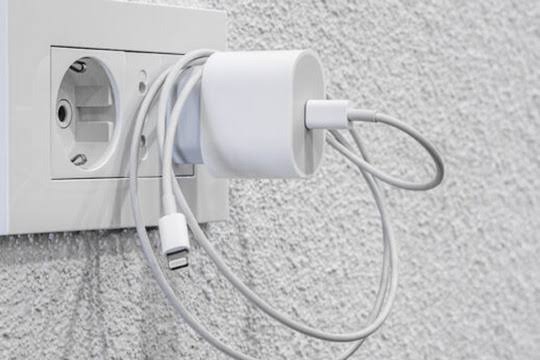
Chargers and cords left plugged in are exposed to risks beyond electrical issues. Children may pull on cords while playing, pets may chew plastic coverings, and everyday activities can result in the charger being yanked out incorrectly. These seemingly minor actions can weaken the plug, cable, or Charger casing. Over time, physical damage compromises safety, increasing chances of short circuits or sparks.
The European Safety Standards identify damaged cables and cracked housings as risk factors for electric shock and fire. It is recommended to inspect your chargers regularly for any signs of wear and replace them promptly if damage is found.
Energy Conservation and Environmental Impact
Beyond safety, leaving chargers plugged in affects energy conservation efforts. According to the International Energy Agency, reducing standby power in households represents a simple way to lower electricity usage and carbon emissions globally. Unplugging chargers when not in use not only saves money on bills but also contributes to collective environmental responsibility.
Expert Recommendations and Best Practices
Electrical safety professionals advise several simple steps to mitigate risks:
- Unplug chargers when not in use. This prevents electrical wear, overheating and saves energy.
- Use high-quality, certified chargers. Cheaper, uncertified chargers are more prone to faults and lack safety features like thermal protection.
- Inspect chargers and cables regularly. Look for frayed cords, cracked plugs, or scorch marks. Replace damaged chargers immediately.
- Organize outlets and cords. Keeping charging areas tidy reduces accidental tugs, trips, and tangles that damage devices.
- Install surge protectors. These protect chargers and devices from unpredictable power spikes which can damage internal components.
International Standards and Regulations
Regulatory authorities worldwide set standards for charger safety. The Underwriters Laboratories (UL) and similar organizations in Europe and Asia test chargers for compliance with electrical and fire safety standards. Certified chargers include safety labels such as UL Mark or CE, which indicate they have passed necessary tests. Despite this, counterfeit chargers are common in the market and often lack proper safeguards, increasing risk when left plugged in. Authorities advise only buying chargers from reputable retailers and checking for certification.
Case Studies and Real-World Incidents
Several cases highlight the risks posed by leaving chargers unattended. In 2020, the U.K. Fire and Rescue Service reported a house fire caused by a faulty charger left plugged in overnight. Investigation found that the charger had degraded internally, sparking during a power surge. The National Fire Protection Association (NFPA) notes that electrical malfunction is a leading cause of home fires, although chargers are a small subset of the devices implicated.
While such incidents are rare, the consequences can be severe. The Consumer Product Safety Commission suggests that only certified chargers be used and recommends unplugging them as a best practice.
Public Awareness and Education
Many organizations engage in public campaigns to raise awareness of electrical safety. For instance, the Electrical Safety Foundation International (ESFI) runs educational programs encouraging unplugging devices after use. These campaigns emphasize not only personal safety but also environmental responsibility, noting that small actions can have large cumulative effects.
Utility companies and consumer groups have also published guides on safe charging practices, reinforcing the importance of unplugging idle chargers, proper storage, and timely replacement of worn accessories.
Technological Advances: Smart Chargers and Home Monitoring
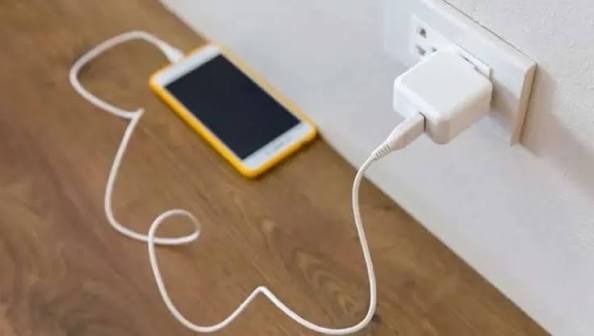
Advancements in charger technology are making it easier to manage electrical safety. Smart chargers now incorporate features that automatically cut power when no device is detected, reducing standby power and component wear. Home energy monitoring systems allow families to track consumption from standby devices and prompt behavior change.
However, not all homes have access to these solutions, and basic safety habits remain vital. Experts stress that regardless of new tech, unplugging chargers—and replacing damaged ones—should be routine.
Conclusion
Leaving phone and device chargers plugged in may seem convenient, but it poses several risks. Over time, internal parts degrade, increasing the likelihood of overheating and malfunction, especially during surges or physical stress. Chargers contribute to energy waste and environmental impact when left idle. By following simple best practices—unplugging when not in use, choosing quality devices, monitoring cables, and keeping outlets tidy—individuals can significantly reduce risk and contribute to household safety.
Sources
- Consumer Reports
- BBC
- U.S. Consumer Product Safety Commission
- National Fire Protection Association
- Energy Star (U.S. Department of Energy)
- Electrical Safety Foundation International
- International Electrotechnical Commission
- Health Canada
- International Energy Agency
Disclaimer: This content is intended for entertainment purposes only and is not based on real events.