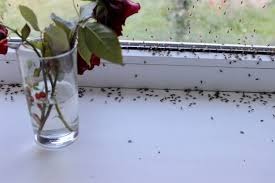
Windowsills often serve as the primary hotspot for insects inside a home. This occurrence is not random; it is influenced by several environmental and structural factors. Firstly, windowsills typically offer warmth due to sunlight exposure and indoor heating, which attracts insects seeking comfortable temperatures, especially during colder months. Light serves as a beacon for many species, further increasing their likelihood of gathering at these points. Additionally, windowsills often feature small gaps or cracks around frames and screens, acting as convenient entryways for insects seeking shelter.
Moisture buildup on or near windows also plays a significant role. Condensation resulting from temperature differences inside and out creates a humid environment that appeals to certain pests. Indoor lighting, too, is a well-known attractant, as it mimics outdoor cues insects use to navigate. As a result, windowsills become natural “landing zones” for a wide variety of insects, especially during seasonal transitions.
Common Insects Found on Windowsills
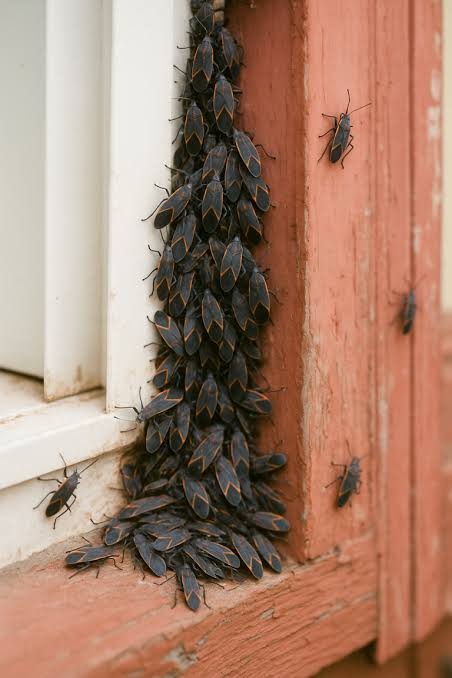
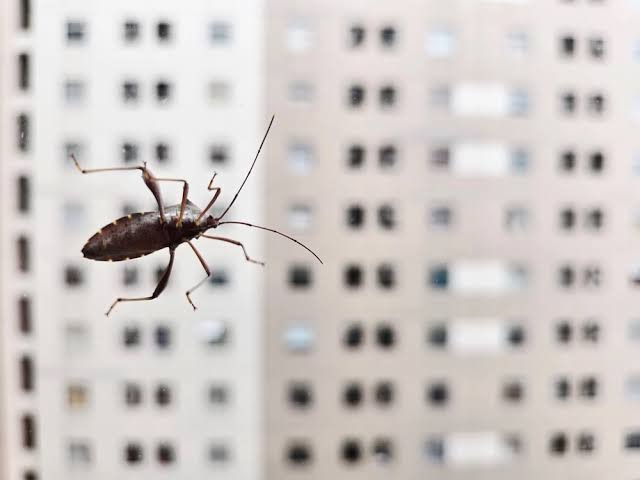
The most frequent visitors to windowsills are stink bugs and ladybugs. Both species seek warmth and protection during autumn and winter, often slipping through tiny cracks to overwinter indoors. Studies from entomologists at universities like Cornell and Purdue note that these bugs demonstrate particular behavioral patterns when searching for refuge — preferring south-facing windows and areas with strong natural or artificial light. Besides stink bugs and ladybugs, other insects such as ants, houseflies, and even spiders are commonly observed.
Stink bugs (family Pentatomidae) are especially persistent and can accumulate in large numbers. Ladybugs (Coccinellidae), although beneficial in gardens, can become a nuisance when they congregate indoors. Both types exploit structural vulnerabilities, underscoring the importance of routine maintenance.
The Science Behind Natural Repellent Sprays
To deal with window pests, homeowners increasingly turn to natural, do-it-yourself repellent sprays. Among the most popular and widely recommended are mixtures containing white vinegar, water, and essential oils such as peppermint, eucalyptus, or tea tree oil. This blend leverages both chemical and sensory deterrents.
The strong aroma of essential oils has proven effects on insect behavior. According to integrated pest management research from the Centers for Disease Control and Prevention (CDC), peppermint oil interferes with insects’ ability to detect food sources and shelter, while eucalyptus oil contains compounds (like eucalyptol) documented to repel a range of bugs. White vinegar, although not lethal to most insects, helps neutralize scents and can make surfaces less attractive or comfortable for pests.
DIY Recipe for Natural Insect Repellent Spray
The standard recipe for this natural spray is simple:
- 1 cup of water
- ½ cup of white vinegar
- 10–15 drops of essential oils (peppermint, eucalyptus, tea tree, or a combination)
These components are mixed thoroughly in a spray bottle. Before use, shake the bottle well to ensure the oils are evenly distributed. Application involves spraying along windowsills, corners, frame joints, and screens. Areas where insects typically hide or pass through should receive particular attention.
Effective Application Strategies
Proper application is crucial for maximizing effectiveness. Experts recommend spraying the edges of windows, frame joints, and the mesh screens regularly, especially after cleaning or rainy weather. The scents of essential oils and vinegar fade over time, making consistent reapplication necessary.
While some sources note that direct contact with vinegar-based sprays may kill certain insects, most repellent action is due to the lingering scent and altered surface chemistry, which deters future insect activity. According to the Environmental Protection Agency (EPA), repellents should be part of a broader integrated pest management approach, focusing on both immediate deterrence and long-term prevention.
Limitations of Natural Repellents
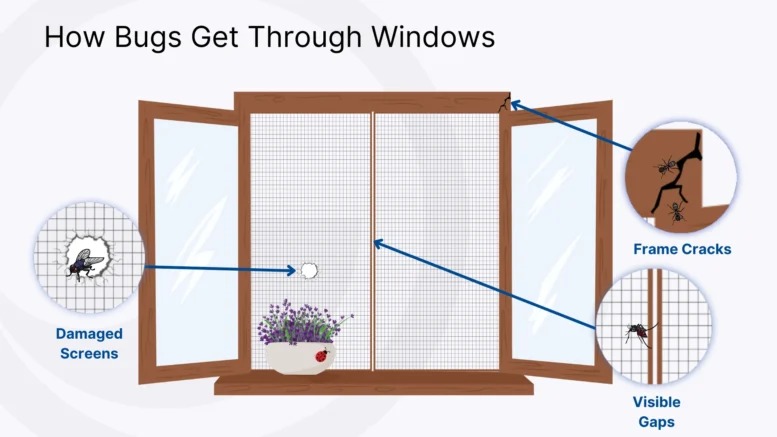
It is important to set realistic expectations regarding efficacy. Vinegar and essential oil sprays are typically short-term solutions and not substitutes for comprehensive pest control. Their performance is dependent on regular use, but more crucial are physical barriers — sealing cracks, fixing screens, and reducing moisture. Without these structural measures, insects can easily return, regardless of how frequently sprays are used.
Accordingly, experts from agricultural extension programs emphasize combining the repellent with mechanical exclusion steps. Caulking windows and repairing damaged areas are vital, and routine checks for gaps can further enhance the effectiveness of DIY pest strategies.
Safety Considerations for Homes with Children and Pets
Safety is paramount when using natural repellents. Essential oils, while potent against insects, can cause irritation or toxicity in high concentrations. Proper ventilation is advised during application, and surfaces should not be saturated. The ASPCA Animal Poison Control Center highlights that certain oils (especially those containing phenols, like tea tree) can be harmful to cats and dogs if ingested or absorbed through skin.
For pet owners, it is essential to check the toxicity profile of each oil used and apply sprays only in areas that animals cannot access. Moderation remains the key — a few drops suffice for effectiveness without introducing risk. Children should be kept away from areas during and immediately after spraying, and window surfaces should be wiped down before meals or playtime.
Expert Views on Pest Prevention Approaches
Integrated pest management specialists note that prevention is the cornerstone of effective home pest control. Dr. Michael Potter, an entomologist at the University of Kentucky, advises combining chemical-free repellents with basic exclusion practices:
- Seal all visible cracks and gaps around windows and doors
- Repair or replace torn screens
- Keep indoor humidity low through ventilation and dehumidifiers
- Reduce attractants such as food scraps near windows
These actions, alongside the periodic use of natural sprays, can significantly lower indoor insect presence without resorting to harsh chemicals or professional pest control services, which carry financial and environmental costs.
Global and Societal Perspectives on Natural Pest Control
International organizations such as the World Health Organization (WHO) endorse practices that minimize synthetic chemical use, especially in homes with vulnerable populations. Many societies are increasingly adopting natural and sustainable solutions due to environmental and health concerns. Surveys in Europe and North America indicate growing preference for DIY repellents and non-toxic solutions.
This trend aligns with broader efforts to reduce indoor pollution and allergy risks associated with conventional pesticides. Educational campaigns engaging homeowners emphasize understanding pest behavior, structural vulnerabilities, and safe alternatives.
Additional Prevention Tips and Long-Term Solutions
While DIY sprays offer a practical starting point, homeowners should consider long-term investments in pest-proofing. Window upgrades, high-quality screens, and thorough caulking not only deter insects but also improve energy efficiency and reduce humidity problems. Regular home maintenance creates a hostile environment for pests seeking comfort indoors.
Some innovative approaches include smart window sensors that detect temperature and humidity changes, alerting homeowners to increased pest activity or potential points of entry. Coupled with eco-friendly sprays, these tools provide a comprehensive framework for sustained pest control.
Conclusion
Insects gather on windowsills due to warmth, light, moisture, and accessible entry points. Natural repellent sprays made from vinegar and essential oils provide an immediate, safe deterrent, but their effectiveness depends on frequent application and integration with structural prevention. Homeowners seeking sustainable pest control should combine these sprays with physical barriers, regular maintenance, and education about safe, non-toxic approaches. By understanding the science and expert recommendations, it is possible to minimize insect presence at windowsills, protecting both health and comfort without resorting to hazardous chemicals.
Sources
- Reuters
- BBC
- Environmental Protection Agency
- World Health Organization
- Centers for Disease Control and Prevention
- ASPCA Animal Poison Control Center
- University Extension Services
- The Guardian
Disclaimer: This content is intended for entertainment purposes only and is not based on real events.